Product Overview
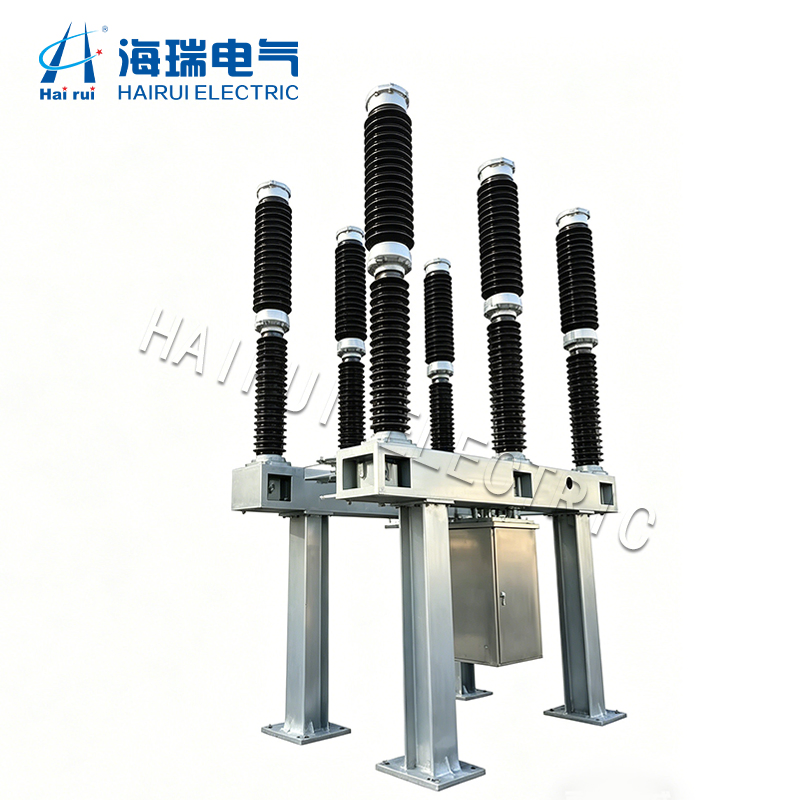
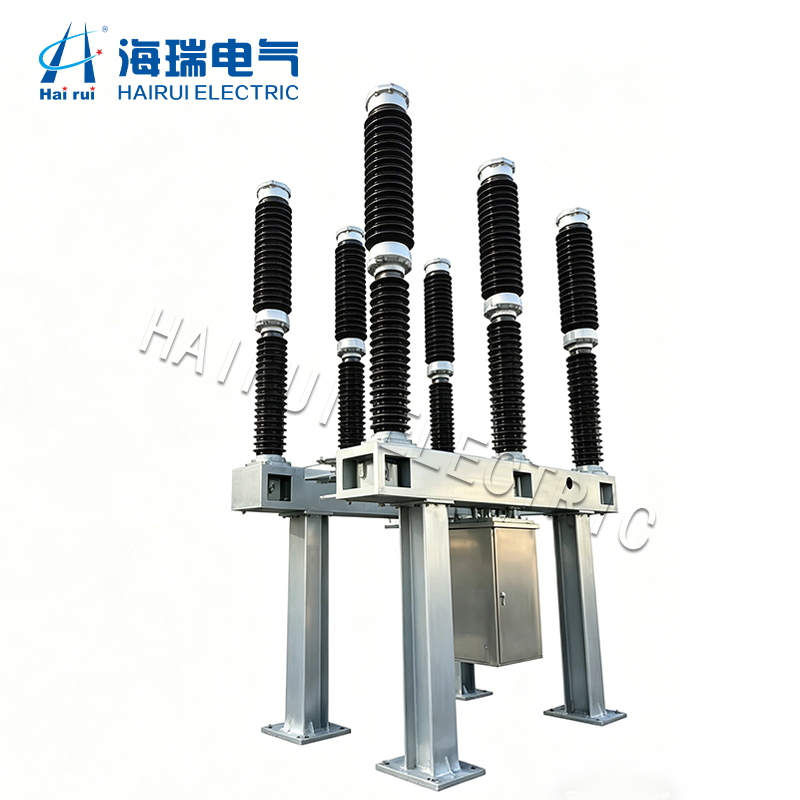
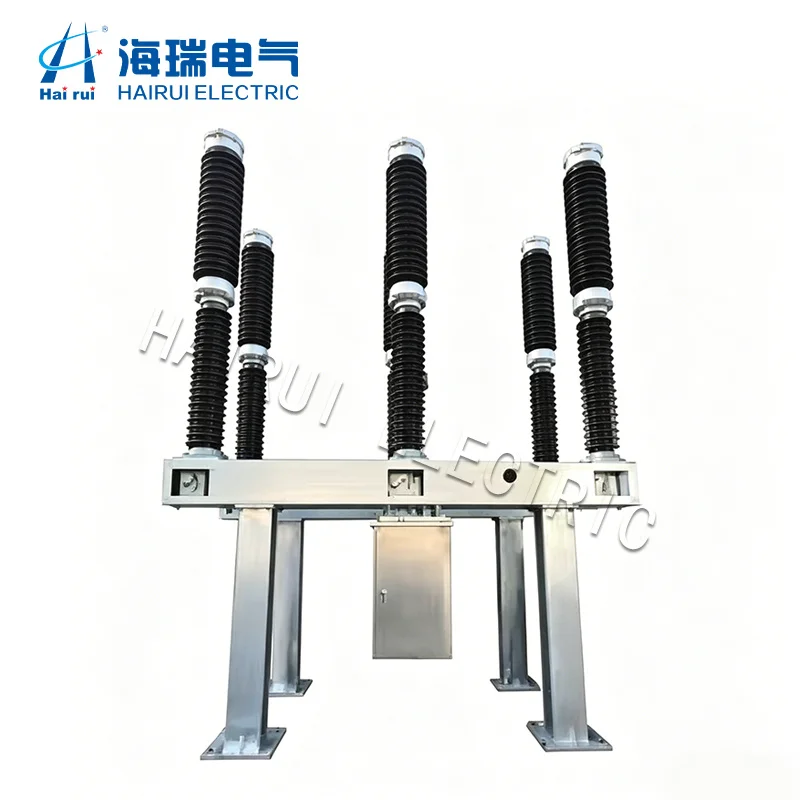
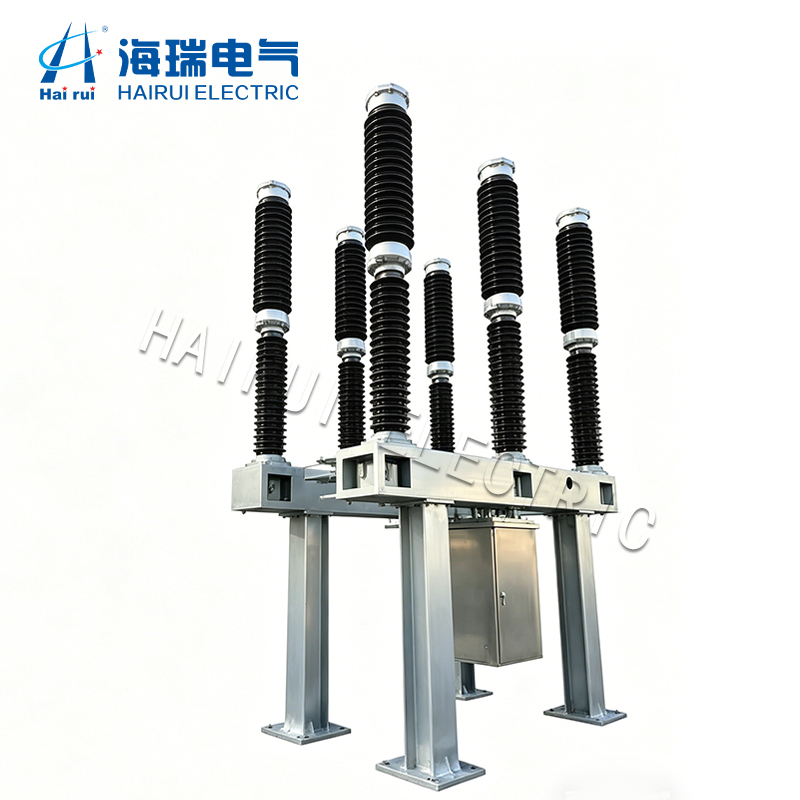
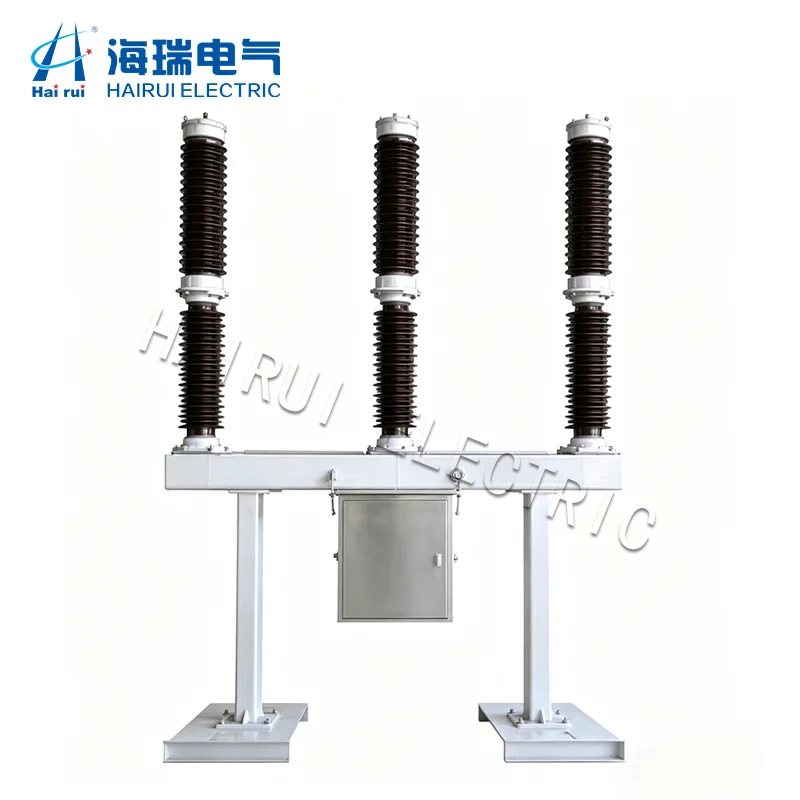
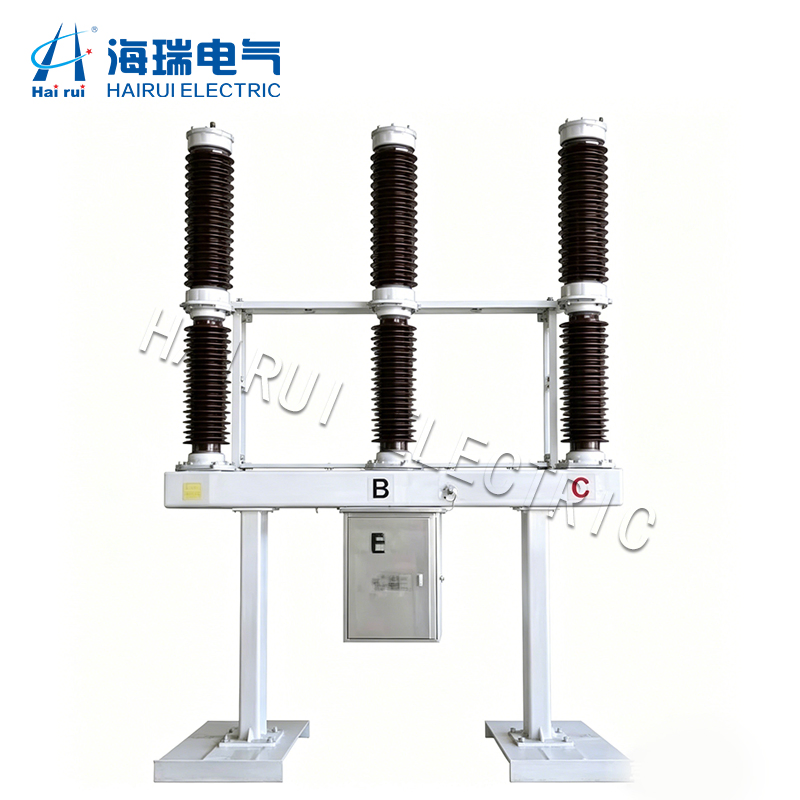
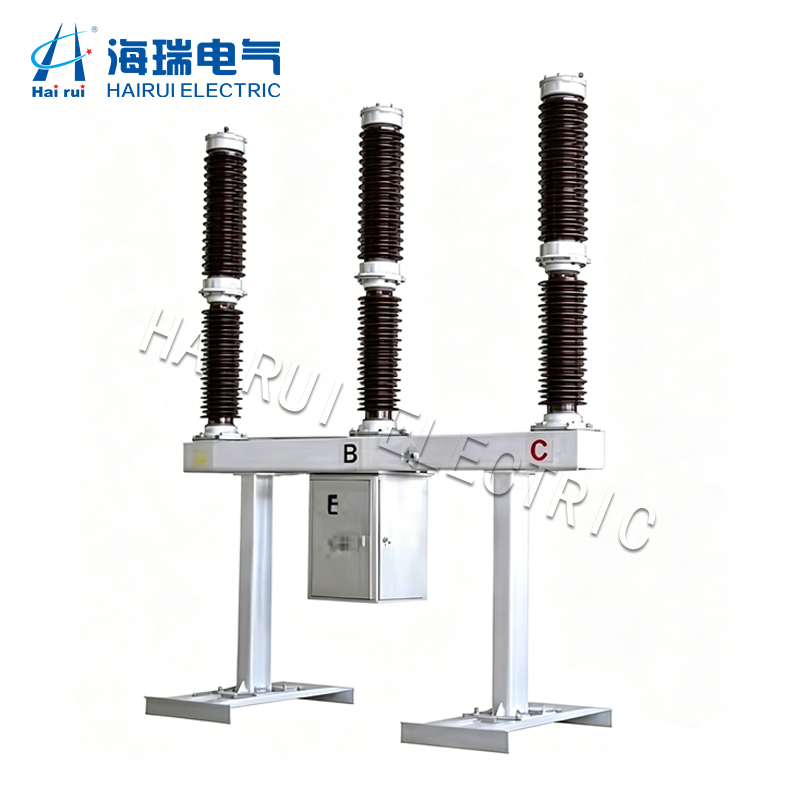
The LW36-126 is a three-pole outdoor SF6 breaker for 110 kV networks: rated 126 kV, 3150 A, 40 kA breaking, with 230 kV power frequency and 550 kV lightning impulse withstand. It is the workhorse of our outdoor range — the unit that sits at substation incomers, transformer bays and busbar sectionalisers on the networks that carry power from a transmission node to a city distribution system.
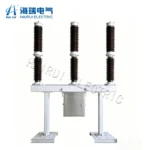
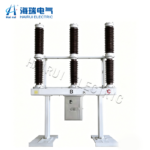
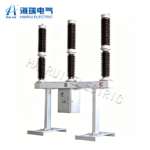
Three columns on one base frame, spring-operated, SF6 interrupter at 0.6 MPa rated pressure with 0.52 MPa alarm and 0.5 MPa lockout. Net weight 1900 kg, packed 2200 kg in four cases — those figures are this model’s own, not a family estimate, and they are what a freight forwarder needs for a 20 GP booking.
This page is the reference for the series. Five sibling pages take one specification each and go deeper: the 3150 A current rating, the 40 kA breaking capacity, the 40 kA / 3 s short-time withstand, protection in industrial grids and operation at non-standard frequency.
The Three Ratings That Define a 110 kV Breaker
Almost every question about a 126 kV breaker resolves into one of three numbers, and they come from three different calculations in the project file.
| Rating | Value | Where the number comes from |
| Continuous current | 3150 A (about 600 MVA at 110 kV) | Load flow: maximum demand plus the load-transfer contingency |
| Breaking capacity | 40 kA (about 7620 MVA at 110 kV) | Fault study: three-phase fault level at the busbar |
| Insulation level | 230 kV power frequency, 550 kV impulse | System voltage class plus altitude and pollution corrections |
The usual failure in a 110 kV specification is not getting one of these wrong; it is copying a value from the wrong column. A 3150 A breaker on a busbar with 40 kA fault level is correctly rated and may still be the wrong purchase if the fault level is 31.5 kA, because the additional breaking capability is paid for and never used. Equally, a 40 kA unit on a 3150 A bay is not oversized — those two figures are independent, and raising one does not raise the other.
Insulation is the third axis and the only one that is fixed by the class rather than by the project: 126 kV equipment is tested at 230 kV power frequency for one minute and at 550 kV impulse, and the numbers do not move because a buyer asks for a cheaper unit. What can move is the creepage distance, which is a pollution question rather than an insulation-class one.
Key Features
- 126 kV, 3150 A, 40 kA: the standard 110 kV combination, covering incomer, transformer and sectionaliser positions without custom engineering.
- 230 kV power frequency / 550 kV lightning impulse: the class insulation envelope, with 0.6 MPa rated SF6 density as the condition under which it holds.
- Graduated gas supervision: 0.6 MPa rated, 0.52 MPa alarm, 0.5 MPa lockout — a narrow band, which is why the density relay contacts belong on SCADA rather than on an indicator in the yard.
- 40 kA / 3 s short-time withstand: 4800 kA²s of thermal duty for protective relay grading and earthing design.
- Spring operating mechanism: motor-charged closing springs, mechanically latched trip energy; no compressor plant, no hydraulic oil, no dependence on the station battery at the trip instant.
- Three poles on one base frame, 1900 kg net: one foundation, alignment to 2 mm, 24 kN design dynamic load, and freight that fits a single 20 GP for one unit.
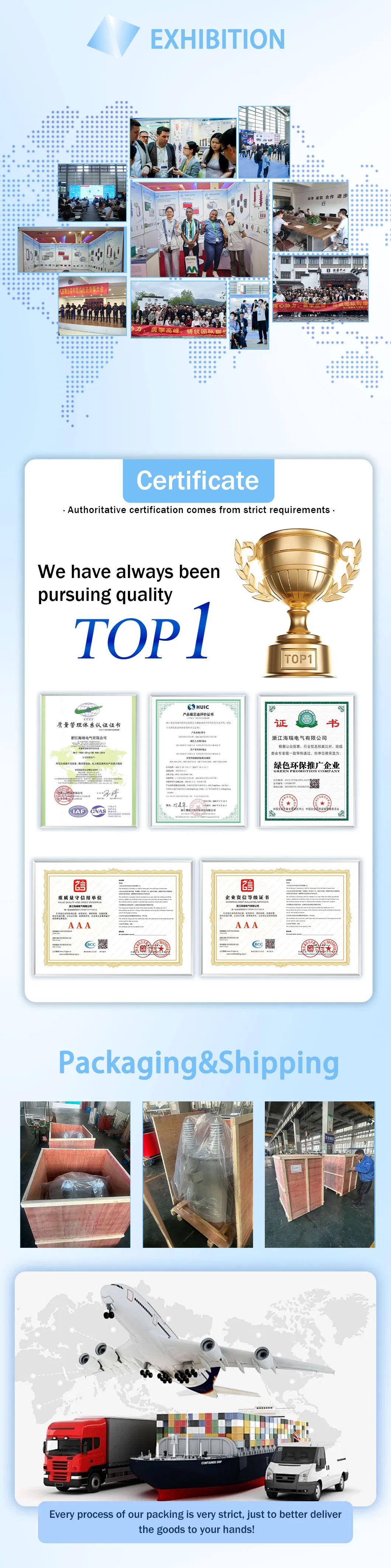
- Plywood export case, 2200 kg packed: four cases — three column cases at 3500 × 740 × 650 mm and a base case at 3880 × 700 × 2350 mm.
- ISO 9001 quality management, 12-month warranty, MOQ 1 piece, OEM/ODM: single replacement units accepted; ratings, nameplate and monitoring contacts customized at order.
Technical Specifications
Standard build. Current, breaking capacity and insulation are fixed by the order; creepage class, ambient range and auxiliary supply are selected against the site, and the outline drawing issued with the offer reflects the result.
| Model | LW36-126 |
| Type | Outdoor, live-tank, three-pole SF6 circuit breaker |
| Rated voltage | 126 kV (110 kV system) |
| Rated current | 3150 A |
| Rated frequency | 50 Hz |
| Rated short-circuit breaking current | 40 kA |
| Rated short-time withstand current | 40 kA / 3 s |
| Rated peak withstand current | 100 kA (2.5 × breaking current at 50 Hz) |
| Power frequency withstand, 1 min | 230 kV |
| Lightning impulse withstand, 1.2/50 µs | 550 kV |
| Rated SF6 gas pressure at 20 °C | 0.6 MPa |
| Alarm pressure | 0.52 MPa |
| Lockout pressure | 0.5 MPa |
| Operating mechanism | Spring, motor-charged |
| Number of poles | 3, ganged |
| Installation | Outdoor, fixed on concrete foundation |
| Net weight | 1900 kg |
| Transport packing | Sea-worthy plywood case, 2200 kg packed |
| Standards | IEC 62271-100 / GB 1984 (type test reports on request) |
| Certification | ISO 9001 quality management system |
| Warranty | 12 months |
| MOQ | 1 piece |
| Origin | Zhejiang, China |
Read the three gas pressure values as one system rather than three settings. 0.6 MPa is the density at which the type tests were run and at which both the insulation and interrupting ratings are valid; 0.52 MPa is the alarm, set while there is still margin; 0.5 MPa is the lockout, and the 20 kPa gap between alarm and lockout is deliberate — it forces a response instead of allowing a slow leak to run for months. The physics is in SF6 gas density monitor and alarm pressure.
Applications: 110 kV Duty Across Five Regions
110 kV is the sub-transmission backbone in most of the markets we serve, and what the breaker is asked to do differs enough between regions that the specification should follow the site.
Africa: the link between generation and the city
In Nigeria, Kenya, Tanzania, Ghana and Zambia a 110 kV substation usually sits at the edge of a load centre, fed by a single or double circuit from a generating station or a transmission node. Radial operation is normal, which makes the incomer breaker’s breaking capacity the critical rating: a close-in fault has the full source behind it. Spring mechanisms are preferred where maintenance crews are thin, and a spare density relay ordered with the unit is worth more than a discount on the second breaker.
Southeast Asia: humidity, salt and 110 kV
Indonesian, Malaysian, Vietnamese, Thai and Philippine 110 kV substations are often close to the coast and always in high-humidity air. Creepage distance rather than rated current is usually the specification that decides the order, and pollution class III or IV sheds are the norm for coastal and industrial sites. See pollution class and salt spray selection.
Central Asia: 110 kV legacy networks
Kazakhstan, Uzbekistan, Tajikistan and Kyrgyzstan run extensive 110 kV networks inherited from the Soviet system, with cold winters and mountain substations above 1500 m where external clearance has to be corrected upward. Low temperature affects the gas pressure scheme before it affects anything else: at −30 °C the density falls and the alarm point approaches, which is why cold-climate operation is agreed against the recorded winter minimum rather than a national average. See cold climate and high altitude operation.
Middle East: 50 °C yards and sand
Iraqi, Saudi, Emirati, Omani and Jordanian 110 kV yards run at shade temperatures above 50 °C. A 3150 A rating declared at a 40 °C reference is not a 3150 A rating at 50 °C, and the incomer is the position where that matters most. The derating arithmetic is in temperature rise limits above 40 °C ambient; dust deposition on sheds is a separate creepage question.
CIS: planned maintenance and documentation
Networks in Russia, Belarus, Azerbaijan and Uzbekistan are operated on planned maintenance cycles, with transfers between boards scheduled in advance. Russian-language manuals, stamped drawings, foundation loading data and test certificates an inspector will accept are part of the delivery rather than an extra.
Packing, Shipping Weight and Foundation Data
For this model the packing figures are its own, not a reference from a larger tier — one 20 GP carries a single 126 kV unit with the four cases listed below. The second column shows the 252 kV split-type unit for comparison.
| 126 kV / 110 kV system (LW36-126) | 252 kV / 220 kV system (LW-252) | |
| Interrupter columns shipped | 3 | 6 |
| Net weight | 1900 kg | approx. 3800 kg |
| Total shipping weight, packed | 2200 kg | approx. 4400 kg |
| Column packing | 3 cases, 3500 × 740 × 650 mm, 450 kg each | 6 cases, 3500 × 740 × 650 mm, 450 kg each |
| Base frame packing | 3880 × 700 × 2350 mm, 850 kg | 2 base cases, approx. 1700 kg total |
| Dynamic load, upward / downward | 24 kN | 24 kN per foundation |
| Height difference between the two foundation surfaces | ≤ 2 mm | ≤ 2 mm |
| Levelness of each foundation surface | ≤ 2 mm | ≤ 2 mm |
| Recommended container | 1 × 20 GP | 1 × 40 HQ or 40 FR |
The 252 kV column doubles the 126 kV one because a split-type pole carries two interrupter columns: three poles mean six columns and two base frames, so both crate count and weight double. Loading is from Ningbo or Shanghai on EXW, FOB, CFR, CIF or DAP terms, with LCL consolidation available for single units. Invoice, packing list, bill of lading, certificate of origin, routine test report and IEC 62271-100 declaration travel with the goods, and third-party or witness testing can be booked before loading.
Price Guide
Indicative RMB prices for standard builds, ex-works Zhejiang, current as of 2026 — a planning reference for budget approval, not a quotation. Creepage class, auxiliary configuration and freight term move the final number.
| Voltage class | Reference model | Interrupter columns | Indicative price |
| 40.5 kV (35 kV system) | LW8-40.5 | 3 | approx. RMB 40,000 |
| 72.5 kV (66 kV system) | LW9-72.5 | 3 | approx. RMB 75,000 |
| 126 kV (110 kV system) | LW36-126 | 3 | approx. RMB 80,000 |
| 252 kV (220 kV system) | LW-252 | 6 | approx. RMB 160,000 |
126 kV is the best value point in the range: the step from 72.5 kV adds only about 7% in money for nearly double the voltage, because both are three-column outdoor units with comparable mechanism and control-gear content. The step from 126 kV to 252 kV then doubles the price, because it doubles the hardware. If a project is sitting between voltage classes, that shape is worth checking before the single-line diagram is frozen.
Included: breaker, base frame, gas density monitor, foundation bolts, gas filling per contract and an English O&M manual. Quoted separately: spare SF6 cylinders, disconnectors, current transformers, surge arresters, special creepage bushings, third-party inspection and witness tests. Typical terms are 30% deposit with order and the balance against a copy of the bill of lading, with L/C at sight for container volumes. The cost structure is broken down in SF6 circuit breaker price and cost drivers, and the step changes between tiers in the LW series model comparison.
Ordering: What to Send in the Inquiry
Eight items produce a complete offer — ratings, drawing, packing list, freight and lead time — in one document:
- Continuous load and transfer case — in amperes or MVA for this position.
- System fault level — so breaking capacity is selected rather than assumed.
- Design ambient and solar exposure — shade temperature, and whether the frame is in direct sun.
- Pollution class and altitude — coastal, desert or industrial, and metres above sea level.
- Auxiliary supply — DC 110 V or 220 V, and whether density relay contacts go to SCADA.
- Terminal arrangement — overhead line entry or cable, and the conductor or busbar size.
- Destination port and Incoterm — EXW, FOB, CFR, CIF or DAP.
- Documentation — type test reports, stamped drawings, certificate of origin, third-party inspection.
Minimum order is one piece, so a single replacement on an existing 110 kV board is a normal order. The commercial sequence is set out in how to buy SF6 circuit breakers from a manufacturer; if you are still comparing voltage classes, start from how to select an SF6 circuit breaker.
FAQ
What are the main ratings of the LW36-126?
The LW36-126 is rated 126kV voltage, 3150A current, 40kA short-circuit breaking current, and 40kA/3s short-time withstand current, with a rated frequency of 52Hz as listed in the specification table.
Can this breaker be installed outdoors?
Yes. It is designed for outdoor installation in open-air substations, with construction suitable for continuous outdoor exposure.
Is customization or OEM/ODM service available?
Yes. Customization is supported and OEM/ODM service is offered, with specifications adaptable to project requirements. Minimum order quantity is one piece.
What protection functions does the breaker support?
It is specified for circuit-breaker failure protection and overcurrent protection applications, making it suitable for coordinated substation protection schemes.
How is the breaker packaged and what warranty applies?
Each unit is shipped in a wooden transport box from Zhejiang, China, and covered by a 12-month warranty under the HaiRui trademark.
What is the insulation level of the LW36-126?
230kV power frequency withstand for one minute and 550kV lightning impulse at 1.2/50 microseconds, the standard 126kV class envelope, valid at the 0.6MPa rated SF6 density.
How much does a 126kV SF6 circuit breaker cost?
The LW36-126 is approximately RMB 80,000 ex-works Zhejiang for a standard build. For reference: 40.5kV about RMB 40,000, 72.5kV about RMB 75,000 and 252kV about RMB 160,000. Final price depends on breaking capacity, creepage class, accessory set and freight term.
What is the shipping weight and how is the breaker packed?
The LW36-126 is 1900kg net and 2200kg packed, in four cases: three column cases of 3500 x 740 x 650mm at 450kg each and a base case of 3880 x 700 x 2350mm at 850kg. One 20 GP carries a single unit.
What is the MOQ and what documentation comes with the shipment?
MOQ is 1 piece, with OEM/ODM customization of ratings, nameplate and monitoring contacts. Documents include invoice, packing list, bill of lading, certificate of origin, routine test report and IEC 62271-100 declaration.
Request Quote
Tell us your specifications, quantity, or application scenario and we will reply with a tailored quote.