Product Overview
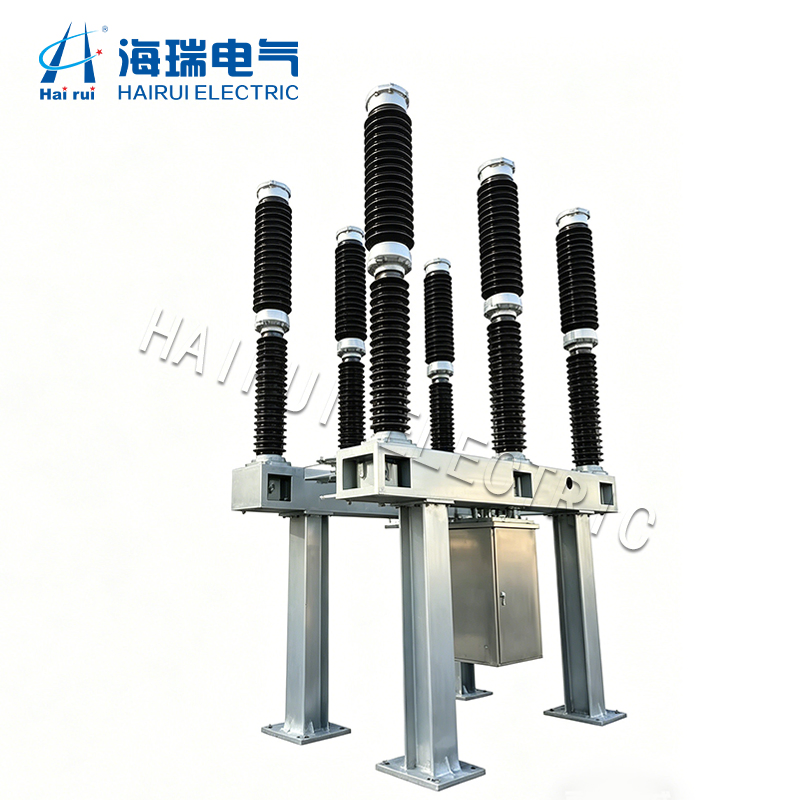
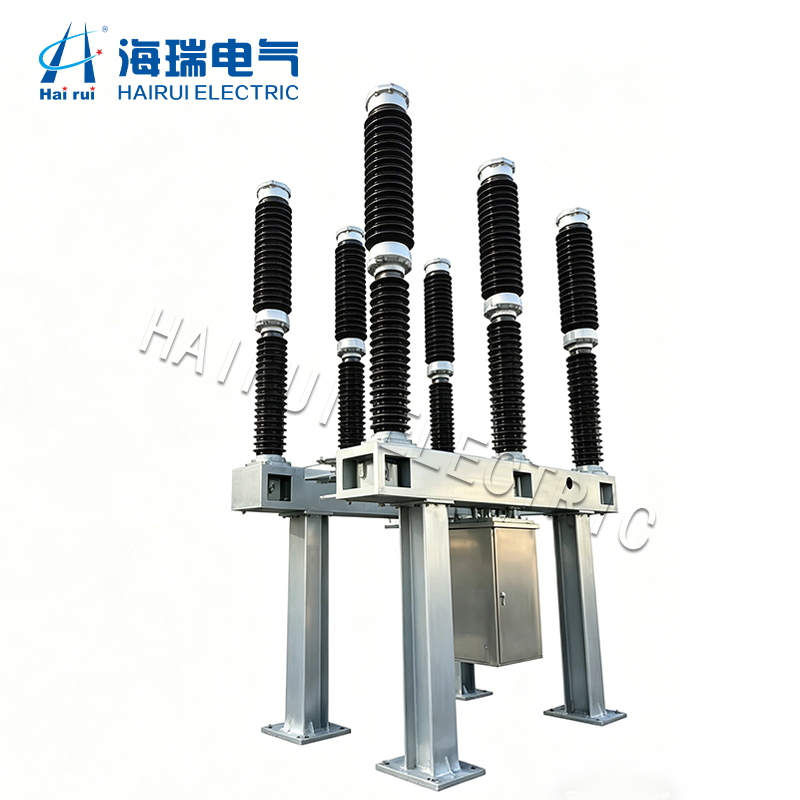
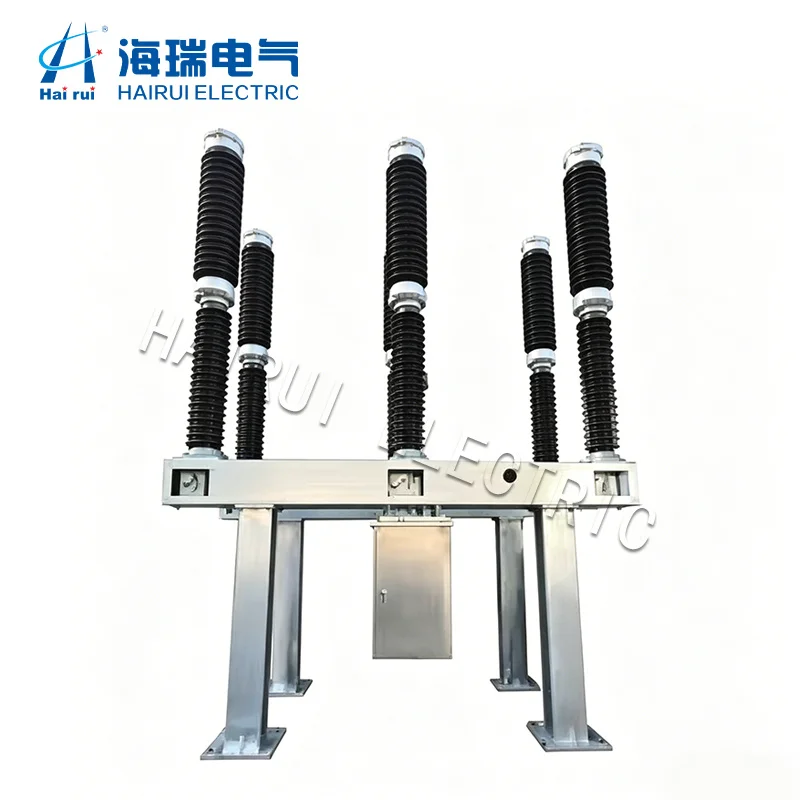
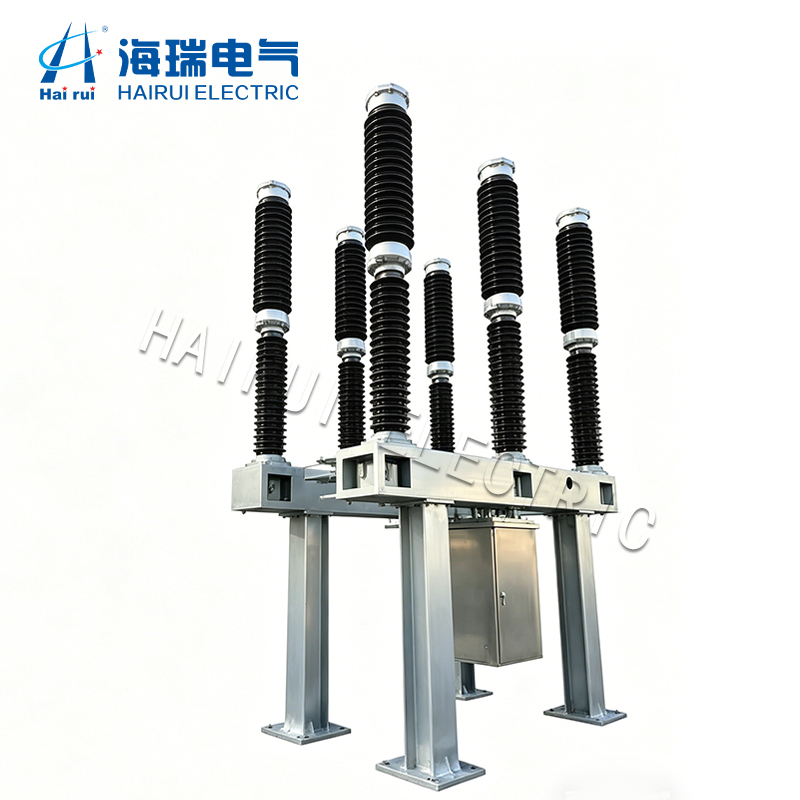
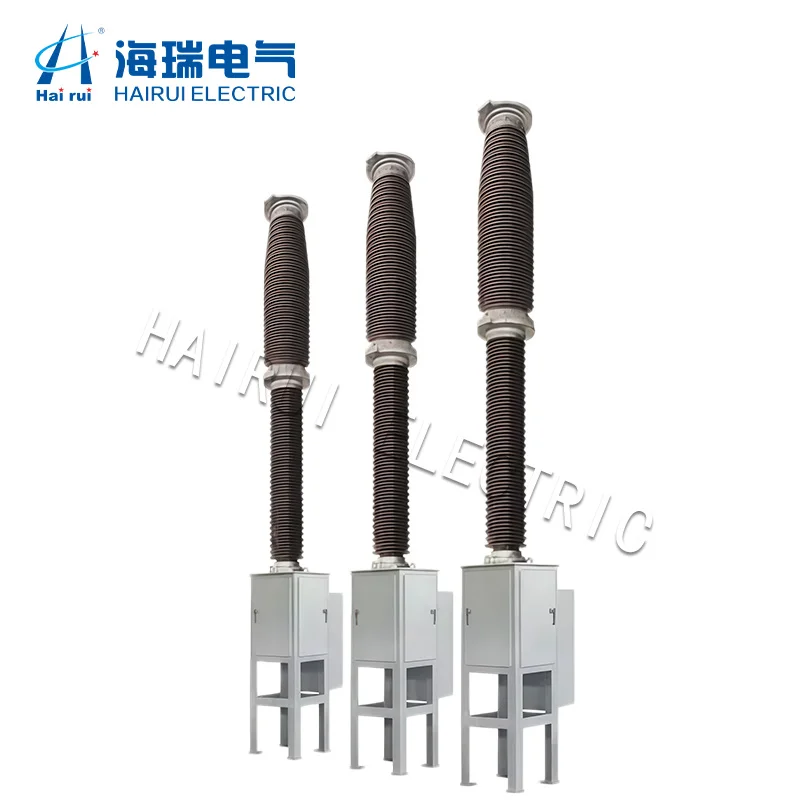
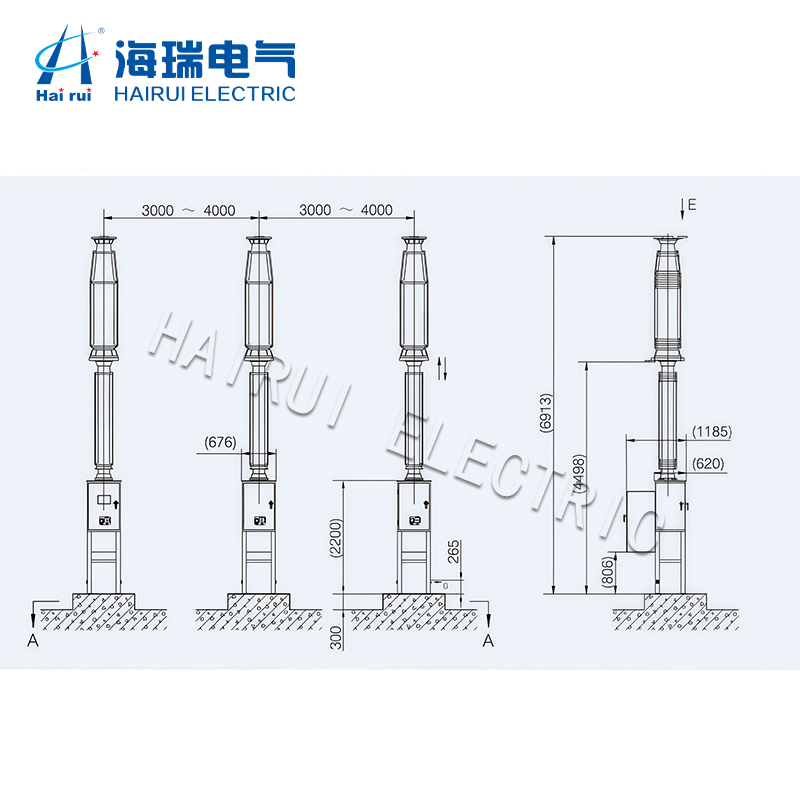
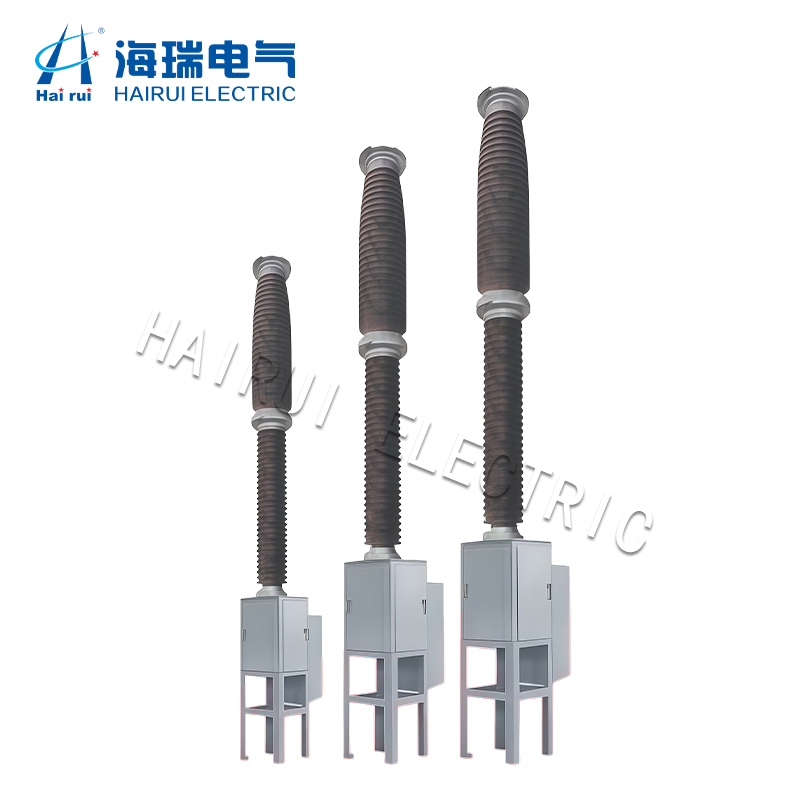
At 220 kV the insulation specification stops being a catalogue entry and becomes a coordination study. The LW-252 is built to 1050 kV lightning impulse withstand to earth and 1050 + 206 kV across the open break, with 460 kV and 460 + 146 kV power frequency — a split-type outdoor SF6 breaker, 4000 A, 50 kA breaking, six interrupter columns on two base frames.
This page is about those four insulation values and the two things that decide whether they are enough: where the surge arresters sit, and how high above sea level the substation is. Everything else about the breaker is on the series reference page.
1050 kV to Earth, and Why the Second Number Matters More
| Rating | Value | What it governs |
| Power frequency withstand, 1 min, to earth | 460 kV | Continuous insulation strength of the six columns under operating stress |
| Power frequency withstand, across the break | 460 + 146 kV | Strength between open contacts under power-frequency stress on the line side |
| Lightning impulse withstand, 1.2/50 µs, to earth | 1050 kV | Surge strength of the column against a travelling wave from an overhead line |
| Lightning impulse withstand, across the break | 1050 + 206 kV | Surge strength of the open gap during reclose dead time or line isolation |
The 1050 kV figure is the one on the datasheet, the one in the tender and the one everybody quotes. In service the across-break figure is the one that is actually exercised: a 220 kV breaker spends a large part of its life open, with one side earthed for work and the other side still connected to a line that can pick up a surge from a thunderstorm fifty kilometres away. That is what the +206 kV covers.
Impulse strength is not a fixed property of porcelain. It depends on air clearance outside the column and on gas density inside the interrupter, so a breaker that has lost SF6 density has lost its impulse rating before it has lost anything else, and a breaker at altitude has less external margin than the same unit at sea level even though the nameplate is identical. Above 1000 m the correction is applied to the clearance; it cannot be bought back by ordering a higher impulse level, because the flashover path is external to the interrupter. See cold climate and high altitude operation.
Coordination with arresters is the other half. The impulse level has to sit above the arrester residual voltage at the prospective discharge current, plus the inductive volt drop along the leads between arrester and breaker, plus margin. On a 220 kV yard the leads are long and the currents are high, which is why arrester placement is a drawing decision rather than a purchasing one: mount them at the far end of a busbar and a compliant 1050 kV breaker is an unprotected one. The test sequence that establishes the rating is described in lightning impulse and chopped wave testing.
Key Features
- 1050 kV lightning impulse to earth: the 252 kV class surge level, carried by six porcelain columns at the operating gas density.
- 1050 + 206 kV across the open break: the rating that defends the busbar while the breaker is open and the line side is exposed.
- 460 kV power frequency, 460 + 146 kV across the break: proven on every unit as a one-minute routine test.
- Split-type construction: two chambers in series per pole, so each chamber carries half the recovery voltage.
- 50 kA breaking, 125 kA peak, 4000 A continuous: the current side of the same unit, quoted together so insulation and switching capability are judged on one datasheet.
- Six columns, individually replaceable: a damaged column is a 450 kg swap, not a complete pole lift.
- Spring mechanism: a surge that disturbs the auxiliary supply still leaves trip energy mechanically latched and available.
- ISO 9001 quality management, 12-month warranty, MOQ 1 piece, OEM/ODM: type test reports naming the impulse tests performed, available with the offer.
Technical Specifications
Standard build. Insulation values are fixed by the design; creepage class, frame height and ambient range are selected against the site.
| Model | LW-252 |
| Type | Outdoor, live-tank, split-type (two interrupter columns per pole), three-pole SF6 circuit breaker |
| Rated voltage | 252 kV (220 kV system) |
| Rated current | 4000 A |
| Rated frequency | 50 Hz |
| Rated short-circuit breaking current | 50 kA |
| Rated short-time withstand current | 50 kA (duration stated on the type test report) |
| Rated peak withstand / making current | 125 kA |
| Power frequency withstand, 1 min, to earth | 460 kV |
| Power frequency withstand, across the break | 460 + 146 kV |
| Lightning impulse withstand, 1.2/50 µs, to earth | 1050 kV |
| Lightning impulse withstand, across the break | 1050 + 206 kV |
| Interrupter columns | 6 (two in series per pole) |
| Operating mechanism | Spring, motor-charged |
| Number of poles | 3, ganged |
| Installation | Outdoor, fixed on concrete foundation |
| Net weight | approx. 3800 kg |
| Transport packing | Sea-worthy plywood cases, approx. 4400 kg packed |
| Standards | IEC 62271-100 / GB 1984 (type test reports on request) |
| Certification | ISO 9001 quality management system |
| Warranty | 12 months |
| MOQ | 1 piece |
| Origin | Zhejiang, China |
Ask for the impulse figure with three qualifiers attached: the wave shape (1.2/50 µs), the reference point (to earth or across the break), and the condition (dry, at rated gas density). A quotation that says “1050 kV” without them is telling you less than it appears to, and the across-break value is the one that most often goes unstated.
Where the Impulse Level Earns Its Margin
Lightning exposure varies more between our markets than any other design parameter.
Southeast Asia: the highest flash density anywhere
Indonesia, Malaysia, Thailand, Vietnam and the Philippines sit in a lightning belt where flash density runs into tens of strikes per square kilometre per year, and much of the 220 kV network is overhead with long spans. 1050 kV impulse plus arresters at the bushings plus shielding on the incoming spans is the combination that holds; remove any of the three and the weak point moves to the transformer.
Africa: long lines, sparse arresters
Rural 220 kV circuits in Nigeria, Kenya, Tanzania and Zambia run for over a hundred kilometres between substations with limited arrester coverage. A surge arriving at the end of that run has lost little energy, and the substation breaker is often better protected than the transformer behind it — which is the argument for specifying insulation above the minimum rather than at it.
Central Asia: altitude is the correction that cannot be avoided
Substations in Tajikistan and Kyrgyzstan operate well above 1000 m, where the impulse strength of air falls and clearances must grow. Kazakhstan and Uzbekistan add dust deposition, which reduces effective creepage in the wet season without changing the impulse rating.
Middle East: few storms, heavy deposition
Iraq, Saudi Arabia, the UAE, Oman and Jordan see comparatively few thunderstorm days but heavy sand and salt deposition on shed surfaces. No impulse level protects a contaminated surface; the specification that matters is shed profile, creepage and cleaning access, with the impulse level covering switching surges during dust events.
CIS: ice, then a surge
In Russia, Belarus and northern Kazakhstan the worst case is ice on the sheds followed by a wet surface at around −5 °C and then a switching surge. Insulation that passes an impulse test in July is not automatically the same insulation in January.
Packing, Shipping Weight and Foundation Data
Six columns are also six times the porcelain to protect in transit, which is why the packing specification matters at this voltage. The 252 kV figures are its own; the 126 kV column is shown for scale.
| 126 kV / 110 kV system (LW36-126) | 252 kV / 220 kV system (LW-252) | |
| Interrupter columns shipped | 3 | 6 |
| Net weight | 1900 kg | approx. 3800 kg |
| Total shipping weight, packed | 2200 kg | approx. 4400 kg |
| Column packing | 3 cases, 3500 × 740 × 650 mm, 450 kg each | 6 cases, 3500 × 740 × 650 mm, 450 kg each |
| Base frame packing | 3880 × 700 × 2350 mm, 850 kg | 2 base cases, approx. 1700 kg total |
| Dynamic load, upward / downward | 24 kN | 24 kN per foundation |
| Height difference between the two foundation surfaces | ≤ 2 mm | ≤ 2 mm |
| Levelness of each foundation surface | ≤ 2 mm | ≤ 2 mm |
| Recommended container | 1 × 20 GP | 1 × 40 HQ or 40 FR |
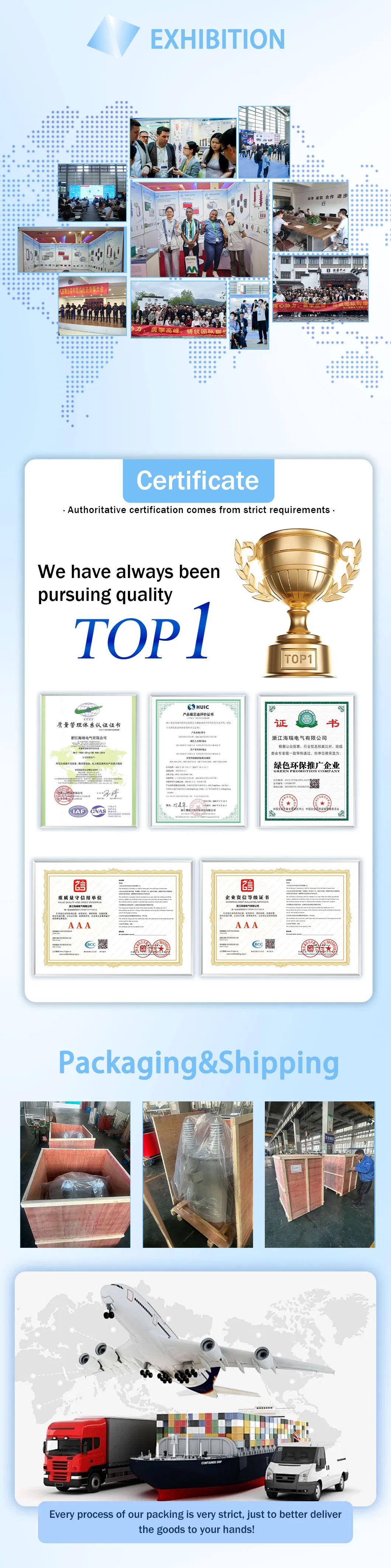
The doubling is structural: two columns per pole give six column cases, two base frames give two base cases, and the assembly needs a 40 HQ or 40 FR rather than a 20 GP. Loading from Ningbo or Shanghai, EXW through DAP. Invoice, packing list, bill of lading, certificate of origin, routine test report and IEC 62271-100 declaration travel with the goods.
Price Guide
Indicative RMB prices, standard builds, ex-works Zhejiang, current as of 2026 — a budget reference rather than a quotation.
| Voltage class | Reference model | Interrupter columns | Indicative price |
| 40.5 kV (35 kV system) | LW8-40.5 | 3 | approx. RMB 40,000 |
| 72.5 kV (66 kV system) | LW9-72.5 | 3 | approx. RMB 75,000 |
| 126 kV (110 kV system) | LW36-126 | 3 | approx. RMB 80,000 |
| 252 kV (220 kV system) | LW-252 | 6 | approx. RMB 160,000 |
Insulation level is not a price driver inside a voltage class, because the envelope is fixed by the class. What moves the price is the class itself, and here the curve is at its steepest: 126 kV to 252 kV doubles the hardware and therefore the price, while 72.5 kV to 126 kV adds only a few percent.
Included: breaker, two base frames, gas density monitor, foundation bolts, gas filling per contract and an English O&M manual. Quoted separately: surge arresters, spare columns, spare SF6 cylinders, disconnectors, current transformers, special creepage bushings, third-party inspection and witness tests. Typical terms are 30% deposit with order and the balance against a copy of the bill of lading, with L/C at sight for container volumes. Cost structure is in SF6 circuit breaker price and cost drivers.
Ordering: What to Send in the Inquiry
For an insulation-led 220 kV specification, the site conditions decide the answer:
- Site altitude and pollution class — the two corrections that change clearance and creepage.
- Arrester rating and mounting distance — so the margin is checked against real protection rather than assumed.
- Overhead or cable entry — overhead entry is what makes the impulse rating a live question.
- Shielding and surge counter arrangement — part of the same coordination decision.
- Continuous load and transfer case — in amperes or MVA.
- System fault level and X/R ratio — for breaking and peak duties.
- Destination port and Incoterm — EXW, FOB, CFR, CIF or DAP.
- Documentation — type test reports naming the impulse tests, certificate of origin.
Minimum order is one piece. The commercial sequence is in how to buy SF6 circuit breakers from a manufacturer; the structural side of the same breaker is on the LW-252 split-type reference page.
FAQ
What is the lightning impulse withstand voltage?
The rated lightning impulse withstand voltage is 1050kV to earth and 1050kV + 206kV across the fracture, as listed in the specification table.
Why is lightning impulse resistance important for a 252kV breaker?
Atmospheric surges travel along transmission lines into the switchyard; the breaker's insulation must withstand these steep-front impulses without flashover, both pole-to-earth and across open contacts.
What are the breaker's current and fault ratings?
It is rated 4000A continuous current with a 50kA short-circuit breaking current, 50kA withstand current, and 125kA peak withstand current at 252kV.
How does precision manufacturing improve surge performance?
Tight-tolerance assembly and controlled SF6 gas handling produce a consistent insulation system, which is what allows the design to be proof-tested at full 1050kV impulse level.
What are the supply and warranty terms?
MOQ is one piece, customization and OEM/ODM service are available, and each breaker ships in a wooden box with a 12-month warranty.
What is the impulse level of the LW-252?
1050kV to earth and 1050+206kV across the open break, at the standard 1.2/50 microsecond wave, alongside 460kV power frequency withstand. The across-break figure is the one exercised whenever the breaker stands open with an energised line.
How much does a 252kV SF6 circuit breaker cost?
The LW-252 is approximately RMB 160,000 ex-works Zhejiang for a standard build. For reference: 40.5kV about RMB 40,000, 72.5kV about RMB 75,000 and 126kV about RMB 80,000. Final price depends on creepage class, frame height, package scope and freight term.
What is the shipping weight and how is the breaker packed?
The LW-252 is about 3800kg net and 4400kg packed, in eight cases: six column cases of 3500 x 740 x 650mm at 450kg each and two base cases totalling about 1700kg. The assembly needs a 40 HQ or 40 FR container.
What is the MOQ and what documentation comes with the shipment?
MOQ is 1 piece, with OEM/ODM configuration of creepage class, frame height, auxiliary contacts and documentation language. Documents include invoice, packing list, bill of lading, certificate of origin, routine test report and IEC 62271-100 declaration.
Request Quote
Tell us your specifications, quantity, or application scenario and we will reply with a tailored quote.