Dry-type Transformer 5 Key Application and Installation Tips
Published: Author: Hairui Electric
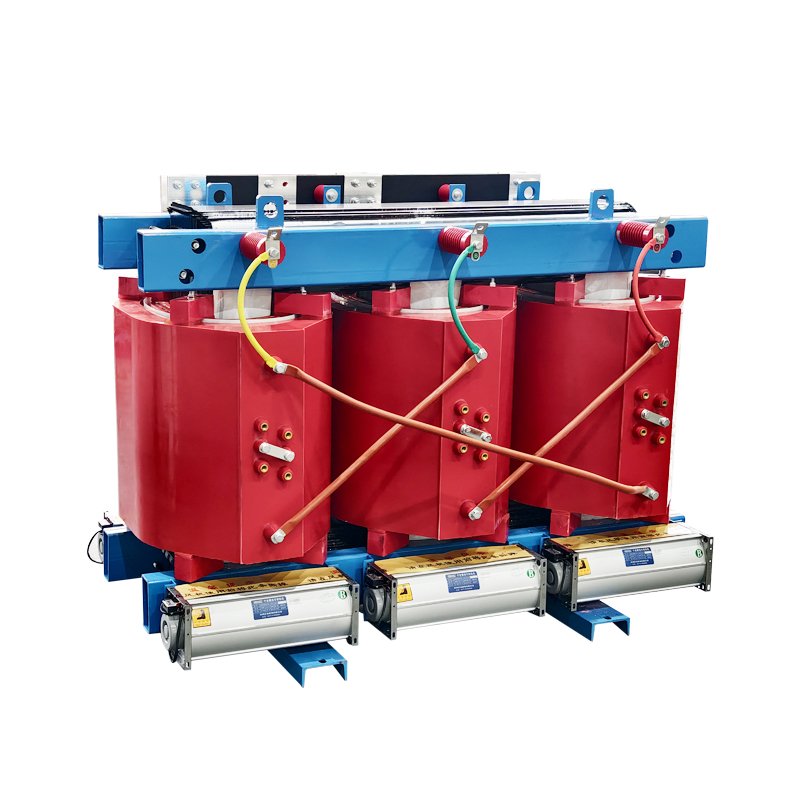
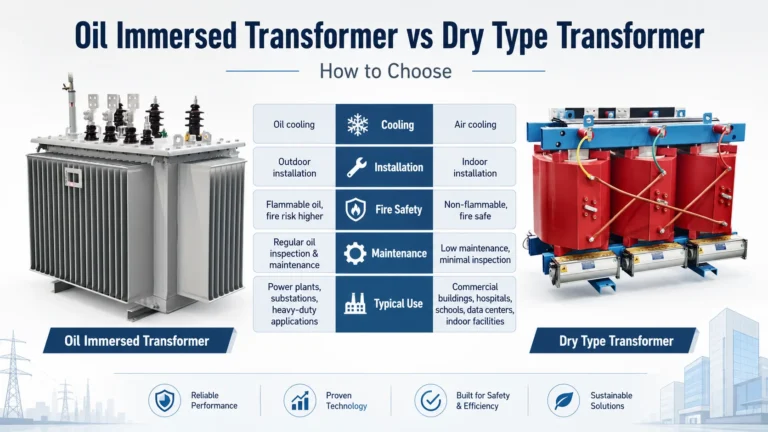
If you’ve ever wondered why more and more businesses are turning to dry-type transformer, you’re not alone. These transformers have steadily gained popularity across industries, especially for B2B customers like those in manufacturing, commercial construction, and renewable energy sectors. Unlike traditional oil-immersed transformers, dry-type transformers rely on air for cooling, making them cleaner, safer, and easier to maintain. This blog dives deep into their wide-ranging applications and how you can correctly install them to maximize performance and reliability.
Choosing the right transformer for your facility is crucial. It impacts safety, energy efficiency, and long-term costs. Transformers shine in environments where fire safety matters due to their non-flammable insulation material, and they suit places demanding minimal maintenance. If you want a solution that fits modern electricity needs—while aligning with green energy goals—dry-type transformers might just be your best bet. Keep reading to learn where these transformers excel and practical tips for setting them up the right way.
Main Applications of Dry-type Transformer
🏭 Industrial Manufacturing
Dry-type transformers are critical in industrial settings where heavy machinery and complex electrical systems demand reliable power supply. Their robust design resists dust, dirt, and vibration, which are common in factories.
Application Area
Benefits
Typical Environment
Power distribution
High reliability, minimal downtime
Factories, production lines
Equipment synchronization
Stable voltage, protects sensitive devices
Assembly lines, robotic automation
Did you know? Using the right dry-type transformer can reduce downtime and maintenance costs significantly—which adds up to big savings. Interested in exploring models that suit your factory? Contact our sales team today!
🏢 Commercial and High-rise Buildings
In commercial spaces such as shopping malls, office buildings, and skyscrapers, fire safety and compact installation are priorities. Dry-type transformers meet these needs by eliminating fire hazards caused by oil leaks.
Feature
Advantage
Suitable for
Non-flammable insulation
Meets strict fire codes
Shopping centers, corporate towers
Compact design
Saves floor space
Space-restricted electrical rooms
Builders and property managers often choose dry-type transformers for these reasons. Want to know more about special models optimized for modern buildings? Send us your project details!
🏥 Healthcare Facilities
Hospitals and medical centers require transformers that ensure clean, stable power with minimal interference—plus rigorous safety standards. Dry-type transformers are ideal, as they offer low noise, no oil leakage, and reduced risk of fire.
Medical Application
Transformer Advantage
Why It Matters
Sensitive medical devices
Stable voltage without electromagnetic interference
Ensures device accuracy
Fire safety requirements
Oil-free and self-extinguishing
Protects patients and staff
Safety is non-negotiable in hospitals, making dry-type transformers a natural choice. Have a medical facility electrification project? Reach out for customized recommendations!
📡 Data Centers and Telecom
Data centers demand uninterrupted, high-quality power. Dry-type transformers are energy-efficient and naturally resist short circuits and overloads, essential for maintaining uptime.
Requirement
Transformer Benefit
Outcome
Stable power voltage
Protects servers from electrical surges
Avoids costly downtime
Low maintenance
Reduces operational costs
Focus on core data operations
Considering an upgrade for your data center’s power system? Our engineers can help you select transformers that balance performance and efficiency.
🌞⚙️ Renewable Energy Systems
As wind farms and solar parks expand, transformers that handle variable inputs and harsh environments become more essential. Dry-type transformers, designed with eco-friendly materials, suit renewable setups perfectly.
Renewable Energy Source
Transformer Feature
Impact
Solar farms
High insulation, withstands UV exposure
Reliable power conversion
Wind turbines
Robust design, vibration-resistant
Long service life in outdoor settings
Going green? Our dry-type transformers offer the durability and eco-conscious performance your renewable project needs. Ask us about solar or wind-focused transformer solutions!
Affordable price, huge discount!
Upgrade your power system today with reliable dry-type transformer! Contact us now for custom solutions and expert support.
Proper installation is key to unlocking the full benefits of dry-type transformers. Doing it wrong not only wastes money but could risk system safety. Here’s a clear guide to help you through the process.
Preparation Before Installation
Before you start, ensure the installation site meets all environmental requirements:
Ventilation: Adequate airflow around the transformer to dissipate heat.
Dryness: No exposure to excessive moisture or water leaks.
Cleanliness: Free from dust and debris that could hamper cooling.
Preparation Step
Recommended Action
Reason
Site inspection
Check dimensions and environment
Ensures space and conditions are appropriate
Tools & parts check
Verify all components and equipment
Prevent installation delays
Skip these steps, and you might face early transformer failure. Tough to fix—but easy to avoid!
Step-by-step Installation
Positioning and Mounting
Use solid, vibration-absorbing base or foundation.
Keep a minimum clearance of 30 cm from walls or other equipment for air flow.
Electrical Connections
Label and confirm incoming and outgoing cables.
Follow local wiring codes and safety regulations.
Grounding
Proper grounding avoids electrical shocks and improves equipment protection.
Installation Step
Key Point
Outcome
Mount base foundation
Level and vibration proof
Stable transformer placement
Cable connections
Insulated, secure, correctly marked
Safe and efficient power flow
Grounding setup
In compliance with national standards
Reliable electrical safety
Pro tip: After installation, conduct a thorough system inspection before energizing. Want expert installation assistance? We offer technical support and training for your team!
Troubleshooting Common Installation Issues
Sometimes things don’t go as planned. Watch out for these signals:
Overheating transformer casings
Excessive noise or vibration
Unexpected tripping of protection devices
Problem
Possible Cause
Suggested Action
Overheat
Poor ventilation
Improve airflow or reduce load
Noise
Loose mounting or electrical issues
Tighten fixtures, check wiring
Frequent trips
Short circuits or overloads
Inspect circuit breakers and wiring
Don’t ignore early signs—contact us to schedule a professional inspection!
Simple maintenance translates into fewer costly interruptions. Ready to protect your investment? Our service teams can provide customized maintenance plans for your transformers.
Environmental and Future Trends
Dry-type transformers are a win for the environment. Without oil, they reduce fire risks and chemical hazards.
Made with recyclable materials.
Lower noise pollution.
Compatible with smart grid and IoT technologies.
Environmental Aspect
Dry-type Transformer Advantage
Benefit to You
No oil usage
Non-toxic, no contamination risk
Safer workplaces and communities
Lower losses
Energy-efficient design
Lower electricity bills
Smart capabilities
Remote monitoring and diagnostics
Predictive maintenance
The future is smart and green. Looking for cutting-edge dry-type transformers? Let’s discuss options that align with your sustainability goals!
How to Choose the Right Dry-type Transformer Supplier
Selecting a trustworthy supplier is as important as choosing the transformer itself. Consider:
Quality certifications: ISO, IEC standards.
Customization capabilities: Tailored voltage, capacity, and sizes.
After-sales support: Training, technical service, spare parts availability.
Customer references: Proven track records in your industry.
Supplier Criteria
Why It Matters
What to Ask
Certification
Ensures product quality and safety
Which standards do you comply with?
Customization
Meets your unique project requirements
Can you design transformers for my specs?
Support
Minimizes downtime and costs
What after-sales services do you offer?
Dry-type transformer represent a blend of safety, efficiency, and environmental responsibility that fits today’s industrial, commercial, and renewable energy needs. From factories to high-rise buildings and data centers, their versatility is unmatched.
If you’re ready to upgrade your electrical systems with a solution that reduces fire hazards, lowers maintenance, and supports green initiatives, dry-type transformers are an investment worth considering. Remember, correct installation and ongoing maintenance are keys to unlocking their full potential.
Don’t let power issues slow your business down—reach out today for professional advice and discover how our dry-type transformers can power your success.
FAQ
u003cstrongu003eWhat’s the difference between dry-type and oil-immersed transformers?u003c/strongu003e
Dry-type transformers use air for cooling and solid insulation, making them safer and cleaner. Oil-immersed transformers use oil for cooling but carry fire and environmental risks.
u003cstrongu003eAre dry-type transformers suitable for outdoor installations?u003c/strongu003e
Yes, but they require weatherproof enclosures and protection against moisture.
u003cstrongu003eHow long does a dry-type transformer typically last?u003c/strongu003e
With proper maintenance, they can last 20 to 30 years or more.
u003cstrongu003eWhat safety precautions are essential during installation?u003c/strongu003e
Ensure proper grounding, ventilation, and compliance with electrical codes.
u003cstrongu003e Can dry-type transformers be customized?u003c/strongu003e
Absolutely. Voltage ratings, capacities, and enclosure types can be tailored to your needs.
u003cstrongu003eAre dry-type transformers energy efficient?u003c/strongu003e
Yes, they produce less heat loss and are more efficient than many traditional options.
u003cstrongu003eHow do I know when a transformer needs maintenance or replacement?u003c/strongu003e
Indicators include unusual noise, overheating, discoloration, or voltage fluctuations.
If you build, retrofit, or service CNC lathes, machining centers, or any automated production line, the control transformer you specify decides whether the cabinet powers up cleanly or trips at every cycle. This guide walks procurement engineers, panel builders, and OEMs through how to select and size a CNC machine tool control transformer with confidence […]
When buyers ask me whether an Oil Type Single Phase Transformer is still worth serious attention in a market full of bigger systems and louder marketing, my answer is simple: absolutely. In real distribution work, especially in rural lines, light commercial loads, street lighting, remote facilities, and utility edge networks, the right single-phase unit is […]