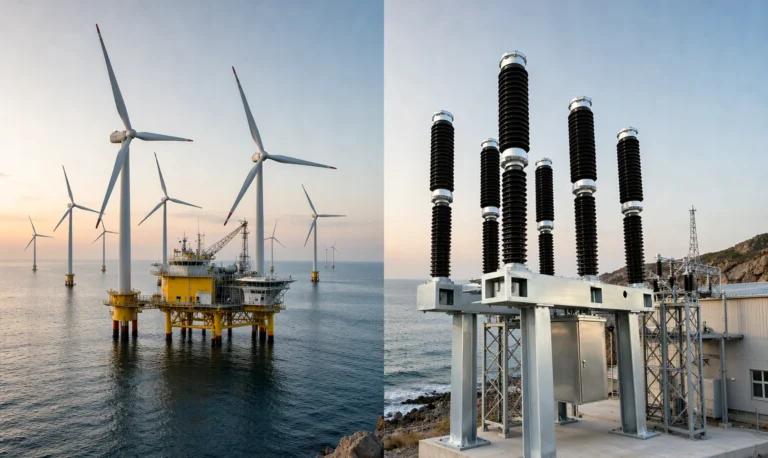
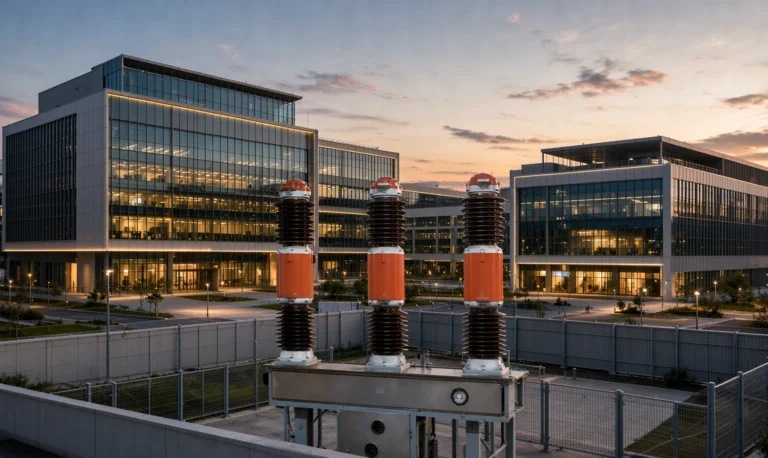
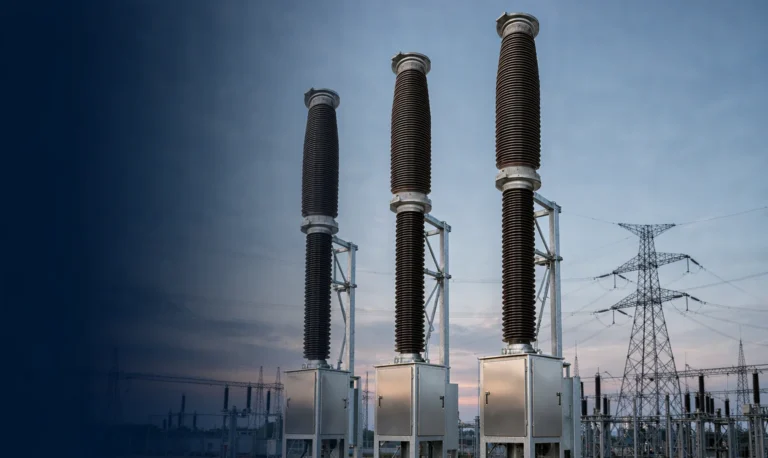
Where the breakers actually sit in an AI data center, how 2N redundancy doubles the panel count, and why SF6 belongs at the fence line while vacuum stays indoors.
Where the ninety days actually sit in an HV breaker order, which stages the buyer controls, and how the Chinese manufacturing calendar moves every date.
The nine line items a twenty-year breaker holding actually needs, with gasket shelf life, desiccant mass by gas weight, and the storage rules that keep stock usable.
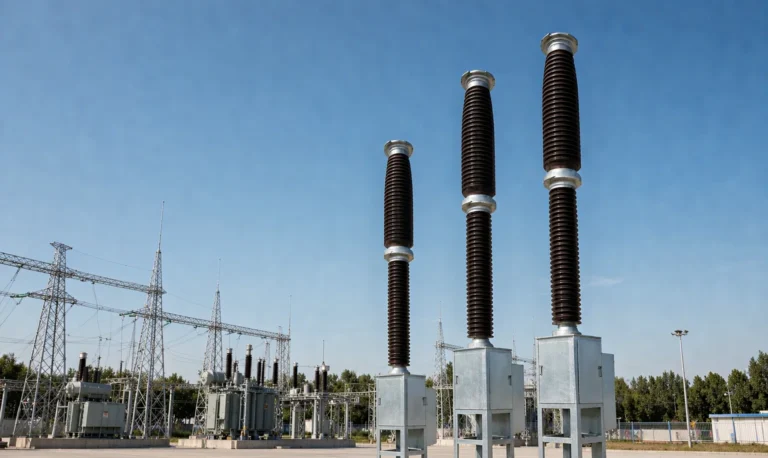
What the five LW-252 listings genuinely differ in, what split-type construction costs in foundations and transport, and where 252 kV beats 126 kV on total project cost.
The three numbers that decide a 35 kV order: what 2000 A is sized against, what the 0.5 MPa ladder buys you, and why 3000 mechanical operations are not 3000 interruptions.
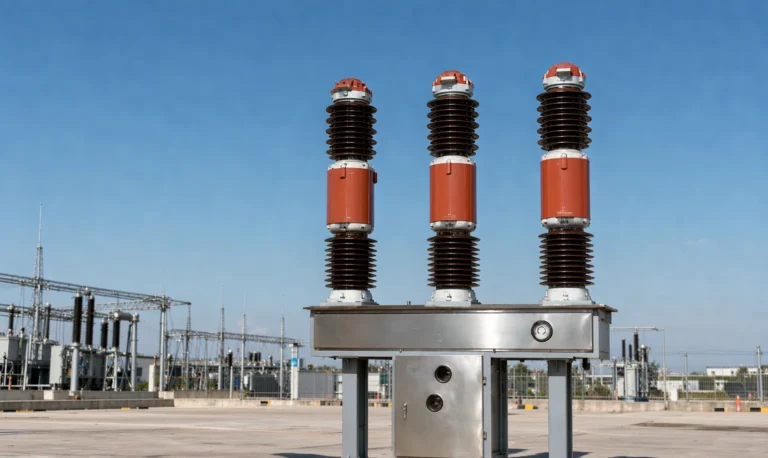
Five listings that look identical: the shared 40 kA platform, the insulation margin above the IEC 62271-1 floor, and the current rating and reclosing option that actually move the price.
The voltage window that removes the LVD, the EMC and RoHS routes, the ten-document technical file, the declaration elements auditors check, and the F-Gas dates that actually gate EU access.
The transport pressure window, shock limits, sea-freight moisture layers, the six-month storage clock and the unpacking checks that decide who pays for damage.