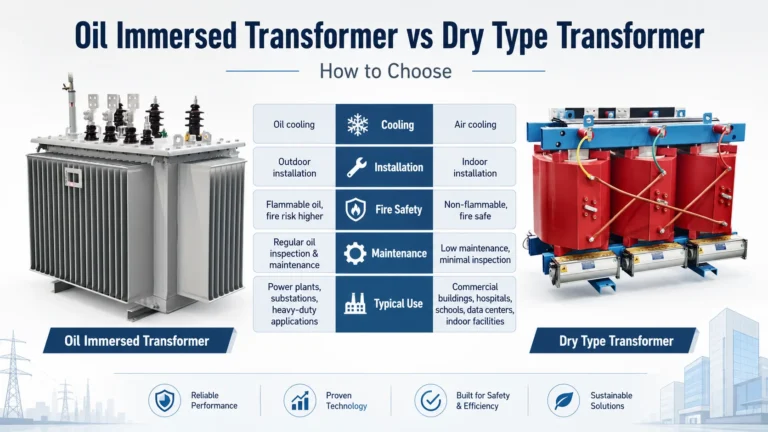
If you’ve ever wondered what makes a dry-type transformer tick, you’re in the right place. Dry-type transformer play a crucial role in many industrial and commercial applications. Unlike their oil-filled counterparts, these transformers rely on air or other cooling methods without the use of oil, making them safer and more environmentally friendly.
In this blog, we’ll take a deep dive into the main structural components of Dry-type Transformer. Understanding these parts can help you better appreciate their design, maintenance, and performance advantages. Plus, if you’re considering purchasing or specifying one for your facility, this guide will give you the insights you need to make an informed decision.
Overview of Dry-type Transformer Main Structures
At the core, a dry-type transformer consists of several essential components working together harmoniously:
Core (Iron Core)
Windings
Insulation System
Cooling System
Enclosure and Protection Structures
Auxiliary Accessories
Each of these elements plays a critical role in the transformer’s efficiency, safety, and durability. Let’s break down each component and see how they contribute to the overall operation.
Core (Iron Core)
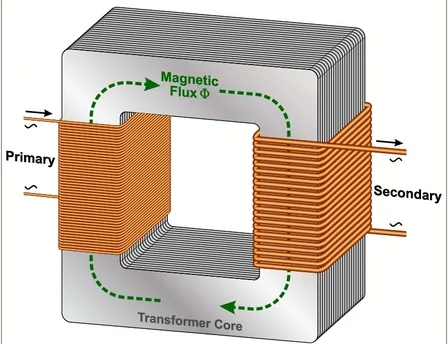
The heart of any transformer is its core. In a dry-type transformer, the core is made of laminated silicon steel sheets stacked to reduce energy losses caused by eddy currents.
Feature
Description
Material
High-grade silicon steel
Manufacturing
Laminated thin sheets
Purpose
Efficient magnetic conduction
Advantages
Low energy loss, reduced noise, lightweight design
Why laminations? Because stacking thin sheets separates electrical currents flowing within the core, cutting down on losses and improving efficiency. The design of the magnetic circuit is also optimized to reduce stray magnetic fields, which both reduces noise and prevents interference with nearby equipment.
For companies looking for a high efficiency dry-type transformer, the quality and design of the iron core are paramount. Remember, the core directly affects energy consumption and power output stability.
The windings are wrapped and insulated carefully, often using winding insulation technology like layered paper and impregnated resin systems. To keep the transformer safe even under tough conditions, modern transformers employ resin cast technology. This process involves encasing the windings in epoxy resin, providing excellent mechanical strength, moisture resistance, and thermal stability.
A well-designed winding structure aids in effective dry-type transformer cooling methods by allowing heat to escape efficiently through air channels or forced ventilation systems. If you want your transformer to last longer and maintain stable voltage output, pay attention to the quality of winding and insulation technology.
Insulation System
Dry-type transformers are famous for their oil-free insulation system. Instead of oil, they use insulating materials like epoxy resin in combination with insulating papers and films.
Insulation Material
Characteristics
Epoxy Resin
High mechanical strength, moisture resistant
Insulating Paper
Good electrical insulation
Polyester or Polyimide Films
Thermal resistance, flexibility
The resin cast insulation system applied in dry-type transformers ensures the winding is protected against moisture, dust, and mechanical vibration. This insulating system also defines the transformer’s thermal class rating, typically ranging from Class F (155°C) to Class H (180°C), meaning the transformers can safely operate at these temperatures without insulation breakdown.
This makes transformers ideal for environments requiring high reliability and safety like hospitals, commercial buildings, and factories.
In many cases, dry-type transformers feature integrated air channels and specially designed concrete or metal enclosures that help dissipate heat effectively. Efficient cooling is crucial because overheating can shorten the transformer’s life and reduce its performance.
By combining transformer cooling methods with monitoring sensors, users can ensure their transformers operate optimally under various load conditions.
Affordable price, huge discount!
Upgrade your power system today with reliable dry-type transformer! Contact us now for custom solutions and expert support.
The enclosure protects the delicate internal components from environmental hazards such as dust, water, and mechanical damage.
Feature
Description
Material
Steel or aluminum with powder coating
Protection
IP20 to IP54 ratings for dust and water resistance
Additional Safety
Fire retardant properties, shock absorption mounts
Some dry-type transformers include self-extinguishing enclosures to reduce fire risk, making them safe for indoor use. The enclosures also come with ventilation openings that maximize airflow while preventing foreign particles from entering.
If you are interested in transformer safety features, the enclosure design is a critical aspect to check before purchasing or installation.
Auxiliary Accessories
Transformers today are equipped with accessories to make installation, monitoring, and maintenance easier:
Terminal Blocks: Designed for secure and simple wiring connections.
Temperature Sensors: Real-time temperature monitoring helps avoid overheating.
Pressure Relief Devices: Protects the transformer against internal pressure buildups.
Vibration Absorbers: Reduce noise and mechanical stress.
These features show why modern dry-type transformers are easy to maintain and operate safely for extended periods.
Advantages and Market Trends of Dry-type Transformer
Why is the market for transformers booming?
Eco-friendly: No oil means no risk of leaks or soil contamination.
Low Maintenance: No need for oil changes or frequent checks.
Safety: Reduced fire hazards, excellent for indoor and underground use.
Energy Efficient: Less energy loss compared to older designs.
With increasing environmental regulations and demand for safer electrical equipment, dry-type transformers are rapidly replacing traditional oil-filled types.
The future holds innovations such as smart transformer featuring IoT sensors and enhanced cooling techniques to further improve reliability and efficiency.
FAQ
u003cstrongu003eWhat are the main structural components of a dry-type transformer?u003c/strongu003e
The core, windings, insulation system, cooling components, enclosure, and various auxiliary accessories make up the main structure
u003cstrongu003eHow does resin cast insulation technology benefit dry-type transformers?u003c/strongu003e
It enhances mechanical strength, moisture resistance, and thermal stability of the windings, leading to longer life and safer operation.
u003cstrongu003eWhat cooling methods are common in dry-type transformers?u003c/strongu003e
Natural air cooling (AN) and forced air cooling (AF) are the two main types, chosen based on transformer size and application needs.
u003cstrongu003eAre dry-type transformers safe to operate indoors?u003c/strongu003e
Yes, their oil-free design and fire-retardant enclosures make them ideal for indoor use in commercial and industrial settings.
u003cstrongu003eWhat industries benefit most from dry-type transformers?u003c/strongu003e
Hospitals, commercial buildings, factories, and places with limited space and high safety requirements gain significant advantages.
If you build, retrofit, or service CNC lathes, machining centers, or any automated production line, the control transformer you specify decides whether the cabinet powers up cleanly or trips at every cycle. This guide walks procurement engineers, panel builders, and OEMs through how to select and size a CNC machine tool control transformer with confidence […]
When buyers ask me whether an Oil Type Single Phase Transformer is still worth serious attention in a market full of bigger systems and louder marketing, my answer is simple: absolutely. In real distribution work, especially in rural lines, light commercial loads, street lighting, remote facilities, and utility edge networks, the right single-phase unit is […]