Dry-type Transformer analysis of the main type an difference
Published: Author: Hairui Electric
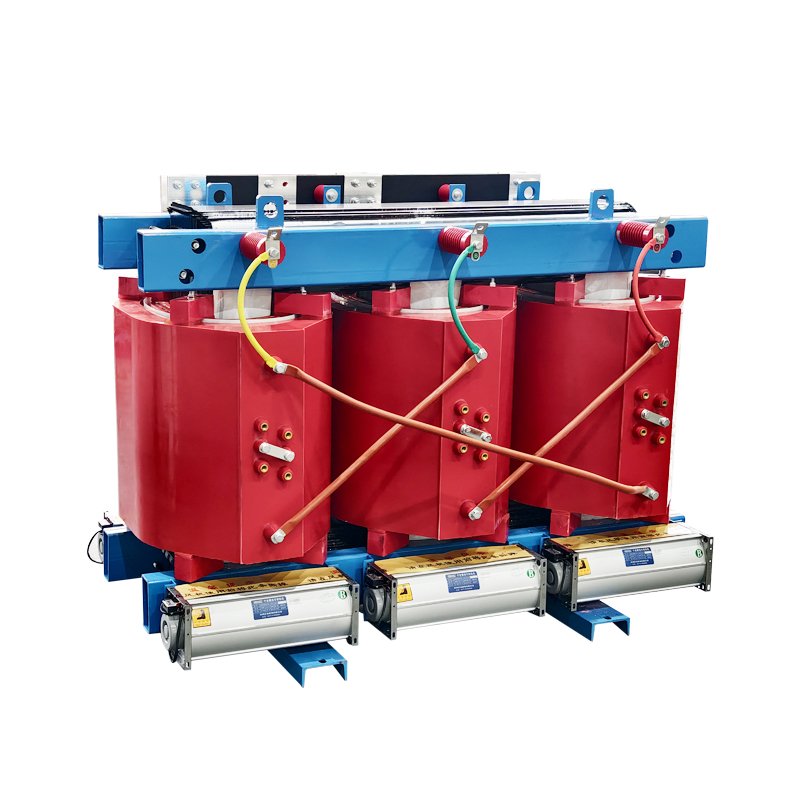
A dry-type transformer is a power transformer that does not use liquid insulation. Instead, it uses air or solid insulation materials, with coils encapsulated in epoxy resin or vacuum pressure impregnated for safety, environmental friendliness, and easy maintenance.
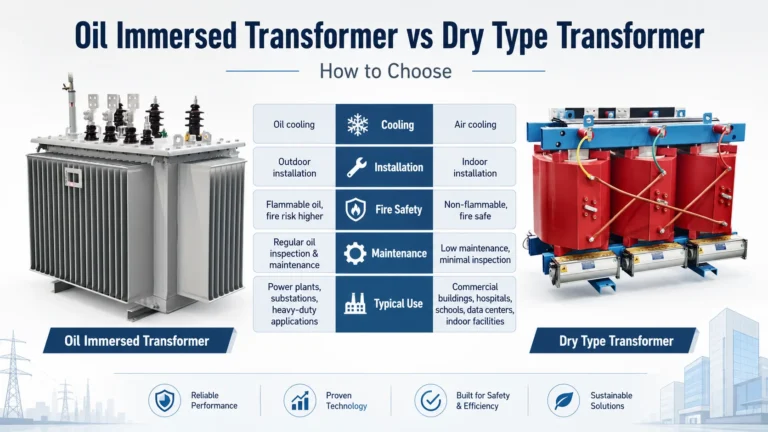
Compared to traditional oil-immersed transformers, dry-type offer significant advantages such as being non-flammable, leak-free, and highly safe, making them especially suitable for buildings, high-rises, data centers, and environments with strict environmental requirements.
Main Types and Structure of Transformer
Cast Resin Dry-type Transformers The most common type, utilizing epoxy resin to fully encapsulate the coil, providing excellent protection against dust, moisture, and mechanical impacts, as well as superb fire resistance. Ideal for indoor use.
Vacuum Pressure Impregnated (VPI) Dry-type Transformers Manufactured by vacuum and pressure to impregnate insulation deeply into the coil, enhancing insulation performance and durability. Suitable for harsh industrial environments.
Open Winding Dry-type Transformers Coils are not fully encapsulated, which facilitates cooling and is used in applications with high heat dissipation needs.
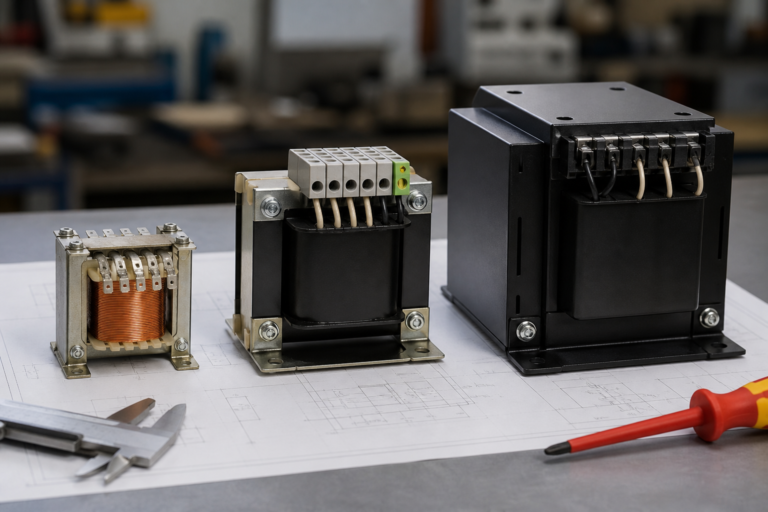
Isolation Dry-type Transformers Used for electrical isolation and enhanced safety, often found in medical devices or industrial electronics requiring interference separation.
Autotransformers Compact design used for voltage regulation and energy-saving scenarios.
Each type differs in design, insulation method, and application, making it important to choose based on specific needs and environments.
Technical Parameter Comparison Table of Dry-type Transformer
Ensure good ventilation to avoid high temperature and humidity.
Regularly check insulation and terminal connections to prevent poor contacts.
Keep the transformer surfaces clean to avoid dust buildup affecting heat dissipation.
Follow strict safety procedures to avoid direct contact with live parts.
From industrial plants to commercial buildings and high-tech data centers, dry-type transformers greatly improve safety, environmental friendliness, and operational efficiency. Their oil-free design guarantees safe use and aligns with modern green energy trends.
As a professional dry-type transformer manufacturer, we focus on quality products and customer service. Contact us for expert solutions and enjoy stable, reliable power supply to drive your business growth.
With rising green regulations, the transformer market continues to expand. Smart transformers integrating IoT enable remote monitoring and intelligent maintenance, improving efficiency. Advances in materials and manufacturing further drive product upgrades and energy savings.
FAQ
Q: In which environments are dry-type transformers suitable?
Suitable for office buildings, high-rises, subways, hospitals, and other places with high safety and environmental requirements.
Q: How do dry-type transformers compare in price to oil-immersed transformers?
Initial investment is slightly higher, but operating safety and maintenance costs are lower, offering better overall cost-effectiveness.
Q: How long is the typical lifespan of a dry-type transformer?
With proper installation and maintenance, lifespan can exceed 30 years.
If you build, retrofit, or service CNC lathes, machining centers, or any automated production line, the control transformer you specify decides whether the cabinet powers up cleanly or trips at every cycle. This guide walks procurement engineers, panel builders, and OEMs through how to select and size a CNC machine tool control transformer with confidence […]
When buyers ask me whether an Oil Type Single Phase Transformer is still worth serious attention in a market full of bigger systems and louder marketing, my answer is simple: absolutely. In real distribution work, especially in rural lines, light commercial loads, street lighting, remote facilities, and utility edge networks, the right single-phase unit is […]