Product Overview
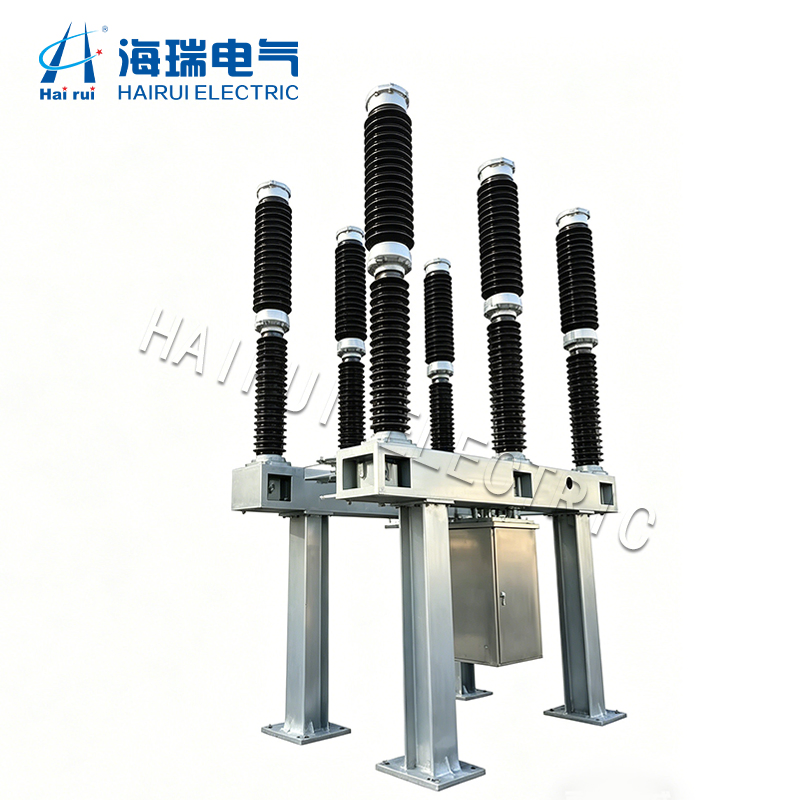
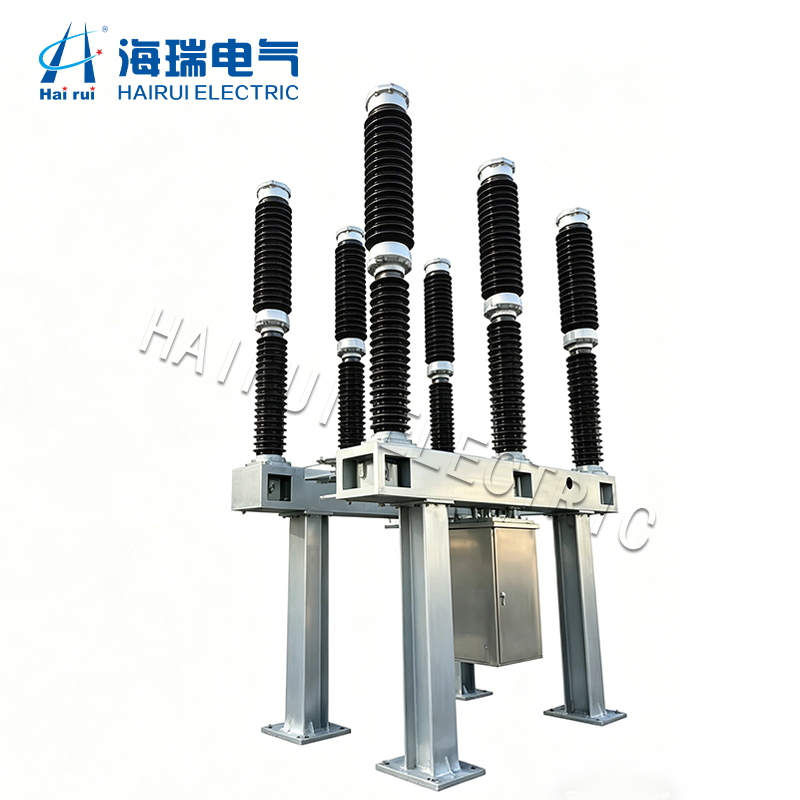
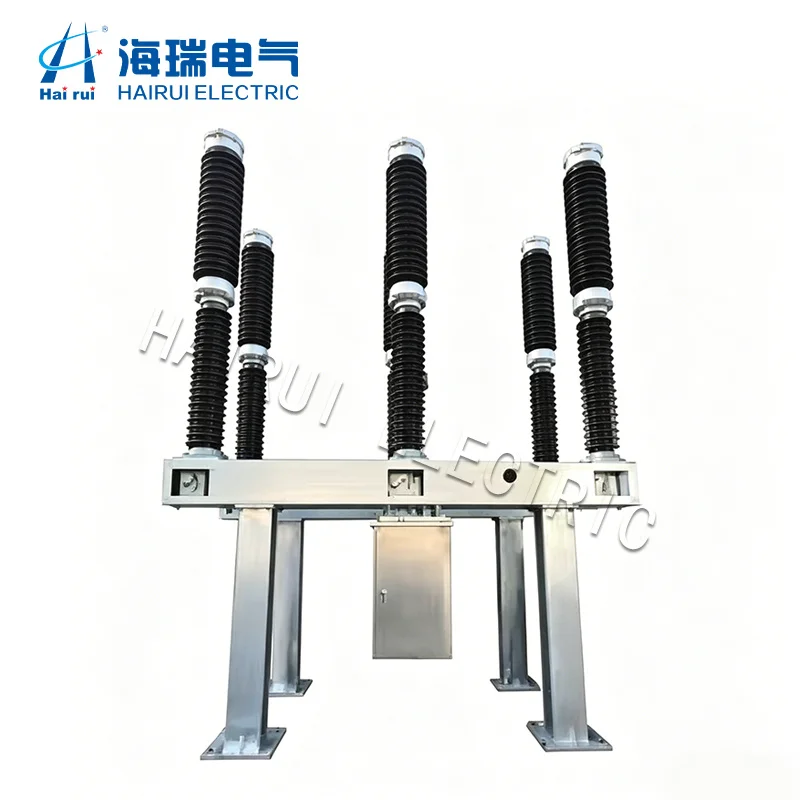
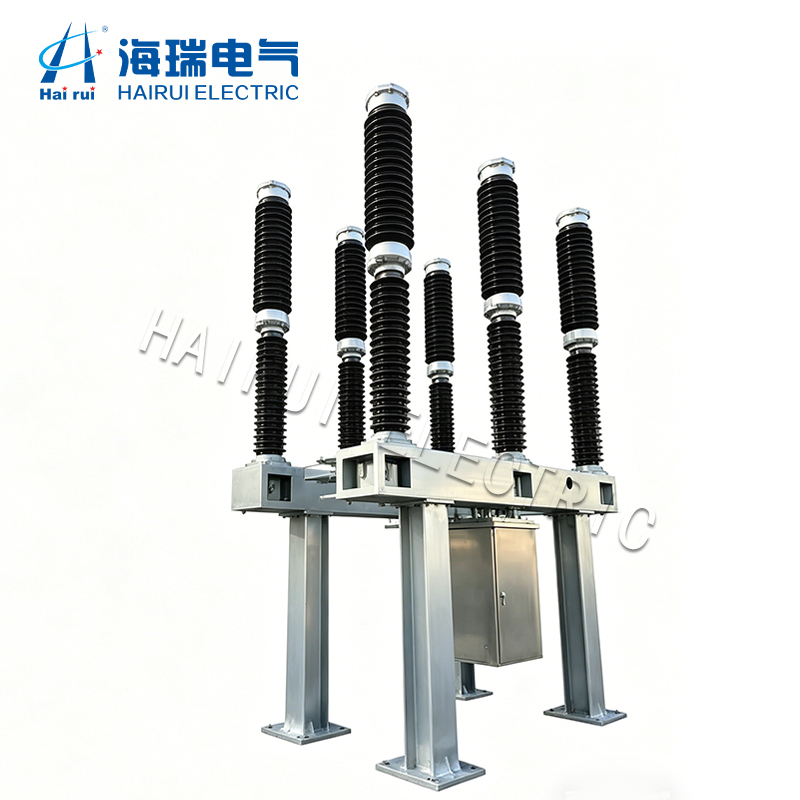
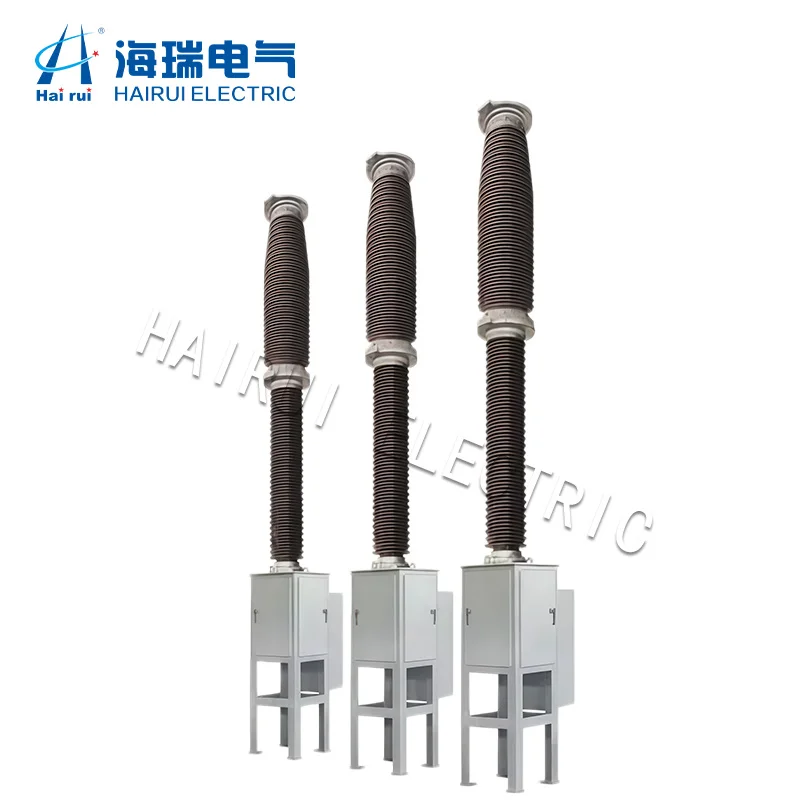
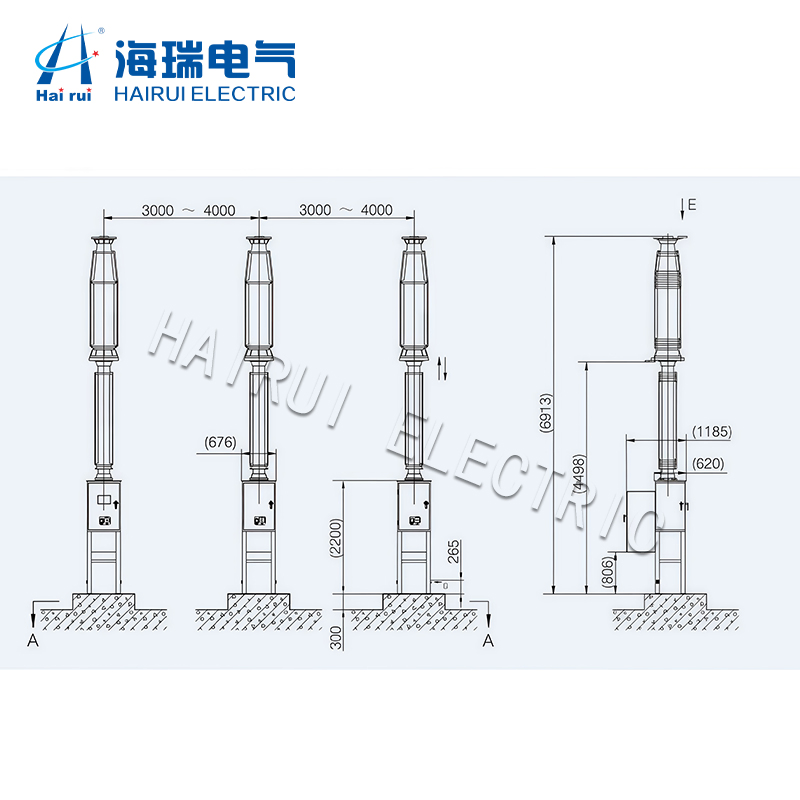
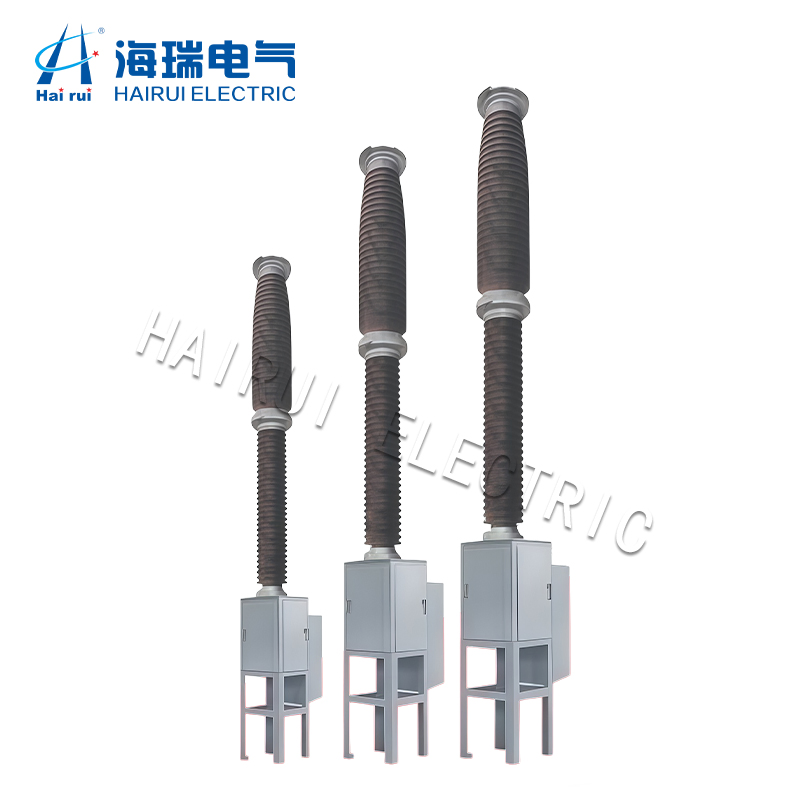
Two insulation tests describe a 220 kV breaker, and only one of them is performed on every unit that leaves the factory. The LW-252 is built to 460 kV power frequency withstand for one minute and 1050 kV lightning impulse, with 460 + 146 kV and 1050 + 206 kV across the open break — a split-type outdoor SF6 breaker, 4000 A, 50 kA, six interrupter columns on two base frames.
The power frequency test is the one the buyer receives evidence for on their own unit. The impulse test is a design qualification performed once on a representative assembly. That difference matters when a project asks for “test certificates” without saying which test, and this page is about the 460 kV figure and what it actually proves.
What the 460 kV Test Proves
| Test | Value | What it demonstrates | Applied to |
| Power frequency withstand, 1 min, to earth | 460 kV | Insulation of the columns and phase-to-earth clearances under sustained overvoltage | Every unit — routine test |
| Power frequency withstand, across the break | 460 + 146 kV | Strength of the open contact gap with one side energised | Every unit — routine test |
| Lightning impulse withstand, 1.2/50 µs | 1050 kV / 1050 + 206 kV | Surge strength to earth and across the open break | Type test on a representative assembly |
The power frequency test is a proof test rather than a measurement. It stresses the insulation for sixty seconds at a level well above operating voltage and either the unit holds or it does not — there is no partial result to interpret. That is why it can be applied to every breaker, and why the routine test report that ships with a 220 kV unit is evidence about that unit rather than about the design.
What it does not prove is surge performance. A sixty-second power frequency test says nothing about how the insulation behaves under a 1.2/50 µs wavefront, which is a different stress with a different failure mechanism. Projects sometimes treat a passing routine test as overall insulation evidence; it is not, and the impulse type test report is the document that covers the rest.
The other thing the 460 kV figure does not cover is pollution. Power frequency withstand is declared for a clean, dry surface. A coastal or industrial site with heavy deposition loses effective creepage long before it loses dielectric strength through the gas, so creepage distance and shed profile are specified separately and verified by a different test. See pollution class and salt spray selection.
And the 460 + 146 kV across-break value deserves its own line in the specification. With six columns and two chambers per pole, the open gap is long, and the voltage distribution between the two chambers is a property of the interrupter design rather than a simple halving. A routine test that only applies voltage to earth would leave that distribution unverified.
Key Features
- 460 kV power frequency withstand: one-minute routine test on every unit, with the certificate issued against the serial number.
- 460 + 146 kV across the break: the open-gap test that verifies voltage distribution between the two chambers of each pole.
- 1050 kV impulse / 1050 + 206 kV across the break: the surge qualification, evidenced by type test report.
- Split-type construction: two chambers in series per pole, six columns, so the recovery voltage per chamber is halved.
- 50 kA breaking, 125 kA peak, 4000 A: the current side of the same unit, with 50 kA short-time withstand.
- Six 3.5 m column cases: each column shipped and replaced as a 450 kg unit, which keeps a failed column from becoming a full pole lift.
- Spring mechanism: motor-charged closing springs with mechanically latched trip energy, ganged across all six columns.
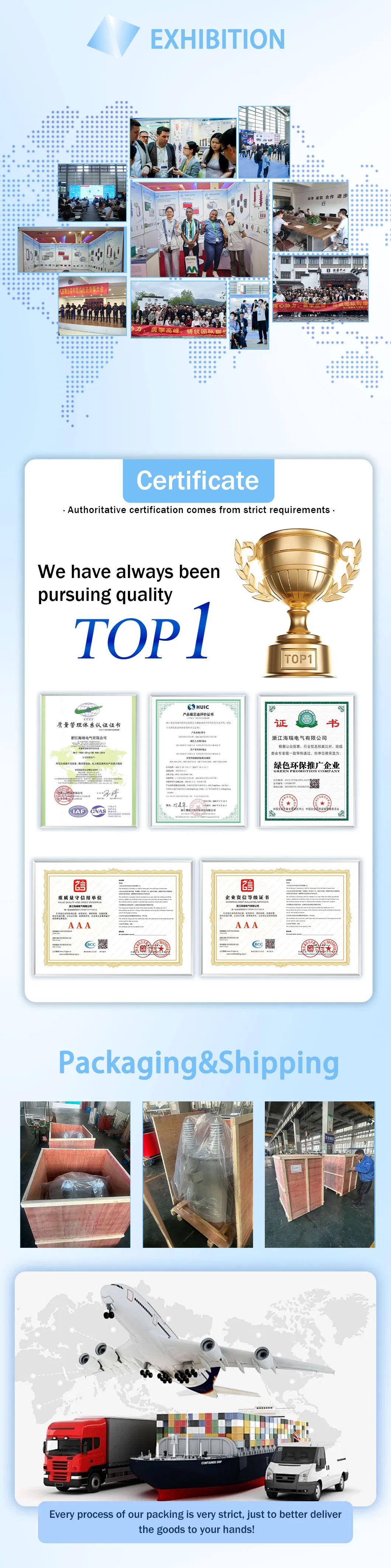
- ISO 9001 quality management, 12-month warranty, MOQ 1 piece, OEM/ODM: routine test report and type test reports supplied with the offer on request.
Technical Specifications
Standard build. The two power-frequency values are design-fixed; creepage class, frame height and ambient range are selected against the site.
| Model | LW-252 |
| Type | Outdoor, live-tank, split-type (two interrupter columns per pole), three-pole SF6 circuit breaker |
| Rated voltage | 252 kV (220 kV system) |
| Rated current | 4000 A |
| Rated frequency | 50 Hz |
| Rated short-circuit breaking current | 50 kA |
| Rated short-time withstand current | 50 kA (duration stated on the type test report) |
| Rated peak withstand / making current | 125 kA |
| Power frequency withstand, 1 min, to earth | 460 kV |
| Power frequency withstand, across the break | 460 + 146 kV |
| Lightning impulse withstand, 1.2/50 µs, to earth | 1050 kV |
| Lightning impulse withstand, across the break | 1050 + 206 kV |
| Interrupter columns | 6 (two in series per pole) |
| Operating mechanism | Spring, motor-charged |
| Number of poles | 3, ganged |
| Installation | Outdoor, fixed on concrete foundation |
| Net weight | approx. 3800 kg |
| Transport packing | Sea-worthy plywood cases, approx. 4400 kg packed |
| Standards | IEC 62271-100 / GB 1984 (type test reports on request) |
| Certification | ISO 9001 quality management system |
| Warranty | 12 months |
| MOQ | 1 piece |
| Origin | Zhejiang, China |
One practical note on reading the certificate: the test voltage is applied between phases and earth, and between the open contacts, at a defined gas density. If a unit is tested at a lower density than the rated fill, the number on the certificate may still be 460 kV but the condition is not the same — check the density recorded on the report before comparing two suppliers’ certificates.
What the Test Level Means at 220 kV
The 460 kV level is the class envelope, so it does not vary between projects. What varies is how much of it survives the site.
Southeast Asia: wet surfaces and salt
In Indonesia, Malaysia, Thailand, Vietnam and the Philippines the 460 kV figure is tested dry and clean; the columns spend their service life wet and contaminated. Coastal substations lose effective creepage within a few seasons, and the answer is shed profile and creepage distance, not a higher test voltage. Washing routines are part of the maintenance plan for the same reason.
Africa: dust before the rains
In Nigeria, Kenya, Tanzania and Zambia a long dry season deposits dust on every shed, and the first heavy rain converts it into a conductive film. That is the moment when a clean-surface test certificate stops describing the installation, and the reason commissioning checks include insulation resistance and, on some projects, a wet test.
Central Asia: altitude and ice
Above 1000 m the external clearance has to grow, and the power-frequency strength of air falls with it. Winter adds ice loading and, at around −5 °C, a wet surface that behaves nothing like the dry test condition. Mountain substations in Tajikistan and Kyrgyzstan need both corrections applied to the layout.
Middle East: heat and deposition
Iraqi, Saudi, Emirati and Omani yards run at 50 °C with sand settling on horizontal surfaces. The 460 kV value is unaffected by ambient, but the surface condition in service is not, which is why cleaning access and shed design belong in the specification alongside the voltage level.
CIS: inspection and evidence
In Russia, Belarus, Azerbaijan and Uzbekistan the routine test certificate is a required document for acceptance, and inspectors compare it against the same standard as the design documents. Having the 460 kV / 460 + 146 kV evidence in the same package as the drawings shortens acceptance.
Packing, Shipping Weight and Foundation Data
Six porcelain columns travel in six cases, which is the practical reason the packing specification matters more at 220 kV than at 110 kV. The 252 kV figures below are its own; the 126 kV column is shown for scale.
| 126 kV / 110 kV system (LW36-126) | 252 kV / 220 kV system (LW-252) | |
| Interrupter columns shipped | 3 | 6 |
| Net weight | 1900 kg | approx. 3800 kg |
| Total shipping weight, packed | 2200 kg | approx. 4400 kg |
| Column packing | 3 cases, 3500 × 740 × 650 mm, 450 kg each | 6 cases, 3500 × 740 × 650 mm, 450 kg each |
| Base frame packing | 3880 × 700 × 2350 mm, 850 kg | 2 base cases, approx. 1700 kg total |
| Dynamic load, upward / downward | 24 kN | 24 kN per foundation |
| Height difference between the two foundation surfaces | ≤ 2 mm | ≤ 2 mm |
| Levelness of each foundation surface | ≤ 2 mm | ≤ 2 mm |
| Recommended container | 1 × 20 GP | 1 × 40 HQ or 40 FR |
The doubling is structural: two columns per pole give six column cases, two base frames give two base cases, and the assembly needs a 40 HQ or 40 FR rather than a 20 GP. Loading from Ningbo or Shanghai, EXW through DAP. Invoice, packing list, bill of lading, certificate of origin, routine test report and IEC 62271-100 declaration travel with the goods.
Price Guide
Indicative RMB prices, standard builds, ex-works Zhejiang, current as of 2026 — a budget reference rather than a quotation.
| Voltage class | Reference model | Interrupter columns | Indicative price |
| 40.5 kV (35 kV system) | LW8-40.5 | 3 | approx. RMB 40,000 |
| 72.5 kV (66 kV system) | LW9-72.5 | 3 | approx. RMB 75,000 |
| 126 kV (110 kV system) | LW36-126 | 3 | approx. RMB 80,000 |
| 252 kV (220 kV system) | LW-252 | 6 | approx. RMB 160,000 |
The power-frequency level is fixed by the voltage class, so it costs the same whichever supplier builds it — the differences between quotations at 220 kV sit in creepage class, frame and accessory content, and freight. That is the part worth comparing line by line rather than on the headline price.
Included: breaker, two base frames, gas density monitor, foundation bolts, gas filling per contract and an English O&M manual. Quoted separately: spare columns, spare SF6 cylinders, disconnectors, current transformers, surge arresters, special creepage bushings, witness testing and third-party inspection. Typical terms are 30% deposit with order and the balance against a copy of the bill of lading, with L/C at sight for container volumes. Cost structure is in SF6 circuit breaker price and cost drivers.
Ordering: What to Send in the Inquiry
For a test-evidence-led specification, say which tests you need witnessed and which certificates you need issued:
- Routine test evidence — whether the power-frequency test report must be in a specific format or language.
- Type test reports — impulse and across-break tests, and whether a third party must verify them.
- Witness testing — which tests the buyer or their inspector will attend at works.
- Pollution class and altitude — the corrections that determine creepage and clearance.
- Continuous load and fault level — in amperes or MVA, and the fault study figure.
- Ambient range — for cold, ice and heat effects on the external insulation.
- Destination port and Incoterm — EXW, FOB, CFR, CIF or DAP.
- Documentation language and package — Russian, English or both, and the drawing set required.
Minimum order is one piece. The commercial sequence is in how to buy SF6 circuit breakers from a manufacturer; the surge side of the same breaker is on the LW-252 1050 kV page.
FAQ
What is the power-frequency withstand voltage of this breaker?
The rated power-frequency withstand voltage is 460kV to earth, and 460kV + 146kV across the fracture (between open contacts), as listed in the specification table.
Why does power-frequency withstand matter?
It proves the insulation system can hold off steady and momentary overvoltages at operating frequency, which is fundamental to safe, reliable long-term service at 252kV.
What fault ratings does the breaker carry?
It has a 50kA rated short-circuit breaking current, 50kA short-circuit withstand current, and 125kA rated peak withstand current.
What is the continuous current rating?
The rated current is 4000A at a rated voltage of 252kV and rated frequency of 50Hz.
Is the breaker certified and customizable?
Yes. Manufacturing is ISO 9001 certified, customization and OEM/ODM service are available, and each unit carries a 12-month warranty from HaiRui.
Is the 460kV power frequency test done on every breaker?
Yes. It is a one-minute routine test applied to every unit, to earth and across the open break. The 1050kV lightning impulse test is a type test performed on a representative assembly, and both reports can be supplied.
How much does a 252kV SF6 circuit breaker cost?
The LW-252 is approximately RMB 160,000 ex-works Zhejiang for a standard build. For reference: 40.5kV about RMB 40,000, 72.5kV about RMB 75,000 and 126kV about RMB 80,000. Final price depends on creepage class, frame height, package scope and freight term.
What is the shipping weight and how is the breaker packed?
The LW-252 is about 3800kg net and 4400kg packed, in eight cases: six column cases of 3500 x 740 x 650mm at 450kg each and two base cases totalling about 1700kg. The assembly needs a 40 HQ or 40 FR container.
What is the MOQ and what documentation comes with the shipment?
MOQ is 1 piece, with OEM/ODM configuration of creepage class, frame height, auxiliary contacts and documentation language. Documents include invoice, packing list, bill of lading, certificate of origin, routine test report and IEC 62271-100 declaration.
Request Quote
Tell us your specifications, quantity, or application scenario and we will reply with a tailored quote.