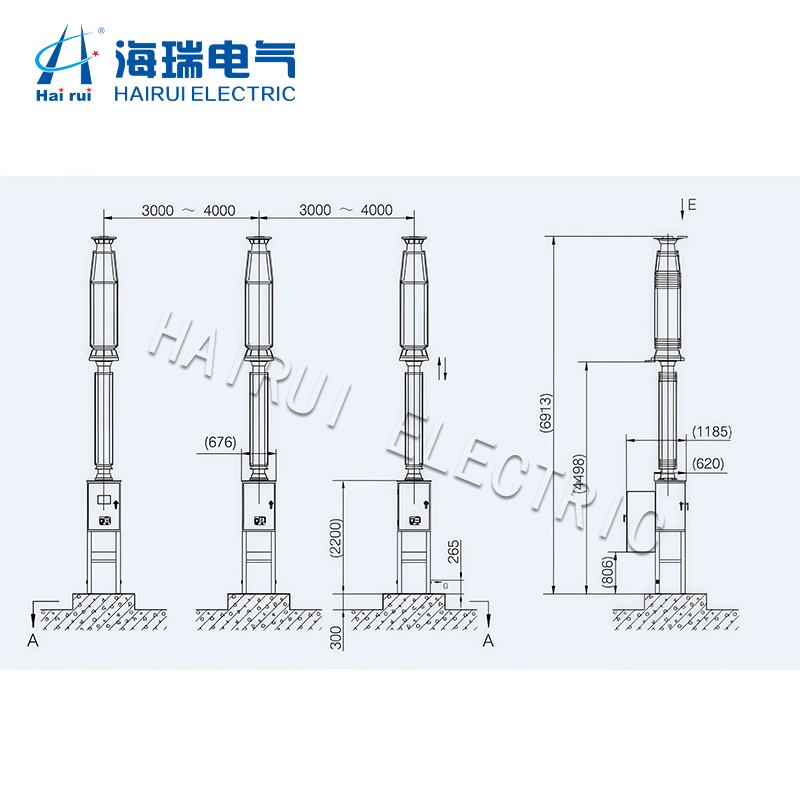
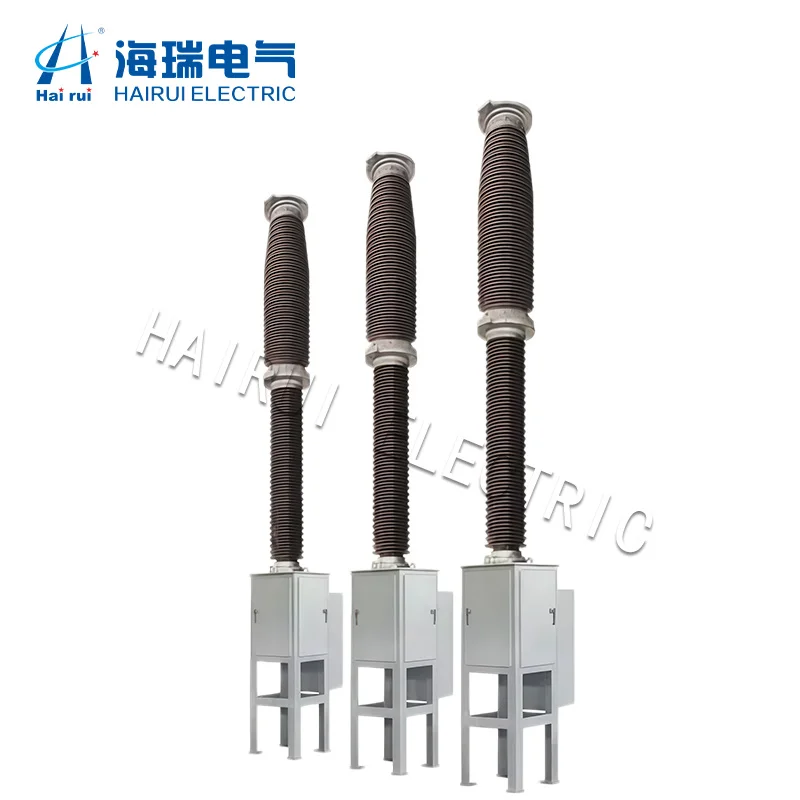
Product Overview
“Customized” is the least useful word in a 220 kV inquiry until it is turned into a list. Every breaker is customized in some sense — terminal height, nameplate language, paint system — and almost nothing that matters electrically can be. The LW-252 is a split-type outdoor SF6 breaker rated 252 kV, 4000 A, 50 kA, with 460 kV power frequency and 1050 kV impulse withstand; this page sets out which parts of a project specification we can absorb into that design, which are fixed by the type test, and how to write an inquiry that gets what you actually need.
The distinction is worth taking seriously because the expensive mistake in a 220 kV order is not a wrong option — it is asking for something in the “custom” column that belongs in the “type-tested” column, and discovering at the drawing approval stage that it means a new design programme rather than a configuration.
Three Columns: Fixed, Configured, Type-Tested
| Item | Status | What it means in practice |
| Rated voltage 252 kV, insulation 460 / 1050 kV | Fixed by design | The class envelope; it does not move for a project |
| Breaking capacity 50 kA, 125 kA peak | Fixed by design | Proven by type test; a higher figure is a different interrupter |
| Rated current 4000 A | Fixed by design | Current path and terminals sized for it |
| Creepage distance and shed profile | Configured at order | Selected against pollution class; changes the column specification, not the class |
| Frame height and terminal arrangement | Configured at order | Set by the layout drawing; the civil interface follows |
| Current transformers, disconnectors, arresters on the frame | Configured at order | Package scope; quoted as part of the bay rather than the breaker |
| Auxiliary contacts, trip coils, density relay wiring | Configured at order | Matched to the protection drawings |
| Paint system, galvanising, nameplate, manual language | Configured at order | The items that make a unit acceptable at acceptance rather than at tender |
| Ambient range (heaters, low-temperature lubrication) | Configured at order, within limits | Stated against the recorded site minimum and maximum |
| Altitude, seismic anchorage | Configured, then checked | Above 1000 m or in a seismic zone the clearance and anchorage are recalculated, and the outline drawing changes |
| Higher breaking capacity or current | New type test | A different interrupter programme, not a configuration |
The bottom row is the one that causes schedule damage. A project that discovers late that it needs 63 kA, or 5000 A, is not ordering a customized LW-252 — it is ordering a breaker that does not exist yet, and the type test programme is measured in months. That conversation is worth having at the inquiry stage rather than after the purchase order.
The middle rows are where most real customization lives, and they are cheap because they change drawings rather than hardware. Terminal height, frame height, the drilling pattern of the terminal pads, whether the arresters sit on the frame or on a separate structure, and how many auxiliary contacts are wired out — all of these are drawing decisions. They do need to be settled before the outline drawing is frozen, because changing them later means re-cutting steel.
One item deserves separate mention: creepage. At 220 kV, with six columns, the total creepage surface is six times what a 110 kV breaker carries, and specifying pollution class IV instead of III adds length to every one of them. It is the single configuration decision with the largest effect on both price and freight, and it is the one most often left as “standard” until the coastal site is discovered at commissioning.
Key Features
- Configuration-led customization: creepage, frame height, terminal arrangement, monitoring contacts and documentation set to the project drawing.
- Type-tested core: 252 kV, 50 kA, 125 kA peak, 460 kV / 1050 kV insulation — unchanged by configuration, so the type test evidence applies to the unit supplied.
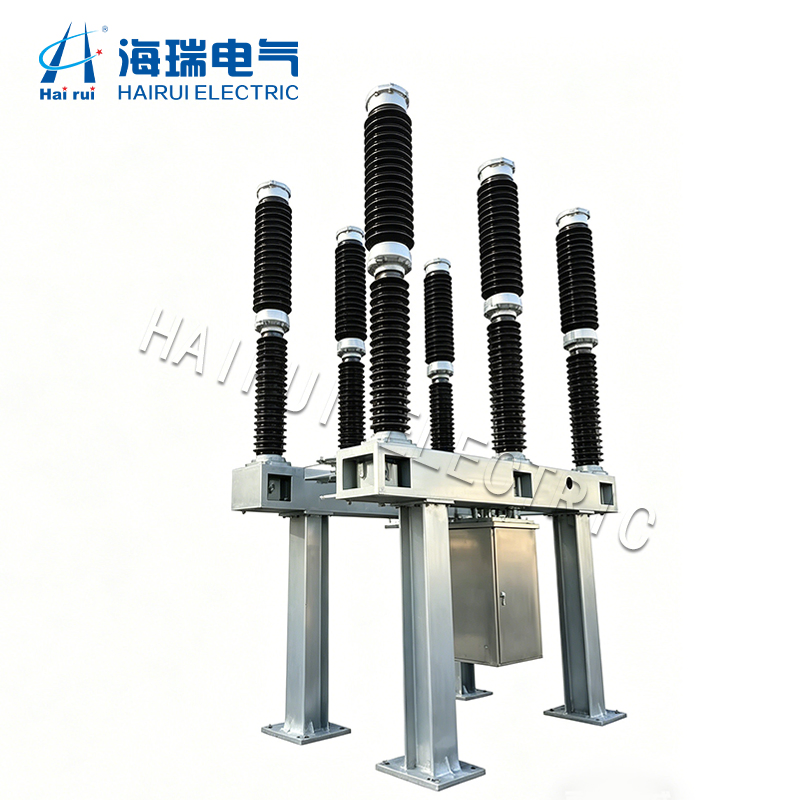
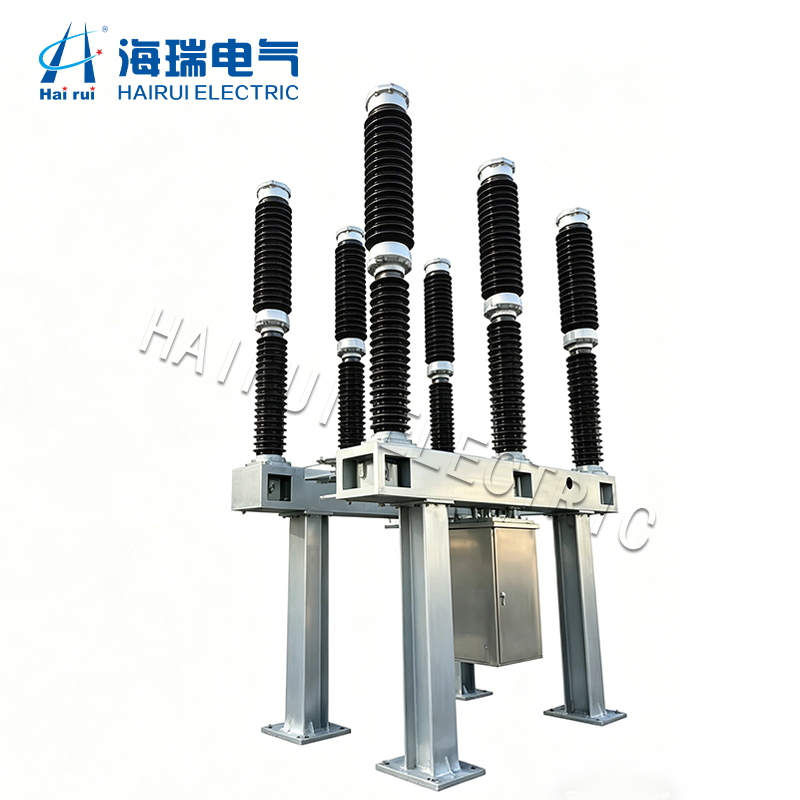
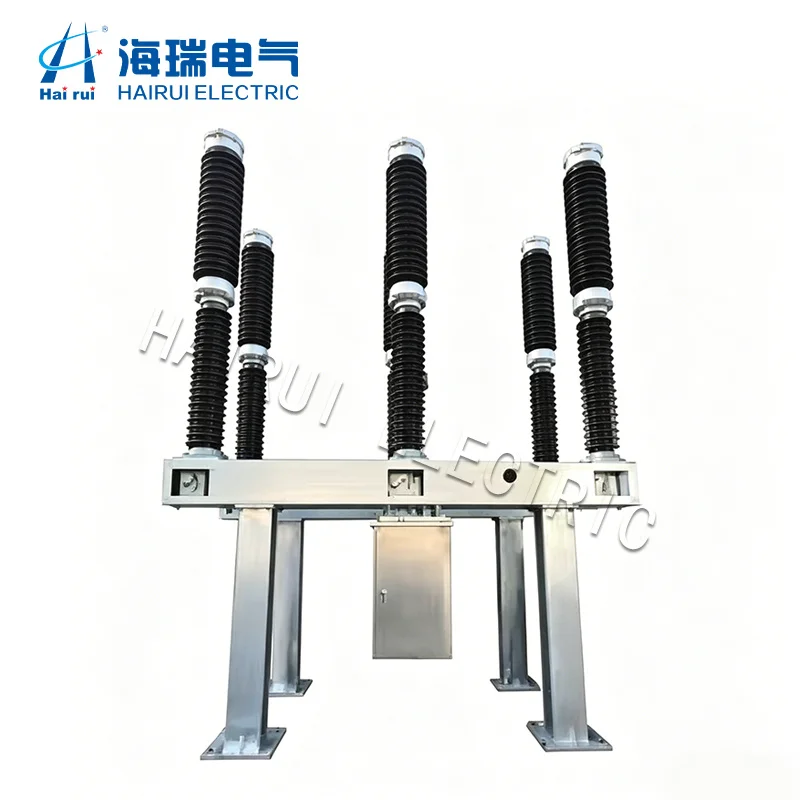
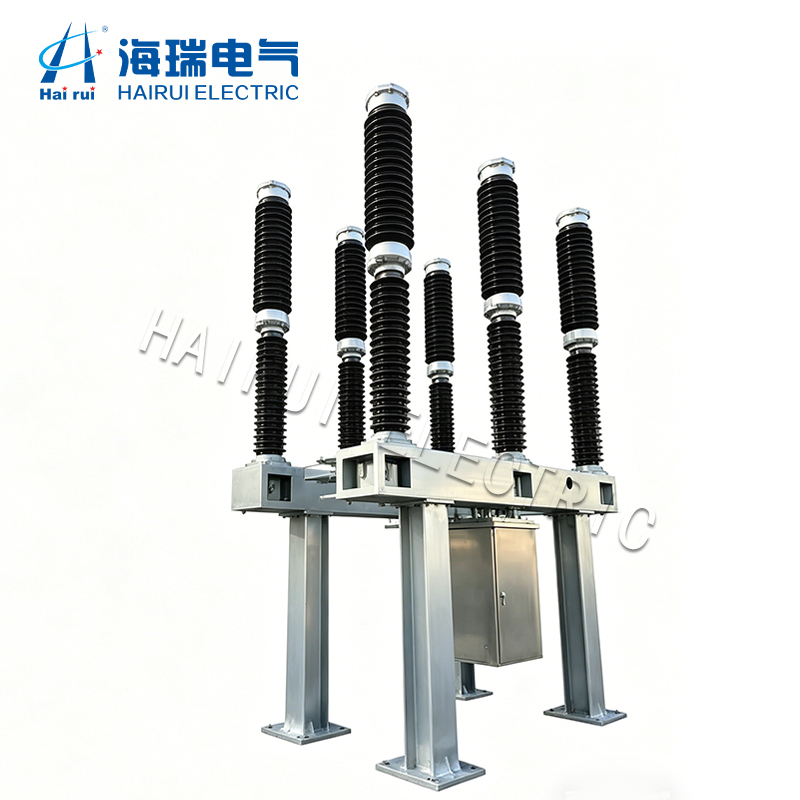
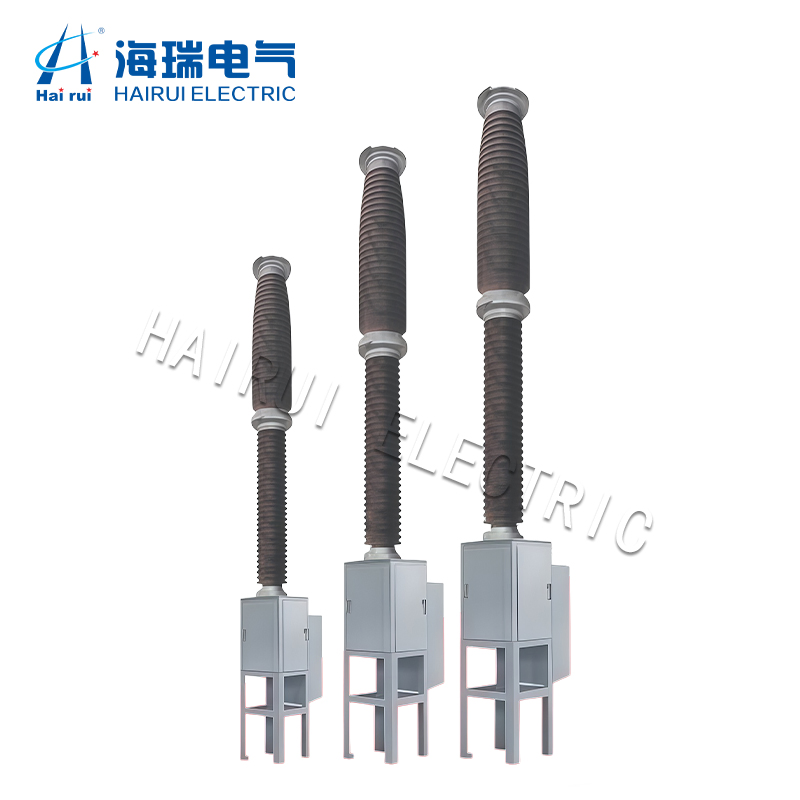
- Split-type construction: six interrupter columns, two chambers in series per pole, two base frames.
- Package options on the same frame: current transformers, disconnectors and surge arresters integrated or mounted separately, quoted as a bay.
- Auxiliary interface to the plant drawings: 52a/52b contacts, second trip coil, density relay contacts to SCADA.
- Cold and hot climate configuration: lubrication, heaters and paint system selected against the recorded site extremes.
- Altitude and seismic recalculated, not assumed: clearance and anchorage revised above 1000 m or in a seismic zone, with the revised drawing issued for approval.
- ISO 9001 quality management, 12-month warranty, MOQ 1 piece: one unit is a normal order, and the drawing approval loop runs the same way for one as for ten.
Technical Specifications
The table describes the standard build. Everything in the “configured at order” column above appears on the outline drawing, and the drawing is what both sides approve before steel is cut.
| Model | LW-252 |
| Type | Outdoor, live-tank, split-type (two interrupter columns per pole), three-pole SF6 circuit breaker |
| Rated voltage | 252 kV (220 kV system) |
| Rated current | 4000 A |
| Rated frequency | 50 Hz |
| Rated short-circuit breaking current | 50 kA |
| Rated short-time withstand current | 50 kA (duration stated on the type test report) |
| Rated peak withstand / making current | 125 kA |
| Power frequency withstand, 1 min, to earth | 460 kV |
| Power frequency withstand, across the break | 460 + 146 kV |
| Lightning impulse withstand, 1.2/50 µs, to earth | 1050 kV |
| Lightning impulse withstand, across the break | 1050 + 206 kV |
| Interrupter columns | 6 (two in series per pole) |
| Operating mechanism | Spring, motor-charged |
| Number of poles | 3, ganged |
| Installation | Outdoor, fixed on concrete foundation |
| Net weight | approx. 3800 kg |
| Transport packing | Sea-worthy plywood cases, approx. 4400 kg packed |
| Standards | IEC 62271-100 / GB 1984 (type test reports on request) |
| Certification | ISO 9001 quality management system |
| Warranty | 12 months |
| MOQ | 1 piece |
| Origin | Zhejiang, China |
Two configuration items have a direct effect on the table. Low-temperature configuration can change the mechanism lubrication and add heaters, which affects the auxiliary supply requirement; altitude changes external clearance, which appears as a taller or wider unit on the drawing rather than as a different rating. Neither changes the insulation class or the breaking capacity.
How Customization Goes Wrong, and Where
The failure pattern is consistent across the regions we serve, though the specific item differs.
Africa: the site conditions arrive late
In Nigeria, Kenya, Tanzania and Zambia the breaker is often ordered before the compound layout is final, and terminal height, cable trench position and arrester location are settled afterwards. Every one of those is a drawing item, so the cost of late information is a revision rather than a redesign — but only if it arrives before the frame is fabricated. Sending the layout with the inquiry is the cheapest thing a buyer can do.
Southeast Asia: creepage specified as an afterthought
Indonesian, Malaysian, Thai, Vietnamese and Philippine projects frequently specify pollution class after the breaker price has been agreed, and discover that moving from class III to class IV adds length to six columns. Creepage belongs in the first inquiry, with the distance to the coast and the local industrial sources stated.
Central Asia: altitude discovered at the drawing stage
Kazakhstan, Uzbekistan, Tajikistan and Kyrgyzstan projects occasionally specify a standard-clearance unit for a substation above 1500 m. The correction changes the external clearance and the drawing, not the interrupting capability, so it is fixable — but only before fabrication. State the altitude in metres in the inquiry, not “mountain site”.
Middle East: heat and auxiliary supply
Iraqi, Saudi, Emirati, Omani and Jordanian projects run at 50 °C and often specify a DC auxiliary supply that differs from the standard. Both are configuration items: the heaters, the lubrication and the spring-charge motor duty are set against the site maximum, and the trip circuits against the station battery.
CIS: documentation is part of the configuration
In Russia, Belarus, Azerbaijan and Uzbekistan the Russian-language manual, the stamped drawing set and the certificate format are configuration items in their own right. A technically correct breaker with the wrong documentation package fails acceptance just as effectively as a wrong rating.
Packing, Shipping Weight and Foundation Data
Configuration affects freight more than any other item on this page: creepage class and frame height change the column cases, and the case count is what the forwarder quotes against. The 252 kV figures below are for the standard build.
| 126 kV / 110 kV system (LW36-126) | 252 kV / 220 kV system (LW-252) | |
| Interrupter columns shipped | 3 | 6 |
| Net weight | 1900 kg | approx. 3800 kg |
| Total shipping weight, packed | 2200 kg | approx. 4400 kg |
| Column packing | 3 cases, 3500 × 740 × 650 mm, 450 kg each | 6 cases, 3500 × 740 × 650 mm, 450 kg each |
| Base frame packing | 3880 × 700 × 2350 mm, 850 kg | 2 base cases, approx. 1700 kg total |
| Dynamic load, upward / downward | 24 kN | 24 kN per foundation |
| Height difference between the two foundation surfaces | ≤ 2 mm | ≤ 2 mm |
| Levelness of each foundation surface | ≤ 2 mm | ≤ 2 mm |
| Recommended container | 1 × 20 GP | 1 × 40 HQ or 40 FR |
The doubling is structural: two columns per pole give six column cases, two base frames give two base cases, and the assembly needs a 40 HQ or 40 FR rather than a 20 GP. Loading from Ningbo or Shanghai, EXW through DAP. Invoice, packing list, bill of lading, certificate of origin, routine test report and IEC 62271-100 declaration travel with the goods.
Price Guide
Indicative RMB prices, standard builds, ex-works Zhejiang, current as of 2026 — a budget reference rather than a quotation. Configured items are priced with the offer, because creepage class and frame height move the number more than the base breaker.
| Voltage class | Reference model | Interrupter columns | Indicative price |
| 40.5 kV (35 kV system) | LW8-40.5 | 3 | approx. RMB 40,000 |
| 72.5 kV (66 kV system) | LW9-72.5 | 3 | approx. RMB 75,000 |
| 126 kV (110 kV system) | LW36-126 | 3 | approx. RMB 80,000 |
| 252 kV (220 kV system) | LW-252 | 6 | approx. RMB 160,000 |
At this voltage the base breaker is roughly half of a complete bay: the current transformers, disconnectors, arresters and structures usually carry the other half. That is why the package is worth quoting as a whole, and why comparing two 252 kV prices without their scope lists tells you very little.
Included: breaker, two base frames, gas density monitor, foundation bolts, gas filling per contract and an English O&M manual. Quoted separately: current transformers, disconnectors, surge arresters, spare columns, spare SF6 cylinders, special creepage bushings, higher frame heights, third-party inspection and witness tests. Typical terms are 30% deposit with order and the balance against a copy of the bill of lading, with L/C at sight for container volumes. Cost structure is in SF6 circuit breaker price and cost drivers.
Ordering: What to Send in the Inquiry
For a customized 220 kV bay, the items that prevent a second drawing revision:
- Outline layout or compound drawing — terminal height, entry direction, arrester position.
- Pollution class and distance to the coast — the item that changes six columns at once.
- Site altitude in metres and seismic zone — so clearance and anchorage are recalculated up front.
- Package scope — current transformers, disconnectors and arresters inside or outside the breaker scope.
- Protection interface — auxiliary contact count, second trip coil, density relay wiring.
- Auxiliary supply and ambient extremes — for heaters and motor duty.
- Documentation set and language — drawings, manuals, certificates.
- Destination port and Incoterm — EXW, FOB, CFR, CIF or DAP, and 40 HQ or 40 FR availability.
Minimum order is one piece. The commercial sequence is in how to buy SF6 circuit breakers from a manufacturer; the electrical baseline for the same breaker is on the LW-252 split-type reference page.
FAQ
Can the LW-252 be customized for my project?
Yes. The specification is listed as Custom and customization is supported, with OEM/ODM service available from the ISO 9001 certified HaiRui factory at a minimum order of one piece.
What breaking performance does the breaker deliver?
It provides a 50kA rated short-circuit breaking current and 50kA short-circuit withstand current, using SF6 arc extinguishing with high-speed operation for stable, repeatable performance.
What are the continuous current and voltage ratings?
The rated voltage is 252kV and the rated current is 4000A, with a rated frequency of 50Hz.
How does the split structure benefit performance?
The split structure allows each section to be assembled and verified precisely, supporting consistent switching quality and easier maintenance over the breaker's life.
What withstand ratings cover the fault sequence?
The breaker carries a 125kA rated short-circuit making current peak and a 125kA rated peak withstand current, in addition to its 50kA short-time ratings.
What can actually be customized on a 252kV breaker?
Creepage class and shed profile, frame and terminal height, current transformers, disconnectors and arresters, auxiliary contacts, trip coils, paint system, nameplate and documentation language. The 252kV/50kA insulation and breaking envelope is type-tested and does not move.
How much does a 252kV SF6 circuit breaker cost?
The LW-252 is approximately RMB 160,000 ex-works Zhejiang for a standard build. For reference: 40.5kV about RMB 40,000, 72.5kV about RMB 75,000 and 126kV about RMB 80,000. Final price depends on creepage class, frame height, package scope and freight term.
What is the shipping weight and how is the breaker packed?
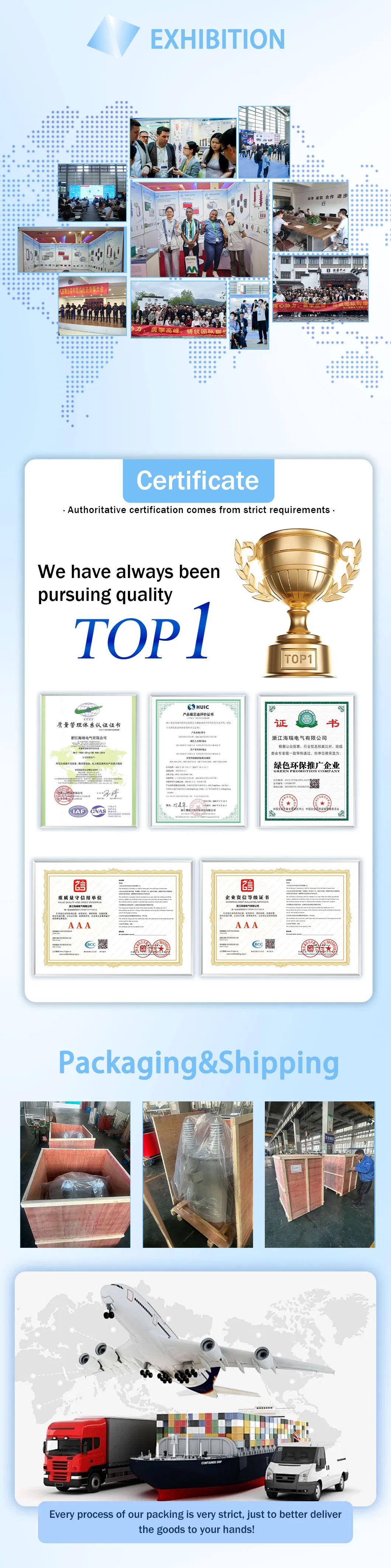
The LW-252 is about 3800kg net and 4400kg packed, in eight cases: six column cases of 3500 x 740 x 650mm at 450kg each and two base cases totalling about 1700kg. The assembly needs a 40 HQ or 40 FR container.
What is the MOQ and what documentation comes with the shipment?
MOQ is 1 piece, with OEM/ODM configuration of creepage class, frame height, auxiliary contacts and documentation language. Documents include invoice, packing list, bill of lading, certificate of origin, routine test report and IEC 62271-100 declaration.
Request Quote
Tell us your specifications, quantity, or application scenario and we will reply with a tailored quote.