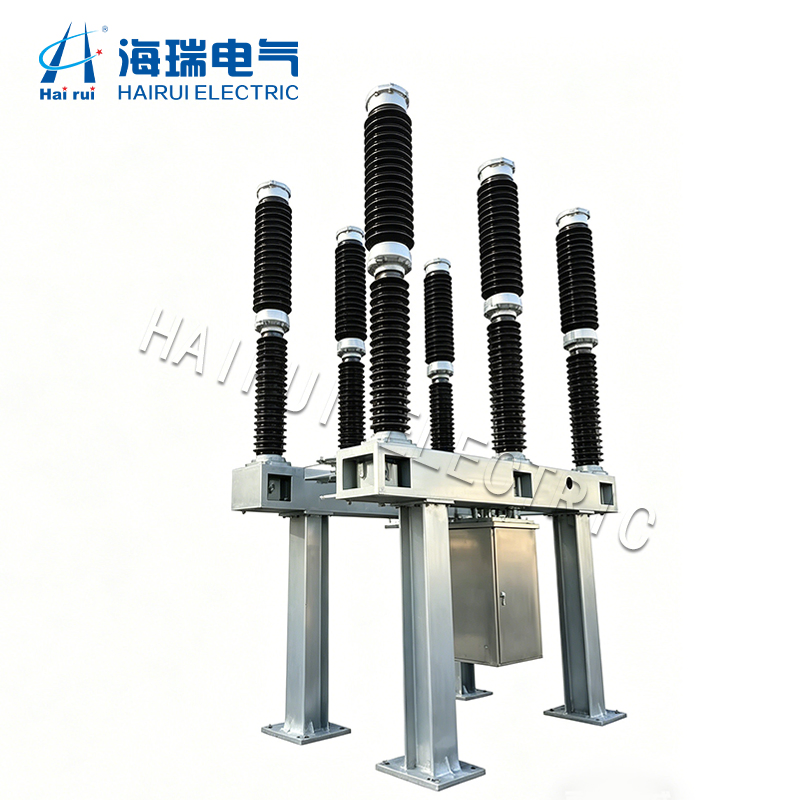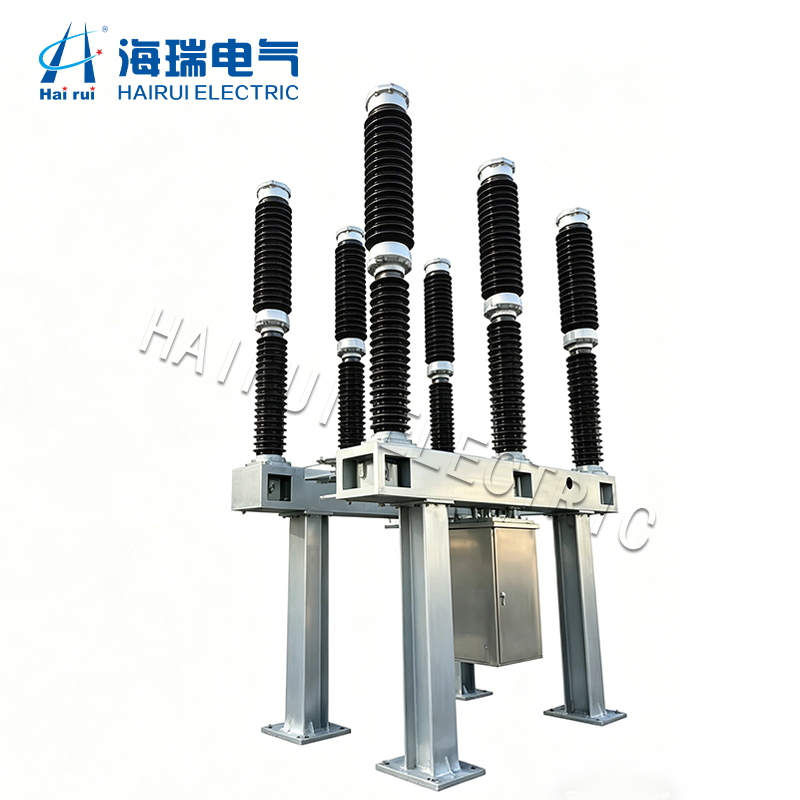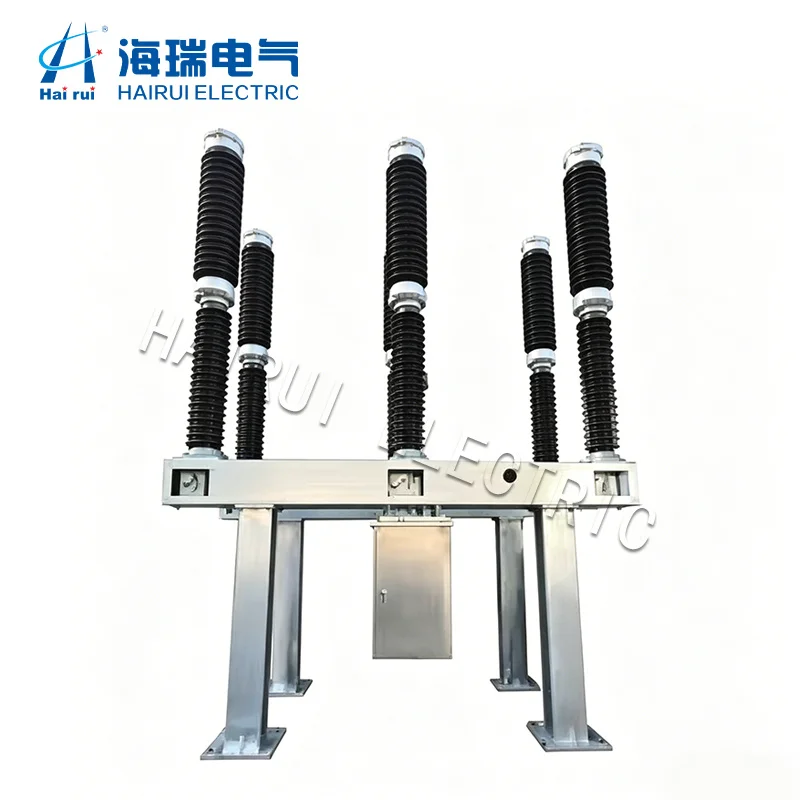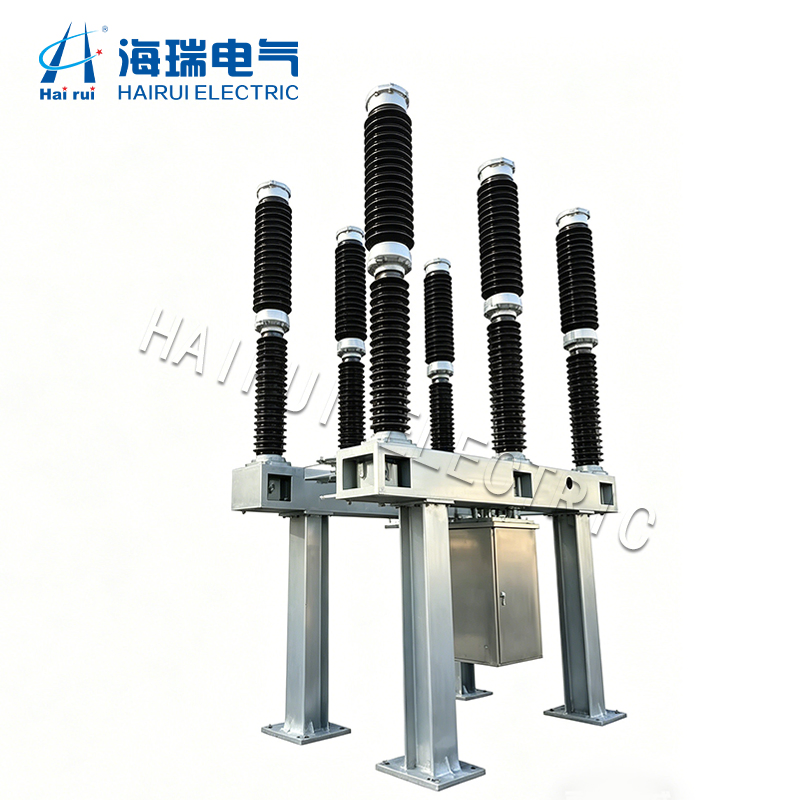
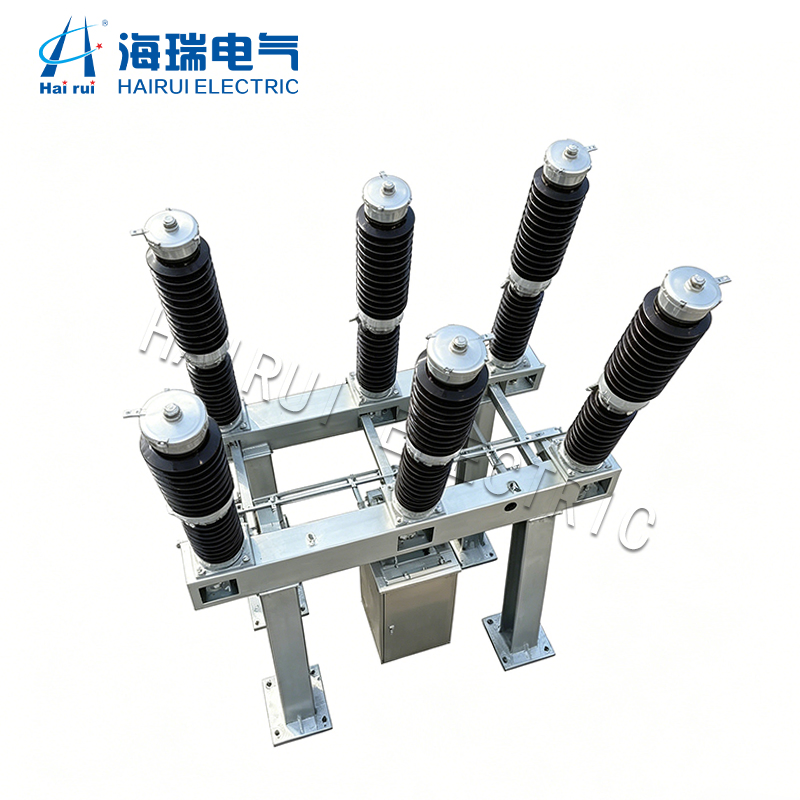
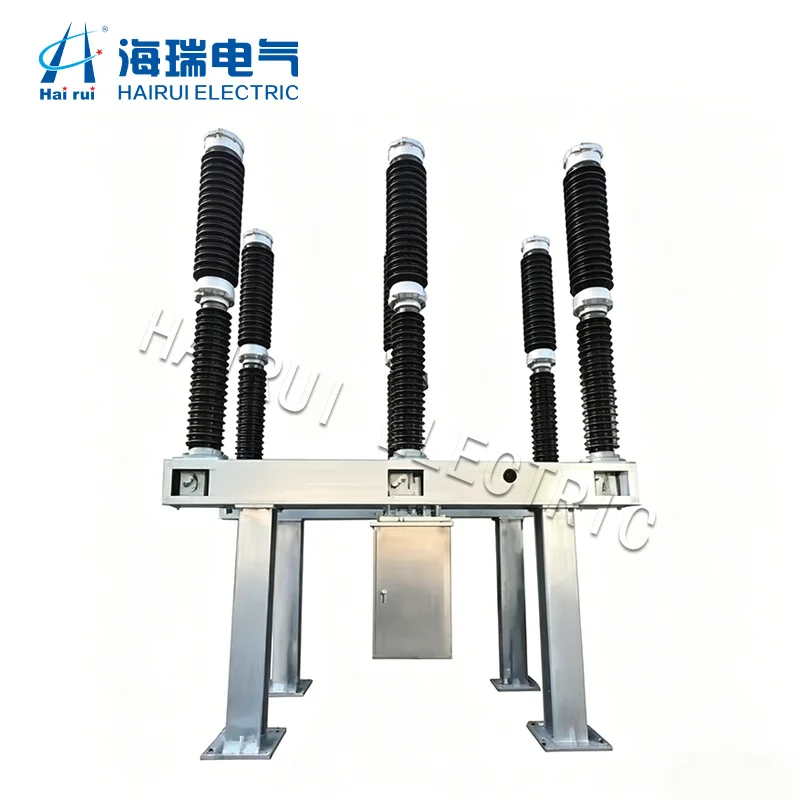
Product Overview
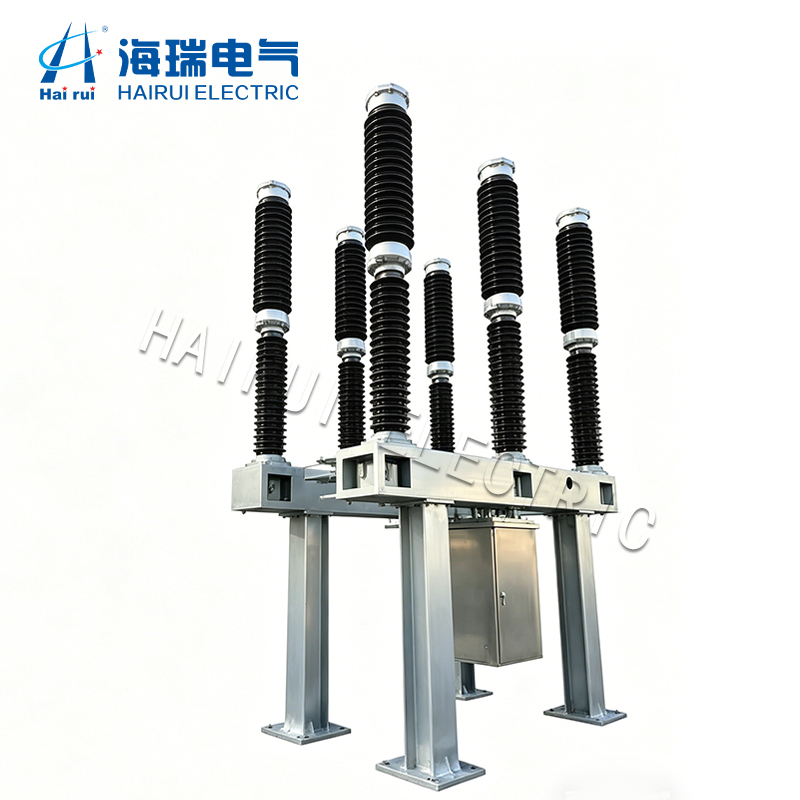
The LW9-72.5 porcelain column type is the same 66 kV breaker with a different answer to one question: what the interrupter column is housed in. Porcelain, rather than silicone composite, gives a stiff, dimensionally stable column with a long service record on 66 kV networks, and it is the version most utilities in Africa, Central Asia and the Middle East still write into their standard specifications.
Electrically it is unchanged: 72.5 kV, 4000 A, 40 kA breaking, 40 kA / 3 s short-time, 100 kA peak, 160 kV power frequency and 350 kV lightning impulse to earth, with 160 + 42 kV and 350 + 60 kV across the break. Three poles on one base frame, spring mechanism, SF6 interrupter.
What changes is weight, freight, damage tolerance and the way the surface behaves in pollution. Those four things are what this page is about.
Porcelain or Composite: The Trade, Not the Winner
Neither housing is better in the abstract. They fail differently, and the failure modes matter more on some sites than others.
| Property | Porcelain column | Composite (silicone) column |
| Mechanical stiffness | High; minimal deflection under wind and short-circuit load | Lower; the column flexes more and the base sees more movement |
| Weight and freight | Heavier, and needs cushioning in the case; more of the freight cost sits in the housing | Lighter, easier to handle on site without a crane |
| Pollution performance | Hydrophilic surface; performance depends on shed profile and creepage, plus cleaning | Hydrophobic surface with hydrophobicity transfer; better behaviour under wet contamination |
| Damage tolerance | Brittle — impact, vandalism or a dropped tool can crack it, and a cracked column is a replacement | Resilient to impact and to being stood on in a compound |
| Ageing mechanism | Erosion and contamination of the surface over decades; no organic degradation | Organic ageing of the housing; tracking and erosion resistance depends on formulation and UV exposure |
| Field repair | Column replacement | Column replacement, but lighter to handle |
The practical consequence is a specification decision, not a quality ranking. Where the compound is inside a fenced substation with a crane available and a pollution class below the coastal threshold, porcelain is straightforward and usually the cheaper lifetime answer. Where the site is coastal, heavily industrial, or the unit has to be handled without lifting gear, composite earns its price premium. The creepage side of that calculation is in pollution class and salt spray selection.
Two smaller consequences are worth knowing before the order. Porcelain columns arrive in heavier cases with more cushioning, so freight per unit is higher and the case count for a multi-unit order climbs faster. And porcelain needs a washing regime in polluted sites — live-line or outage washing at an interval set by the pollution class, which is a maintenance cost that does not appear on the breaker quotation.
Key Features
- Porcelain interrupter columns: stiff, dimensionally stable, with a long service record on 66 kV outdoor installations.
- 4000 A continuous current and 40 kA breaking: about 457 MVA continuous and about 5000 MVA breaking at 72.5 kV.
- 40 kA / 3 s short-time and 100 kA peak withstand: the thermal and dynamic duties declared on the same unit.
- 160 kV power frequency, 350 kV lightning impulse: to earth, with 160 + 42 kV and 350 + 60 kV across the open break.
- Spring operating mechanism: motor-charged, mechanically latched trip energy, no compressor or hydraulic system.
- Three poles on one base frame: one foundation, alignment to 2 mm, one commissioning window.
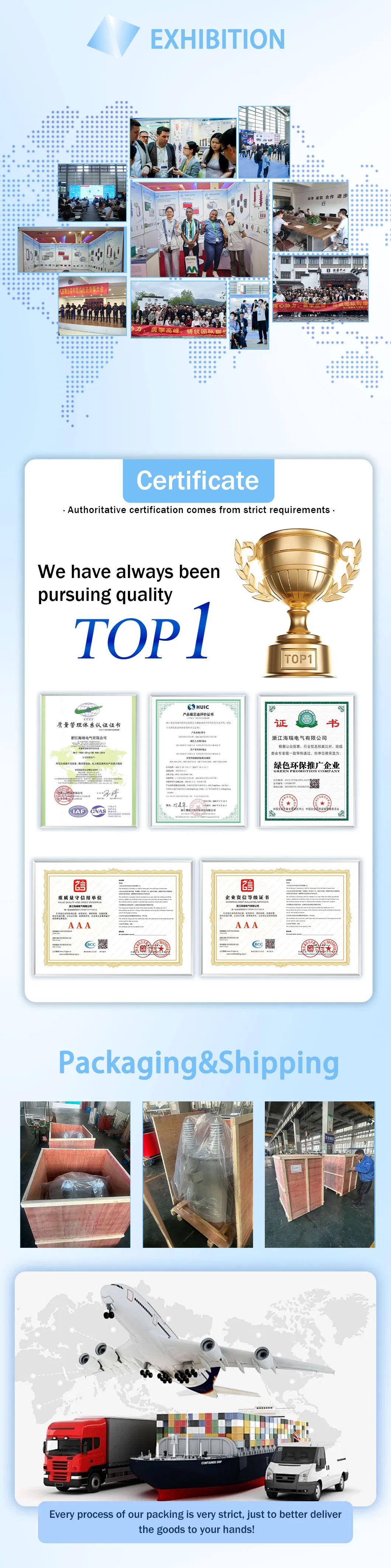
- Heavier, cushioned export packing: the case is built for porcelain, not for a composite column, and the packing list states the lifting points.
- ISO 9001 quality management, 12-month warranty, MOQ 1 piece, OEM/ODM: shed profile and creepage selected at order.
Technical Specifications
Standard build with porcelain columns. Creepage class, shed profile and ambient range are order-time selections; breaking capacity and current are fixed by the order.
| Model | LW9-72.5 |
| Type | Outdoor, live-tank, three-pole SF6 circuit breaker |
| Rated voltage | 72.5 kV (66 kV system) |
| Rated current | 4000 A |
| Rated frequency | 50 Hz |
| Rated short-circuit breaking current | 40 kA |
| Rated short-time withstand current | 40 kA / 3 s |
| Rated peak withstand current | 100 kA |
| Power frequency withstand, 1 min, to earth | 160 kV |
| Power frequency withstand, across the break | 160 + 42 kV |
| Lightning impulse withstand, 1.2/50 µs, to earth | 350 kV |
| Lightning impulse withstand, across the break | 350 + 60 kV |
| Combined reactor switching current | 3150 A |
| Back-to-back capacitor bank switching current | 4000 A |
| Operating mechanism | Spring, motor-charged |
| Number of poles | 3, ganged |
| Installation | Outdoor, fixed on concrete foundation |
| Standards | IEC 62271-100 / GB 1984 (type test reports on request) |
| Certification | ISO 9001 quality management system |
| Transport packing | Sea-worthy plywood case |
| Warranty | 12 months |
| MOQ | 1 piece |
| Origin | Zhejiang, China |
Nothing in the electrical table changes with the housing material — the ratings are the ratings. What the table cannot show is the one thing that decides lifetime cost on a polluted site: creepage distance per unit of rated voltage, and whether the shed profile sheds water or holds it. That belongs on the order drawing, not in a datasheet.
Where Porcelain Still Wins
Housing choice is a regional habit as much as an engineering decision. These are the patterns we see across the five markets we serve.
Africa: fenced compounds and long service intervals
In Nigeria, Kenya, Tanzania and Zambia the breaker usually sits in a fenced compound inside a substation with a crane available for installation, and the maintenance interval is often annual at best. Porcelain’s lack of organic ageing suits that pattern: nothing degrades in the housing between visits, and the only routine item is surface cleaning at the interval the site’s pollution class dictates.
Southeast Asia: the case where composite usually wins
Coastal and industrial sites in Indonesia, Malaysia, Vietnam and the Philippines carry heavy salt and industrial deposition, and porcelain there needs a washing programme that many operators cannot sustain. This is the region where we most often recommend a composite column instead, or a porcelain column with a significantly increased creepage.
Central Asia: cold and mechanical load
Kazakhstan, Uzbekistan, Tajikistan and Kyrgyzstan combine ice loading, wind and seismic movement, all of which favour a stiff column. Porcelain’s high stiffness is an advantage under those loads; its brittleness is a liability during transport over long inland routes, which is why the packing specification matters more here than in a coastal port delivery.
Middle East: heat and sand
Iraq, Saudi Arabia, the UAE and Oman run at 50 °C with sand moving across the compound. Porcelain does not degrade in UV the way an organic housing does, but its surface holds deposited sand until it rains, and the first rain after a long dry spell is when tracking starts. Cleaning access and shed design matter more than the material.
CIS: standards and spares
Russia, Belarus, Azerbaijan and Uzbekistan have long procurement histories with porcelain columns, and spare columns for existing installations are usually porcelain. Matching the installed base is often worth more than the marginal performance difference, and Russian-language documentation is part of the delivery.
Packing, Shipping Weight and Foundation Data
Porcelain adds weight and cushioning, but the reference figures below are about voltage class rather than material. They cover the two larger tiers; the 72.5 kV unit’s own weight and case dimensions are issued with the proforma invoice.
| 126 kV / 110 kV system (LW36-126) | 252 kV / 220 kV system (LW-252) | |
| Interrupter columns shipped | 3 | 6 |
| Net weight | 1900 kg | approx. 3800 kg |
| Total shipping weight, packed | 2200 kg | approx. 4400 kg |
| Column packing | 3 cases, 3500 × 740 × 650 mm, 450 kg each | 6 cases, 3500 × 740 × 650 mm, 450 kg each |
| Base frame packing | 3880 × 700 × 2350 mm, 850 kg | 2 base cases, approx. 1700 kg total |
| Dynamic load, upward / downward | 24 kN | 24 kN per foundation |
| Height difference between the two foundation surfaces | ≤ 2 mm | ≤ 2 mm |
| Levelness of each foundation surface | ≤ 2 mm | ≤ 2 mm |
| Recommended container | 1 × 20 GP | 1 × 40 HQ or 40 FR |
The 252 kV line doubles the 126 kV line because a split-type pole carries two interrupter columns — six columns and two base frames for three poles. Loading from Ningbo or Shanghai, EXW through DAP, LCL consolidation for single units. Invoice, packing list, bill of lading, certificate of origin, routine test report and IEC 62271-100 declaration travel with the goods, and the packing list states the lifting points for each case.
Price Guide
Indicative RMB prices, standard builds, ex-works Zhejiang, current as of 2026 — a budget reference, not a quotation.
| Voltage class | Reference model | Interrupter columns | Indicative price |
| 40.5 kV (35 kV system) | LW8-40.5 | 3 | approx. RMB 40,000 |
| 72.5 kV (66 kV system) | LW9-72.5 | 3 | approx. RMB 75,000 |
| 126 kV (110 kV system) | LW36-126 | 3 | approx. RMB 80,000 |
| 252 kV (220 kV system) | LW-252 | 6 | approx. RMB 160,000 |
Within a voltage class the housing material is a smaller price item than most buyers expect; the larger cost differences come from creepage class and from freight, where a porcelain column’s extra weight shows up in the landed cost rather than in the ex-works price. Compare quotations on a landed basis for that reason, not on the breaker price alone.
Included: breaker, base frame, gas density monitor, foundation bolts, gas filling per contract and an English O&M manual. Quoted separately: spare columns, spare SF6 cylinders, disconnectors, current transformers, third-party inspection and witness tests. Typical terms are 30% deposit with order and the balance against a copy of the bill of lading, with L/C at sight for container volumes. Cost structure is in SF6 circuit breaker price and cost drivers.
Ordering: What to Send in the Inquiry
For a housing-led specification, the pollution class is the item that does the most work:
- Pollution class and site description — coastal distance, industrial sources, dust; creepage and shed profile follow from this.
- Housing preference — porcelain for the installed base or composite for a coastal compound; we quote both where the site is marginal.
- Handling capability on site — crane availability decides whether the extra case weight is a problem.
- Network voltage and continuous load — 66 kV system, load and transfer case.
- System fault level — so breaking capacity is selected rather than assumed.
- Ambient, altitude and ice loading — the three figures that change clearance and mechanical design.
- Destination port and Incoterm — EXW, FOB, CFR, CIF or DAP.
- Documentation — type test reports, certificate of origin, third-party inspection.
Minimum order is one piece, and matching an existing installed column is a normal request. The commercial sequence is in how to buy SF6 circuit breakers from a manufacturer; the electrical side of the same breaker is on the LW9-72.5 4000 A product page.
FAQ
What type of structure does the LW9-72.5 use?
The LW9-72.5 uses a porcelain column structure, which provides external insulation and mechanical support for outdoor 72.5kV high-voltage installation.
What is the rated voltage and current?
The rated voltage is 72.5kV and the rated current is 4000A. The breaker also has a rated short-circuit breaking current of 40kA.
What insulation levels does the breaker meet?
The lightning impulse withstand voltage is 350kV to earth (350+60kV across fracture), and the 1-minute power frequency withstand voltage is 160kV to earth (160+42kV across fracture).
Can the porcelain column specifications be customized?
OEM/ODM customization is available for parameters including rated current, voltage class, IP protection level, and working environment. The manufacturer can adjust the design for specific pollution levels and altitude conditions.
What is the warranty period?
The warranty period is 12 months. The manufacturer is located in Wenzhou, Zhejiang, China, and provides 24-hour English-language technical support.
Porcelain or composite column: which should I specify?
Porcelain for a fenced compound with a crane and moderate pollution, where its stiffness and lack of organic ageing suit long service intervals. Composite for coastal or heavily industrial sites where salt deposits would otherwise require a washing programme.
How much does a 72.5kV SF6 circuit breaker cost?
The LW9-72.5 is approximately RMB 75,000 ex-works Zhejiang for a standard build. For reference: 40.5kV about RMB 40,000, 126kV about RMB 80,000 and 252kV about RMB 160,000. Final price depends on breaking capacity, creepage class, accessory set and freight term.
What is the shipping weight and how is the breaker packed?
Packing is a sea-worthy plywood case, with the LW9-72.5's own weight and case dimensions issued on the proforma invoice. For reference, the 126kV model is 1900kg net and 2200kg packed in four cases, and the 252kV split-type model doubles both column count and weight.
What is the MOQ and what documentation comes with the shipment?
MOQ is 1 piece, with OEM/ODM customization of ratings, nameplate and monitoring contacts. Documents include invoice, packing list, bill of lading, certificate of origin, routine test report and IEC 62271-100 declaration.
Request Quote
Tell us your specifications, quantity, or application scenario and we will reply with a tailored quote.