When a control transformer overheats, it is almost never “bad luck”. In most B2B projects, overheating traces back to sizing mistakes, wiring issues, harsh environments, or low‑quality components. If you are a purchaser, panel builder, or engineer, understanding these root causes will help you cut downtime, extend equipment life, and choose better control transformers from day one.
Understanding Control Transformer Overheating
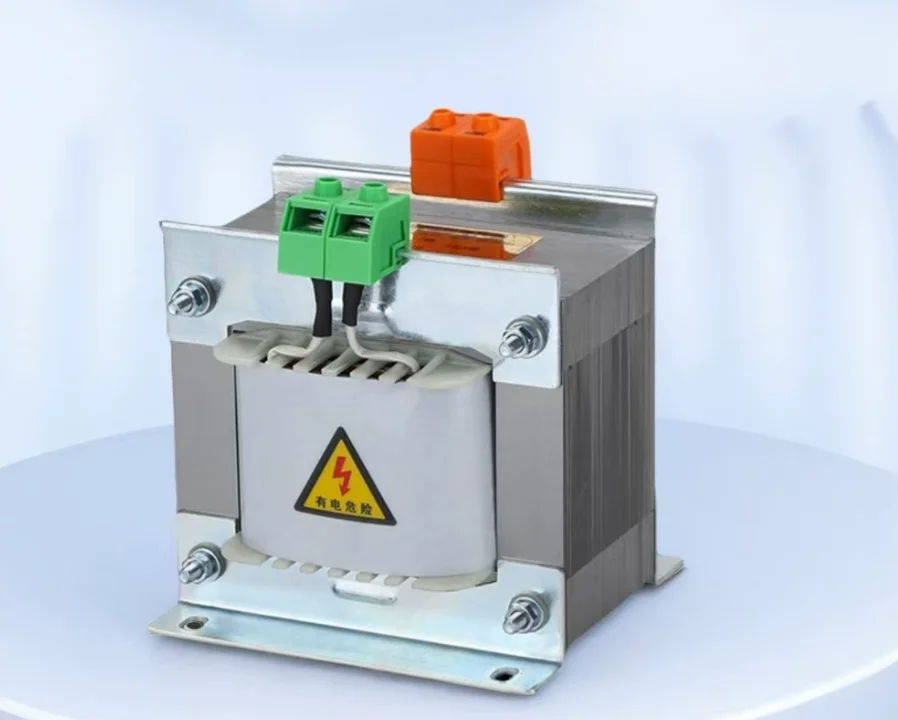
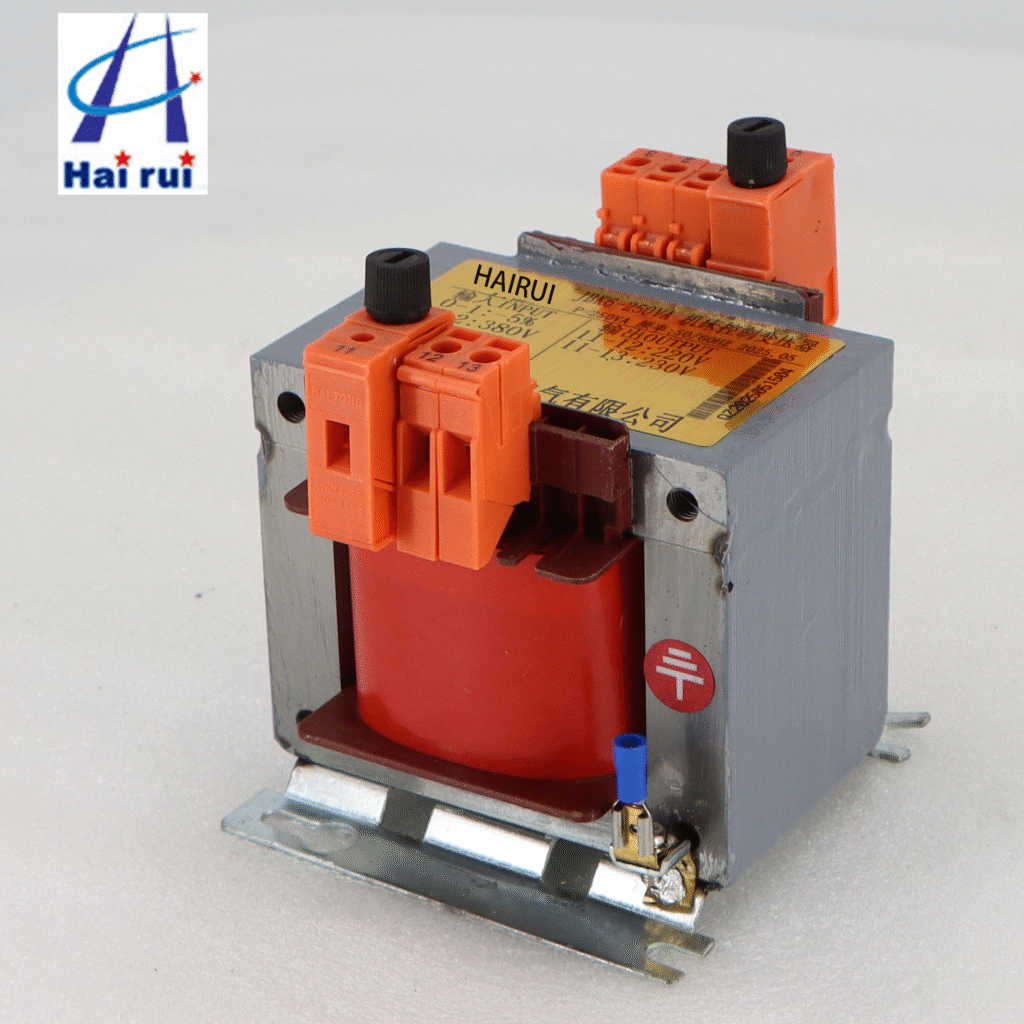
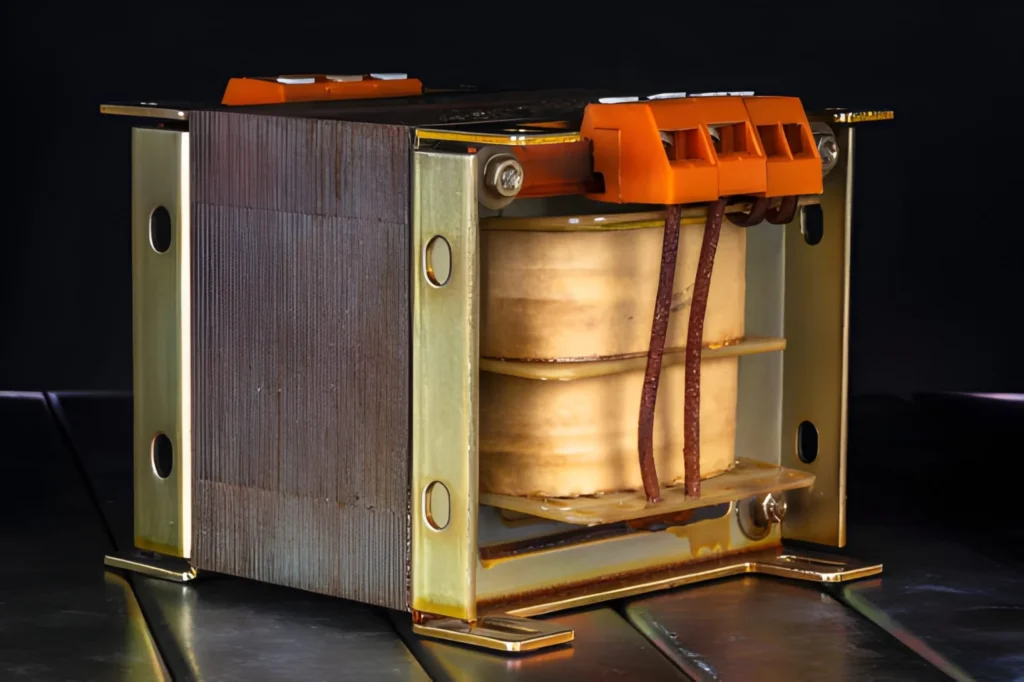
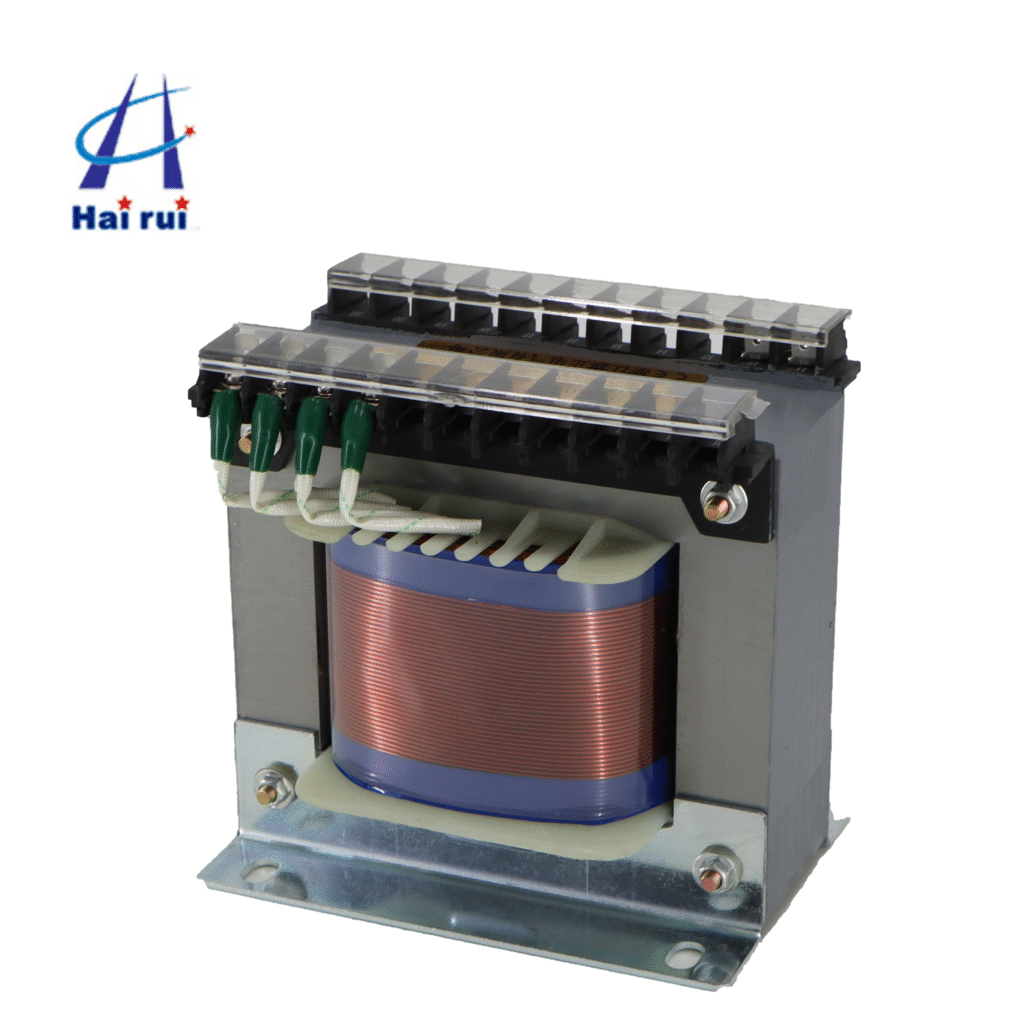
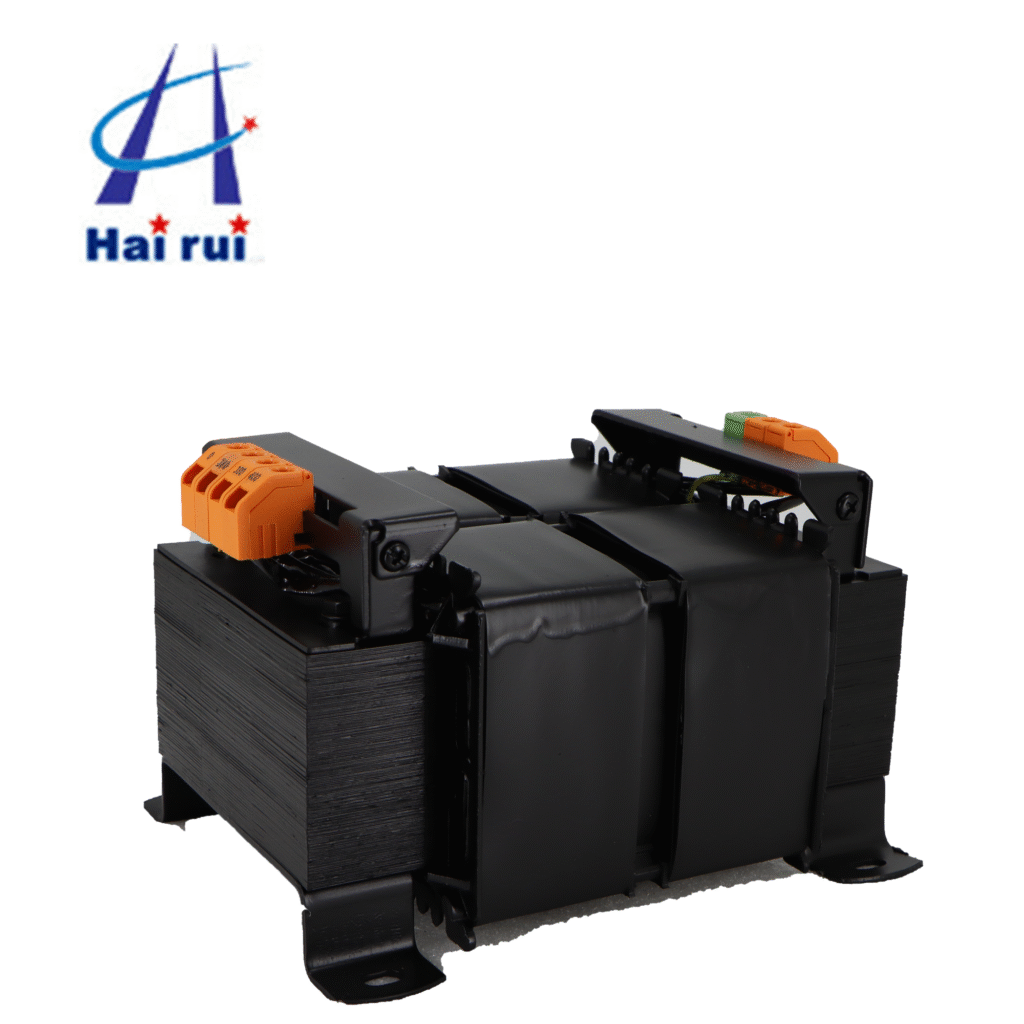
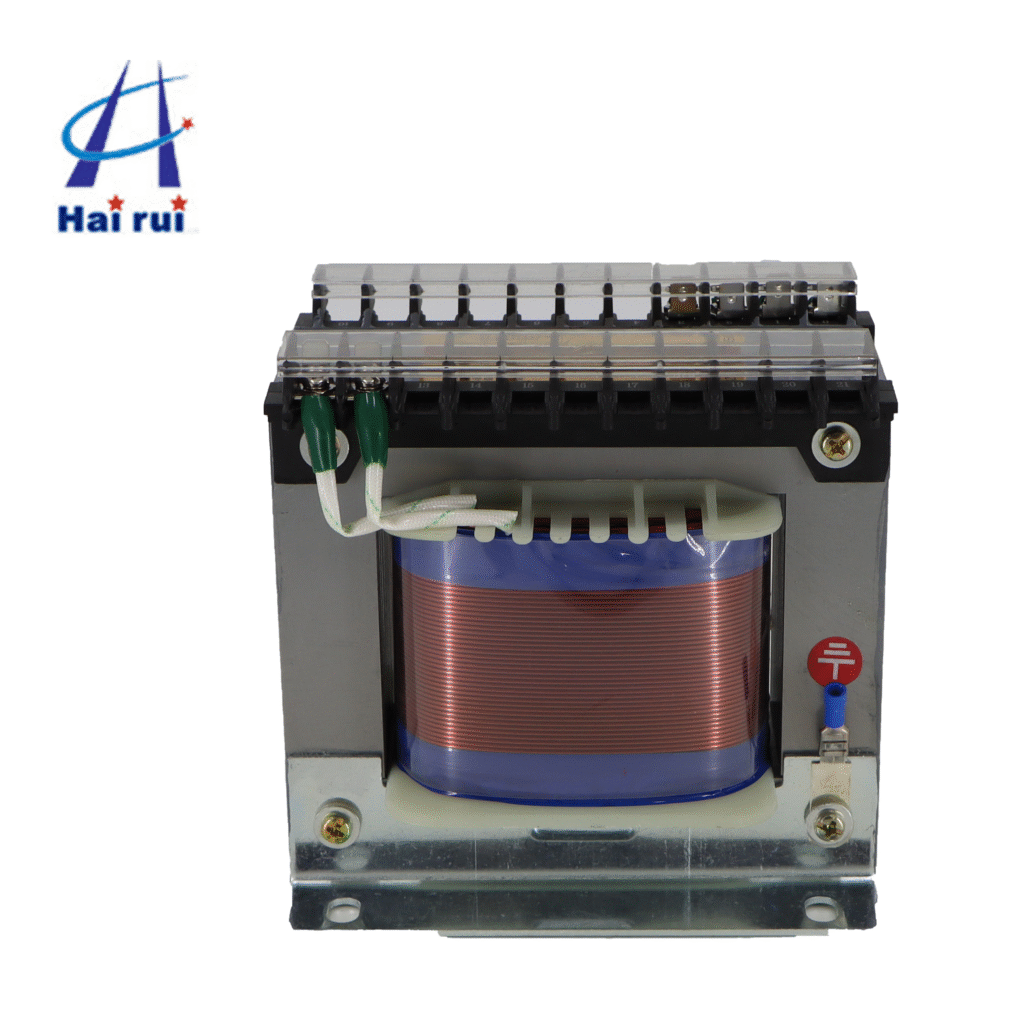
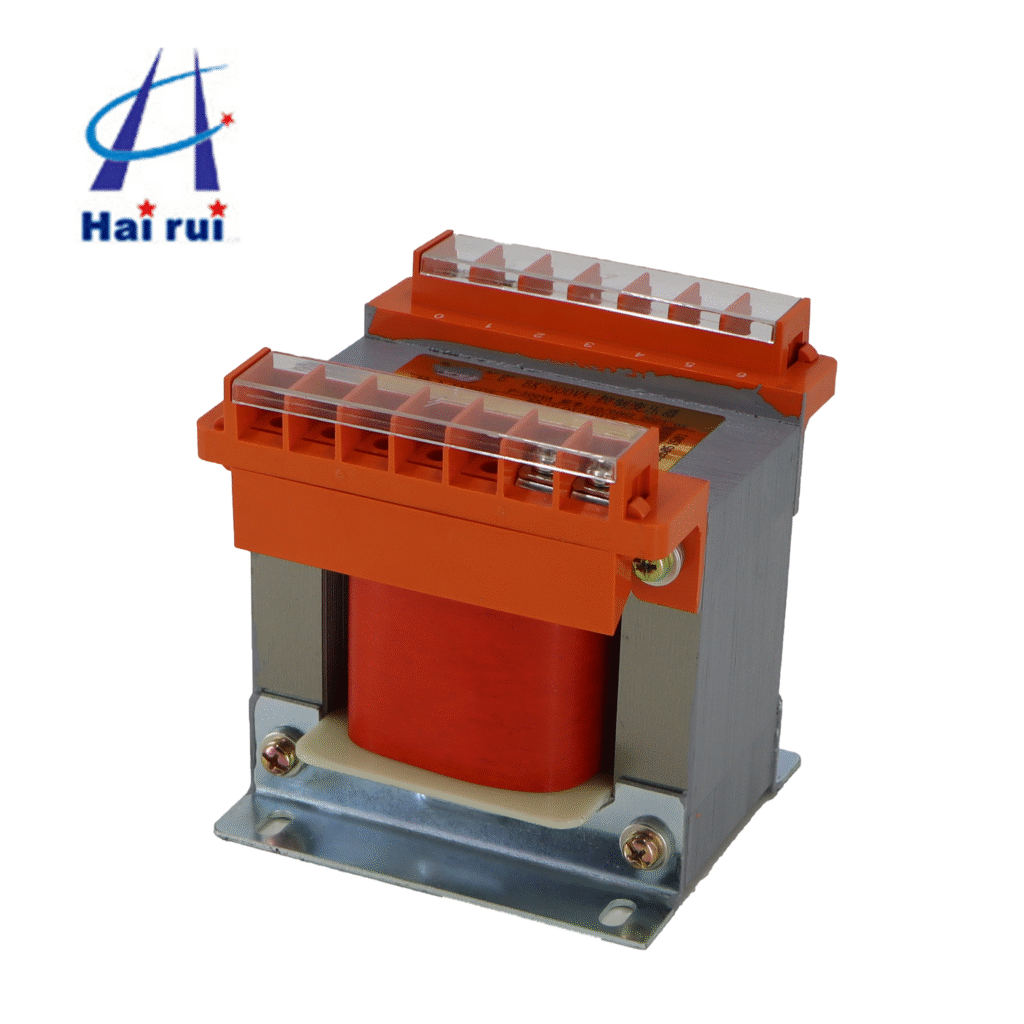
A JBK3 Machine Tool Control Transformer converts higher line voltage (for example 480 V) down to a safer secondary voltage (often 24 V AC) to feed relays, PLC inputs, contactor coils, HMI lamps, and other control devices. Overheating happens when it generates more heat than its design and insulation system can safely dissipate into the surrounding environment.
Under normal conditions, the temperature rise stays within the insulation class rating (such as Class B, F, or H), so the winding insulation and core remain stable for years. Once hot‑spot temperatures climb above that range, insulation ages much faster, metal parts oxidize, and you eventually see nuisance trips, erratic control behavior, or outright transformer failure.
Key overheating concepts for engineers
Concept
What it means in practice
Why it matters for control transformers
Temperature rise
Difference between ambient and winding temperature at rated load.
Shows how hot the transformer will run in your panel at full VA load.
Insulation class
Maximum allowable hot‑spot temperature for windings.
Determines life expectancy under thermal stress.
VA (volt‑ampere) rating
Apparent power the transformer can continuously deliver at rated conditions.
If your control circuit VA > rating, overheating is almost guaranteed.
Duty cycle
How long loads (coils, solenoids) stay energized.
Long “on” time creates sustained heating in small control transformers.
If your project is at the quotation or design stage and you already see high ambient temperature, dense control panels, or heavy inductive loads, that is the right time to reach out to your transformer supplier for sizing support and a tailored quotation.
A control transformer rarely overheats for just one reason; usually several factors stack together. Below are the most common causes B‑side users see in real projects, from small OEM panels to large industrial control cabinets.
1. Overloading and Poor VA Sizing
Undersizing is the classic cause of overheating in control transformers.
When the connected load exceeds the nameplate VA, copper losses in the windings increase with the square of the current, which quickly drives up internal temperature.
Continuous operation 10–20% above rated VA may not trip protection immediately, but it accelerates insulation aging and reduces service life.
Starting inrush of contactors, solenoids, and control relays can be several times the holding VA, so a transformer that looks “OK on paper” can still overheat during real operation.
In many B2B applications, engineers add devices to existing panels over time without recalculating total control circuit VA. The result is a control transformer that is now permanently overloaded.
2. High Ambient Temperature and Poor Ventilation
Even with correct VA sizing, a control transformer may run hot if the surrounding environment is already warm or airflow is restricted.
High ambient temperatures reduce the effective thermal margin between winding temperature and the insulation limit.
Compact MCCs and densely wired control panels can trap heat, especially if air channels around the transformer are blocked by wiring ducts or other components.
Mounting inside sealed enclosures exposed to sun or installed near heat‑producing drives and soft starters further raises internal panel temperature.
For buyers specifying control transformers, asking the actual ambient and enclosure conditions during RFQ stage can prevent many field complaints later.
3. Loose, Undersized, or Poor Connections
Mechanical issues in wiring can create local hot spots that are often misread as “transformer failure”.
Loose primary or secondary terminals introduce additional resistance and cause localized heating at lugs and busbars.
Undersized cables or shared terminals carrying more current than intended also contribute to extra I²R losses near the connection points.
Vibration in industrial machines may gradually loosen terminal screws if no appropriate locking or torque procedure is used.
Thermal imaging during commissioning or preventive maintenance is a simple way to spot these hot spots before they damage the transformer.
4. Voltage Problems and Core Saturation
Incorrect supply voltage and power‑quality issues can drive up losses in the core and windings.
Applying a higher primary voltage than specified pushes the core into saturation, drastically increasing no‑load losses and temperature rise.
Severe voltage imbalance between phases in three‑phase feeds, or harmonic distortion from non‑linear loads, adds extra heating in control transformers.
Incorrect tap connections or miswiring during installation sometimes leave the transformer effectively over‑excited even though the nameplate rating is correct.
For OEMs exporting globally, verifying the line frequency and exact nominal voltages (50 Hz vs 60 Hz, 400 V vs 480 V) is critical when specifying control transformers to avoid hidden over‑excitation issues.
Need help finding the right Control Transformers?
Feel free to send us your Industrial Control Transformers control voltage specs or inquiry—our technical team will recommend the best fit.
Over time, insulation materials inside a control transformer degrade, especially if exposed to repeated thermal stress.
Each 10 °C increase above the rated insulation temperature can roughly halve insulation life, leading to premature failure.
Moisture ingress, contamination, or chemical fumes accelerate insulation breakdown and surface tracking in open control panels.
Manufacturing defects or physical damage during installation (e.g., impact, over‑tightening mounting bolts) may cause partial discharge, micro‑shorts between turns, and extra local heating.
When insulation is already weakened, even a modest overload can trigger rapid temperature rise and sudden failure.
6. Harsh Environmental Conditions
Control transformers installed in difficult locations are more exposed to thermal problems.
Dust and oil deposits on the core and windings reduce natural convection and trap heat.
High humidity, corrosive gases, or outdoor installations without proper enclosure ratings worsen surface insulation performance and heat dissipation.
Frequent temperature cycling, such as in outdoor HVAC control panels, causes expansion and contraction of materials, gradually loosening connections and stressing insulation.
For these projects, many engineers now specify encapsulated or potted control transformers with higher protection levels and robust insulation systems.
7. Low‑Quality or Mismatched Transformer Selection
Price‑driven purchasing can indirectly lead to overheating in the field.
Cheap control transformers may use lower‑grade core steel, thinner copper windings, and marginal insulation, all of which increase losses and reduce temperature headroom.
Using general‑purpose power transformers instead of dedicated control transformers can result in poor voltage regulation under inrush and cause extra heating.
Ignoring standards such as NEMA, UL, or IEC requirements for control circuits often means the transformer is not optimized for typical industrial control loads.
When releasing RFQs, stating clear expectations on efficiency, insulation class, approvals, and duty cycle helps vendors propose the correct control transformer instead of the cheapest option.
How Overheating Damages Your Control Transformer
Overheating is not just a nuisance; it directly affects reliability, safety, and long‑term cost of ownership.
Insulation breakdown: Excessive temperature degrades dielectric strength and mechanical integrity of insulation, leading to turn‑to‑turn faults or phase‑to‑ground failures.
Reduced lifespan: Thermal over‑stress drastically shortens expected service life, even if the transformer appears to recover after cooling down.
Erratic control voltage: When windings are hot, resistance increases and secondary voltage can sag, causing chatter in contactors, PLC resets, or mis‑trips.
Safety risks: Severe overheating can cause smoke, odor, or, in extreme cases, fire hazards in tightly packed control panels.
Effects of overheating at a glance
Effect on transformer
Observable symptom in the field
Impact on B‑side users
Insulation aging
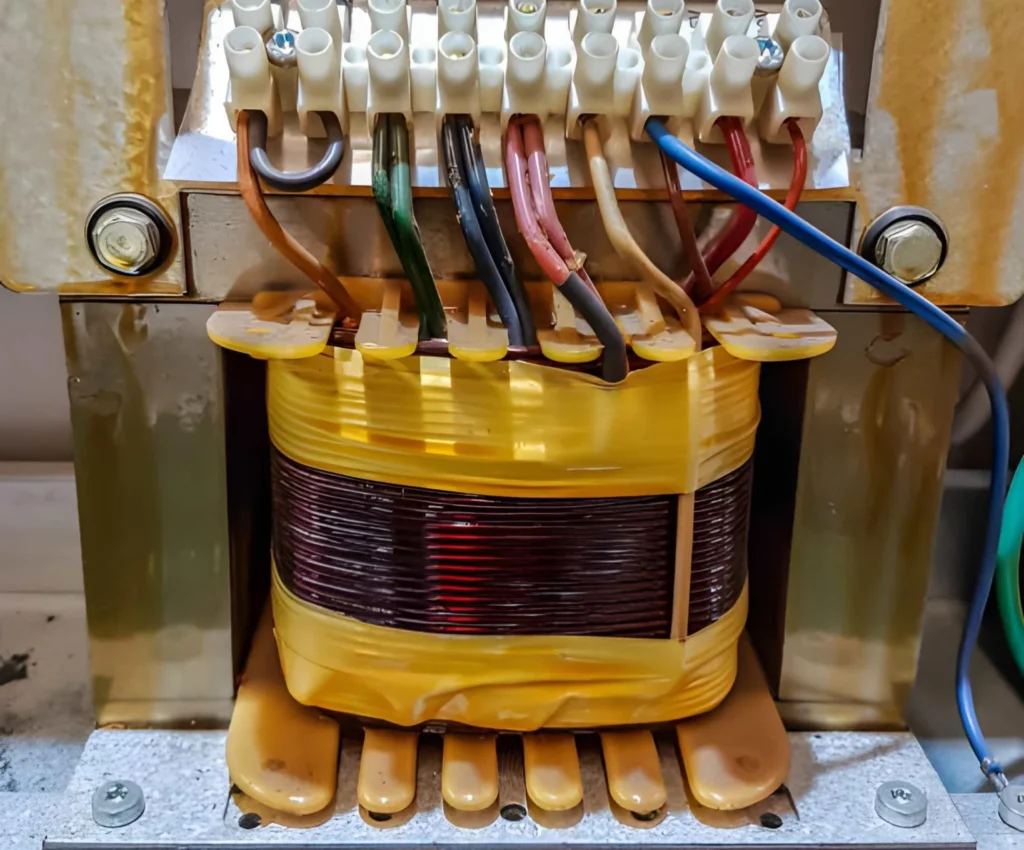
Brown discoloration, odor, cracks, or carbonized spots on windings.
Shorter replacement cycle, more unexpected downtime.
Voltage instability
Coils chattering, relays dropping out during peaks.
Control system instability and production interruptions.
Increased losses
Higher no‑load current, elevated surface temperature at normal load.
Higher energy consumption and higher internal panel heat.
For OEMs and integrators working with strict SLAs, preventing overheating is often cheaper than dealing with on‑site service trips and urgent part replacements.
The good news: most overheating problems can be prevented with a combination of proper design, correct product selection, and simple maintenance.
1. Correct Sizing and VA Calculation
Start by accurately calculating the total VA of all loads on the control transformer.
Add the sealed (holding) VA of all continuously energized devices such as PLC power supplies, indicator lamps, and control relays.
Include inrush VA of contactors and solenoids according to duty cycle; many manufacturers provide inrush multipliers and selection tables for control transformers.
Apply a suitable safety factor to account for future expansion or ambient temperature—often 20–50% above calculated VA, depending on the project.
When in doubt, share your device list and duty cycle with the transformer supplier and ask for a sizing recommendation and quote; this is an easy way to avoid undersizing at design stage.
2. Respect Ambient and Enclosure Conditions
Thermal management inside the panel is just as important as the VA rating.
Verify the maximum ambient temperature where the control panel will operate, not just the warehouse temperature.
Provide adequate spacing and airflow around the transformer, and avoid installing it directly above major heat sources like drives or soft starters.
For high‑temperature or outdoor applications, consider derating the transformer or choosing a unit with a higher insulation class and better ventilation design.
Thermal simulation or even simple rule‑of‑thumb spacing guidelines during panel layout can significantly reduce overheating risk.
3. Improve Wiring Quality and Connections
Good electrical connections directly translate to lower heat and longer life.
Use appropriately sized cables for primary and secondary circuits to keep conductor temperature within safe limits.
Follow recommended torque values for terminal screws and consider vibration‑resistant hardware in high‑vibration environments.
Introduce periodic inspection routes using infrared cameras to spot loose or hot connections before they evolve into serious faults.
These practices are inexpensive compared to the cost of unplanned downtime when a control transformer fails.
4. Match Voltage, Frequency, and Application
Careful attention to voltage details prevents invisible over‑excitation and harmonic problems.
Ensure primary voltage and frequency exactly match the transformer nameplate and wiring diagram (for example 480 V 60 Hz vs 400 V 50 Hz).
For three‑phase supply systems feeding single‑phase control transformers, check phase balance and neutral conditions to avoid excessive current and heating.
In environments with many drives and non‑linear loads, consider harmonic mitigation and high‑performance control transformers designed for distorted waveforms.
Many manufacturers offer detailed connection diagrams and selection guides; using them at design time reduces trial‑and‑error in the field.
5. Choose Robust, Industrial‑Grade Control Transformers
Selecting the right type of transformer for your control panel is a key preventive step.
Industrial control transformers are designed for high inrush, good voltage regulation, and harsh conditions, unlike generic distribution units.
Look for products with certifications and standards compliance (such as UL, CSA, NEMA, IEC) and clear insulation class and temperature‑rise data.
Encapsulated or epoxy‑potted designs are often better for dusty, humid, or corrosive environments because they protect the windings and help manage heat.
When requesting quotations, specify not just voltage and VA, but also ambient temperature, enclosure type, and duty cycle; suppliers can then match you with the most suitable control transformer series.
6. Implement Basic Preventive Maintenance
Even a simple maintenance routine can catch early signs of overheating.
Visually inspect control transformers for discoloration, cracks, or unusual odor during scheduled downtime.
Clean dust and debris from ventilation paths and surfaces on a regular basis.
Monitor operating temperature where feasible; if you notice steady increases over time under the same load, investigate before it fails.
For large facilities, condition‑based maintenance with periodic inspections significantly reduces emergency replacement of overheated control transformers.
FAQ
How hot is too hot for a control transformer?
Acceptable temperature depends on the insulation class, but when a transformer exceeds its rated temperature rise above ambient, insulation life starts to drop quickly and overheating should be treated as a warning sign.
Can a control transformer run continuously at full VA rating?
Yes, it can operate at nameplate VA under rated ambient temperature, but if ambient is higher, ventilation is poor, or loads have high inrush, running at 100% continuously may cause overheating and derating is recommended.
Why does my new control transformer still overheat?
Common reasons include miscalculated load VA, wrong primary voltage or tap connection, high ambient temperature, or poor airflow in the panel, even when the transformer itself is new.
Does harmonic distortion affect control transformer temperature?
Yes, harmonics increase core and winding losses, especially in systems with many drives or non‑linear loads, which can cause extra heating and reduce service life.
What should I check first if a control transformer is overheating?
Start with load VA versus rating, verify correct primary voltage and wiring, inspect connections for looseness or discoloration, and confirm ambient temperature and ventilation in the enclosure.
If you have ever sourced electrical components for an industrial panel, a machine tool, or a building automation system, you have probably come across the term control transformers. And if you are a buyer, engineer, or project manager, you have likely faced the classic question: “Should I use a 24V or a 120V control circuit?” […]
In today’s competitive manufacturing and automation world, Industrial Control Transformer power stability is everything. When you’re running machines 24/7, a single voltage drop or short circuit event can cause unwanted downtime—and in industries like processing or automation, downtime equals lost revenue. That’s where an industrial control transformer steps in. Let’s break down why this small but crucial component deserves […]
When a line stops because one tiny contactor coil doesn’t pull in, people start blaming everything – PLC, relays, even the electrician. Very often, the real “boss” behind the problem is the Control Power Transformers JBK3. In this article, I’ll walk you through what a control power transformer is, how to wire it, how to […]
We use cookies to enhance your browsing experience, serve personalised ads or content, and analyse our traffic. By clicking "Accept All", you consent to our use of cookies.