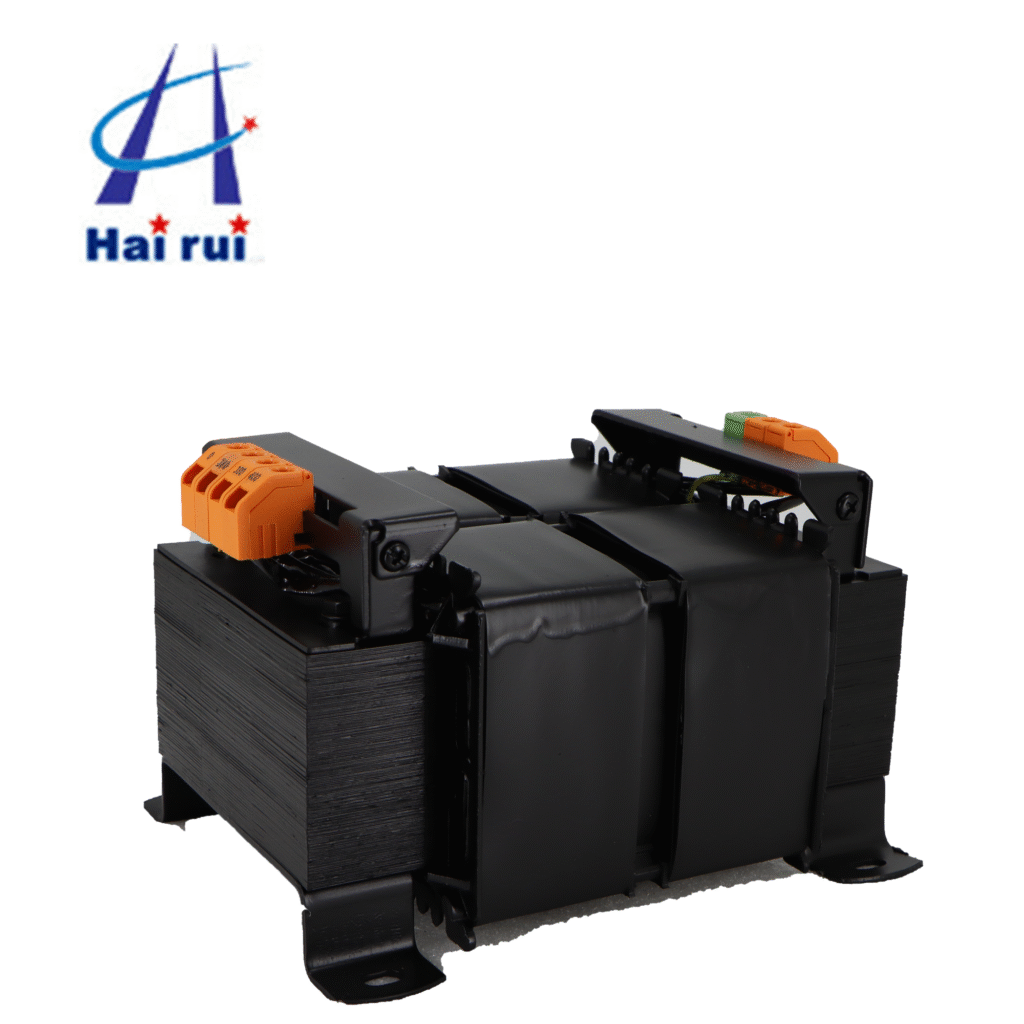
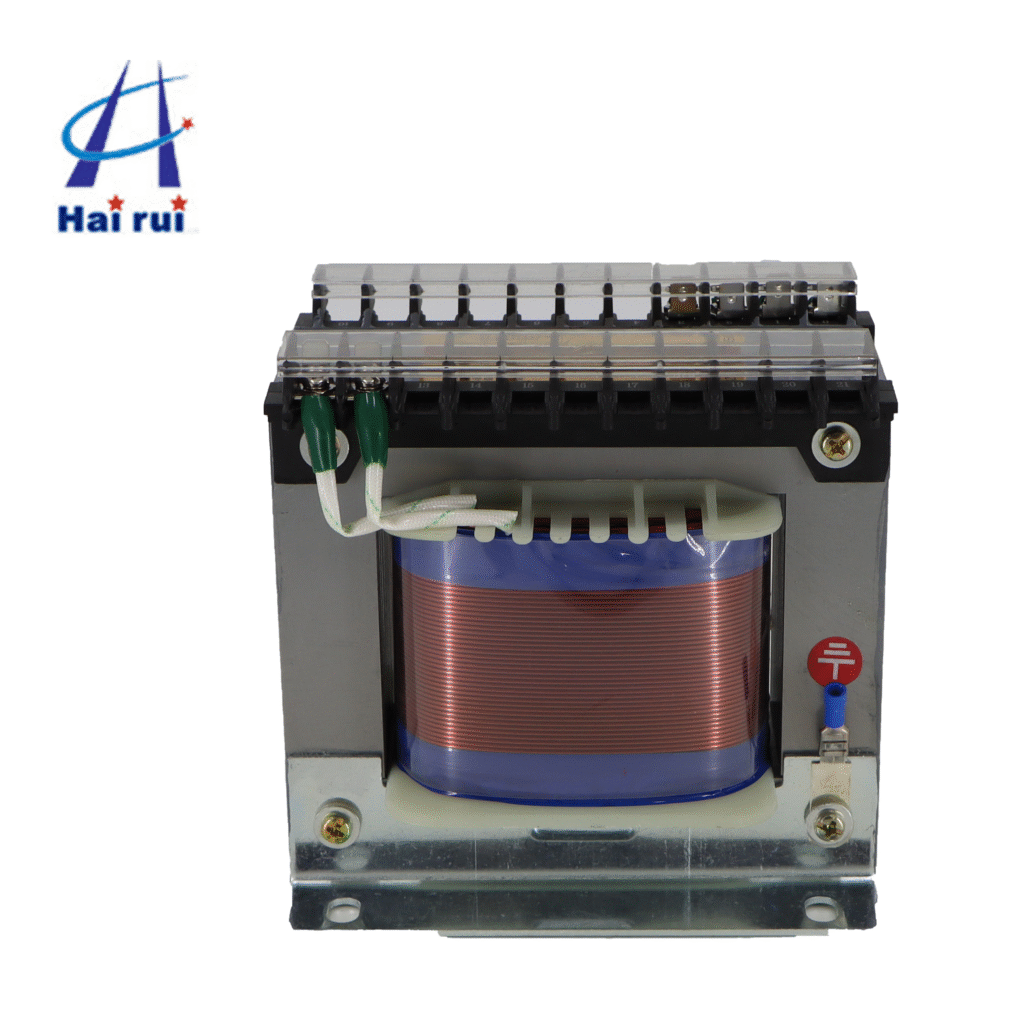
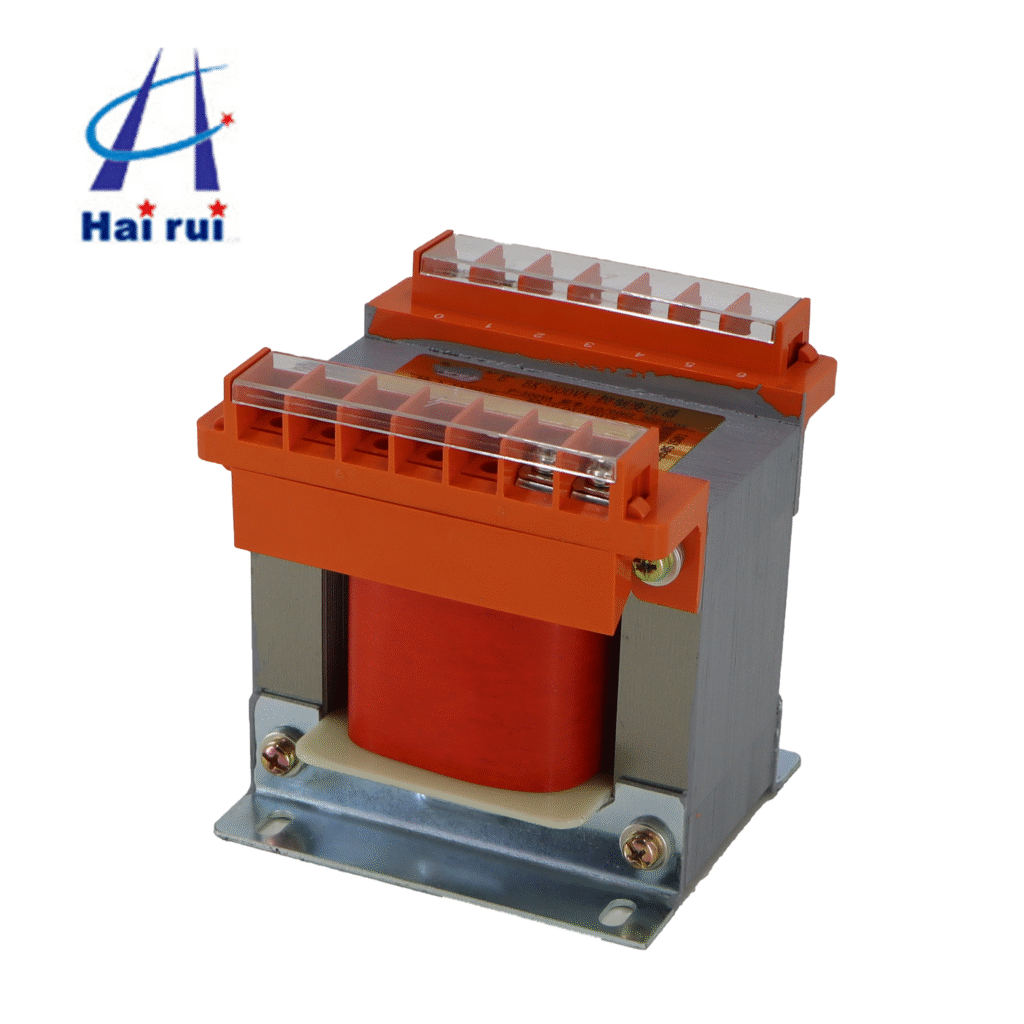
Dry-type transformer are devices that use the principle of electromagnetic induction to convert electrical energy and are widely used in commercial and industrial fields. This article will provide an in-depth introduction to the working principle, advantages, and application scenarios of dry-type transformers to help you understand why more and more businesses are choosing this eco-friendly, safe, and efficient power solution.
What is a Dry-type Transformer?
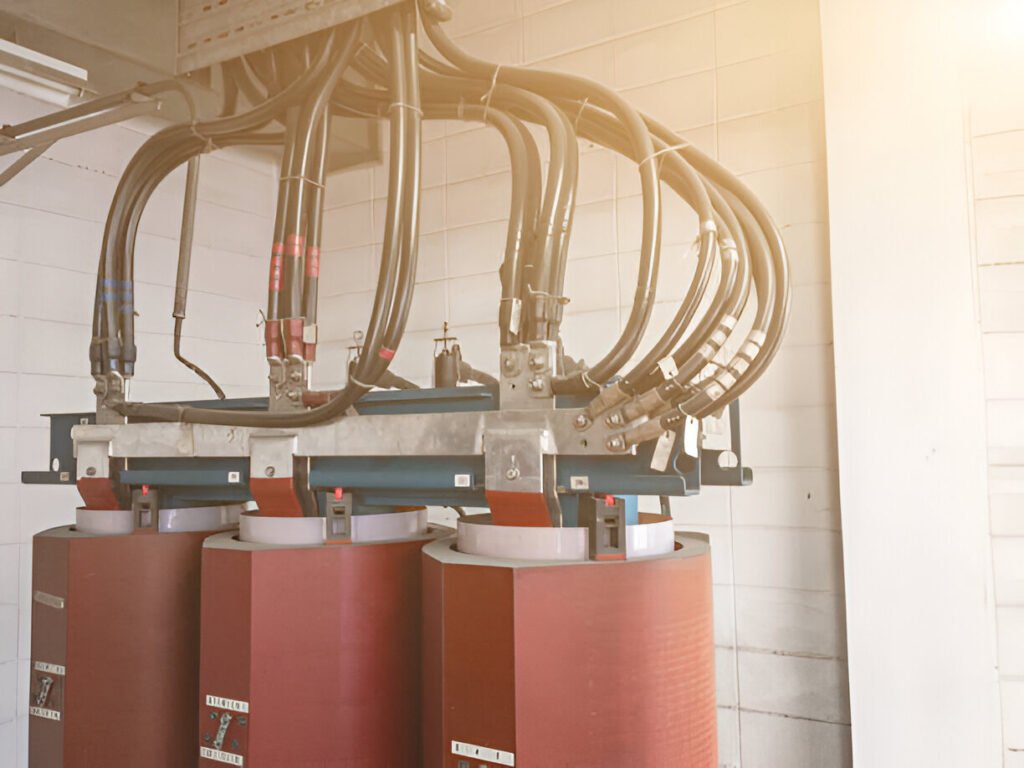
As the name suggests, a dry-type transformer does not use oil as the insulating and cooling medium. It mainly uses air for cooling, and the windings and core are usually encapsulated or insulated with epoxy resin to prevent moisture, dust, and fire. Compared with traditional oil-immersed transformers, dry-type transformers are more environmentally friendly and safer, especially suitable for densely populated and high-safety requirement environments.
Transformer Type
Medium
Cooling Method
Advantages
Main Applications
Dry-type
Epoxy resin + air
Natural convection or forced air cooling
Safe without oil, eco-friendly, low maintenance
Commercial buildings, industrial plants, data centers
Oil-immersed
Insulating oil
Oil circulation cooling
Good heat dissipation, large capacity
Power grids, substations
Dry-type transformers include cast resin and vacuum pressure impregnation (VPI) types, meeting different technological and usage needs.
Working Principle of Dry-type Transformer
The core principle of dry-type transformers is electromagnetic induction. Its main components include:
Core: Made of high-quality silicon steel sheets laminated together to conduct magnetic flux.
Primary winding: Connects to the power source and generates a magnetic field through alternating current.
Secondary winding: Induces the required voltage through the magnetic field to supply the load.
Insulating materials: Epoxy resin and other solid insulation materials protect the transformer from environmental impacts.
When alternating current flows through the primary winding, an alternating magnetic field is generated in the core. This magnetic field induces voltage in the secondary winding. By adjusting the turns ratio of the windings, voltage conversion is achieved.
Without oil cooling, dry-type transformers rely on these cooling methods:
Cooling Method
Description
Suitable Environment
Natural Convection (AN)
Uses natural air flow for cooling
Indoor environments at room temperature
Forced Air Cooling (AF)
Uses fans to accelerate air flow and cooling
High load and large capacity transformers
This design reduces fire risks and harmful gas leakage while combining insulation and cooling to ensure safe and stable operation.
Advantages of Dry-type Transformer
Why are more companies choosing dry-type transformers? Here are the key advantages:
✅ Safety and Environmental Protection Oil-free and fire risk is extremely low. The epoxy insulation materials used are self-extinguishing and reduce fire risk and environmental pollution.
✅ Low Maintenance Costs No oil testing or replacement is needed, reducing maintenance frequency and operating costs.
✅ Compact Size and Light Weight Oil-free casing and compact design save space and simplify installation.
✅ Moisture and Dust Resistance High-grade insulation materials and encapsulation adapt to dusty, humid industrial environments.
✅ Long Service Life Strong anti-aging performance reduces failure rates.
Simple comparison:
Advantage
Dry-type Transformer
Oil-immersed Transformer
Fire Risk
Very low, no oil fire hazard
Oil leakage and fire hazards exist
Maintenance Need
Low; no oil testing required
Requires regular oil inspection and change
Environmental
High; no soil or water pollution
Potential oil pollution
Installation Flexibility
High; suitable for indoor and personnel-dense sites
Needs protective cover, limited indoor use
Service Life
Long; well-sealed structure
Lifespan affected by oil quality
Discover the benefits of dry-type transformers. Contact us today for customized transformer solutions.
Thanks to their safety, environmental protection, and low maintenance features, dry-type transformers are widely applied in:
Commercial Buildings and Public Facilities🏗️ Such as hospitals, schools, shopping centers, and office buildings, where safety and environmental requirements are high.
Industrial Manufacturing and Mining🏭 Adapt well to harsh environments with dust and humidity.
Data Centers and IT Facilities💻 Require quiet and efficient power supply; dry-type transformers are quiet and provide reliable power conversion.
Transportation Facilities🚌 Subway stations, airports, and other high-traffic areas require safe and easy-to-maintain equipment.
Renewable Energy♻️ Wind farms, solar power plants; dry-type transformers align with eco-friendly initiatives.
Industry
Advantages
Typical Cases
Commercial
Compact, safe, low noise
Shopping malls, hospitals
Industrial
High environmental resistance
Chemical plants, mines
Data Center
Quiet, efficient, reliable
Server rooms
Transportation
High safety, easy maintenance
Subway substations, airports
Renewable Energy
Eco-friendly, efficient, adaptive
Wind farms, solar plants
Selection and Purchasing Suggestions
When choosing a dry-type transformer, consider:
Capacity and Voltage Rating Select according to load demand to avoid overload.
Cooling Method and Environmental Adaptability Natural convection for indoor use; forced air for higher loads.
Certification and Quality Assurance Ensure products have ISO, CE, or other authoritative certifications.
Intelligent Features Advanced models support remote monitoring and fault diagnosis.
We recommend customers clearly identify environment, load size, and reliability requirements when selecting. Consult us for tailored solutions.
Common Issues and Future Trends
Main challenges of transformers include:
Noise Though quieter than oil-immersed types, some models may still be noisy under high load.
Cooling Limitations Cooling capacity is restricted by the method, so temperature rise must be controlled under continuous heavy load.
Future developments trend towards smart, green, and energy-efficient transformers:
Smart sensors enable remote status monitoring and predictive maintenance.
New materials and processes improve insulation and heat management.
Combined with renewable energy advances, transformers offer better grid integration.
Choosing the right dry-type transformer can not only ensure the safety and stability of your power system but also reduce maintenance costs and promote green development. If you are looking for an efficient and eco-friendly power device for your factory or commercial project, a transformer is an excellent choice. Contact us today for professional customized solutions to make your power system safer and smarter!
This article has provided a detailed introduction to the working principle, advantages, and applications of Dry-type transformer aligned with industry practice and technical features, helping you make an informed purchasing decision. Transformer are becoming an important direction in modern power distribution equipment with their unique benefits.
FAQ
1. What is a dry type transformer?
A dry-type transformer uses air instead of oil for insulation and cooling. It is safer, environmentally friendly, and ideal for indoor and high-safety environments.
2. How often should I maintain a dry-type transformer?
Maintenance is usually annual in clean environments and every six months in humid or dusty areas, focusing on cleaning and inspection.
3. What are the main advantages of dry type transformers over oil-immersed ones?
They have higher fire safety, lower maintenance needs, no risk of oil leakage, and are more environmentally friendly.
4. Are dry-type transformers suitable for large power capacities?
They are best suited for medium and small capacities (generally ≤2500kVA). For larger capacities, oil-immersed transformers are more common.
5. How do I choose between a dry-type and an oil-immersed transformer?
Consider your installation environment, safety requirements, capacity needs, budget, and maintenance resources.
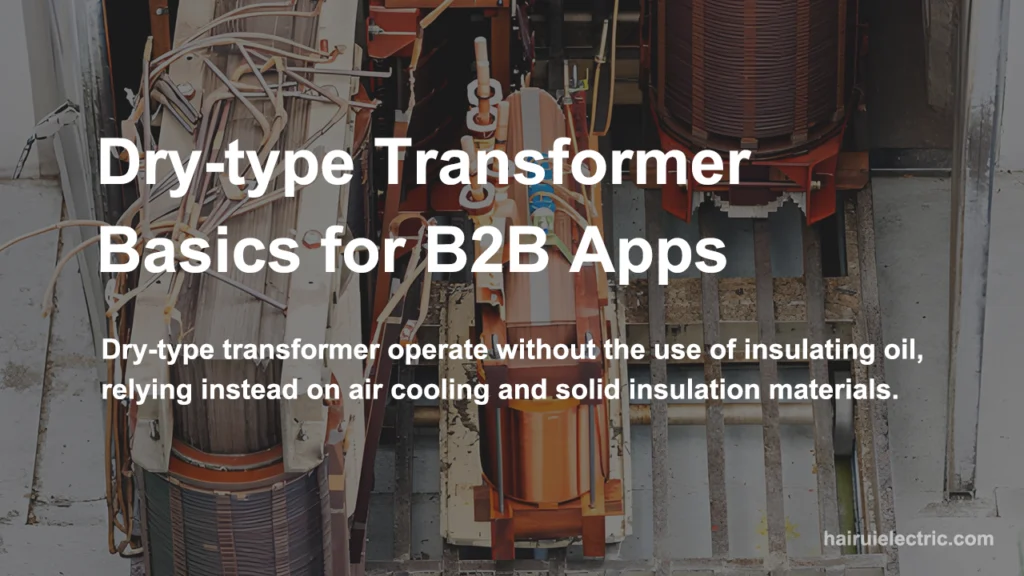
Dry-type transformer operate without the use of insulating oil, relying instead on air cooling and solid insulation materials. This design makes them inherently safer and more environmentally friendly compared to traditional oil-filled transformers. They are widely used in schools, hospitals, factories, and commercial buildings. This blog explains what a dry-type transformer is, why it matters […]
If you’ve ever wondered why more and more businesses are turning to dry-type transformer, you’re not alone. These transformers have steadily gained popularity across industries, especially for B2B customers like those in manufacturing, commercial construction, and renewable energy sectors. Unlike traditional oil-immersed transformers, dry-type transformers rely on air for cooling, making them cleaner, safer, and […]
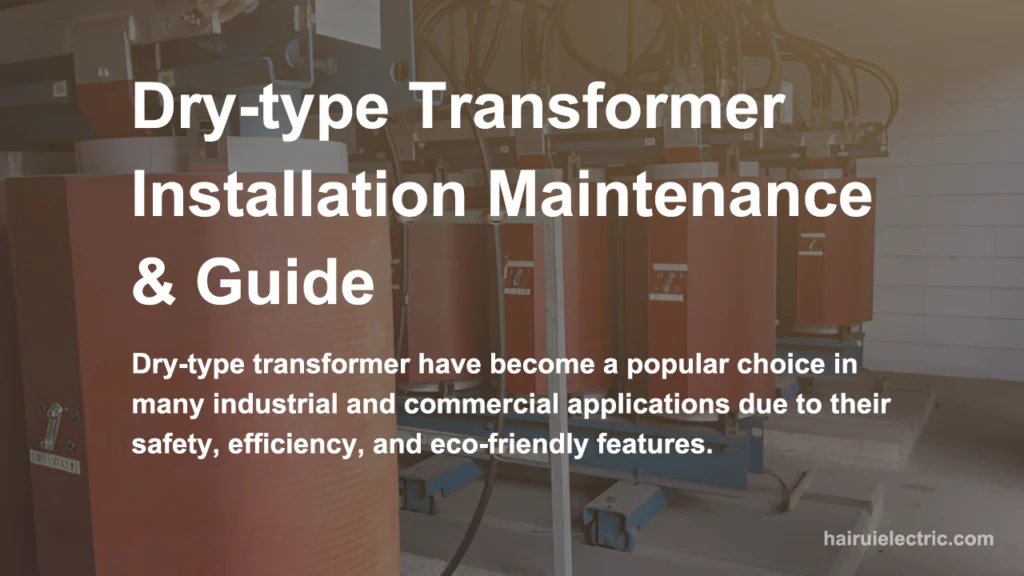
Dry-type transformer have become a popular choice in many industrial and commercial applications due to their safety, efficiency, and eco-friendly features. Whether you’re installing a new transformer or maintaining an existing one, understanding the proper installation methods, routine care, and environmental benefits is crucial to maximizing performance and lifespan. Let’s dive into the essentials of […]
We use cookies to enhance your browsing experience, serve personalised ads or content, and analyse our traffic. By clicking "Accept All", you consent to our use of cookies.