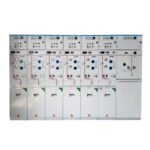
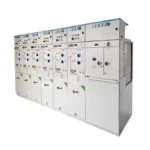
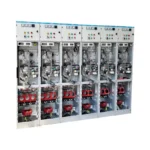
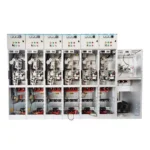
Description
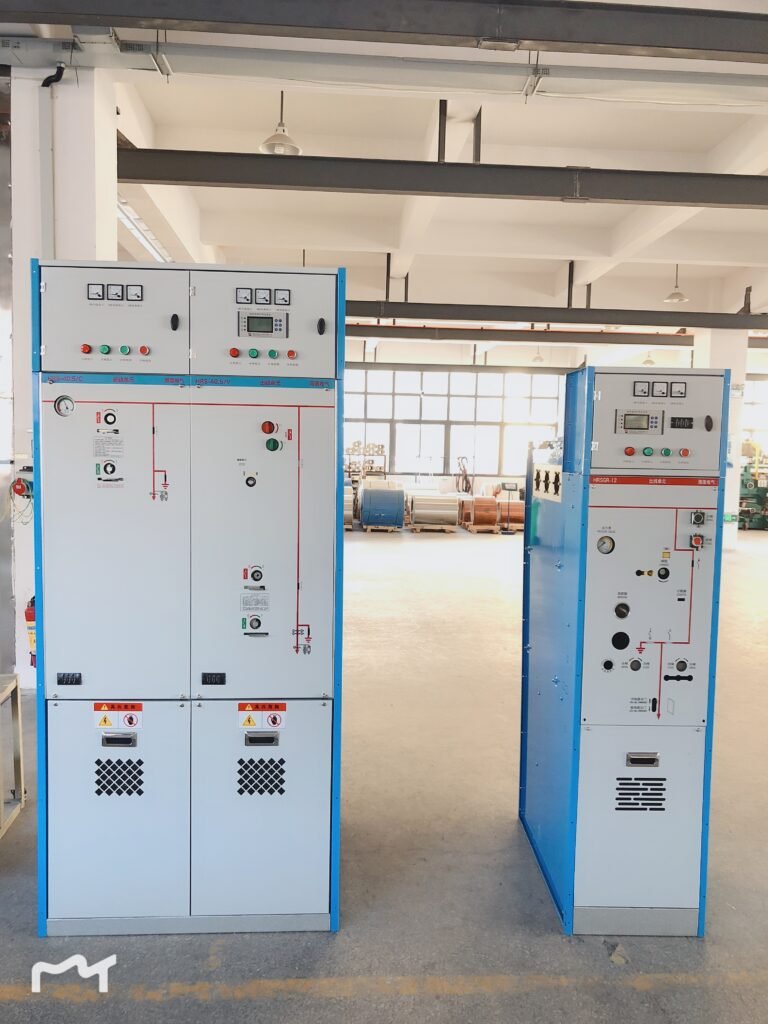
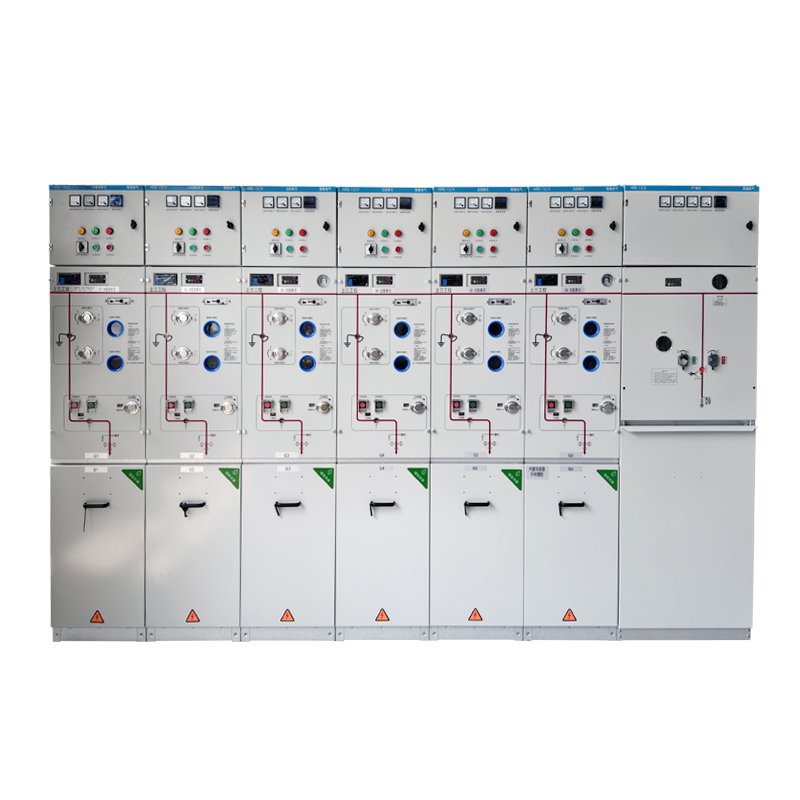
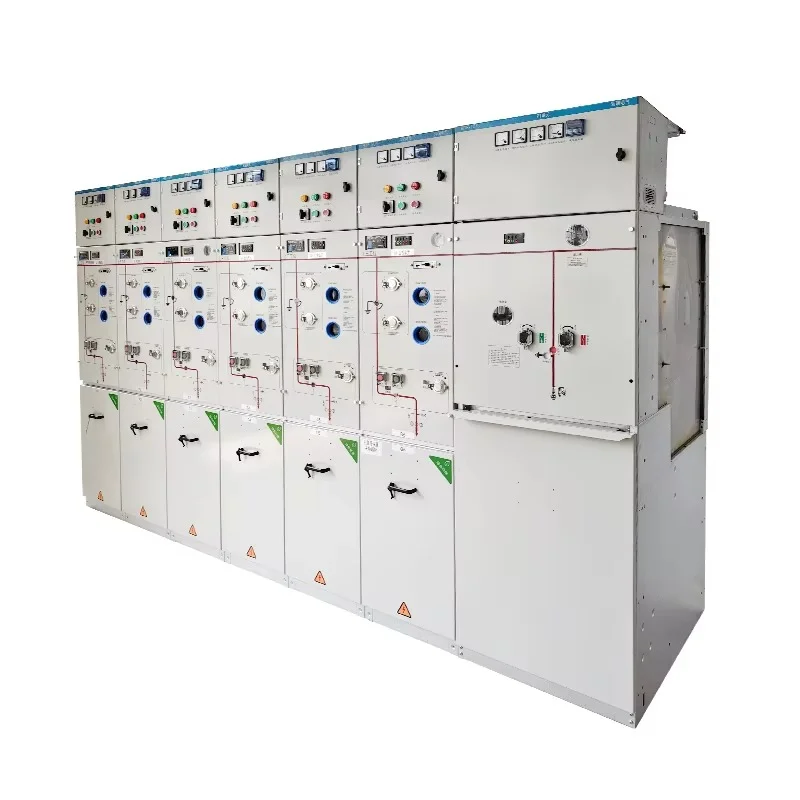
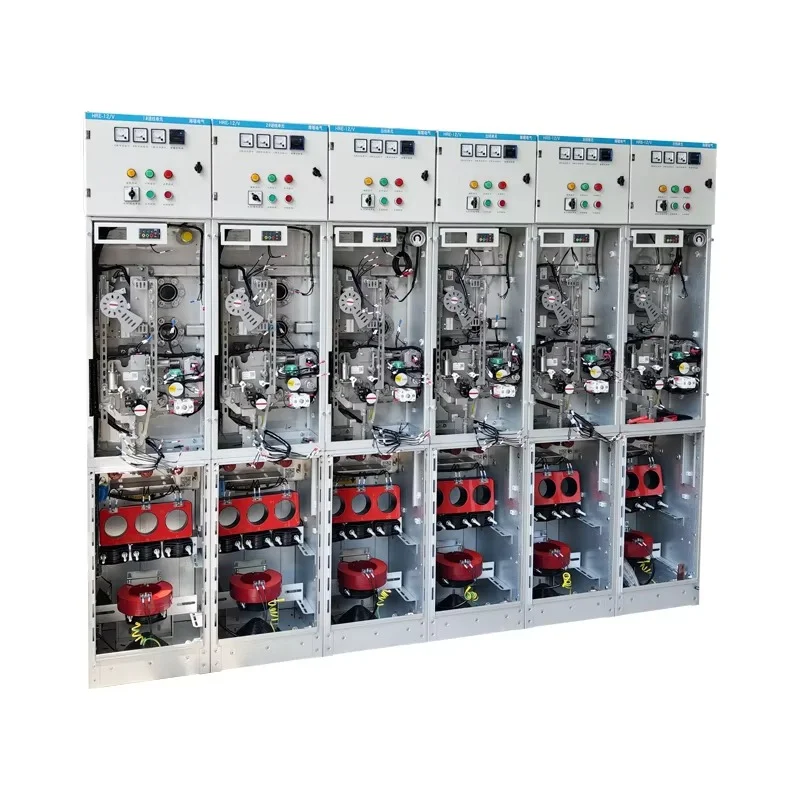
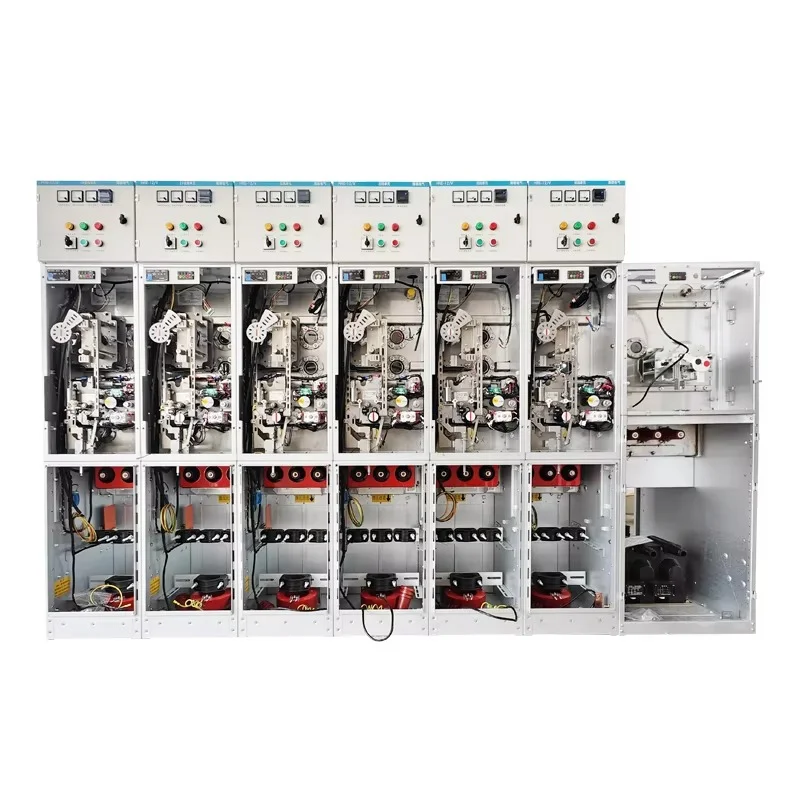
Unlike traditional air-insulated switchgear, the inflatable cabinet uses SF6 gas as an insulating and arc-quenching medium. All live parts and switching components are sealed inside a stainless-steel enclosure, effectively preventing external influences such as dust, humidity, and pollution. This structure ensures stable performance, making the inflatable cabinet equipment an excellent choice for modern power systems, urban distribution networks, and renewable energy projects.
Key Features
Gas-insulated design with SF6 providing excellent dielectric strength.
Compact size – ideal for installation in limited spaces.
Sealed stainless-steel enclosure prevents leakage and external contamination.
Maintenance-free design reduces operational costs over the equipment’s lifetime.
Flexible modular structure – easy to expand or configure for ring main units.
High safety level with arc protection and fault isolation functions.
Advantages
Choosing an inflatable switchgear cabinet provides multiple benefits:
Enhanced reliability – unaffected by dust, moisture, and harsh environmental conditions.
Safety assurance – arc-resistant design and complete enclosure reduce operator risks.
Longevity – gas-sealed systems ensure stable performance over decades.
Low footprint – compact design saves installation space in urban substations.
Scalable system – modular configurations adapt to different distribution needs.
Eco-friendly options – available with SF6 alternatives for green projects.
Applications
The inflatable cabinet equipment is widely used in:
Urban power distribution systems – residential and commercial areas with limited space.
Industrial facilities – steel plants, chemical factories, and large-scale manufacturing.
Renewable energy projects – wind power, solar farms, and energy storage stations.
Infrastructure projects – railways, airports, and subways requiring stable electricity.
Ring main unit (RMU) systems – ensuring continuous power supply and redundancy.
Installation & Maintenance
Installation of an inflatable cabinet requires minimal effort due to its modular and sealed design. Steps include:
Preparing a flat foundation and proper grounding.
Positioning the cabinet and connecting high-voltage cables.
Ensuring proper sealing to maintain SF6 gas pressure.
Conducting operational testing before energization.
Maintenance is simplified:
No need for frequent cleaning or inspections of internal parts.
Routine checks focus on gas pressure, protective relay functions, and cable terminations.
Periodic infrared inspections help identify abnormal heating.
How to Choose the Right Inflatable Cabinet
When selecting inflatable cabinet equipment, key considerations include:
Voltage and current rating required by your network.
Configuration type – single unit or modular ring main unit (RMU).
Installation site – indoor or outdoor application.
Gas insulation medium – SF6 or eco-friendly alternatives.
Certification & compliance – IEC, CE, and ISO standards for safety and performance.
FAQ
What is an inflatable cabinet?
It is a gas-insulated switchgear where live components are sealed in SF6-filled enclosures for reliable and safe operation.
Why use an inflatable cabinet instead of traditional switchgear?
It offers higher safety, compact design, and better reliability in polluted or humid environments.
Can inflatable cabinets be customized?
Yes, configurations can be adapted for distribution networks, ring main units, and renewable energy projects.
How long is the service life?
Typically more than 25 years with minimal maintenance.
Are SF6-free options available?
Yes, eco-friendly alternatives are increasingly used to reduce environmental impact.
Request Quote
Tell us your specifications, quantity, or application scenario and we will reply with a tailored quote.