In the world of industrial automation and power distribution, control transformers play a small yet pivotal role in ensuring stable voltage and reliable performance. Whether you’re an electrical engineer designing complex control panels or a procurement specialist sourcing reliable components from trusted control transformer suppliers, understanding the core and winding designs of control transformers can help you make smarter purchasing decisions—and improve operational reliability.
This article breaks down the structure, design differences, and performance factors of control transformer cores, explores how winding configurations affect efficiency, and provides insights for businesses seeking the right manufacturers, wholesalers, or custom transformer solutions for their specific needs.
The Role of Control Transformers in Electrical Systems
Before diving into core and winding details, let’s clarify what control transformers actually do. Unlike power transformers that handle high voltage transmission, control transformers operate at lower voltages. They are primarily designed to regulate and stabilize voltage for control circuits, machinery, and instrumentation panels.
In an industrial setting, these transformers provide constant current and reliable power to devices such as:
Programmable Logic Controllers (PLCs)
Contactors and relays
Solenoids and sensors
Motor starters and industrial control panels
Because stable voltage is critical for precision-controlled equipment, the core material and winding design directly influence a control transformer’s performance, durability, and cost-effectiveness.
Understanding the Control Transformer Core
The “core” of a control transformer is its magnetic heart. It determines how efficiently the transformer converts electrical energy and minimizes losses. Selecting the proper core material and core shape is essential for optimizing performance.
Common Core Materials
Core Material
Characteristics
Suitable for
Silicon Steel Laminations
High magnetic permeability, cost-effective, and widely available.
General industrial control transformers.
Grain-Oriented Silicon Steel (GO Steel)
Lower hysteresis losses, excellent efficiency at 50/60 Hz.
High-efficiency control transformers or frequency-sensitive equipment.
Ferrite Core
Excellent for high-frequency applications, lightweight.
Electronic control devices, compact transformers.
Amorphous Alloy Core
Very low core losses, ideal for energy-saving transformers.
Premium applications, long operating cycles.
Silicon steel cores remain the standard choice among manufacturers and suppliers, offering a balance of cost and performance. For applications requiring minimal energy loss, grain-oriented or amorphous alloy cores provide advanced efficiency but come at higher prices.
Different Core Designs and Their Applications
Control transformer cores come in several shapes and configurations, each serving specific mechanical and electrical purposes.
1. E–I Core Design
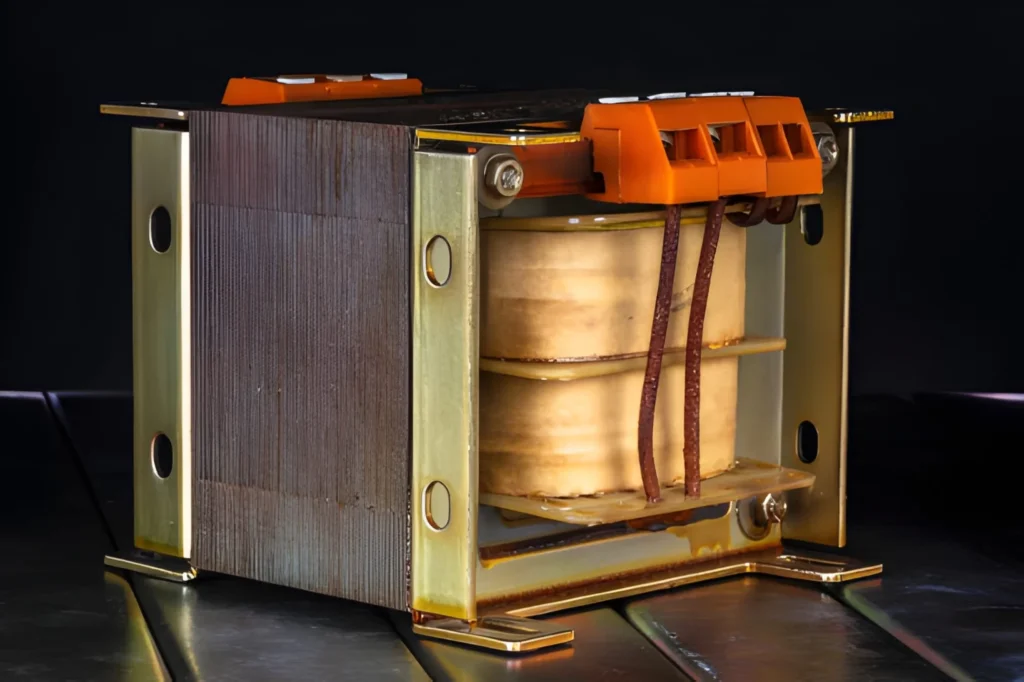
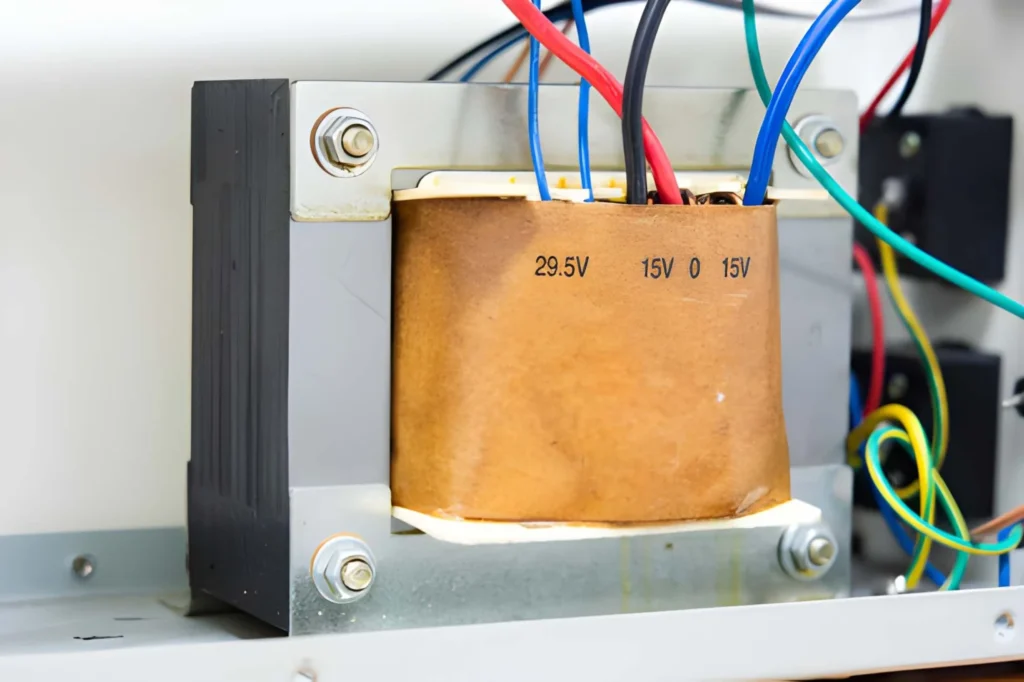
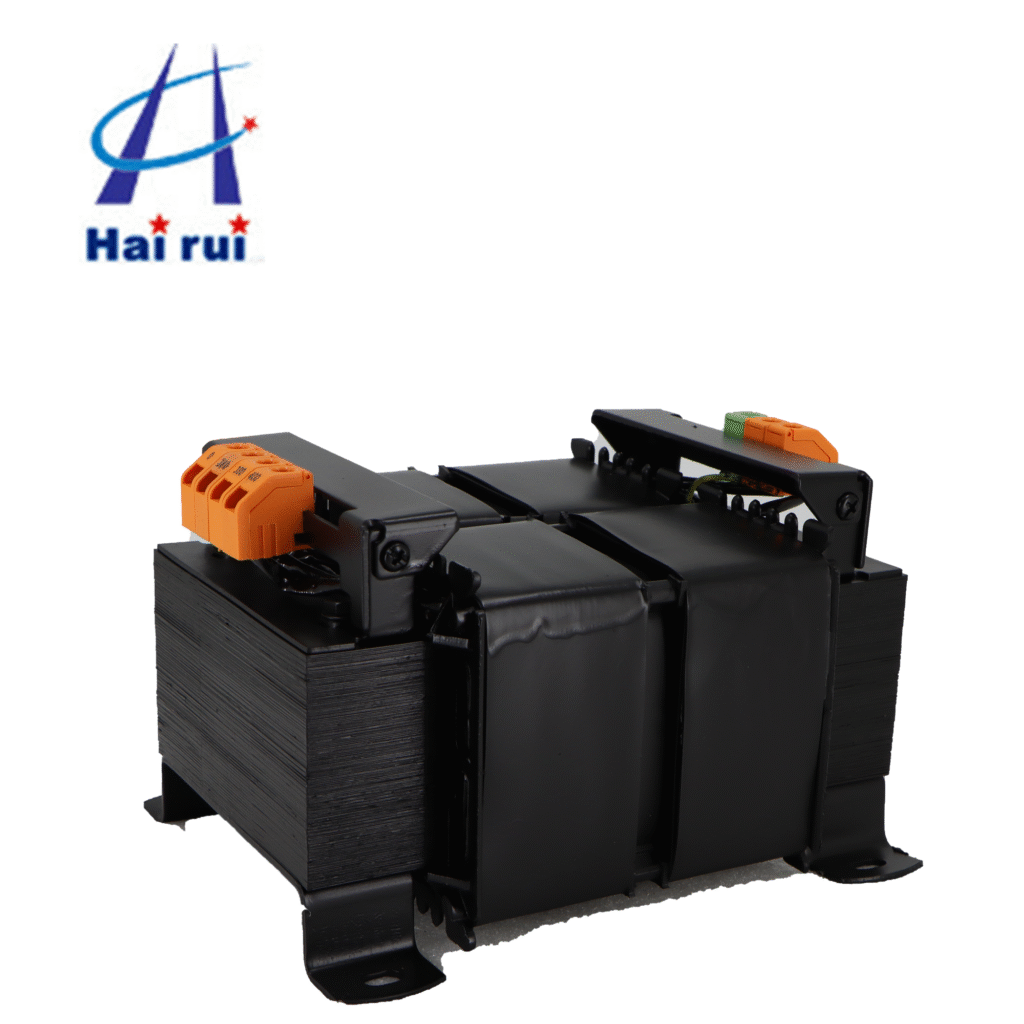
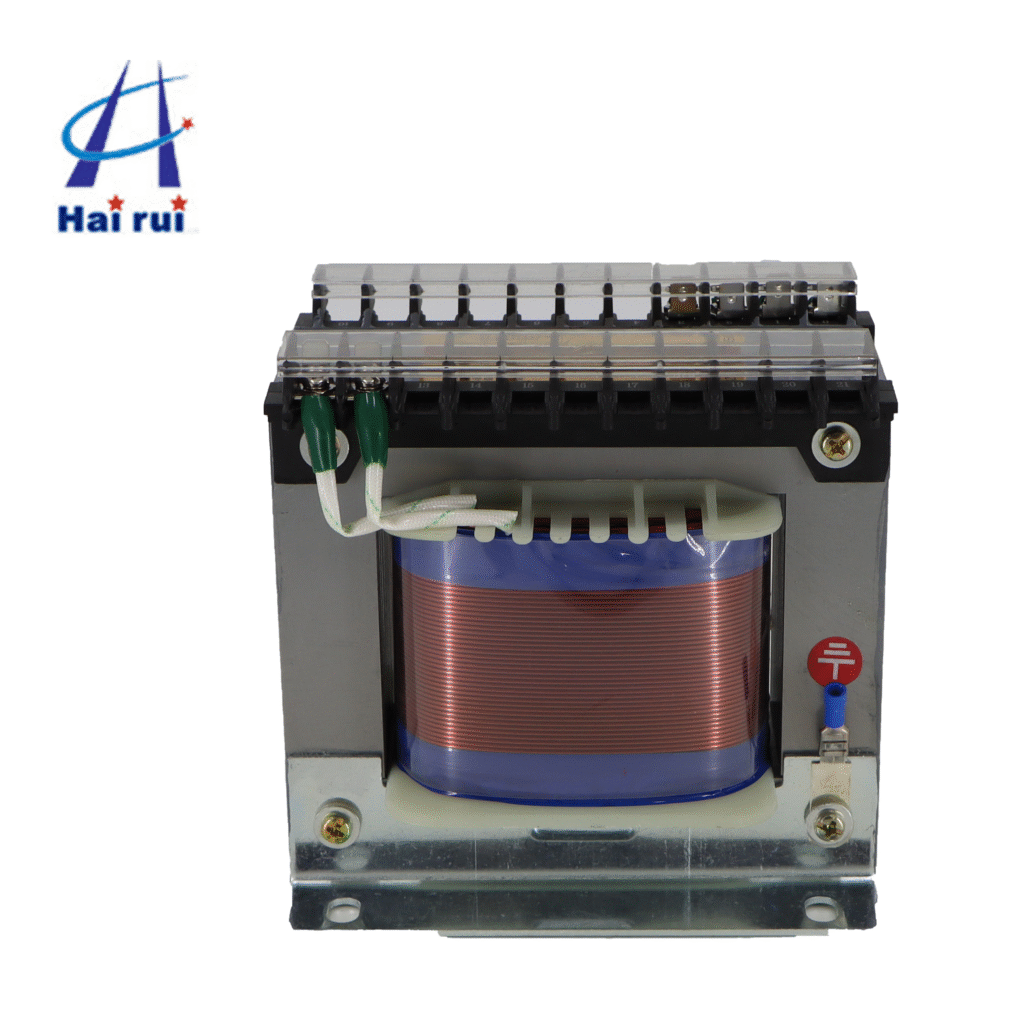
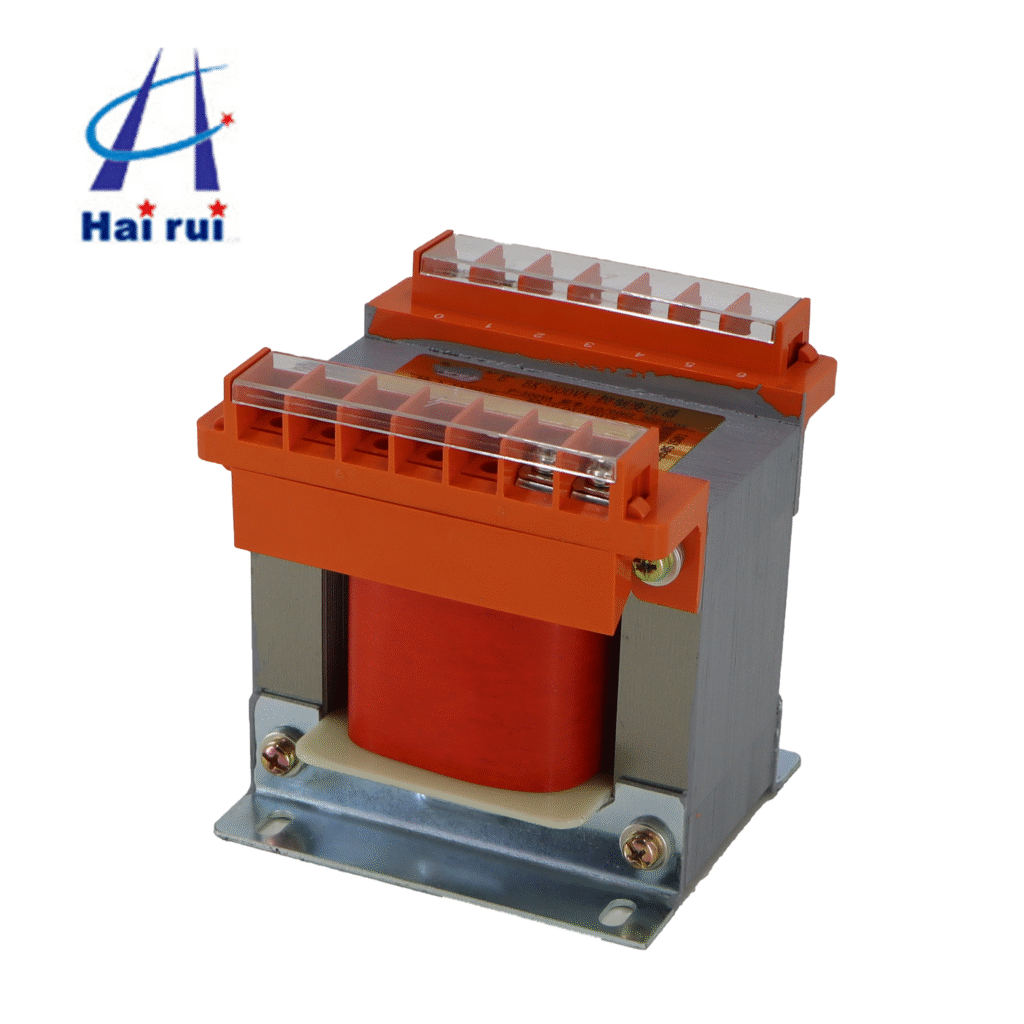
The E–I core is the most traditional and cost-effective design. It features laminated steel sheets shaped like the letters E and I combined together.
Pros: Easy to manufacture and assemble; widely used by wholesalers for high-volume applications.
Cons: Slightly higher core losses due to joints between laminations.
Typical Applications: Panel boards, industrial lighting control, small motor control systems.
2. Toroidal Core Design
Toroidal cores are circular and offer highly efficient magnetic paths. They are popular among manufacturers who focus on compact transformers with minimal noise.
Pros: Lower magnetic leakage, compact size, quiet operation.
Cons: Harder to wind, higher production costs.
Ideal for: Precision instruments, laboratory controls, and automation systems with space constraints.
3. C-Core and Cut-Core Designs
These cores are split designs that improve assembly and serviceability.
C-cores have two “C” shaped halves joined together, while cut-cores are similar but optimized for rapid production.
Pros: Easier maintenance, reduced hum, and better mechanical durability.
Cons: Slightly more expensive than E–I cores.
Applications: Switchboards, UPS systems, and heavy-duty industrial control panels.
Winding Designs: The Nerve of a Control Transformer
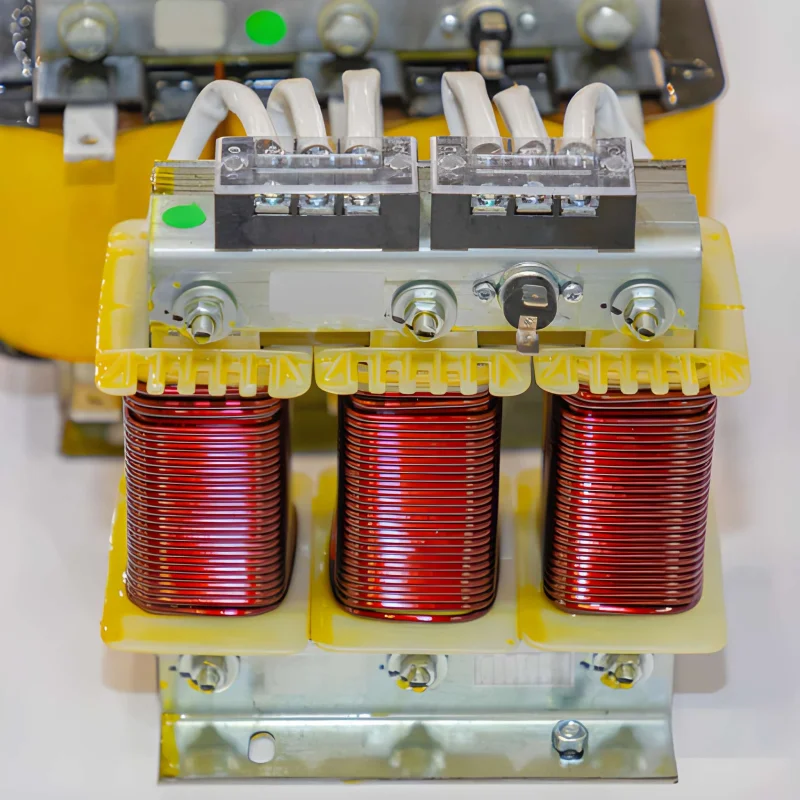
While the core handles magnetic flux, windings manage the electrical current flow. The design, material, and configuration of windings determine voltage regulation, efficiency, and temperature performance.
Common Winding Materials
Winding Material
Advantages
Disadvantages
Copper Windings
High conductivity, low thermal expansion, and excellent reliability.
Higher material cost.
Aluminum Windings
Lightweight and cost-effective.
Lower conductivity, larger cross-sectional area needed.
Copper-Clad Aluminum
Combines lightweight ownership with good performance.
Less common; limited availability among wholesalers.
Top manufacturers often use pure copper windings for better durability and stability, particularly in precision control equipment. Aluminum windings remain popular among price-sensitive buyers due to their lower cost and easier customization.
Types of Winding Configurations
Different winding patterns result in varying performance characteristics. Here are the most common types used in control transformers:
Layer Winding
Wire is wound in layers separated by insulation. Advantages: Simple construction and easy repair. Best for: Low-voltage industrial transformers or custom prototypes.
Disk Winding
Uses multiple flat disks connected in series or parallel. Advantages: Excellent cooling and reduced leakage. Ideal for: High-capacity control transformers requiring consistent performance.
Foil Winding
Copper or aluminum foil replaces round wire. Advantages: Excellent mechanical strength and heat dissipation. Used in: Compact or high-current control transformers.
Core and Winding Combinations: Choosing the Right Pair
Choosing the right combination of core and winding designs depends on operating conditions, load profile, and cost constraints. For example:
Core Type
Winding Design
Typical Use Case
Target Buyers
E–I Core
Layer Winding
General-purpose industrial control
Wholesalers and OEM suppliers
Toroidal Core
Foil Winding
Space-limited control enclosures
Automation manufacturers
C-Core
Disk Winding
High-load continuous operations
Engineering contractors or Custom OEM projects
For many B2B buyers, balancing price and efficiency is key. A conversation with a reliable transformer manufacturer can help match materials and design options to specific application requirements, reducing total cost of ownership.
Customization Trends Among Manufacturers and Suppliers
The demand for custom control transformers is sharply increasing as automation systems become more specialized. Manufacturers and suppliers are responding by offering tailor-made solutions based on:
With the rise of OEM partnerships, buyers can request complete design customization — from core material choice to terminal configuration, ensuring performance optimization while maintaining competitive prices.
If your project needs a custom control transformer, don’t hesitate to reach out to a professional supplier for a quick quote or technical consultation.
Comparing Control Transformer Prices Globally
Pricing across control transformer manufacturers varies based on three key parameters:
Core Material Cost: Amorphous cores and grain-oriented steel increase production costs by 10–30%.
Winding Material: Copper leads to higher price points but greater efficiency.
Customization Level: Tailor-made industrial designs can raise price tags due to engineering and tooling expenses.
Product Type
Average Factory Price (USD/Unit)
Typical MOQ
Supplier Region
100VA E–I Core Transformer
$12–$18
100 pcs
China, India
500VA C-Core Transformer
$25–$40
50 pcs
China, Germany
Toroidal Core Control Transformer (Premium)
$40–$60
20 pcs
Japan, Korea
Custom Foil-Wound Transformer
$60–$120
10 pcs
USA, UK
Note: Prices fluctuate based on copper and steel market trends, manufacturer location, and shipping terms. Bulk buyers or wholesalers usually receive discounts of 10–20% for large-volume orders.
How Core and Winding Design Impact Efficiency
A well-designed transformer reduces power loss and thermal stress, ensuring a longer service life. Two key performance metrics engineers should evaluate are:
Iron losses (hysteresis and eddy currents) – dependent on core material and lamination quality.
Copper losses (I²R losses) – determined by winding material, gauge, and design.
Proper selection and customization can lead to efficiency gains of 3–8%, which might seem small but result in major cost savings for large-scale installations.
Common Challenges and How to Overcome Them
1. Overheating Issues: Often due to undersized windings or poor core material. Choosing high-grade copper and ensuring proper thermal design reduces overheating risk.
2. Voltage Fluctuations: May result from magnetic leakage or improper winding tension. Always verify with calibrated testing equipment from trusted transformer manufacturers.
3. Noise and Vibration: E–I core laminations that are loosely assembled can create buzzing noise. Using toroidal or C-core transformers usually minimizes this issue.
In today’s competitive industrial landscape, the control transformer core and winding design you choose can significantly affect system reliability and cost efficiency. By understanding how materials and geometry influence performance, engineers and procurement professionals can make better-informed decisions.
When working with trusted manufacturers, suppliers, or wholesalers, always compare both technical specifications and after-sales support—not just prices. Whether you’re sourcing standard control transformers or developing custom-engineered versions, the right combination of core materials and winding design will ensure stable, efficient, and long-lasting electrical performance.
If you’re planning your next project or bulk purchase, reach out for a custom quote or engineering consultation today — the right transformer starts with the right supplier.
FAQ
How do I choose between copper and aluminum windings?
Go for copper when performance and reliability are your top priorities. Choose aluminum if you need cost-effective solutions for standard control loads.
Are toroidal transformers better for all applications?
Not always. They offer high efficiency and quiet operation but come with higher prices and complex assembly. For general control circuits, E–I cores are still excellent.
Can I request a customized core shape or size?
Yes. Many control transformer manufacturers offer full customization based on your panel size, mounting method, and voltage range.
How can I find reliable suppliers?
Look for manufacturers with UL/ISO certifications, strong export histories, and transparent after-sales services. Request samples or factory audits if possible.
Do control transformer prices fluctuate?
Yes. Market prices are impacted by copper, steel, and logistics costs, as well as exchange rate changes.
In every industrial facility, behind the hum of machines and the glow of control panels lies a quiet hero — the standard control transformer. It doesn’t grab headlines or require much attention, but without it, the electrical systems that monitor, automate, and protect your operation simply wouldn’t function reliably. In this article, we’ll take a closer […]
When you think about powering modern industrial systems, control transformers Wiring play a crucial role that often goes unnoticed. These compact devices step down voltage levels to safely supply control circuits, motor starters, and automation equipment throughout facilities worldwide. But getting the wiring right? That can make all the difference between smooth operations and costly […]
If you have ever specified a control panel, designed an automation cabinet, or sourced components for an industrial project, you have probably encountered control transformer — and perhaps underestimated how important that choice really is. A control transformer may look small compared to motors, drives, or PLCs, but it quietly determines whether your control system […]
We use cookies to enhance your browsing experience, serve personalised ads or content, and analyse our traffic. By clicking "Accept All", you consent to our use of cookies.