Micron control transformers sit quietly in your control panel, but they decide whether your machinery starts smoothly or fails at the worst possible moment. For OEMs, panel builders, and purchasing managers, choosing the right Micron control transformer is not just a technical decision, it is a reliability and cost decision across the whole life cycle of the machine. This guide walks you through what a Micron control transformer is, how it works, how to select it, and what to look for when you source it for industrial, HVAC, and automation projects.
What Is a Micron Control Transformer?
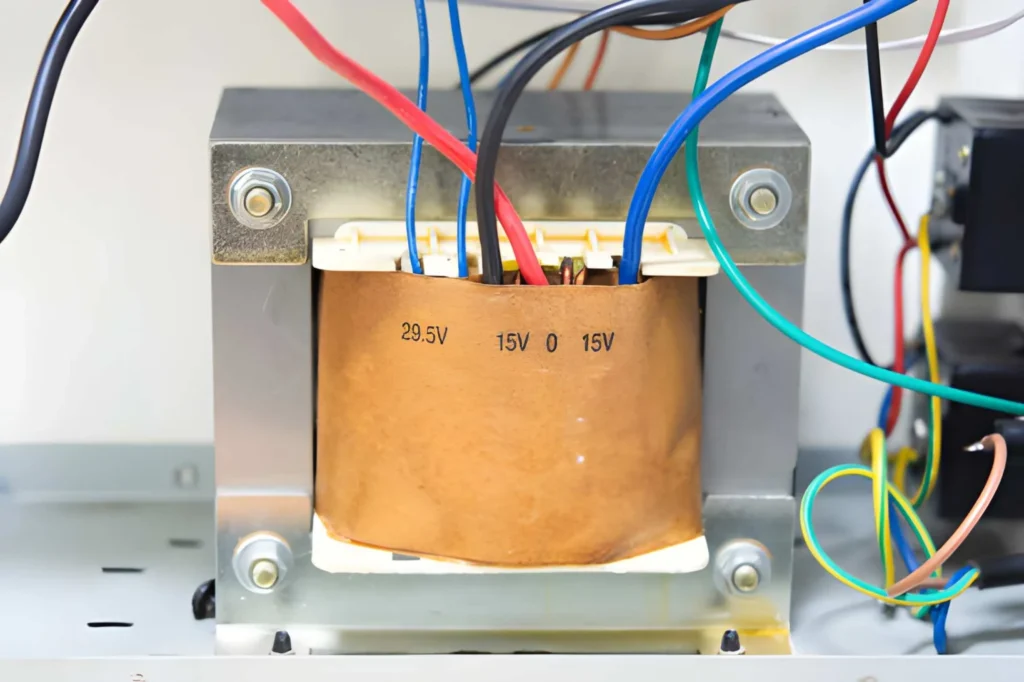
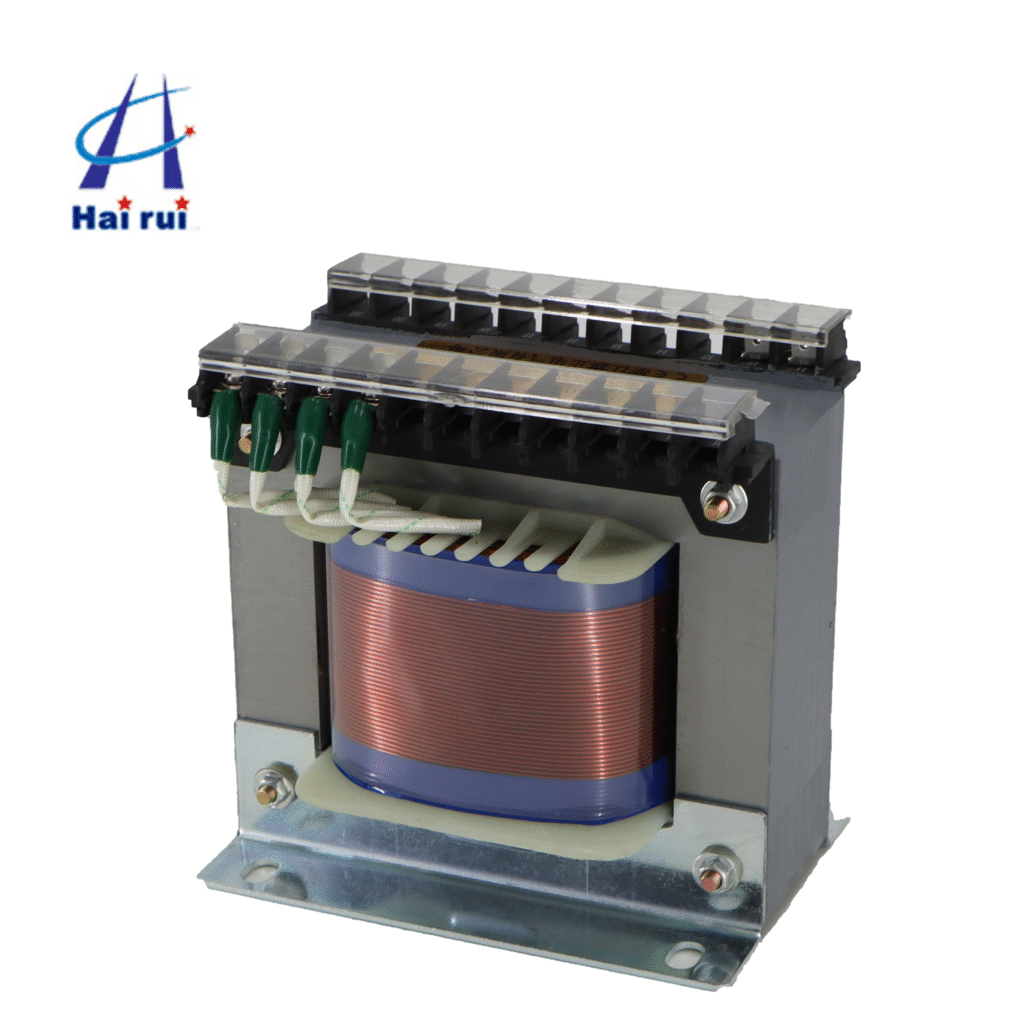
A Micron control transformer is a single-phase transformer designed to provide stable, stepped‑down voltage to control circuits, such as contactors, relays, PLC inputs, and pilot devices. These devices isolate and regulate control power from higher line voltages like 240 V, 480 V, or 600 V to common control voltages such as 24 V, 120 V, or 230 V.
Micron is widely recognized in North America as a leading manufacturer of control magnetics and is especially known for its ImperviTRAN 600‑volt‑class control transformers. Many OEMs and panel shops treat Micron control transformers as a default choice in motor control centers, machine tools, packaging machinery, and industrial ovens.
Typical control applications
Micron control transformers are used wherever sensitive control circuits need reliable low‑voltage power while the machine is tied to a higher voltage distribution system. Common application scenarios include:
Motor starters and MCC panels for pumps, fans, and compressors.
Industrial ovens, furnaces, and process heaters requiring robust control power.
Conveyors, packaging lines, and material‑handling systems in factories and warehouses.
Basic specification snapshot
Below is an example of what you will typically see when you evaluate a Micron control transformer in a catalog or from a distributor.
Parameter
Typical Micron Control Transformer Range*
Primary voltage
120/240 V, 240/480 V, 380/400/415 V, 600 V class
Secondary voltage
12 V, 24 V, 120 V, 230 V (varies by model)
VA rating
~50 VA up to several kVA for control duty
Construction
Open frame or fully encapsulated (ImperviTRAN, GlobalTRAN)
*Exact values depend on series and model. Always confirm with the latest datasheet.
If you are currently building or upgrading a control panel and want fast support on VA sizing or model selection, you can send your load list and line voltage to your transformer supplier to get a recommended Micron control transformer configuration.
Micron offers several product families in the control transformer space, each targeting different environments and standards. For B2B buyers, understanding these lines helps match cost, performance, and compliance needs.
Core lines for control circuits
Two names you will see repeatedly in Micron control transformer discussions are ImperviTRAN and GlobalTRAN.
ImperviTRAN: This is Micron’s fully encapsulated industrial control transformer line, known for its toughness and long service life in harsh environments.
GlobalTRAN: This line also uses an encapsulated design, but is oriented toward global markets and carries CE marking with compliance to EN 61558‑2‑2.
These series differ slightly in their feature set and certifications, even when they share similar VA ratings.
Example: ImperviTRAN vs GlobalTRAN
The table below illustrates typical positioning of these two popular Micron control transformer series for engineering and purchasing discussions.
Feature / Aspect
ImperviTRAN Industrial Control Transformer
GlobalTRAN Industrial Control Transformer
Construction
Fully encapsulated, robust for industrial duty
Tough encapsulated design for global use
Typical usage
North American industrial and commercial equipment, control panels, centers
OEMs exporting machines requiring CE and EN 61558‑2‑2 compliance
Certifications
UL / cUL for control transformers (series dependent)
CE mark and EN 61558‑2‑2 compliance
Terminals
Industrial screw terminals, robust blocks
Touch‑proof terminals with Micron SafeTouch covers or similar options
Environment
High vibration, dirty, or corrosive environments where encapsulation protects windings
Panels that must meet international safety and touch‑safety requirements
If you sell equipment into both domestic and export markets, it is common to standardize on one of these Micron control transformer series per market to simplify inventory, documentation, and approvals.
How Micron Control Transformers Work in Control Circuits
From an engineering point of view, a Micron control transformer is a single‑phase isolation transformer with a primary winding tuned to the line voltage and a secondary winding tuned to the required control voltage. The transformer provides electrical isolation and stabilizes control voltage even when line conditions fluctuate within specified limits.
Primary and secondary basics
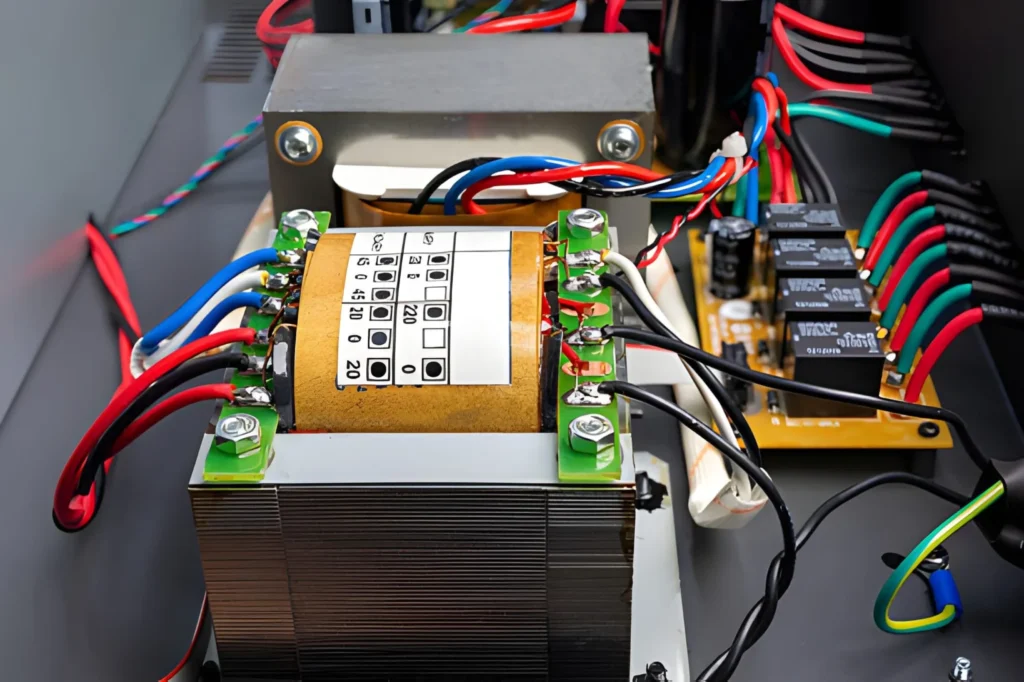
On Micron control transformers, primary terminals are typically labeled H (H1, H2, etc.) and secondary terminals are labeled X (X1, X2, etc.). The primary taps allow you to connect different supply voltages, while the secondary delivers the fixed voltage used by coils, control relays, and PLC inputs.
Inrush and continuous load are crucial in control transformer design: contactor and relay coils draw a brief inrush VA when energized, which can be much higher than their steady‑state VA. Micron’s catalogs provide selection tables that link inrush VA and required secondary voltage to the correct transformer VA size.
Typical design considerations
Engineers often design around three key calculations when applying a Micron control transformer:
Total steady‑state VA of all loads energized at the same time.
Total inrush VA of the largest coil or combination of coils expected to close simultaneously.
Allowable voltage drop on the secondary during inrush (often 10% or less for reliable coil pickup).
Manufacturers publish four‑step selection methods where you determine supply voltage, secondary voltage, total VA, and inrush VA, then use tables to read off the appropriate Micron control transformer rating. If you want help cross‑checking your selection, you can always share your load list and operating voltage and request a recommendation before ordering.
Benefits of Using Micron Control Transformers
For B2B customers, Micron control transformers offer value that goes beyond the nameplate. They address reliability, safety, global compliance, and total cost of ownership in industrial control systems.
Reliability and life expectancy
Micron’s encapsulated ImperviTRAN units are designed to protect windings, solder joints, and terminal connections from moisture and corrosion. Encapsulation provides more even heat dissipation and protects against mechanical damage during shipping and installation.
Published mean time between failures (MTBF) for Micron’s 600‑volt‑class ImperviTRAN line is on the order of 192,720 hours, highlighting its suitability for continuous duty applications. In practice, this long MTBF translates into fewer unexpected shutdowns and lower maintenance costs over the life of the machine.
Safety and compliance
GlobalTRAN control transformers feature touch‑proof terminals using Micron SafeTouch covers or similar touch‑safe terminal technology. This reduces the risk of accidental contact in cramped panels and facilitates compliance with international safety standards.
The CE marking on GlobalTRAN models indicates compliance with EN 61558‑2‑2, which covers safety requirements for control transformers and power supplies. For OEMs exporting machines to Europe or other regions that recognize these standards, choosing a Micron control transformer with the right marks simplifies acceptance and reduces certification work.
Why OEMs and panel builders prefer Micron
Over decades in the market, Micron has built a reputation as a preferred supplier to the motor control and drive industry. Their broad catalog—over thousands of active designs—means OEMs can standardize across multiple projects while still covering different voltages and VA ratings.
Distributors and panel shops appreciate that many Micron control transformers are stocked locally with quick lead times, even for special order or custom winding solutions. If your project has specific requirements around primary voltage combinations, footprint, or mounting, you can often source a Micron control transformer variant without stretching your build schedule.
Practical Selection Guide for Micron Control Transformers
When sourcing Micron control transformers for your next control panel or machine build, a structured selection process helps avoid oversizing, undervaluing, or compliance issues. Below is a practical, engineer‑friendly overview.
Step‑by‑step selection logic
Define the line (primary) voltage and frequency. Confirm whether the supply is 120 V, 240 V, 480 V, 600 V, or a multi‑tap European style supply such as 380/400/415 V.
Define the required control (secondary) voltage. Common secondary voltages for Micron control transformers include 24 V and 120 V for coils and control devices.
Calculate total VA and inrush VA. Use component datasheets to sum continuous VA and identify the highest inrush VA load.
Choose the VA rating from Micron tables. Use selection tables to find a transformer whose inrush VA capability meets or exceeds your calculated requirement while maintaining secondary voltage within acceptable limits.
Select the product line (ImperviTRAN, GlobalTRAN, etc.). Match environmental conditions, certification needs, and budget to the appropriate Micron control transformer series.
Example VA selection overview
The following table illustrates the reasoning rather than exact catalog values, which vary by model and series.
Design Input
Typical Micron Choice*
Line: 480 V, 60 Hz; Control: 120 V
240/480 V primary, 120 V secondary model
Total continuous load: 150 VA
Choose transformer with ≥150 VA rating, e.g., 150–250 VA type
Inrush VA: ~400 VA
Confirm selection table shows ≥400 VA inrush at acceptable voltage drop
*Final selection must be based on Micron’s latest data sheets and exact part numbers.
If you share your line voltage, secondary voltage, and approximate VA requirement when you send an RFQ, your supplier can quickly recommend a matching Micron control transformer model and quote lead time and price.
If you are planning a new control panel, machine retrofit, or multi‑country product line and need to integrate Micron control transformers from the beginning, you can send your specification or BOM to your preferred supplier and request a quotation and technical check before finalizing your design.
FAQ
What is a Micron control transformer used for?
A Micron control transformer is used to step down higher line voltages to stable, isolated control voltages for relays, contactors, PLC I/O, and other control devices in industrial panels.
How do I size a Micron control transformer?
Sizing is based on three main factors: primary voltage, secondary voltage, and total VA (including inrush VA) of all connected loads, which are matched using Micron selection tables.
What is the difference between ImperviTRAN and GlobalTRAN?
ImperviTRAN is a fully encapsulated industrial control transformer favored for toughness and long life, while GlobalTRAN is also encapsulated but optimized for global markets with CE marking and EN 61558‑2‑2 compliance.
Are Micron control transformers suitable for export panels?
Yes, particularly GlobalTRAN models that include CE marking and meet EN 61558‑2‑2, which helps OEMs meet European and international safety requirements for control transformers.
Can Micron supply custom or special control transformer designs?
Micron manufactures a wide range of catalog and custom control magnetics, including special control transformers, reactors, and custom windings for OEM applications.
If you have ever opened a catalog or datasheet and seen “85% / 90% / 95% regulation” next to a Control Transformer, you are not alone in pausing. Engineers wonder whether it is a quality grade. Buyers wonder whether it affects price. Maintenance teams just want the contactor to stop chattering. Here is the practical […]
People often ask: what exactly is a Control Transformer, and why does it matter in industrial applications? If your operation includes control panels, relays, sensors, or machine automation, a dedicated control transformer can be the unsung hero of reliability and safety. In this article, we’ll demystify the concept, walk through how it works, outline essential […]
Replacing an industrial control transformer might sound straightforward—but even experienced engineers and procurement teams can make small mistakes that lead to big consequences. Whether you’re maintaining a production line, upgrading control panels, or troubleshooting frequent voltage drops, understanding what not to do is as important as knowing what to do. In this post, we’ll dive deep into the most common […]
We use cookies to enhance your browsing experience, serve personalised ads or content, and analyse our traffic. By clicking "Accept All", you consent to our use of cookies.