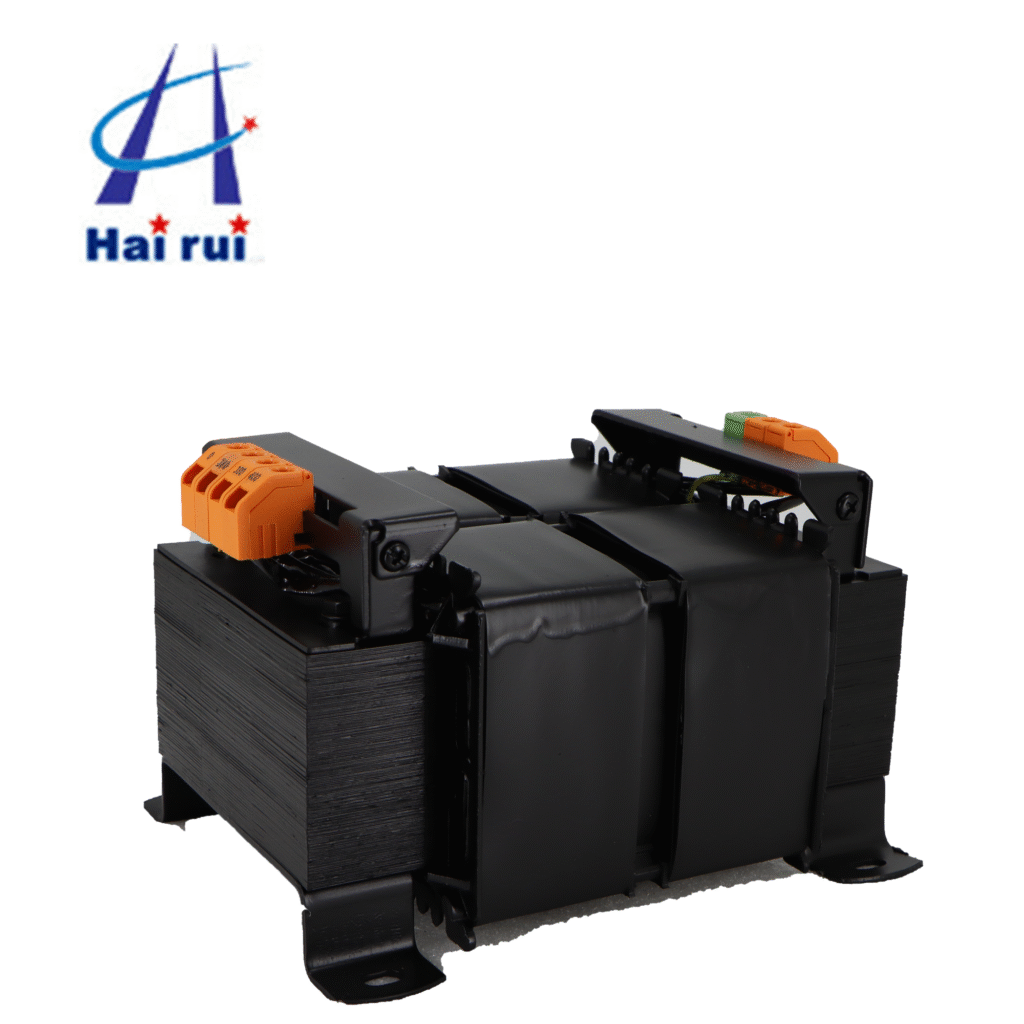
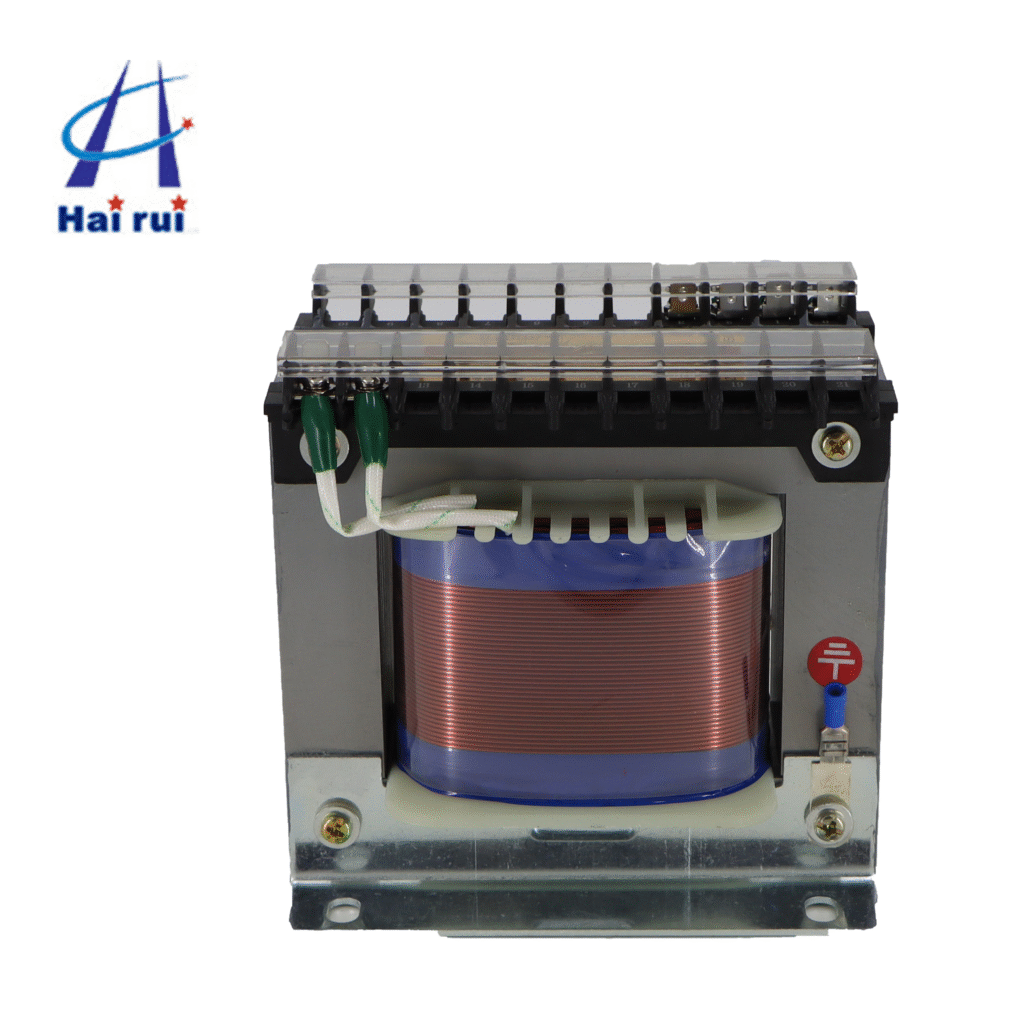
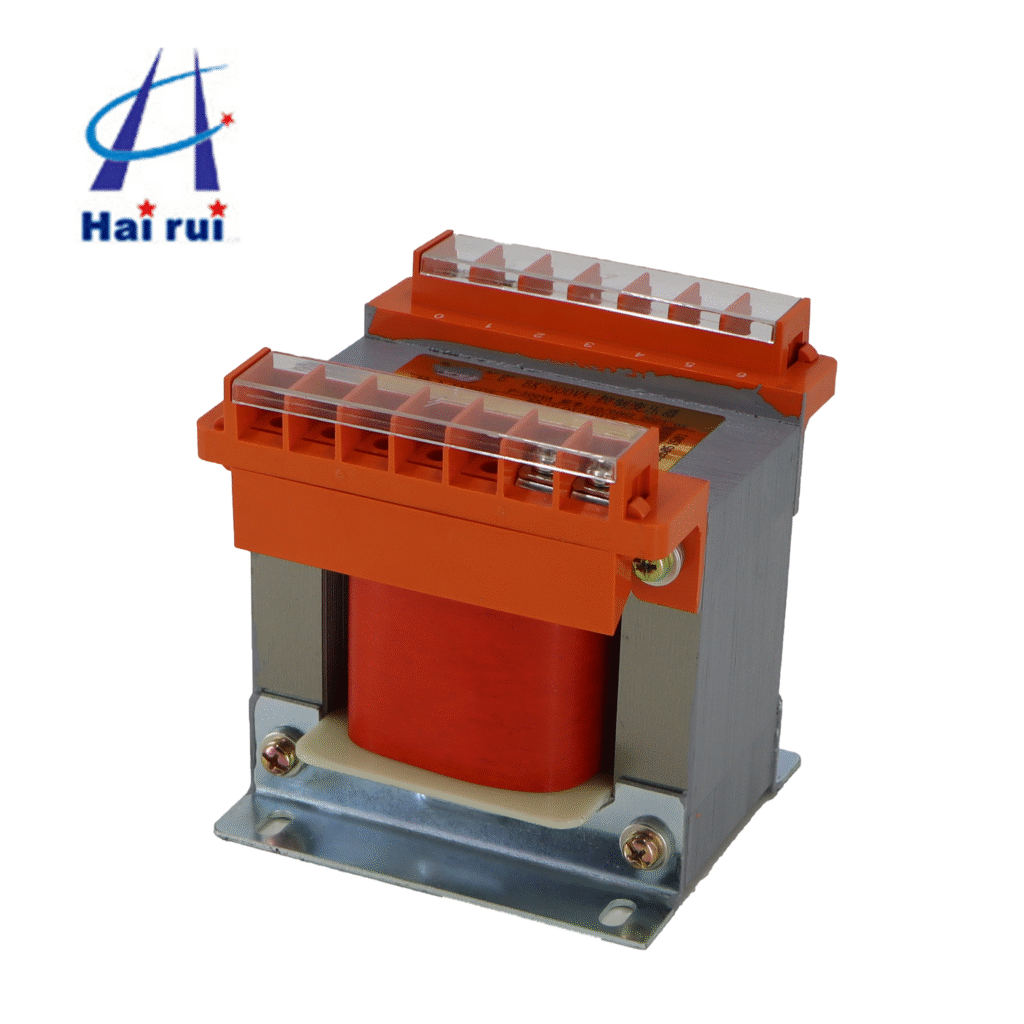
Dry-type transformer have become a popular choice in many industrial and commercial applications due to their safety, efficiency, and eco-friendly features. Whether you’re installing a new transformer or maintaining an existing one, understanding the proper installation methods, routine care, and environmental benefits is crucial to maximizing performance and lifespan. Let’s dive into the essentials of dry-type transformer management and how they contribute to greener energy solutions.
Introduction to Dry-type Transformer
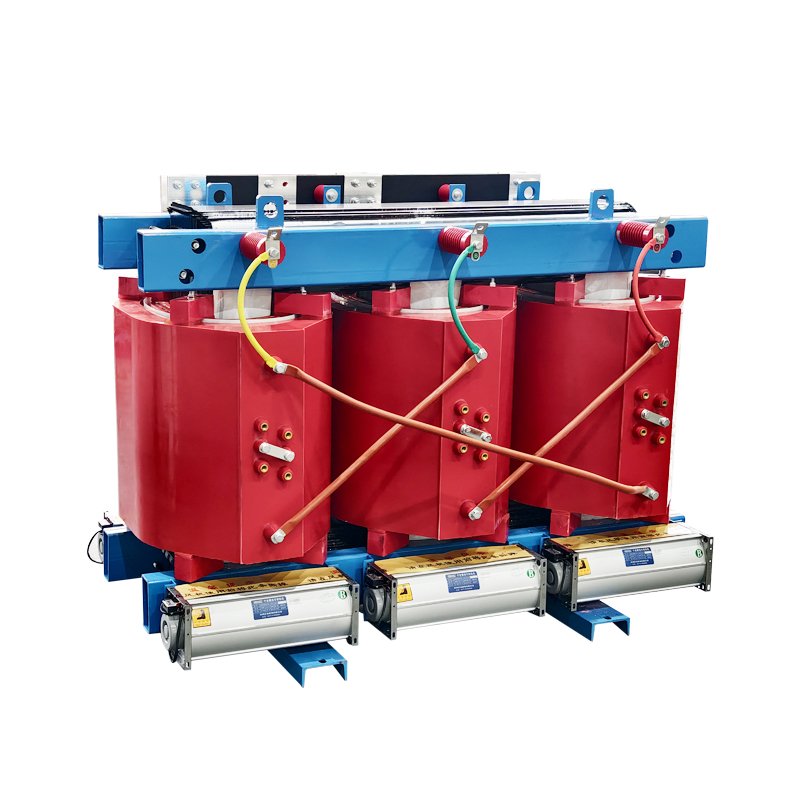
Dry-type Transformer Equipment operate without the use of insulating oil, relying instead on air cooling and solid insulation materials. This design makes them inherently safer and more environmentally friendly compared to traditional oil-filled transformers. They are widely used in schools, hospitals, factories, and commercial buildings.
Feature
Dry-type Transformer
Oil-immersed Transformer
Cooling method
Air-cooled (natural or forced)
Oil-cooled with radiator
Fire risk
Low (no flammable oil)
Higher (due to oil presence)
Maintenance
Low to moderate
Higher (oil sampling, leakage)
Environmental impact
Minimal oil pollution risk
Risk of oil spills and contamination
If you’re considering upgrading your electrical equipment, choosing a transformer means choosing safety and sustainability. Ready to improve your electrical infrastructure? Contact us for a consultation!
Installation Recommendations for Transformer
Proper installation is the backbone of transformer performance. Here are key considerations to keep in mind:
Environmental & Location Factors
Install indoors in a dry, well-ventilated area.
Avoid dusty, humid, or corrosive atmospheres.
Ensure ambient temperature does not exceed 40°C.
Keep away from flammable materials and direct water exposure.
Installation Steps
Pre-Installation Checks: Verify transformer condition upon delivery — check for shipping damage and confirm nameplate specs.
Foundation Prep: Use a level, smooth, reinforced concrete foundation capable of bearing the transformer’s weight.
Positioning: Place the transformer upright with proper clearance (minimum 0.5 m from walls or other equipment) to optimize airflow.
Grounding: Connect a reliable grounding system per safety codes to ensure personnel safety.
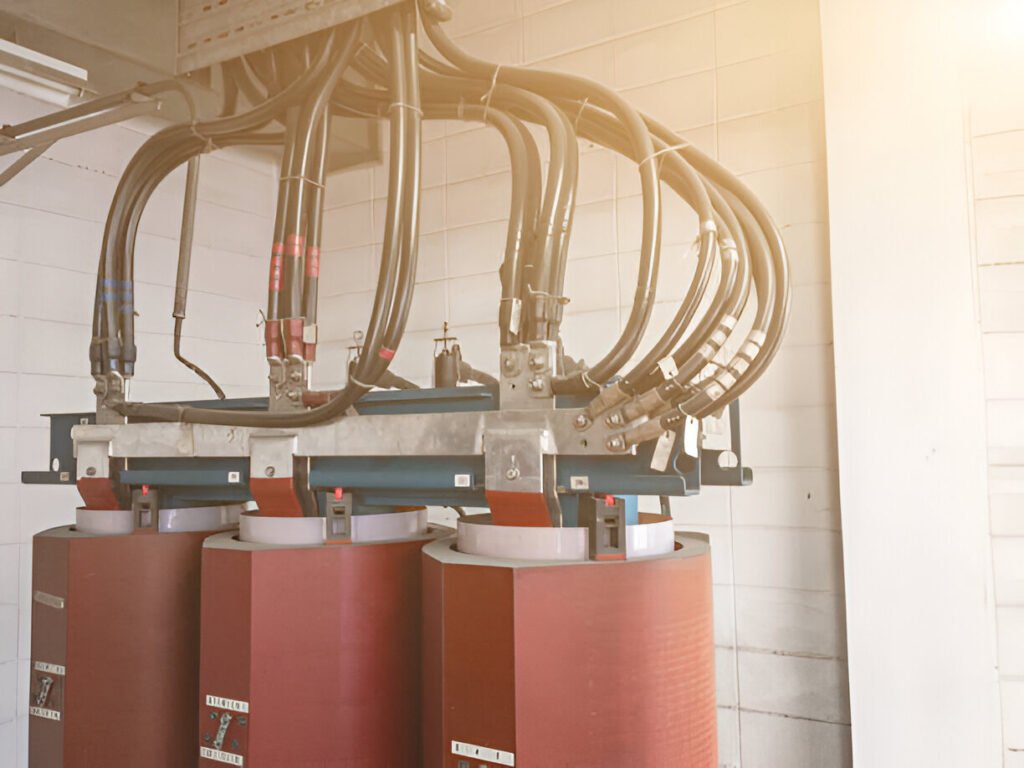
Wiring: Follow wiring diagrams carefully and avoid mechanical strain on cables.
Ventilation: Maintain air inlet at the front near the bottom and air outlet at the rear near the top to allow natural airflow.
Installation Aspect
Recommendation
Minimum spacing from walls
0.5 meters
Ambient temperature max
40°C
Positioning
Upright, level
Ventilation airflow (example)
2.5 cubic meters/min/kW of loss
Protection
Consider NEMA enclosures for safety
Remember, a professional installation team and thorough preparation reduce risk and enhance transformer longevity. Wondering if your site is ready for installation? Ask us for an expert evaluation!
Maintenance and Care of Dry-type Transformer
Dry-type transformers generally require less maintenance than oil-filled types, but regular inspections keep them running efficiently.
Essential Maintenance Tips
Regular Cleaning: Remove dust and debris to prevent insulation breakdown.
Insulation Checks: Use insulation resistance testing to detect early degradation.
Connection Tightening: Periodically retighten electrical and mechanical connections to prevent overheating.
Grounding Verification: Ensure grounding systems remain intact and corrosion-free.
Environmental Control: Keep surrounding area dry and ventilated.
Maintenance Task
Frequency
Purpose
Visual inspection
Monthly
Spot dust buildup or damage
Insulation resistance test
Annually
Detect insulation deterioration
Connection tightening
Every 6 months
Prevent loose connections
Ground system check
Annually
Ensure safety compliance
Ignoring maintenance can shorten transformer life and lead to costly failures. If you need a maintenance plan tailored to your equipment, we’d be happy to help!
Affordable price, huge discount!
Upgrade your power system today with reliable dry-type transformer! Contact us now for custom solutions and expert support.
Choosing dry-type transformers is not just a technical decision but an eco-conscious one:
No Oil Means No Soil or Water Contamination: Eliminates risks of oil leaks that harm the environment.
Energy Efficiency: Modern designs reduce energy loss, lowering overall power consumption.
Recyclability: Many components can be recycled at end of life, reducing landfill waste.
Lower Fire Hazard: Enhanced safety reduces disaster risk and the need for hazardous firefighting chemicals.
Environmental Factor
Dry-type Transformer Benefit
Oil spill risk
None (oil-free design)
Energy consumption
Lower losses lead to less energy use
Material recyclability
High recycling potential
Fire risk
Lower compared to oil-filled types
By adopting dry-type transformers, businesses contribute to greener operations and comply with increasing environmental regulations. Ready to boost your sustainability credentials? Let’s discuss your needs!
Dry-type transformer are a smart investment for businesses looking to ensure safety, save energy, and protect the environment. Proper installation and consistent maintenance are essential to get the best from your equipment and secure long-term reliability.
Looking to upgrade your electrical infrastructure with dry-type transformers? Our team is here to guide you through installation, care, and choosing the best product for your needs. Contact us today to get started and enjoy safer, greener power solutions!
FAQ
How often should a dry-type transformer be maintained?
Generally, basic maintenance every 6 months with detailed tests annually.
Can dry-type transformers be used outdoors?
They can, but require special enclosures or housings to protect from weather.
Why are dry-type transformers more environmentally friendly?
Because they use no oil, eliminating leak risk and reducing fire hazards.
How do I know if the insulation is degrading?
Regular insulation resistance testing helps detect early issues.
What happens if maintenance is ignored?
It can cause overheating, failures, and safety hazards.
What safety precautions are needed during installation?
De-energize equipment, follow grounding protocols, and have qualified personnel perform work.
If you’ve ever wondered what makes a dry-type transformer tick, you’re in the right place. Dry-type transformer play a crucial role in many industrial and commercial applications. Unlike their oil-filled counterparts, these transformers rely on air or other cooling methods without the use of oil, making them safer and more environmentally friendly. In this blog, […]
Have you ever wondered why more and more businesses choose Dry-Type Transformer? The answer is simple—they are safe, eco-friendly, energy-efficient, and easy to maintain, making them ideal for commercial buildings, industrial plants, and data centers. As a professional dry-type transformer supplier, we understand our customers’ real needs and want to help you make informed purchasing […]
If you’ve ever wondered why more and more businesses are turning to dry-type transformer, you’re not alone. These transformers have steadily gained popularity across industries, especially for B2B customers like those in manufacturing, commercial construction, and renewable energy sectors. Unlike traditional oil-immersed transformers, dry-type transformers rely on air for cooling, making them cleaner, safer, and […]
We use cookies to enhance your browsing experience, serve personalised ads or content, and analyse our traffic. By clicking "Accept All", you consent to our use of cookies.