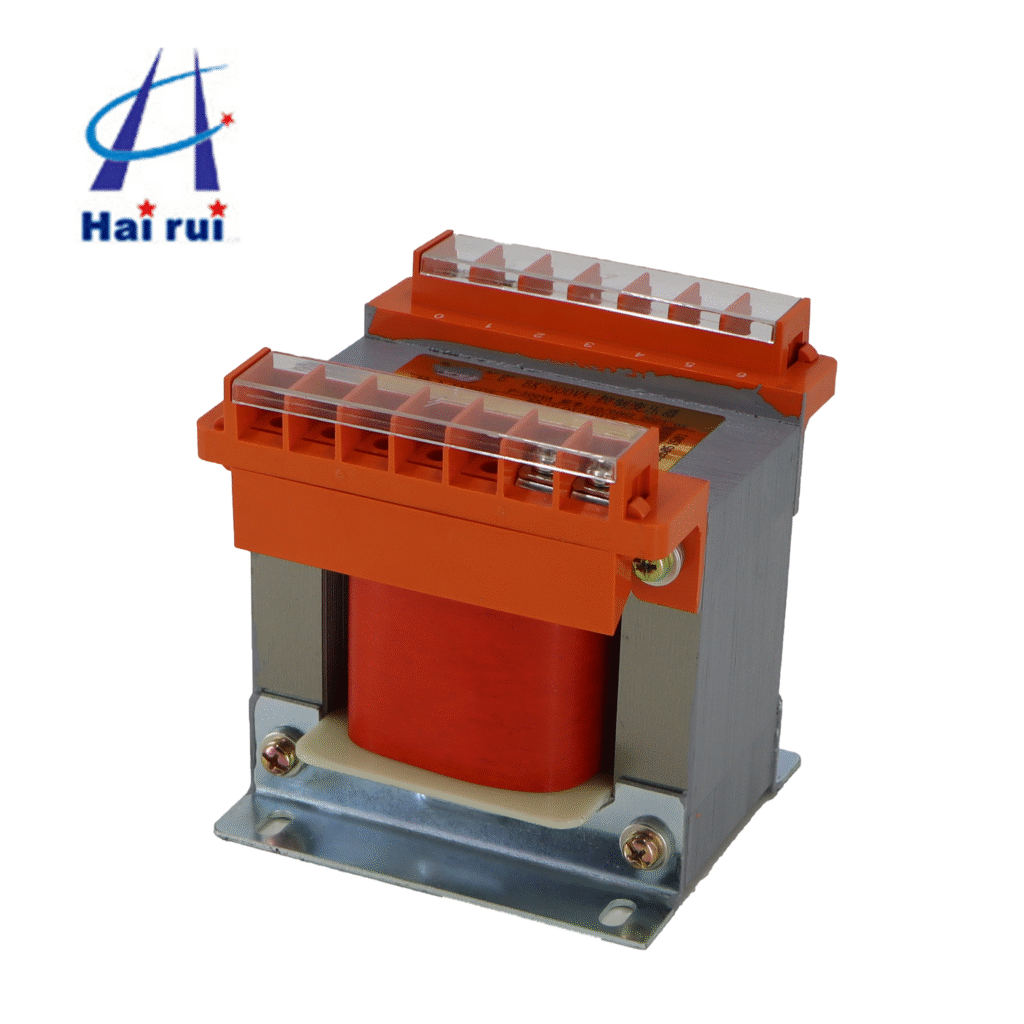
Have you ever wondered why more and more businesses choose Dry-Type Transformer? The answer is simple—they are safe, eco-friendly, energy-efficient, and easy to maintain, making them ideal for commercial buildings, industrial plants, and data centers. As a professional dry-type transformer supplier, we understand our customers’ real needs and want to help you make informed purchasing decisions with this comprehensive guide.
Today, we will start with the basics and take you through the types, core structure, advantages, practical applications, and market trends of dry-type transformers. We will also guide you on how to select and maintain high-quality products suitable for your business. If you are a B2B buyer or procurement manager, this article is a must-read!
What is a Dry-Type Transformer?
A dry-type transformer differs from traditional oil-immersed transformers. It uses air or epoxy resin as the insulating medium, with no oil involved, making it more eco-friendly and safer. Simply put, the windings of a dry-type transformer are encapsulated in hardened epoxy resin and cooled by natural or forced air.
Working Principle of Dry-Type Transformer
Dry-type transformers operate on the principle of electromagnetic induction, converting input voltages to the desired output levels. Due to the oil-free design, they eliminate the risks of oil leaks and fire hazards, making them suitable for environments with high safety and environmental standards.
Item
Description
Insulating Medium
Epoxy resin or air
Cooling Method
Natural ventilation or forced air
Safety
No fire risk, no pollution
Typical Use
Commercial buildings, factories, medical facilities
Main Types of Dry-Type Transformers
Dry-type transformers mainly fall into two categories:
1. Cast Resin Transformers
Windings are cast in epoxy resin, providing excellent moisture resistance, fire protection, and corrosion resistance.
Suitable for humid, dusty, or corrosive environments.
Consider the following when selecting a dry-type transformer:
1️⃣Capacity and Voltage Requirements
Determine the required kVA capacity and input/output voltage levels to avoid overload or waste.
2️⃣Efficiency and Losses
Choose high-efficiency transformers with low no-load and load losses to reduce energy costs.
3️⃣Protection Level
Select an appropriate IP rating based on the environment to protect against dust and water.
4️⃣Certification and Standards
Ensure the product meets international standards such as IEC and ISO for performance and safety.
Selection Factors
Suggestions and Standards
Capacity (kVA)
Match load requirements with future growth allowance
Input/Output Voltage
Align with electrical system design for compatibility
Efficiency Standards
Prefer high-efficiency models following the latest energy regulations
IP Protection Class
Indoor minimum IP00; IP23 or higher for outdoor or harsh conditions
Quality Certifications
IEC 60076, ISO 9001, UL certification
Maintenance and Management of Dry-Type Transformer
While maintenance is simple, proper care is still essential:
Daily Maintenance
Inspect external appearance and clean surfaces to prevent dust buildup.
Check ventilation openings and fan operation for forced-air cooled units.
Monitor temperature to avoid overheating.
Periodic Maintenance
Perform insulation resistance tests to detect aging.
Clean internal dust and moisture.
Monitor noise levels to detect abnormalities.
Maintenance Item
Description
Recommended Frequency
Visual Inspection
Check for cracks, damage, and paint peeling
Weekly
Ventilation System
Remove dust, ensure proper cooling
Monthly
Electrical Testing
Measure insulation resistance, current, and voltage
Every 6 months
Fan Maintenance
Check fan blade wear and lubrication
Quarterly
Purchasing Guide
When purchasing a dry-type transformer, pay attention to the following key points:
👉Clear Technical Specifications
Verify capacity, voltage, frequency, and cooling method carefully to avoid mismatch.
👉Supplier Credibility
Choose manufacturers with industry certifications and compliance with international quality standards.
Prefer brands with a solid reputation and comprehensive after-sales service.
👉Quotation and Delivery Time
Compare prices from multiple suppliers and confirm delivery schedules to ensure no project delays.
👉Customization Services
Customize designs according to specific industry requirements for best performance.
👉Supply Chain Management
Understand manufacturer capacity and logistics to minimize procurement risks.
Purchasing Steps
Main Points to Note
Needs Assessment
Confirm capacity and voltage requirements
Supplier Screening
Select certified manufacturers with good reputation
Price Comparison
Consider price, delivery, and warranty services
Contract Signing
Clarify specs, warranty, and payment terms
Delivery and Acceptance
Inspect product appearance, technical documents, and performance test reports
Dry-type transformer have become the ideal choice in modern power systems due to their safety, environmental friendliness, high efficiency, and low maintenance. Understanding their types, core components, applications, and procurement tips will greatly improve your purchasing effectiveness and satisfaction. As a professional supplier, we are committed to providing you with high-quality dry-type transformers and expert support to help your project run smoothly. Contact us today for a custom solution and quotation to empower your power system’s safety and efficiency!
FAQ
1. Where are dry-type transformers suitable?
They are ideal for indoor and outdoor sites needing high safety and environmental standards, such as high-rise buildings, factories, data centers, and medical institutions.
2. How to choose the right capacity?
Calculate total load power and add a 10%-20% margin for future growth.
3. Is maintenance difficult?
Maintenance is easier than oil transformers. No oil changes are needed, but regular inspection of cooling and insulation is essential.
4. Why choose dry-type transformers?
Because they are safe, eco-friendly, energy-efficient, and low maintenance.
Dry-type transformer are devices that use the principle of electromagnetic induction to convert electrical energy and are widely used in commercial and industrial fields. This article will provide an in-depth introduction to the working principle, advantages, and application scenarios of dry-type transformers to help you understand why more and more businesses are choosing this eco-friendly, […]
A dry-type transformer is a power transformer that does not use liquid insulation. Instead, it uses air or solid insulation materials, with coils encapsulated in epoxy resin or vacuum pressure impregnated for safety, environmental friendliness, and easy maintenance. Compared to traditional oil-immersed transformers, dry-type offer significant advantages such as being non-flammable, leak-free, and highly safe, […]
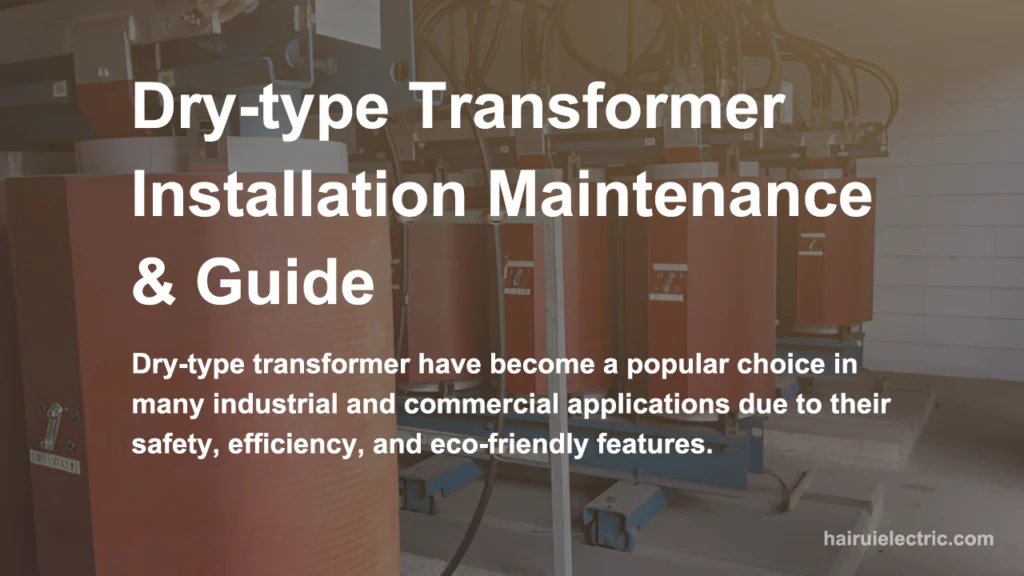
Dry-type transformer have become a popular choice in many industrial and commercial applications due to their safety, efficiency, and eco-friendly features. Whether you’re installing a new transformer or maintaining an existing one, understanding the proper installation methods, routine care, and environmental benefits is crucial to maximizing performance and lifespan. Let’s dive into the essentials of […]
We use cookies to enhance your browsing experience, serve personalised ads or content, and analyse our traffic. By clicking "Accept All", you consent to our use of cookies.