Control transformer play a pivotal role in modern industrial automation by providing safe, stable control power from main electrical systems. Discover how to choose the right control transformer supplier, understand price drivers, and explore key industrial applications. Practical tips, technical benchmarks, and a supplier evaluation checklist to optimize procurement and TCO.
This article equips procurement and engineering teams with a practical framework to evaluate control transformer suppliers, understand price drivers, and assess applications across manufacturing, machine tools, and energy sectors. Whether you are sourcing standard SKUs or seeking tailored solutions, the guidance below helps you make informed decisions that balance performance, reliability, and total cost of ownership.
Typical Control Transformer Specifications
Parameter
Typical Range / Example
Notes
Rated power (kVA)
0.5–10
Common ranges for control circuits; higher Power may require special cooling
Primary voltage
230/400 V, 480 V
Depending on regional mains and PLC input requirements
Secondary voltage
24 V, 120 V, 48 V
Most control circuits use 24 V or 120 V
insulation class
Class B/F/H
Higher classes for harsher environments or higher temp rise
enclosure type
Open-frame, Totally enclosed, IP-rated
IP65 or higher for harsh environments
cooling method
Natural air, Forced air
Consider cooling for high duty cycles
isolation
2 kV, 3 kV, 4 kV
Based on safety standards and application
regulation (% @ rated load)
±2% to ±5%
Tighter regulation for sensitive control systems
ambient temperature
-20°C to 40°C
Extended temp ranges require specialized designs
mounting
Wall, DIN rail, Panel
Depends on cabinet layouts
standards & certifications
UL, CE, CSA, RoHS
Compliance matters for global deployments
Choosing a Control Transformer Supplier
Supplier qualifications and certifications
Look for ISO 9001 quality management, UL/CE/CSA compliance, and industry-specific attestations.
Evaluate traceability, batch testing, and documentation practices.
Product range and customization capability
Assess whether the supplier offers a broad catalog of single-phase and three-phase transformers, various enclosure types, insulation classes, and cooling options.
Confirm design customization capabilities for secondary voltages, tapping, mounting, and protective features.
Delivery capability and after-sales support
Check lead times, safety stock, and regional logistics networks.
Review warranty terms, spare parts availability, and on-site or remote technical support.
Global vs. regional supply coverage
Consider currency risk, import duties, and local regulatory requirements.
Ensure the supplier can support your global expansion or multi-site deployments.
Customer references and industry reputation
Request case studies and servicelevel commitments relevant to your sector (machine tools, automation lines, etc.).
Verify performance metrics such as uptime, mean time between failures (MTBF), and defect rates.
What to ask during supplier diligence
Can you share recent test reports for insulation resistance, surge handling, and temperature rise?
How do you handle obsolescence management and product substitutions?
What continuous improvement initiatives exist for energy efficiency and EMC performance?
Clarifying Control Transformer Concepts
Definition and basic structure
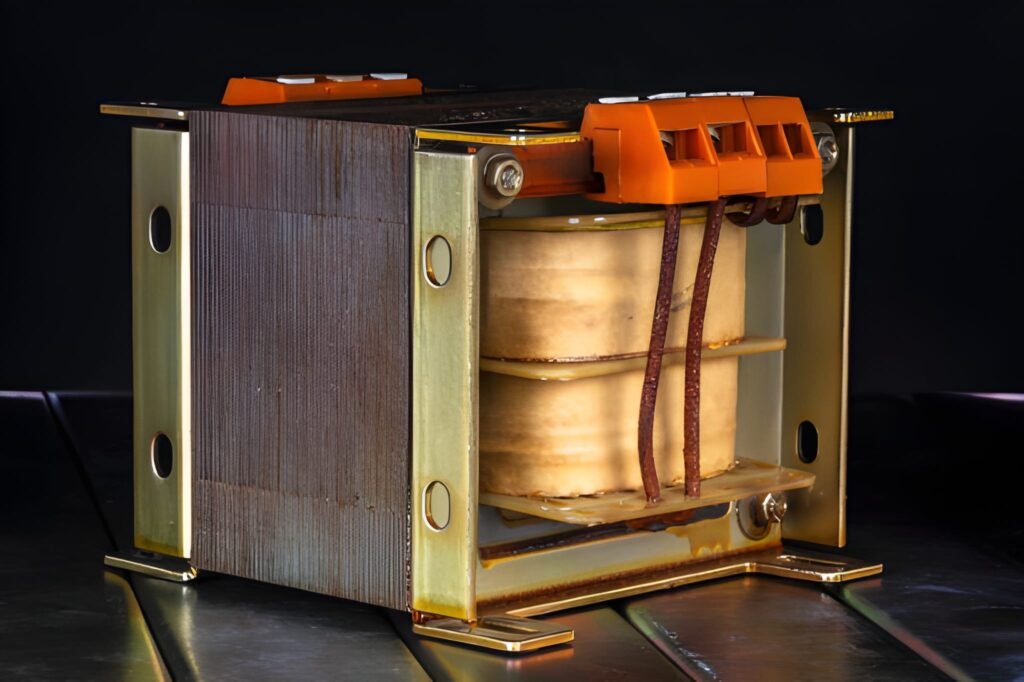
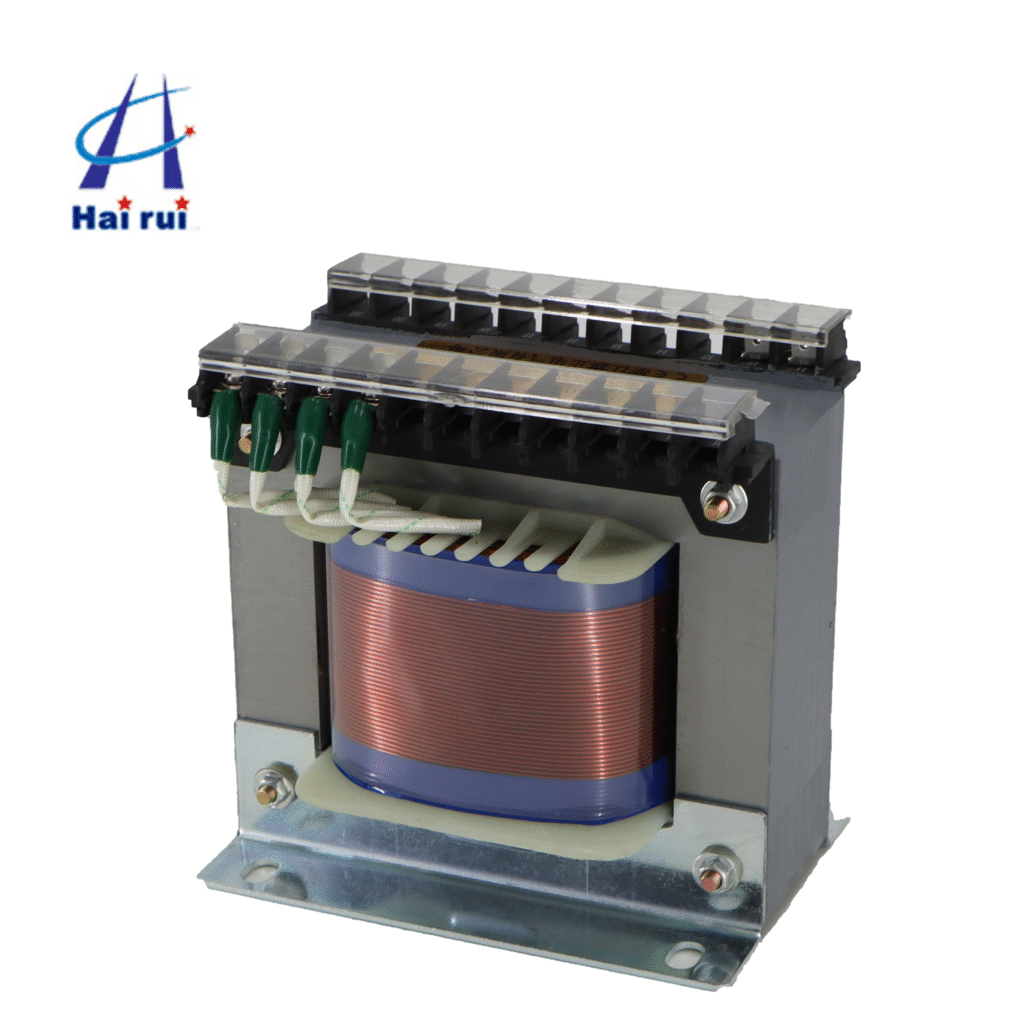
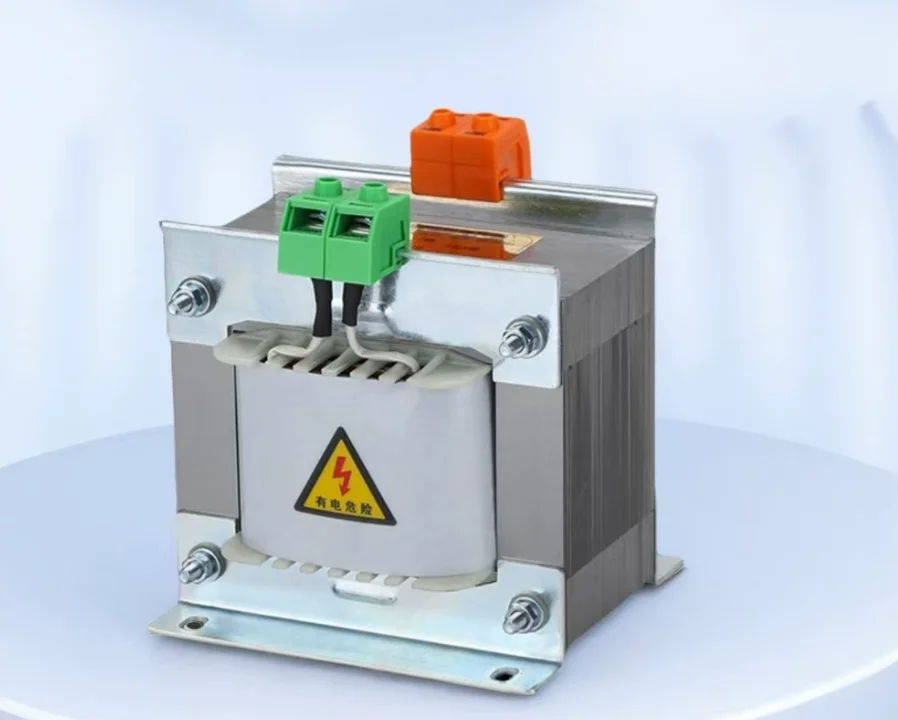
A control transformer provides isolated, scaled, and stable control voltage for signaling, relays, sensors, and automation controllers.
Common models and specifications
Standard classifications include single-phase vs. three-phase, encapsulated vs. open-frame, and different insulation and enclosure ratings.
Terminology to know: control transformer, power transformer (不同用途与设计参数), isolation transformer, impedance characteristics.
Key differences to note
Control transformers are optimized for control circuits with tight regulation and isolation; power transformers focus on higher power delivery.
Differences in regulation, noise, and creepage/clearance distances.
Volume discounts, framework agreements, and consignment stock can reduce total cost of ownership (TCO).
Industrial Applications and Use Cases
Machine tools and manufacturing equipment
Provides isolated, clean control power for CNCs, relays, and automation interfaces, improving signal integrity and safety.
Automated production lines
Powers control cabinets, PLC inputs, and safety interlocks, while enabling noise isolation from high-power drives.
Electrical switchgear and local power provisioning
Supplies localized control power with defined voltage ratios and protection.
Sectors with specialized needs
Medical devices, communications infrastructure, and energy equipment may require stringent EMI/EMC performance and certified components.
Environmental considerations
Selecting enclosures with appropriate IP ratings, temperature ratings, and moisture resistance for harsh environments.
Selection Guidelines and Technical Parameters
Electrical specifications
Rated power, primary and secondary voltages, voltage regulation, turns ratio, and transient response.
Insulation, safety, and environmental ratings
Insulation class, dielectric strength, temperature rise, creepage/clearance distances, and coatings for corrosive environments.
Electromagnetic compatibility and noise
EMI/EMC performance, shielding options, and bonding recommendations.
Physical installation and mounting
enclosure type (open-frame vs. enclosed), footprint, terminal arrangements, and mounting hardware.
Certifications and documentation
UL/IEC/CE markings, safety datasheets, and test certificates for traceability.
Procurement Process and Risk Management
Requirements capture and specification documentation
Create a precise technical brief with electrical, mechanical, environmental, and regulatory requirements.
Vendor evaluation and bidding
Use a scoring rubric including price, lead time, quality metrics, and after-sales support.
Sample testing and pilot production
Validate electrical performance, thermal behavior, and compatibility with controllers and sensors.
Delivery, acceptance, and warranty
Define acceptance criteria, inspection standards, and warranty coverage.
Change management and supply risk
Plan for potential component obsolescence, supplier disruptions, and component substitutions.
FAQ
What is a Control Transformer?
A Control Transformer supplies low-voltage power to control circuits in machines and panels, focusing on stable regulation for relays, PLCs, and sensors.
What are typical applications for a Control Transformer?
They’re used in control cabinets, machine tools, automated lines, and panels where a reliable, low-voltage control supply improves system reliability and safety.
How do you determine the correct rated capacity and output voltage?
Start with the control load profile (steady vs peak loads), identify the required control voltages (e.g., 24 V, 120 V), and choose a transformer with adequate headroom for peak demand and future expansion.
What safety and certification considerations matter?
Ensure insulation class and creepage distances meet environmental conditions, and confirm compliance with regional standards (UL, CE, etc.) to support safe installation and maintenance.
What is the ideal way to engage suppliers when buying?
Request complete datasheets, test reports, and clear warranty terms; share your load profile and cabinet dimensions to receive tailored recommendations and quotes quickly.
In every industrial facility, behind the hum of machines and the glow of control panels lies a quiet hero — the standard control transformer. It doesn’t grab headlines or require much attention, but without it, the electrical systems that monitor, automate, and protect your operation simply wouldn’t function reliably. In this article, we’ll take a closer […]
When a control transformer overheats, it is almost never “bad luck”. In most B2B projects, overheating traces back to sizing mistakes, wiring issues, harsh environments, or low‑quality components. If you are a purchaser, panel builder, or engineer, understanding these root causes will help you cut downtime, extend equipment life, and choose better control transformers from […]
Buying a Control Transformer Prices sounds simple until you actually try to source one across borders. Suddenly, you are not just comparing a “price”—you are comparing standards, copper and steel exposure, certifications, lead time, logistics, payment terms, and how much customization a supplier is willing to do without turning your RFQ into a science project. […]
We use cookies to enhance your browsing experience, serve personalised ads or content, and analyse our traffic. By clicking "Accept All", you consent to our use of cookies.