When you’re sourcing electrical components for industrial systems, you’ll quickly realize that control transformers are not one-size-fits-all. They come in a wide range of types and configurations, each designed to suit different control circuits and operational environments. Whether you’re an engineer, a procurement specialist, or an industrial equipment wholesaler, understanding these variations can make a big difference in performance, reliability, and cost efficiency.
In this article, we’ll walk through what control transformers are, explore their functional differences, types, and applications, and look at what to consider when comparing manufacturers, suppliers, and prices. We’ll also cover customization options available for companies that need something more specialized than standard catalog units.
What Is a Control Transformer?
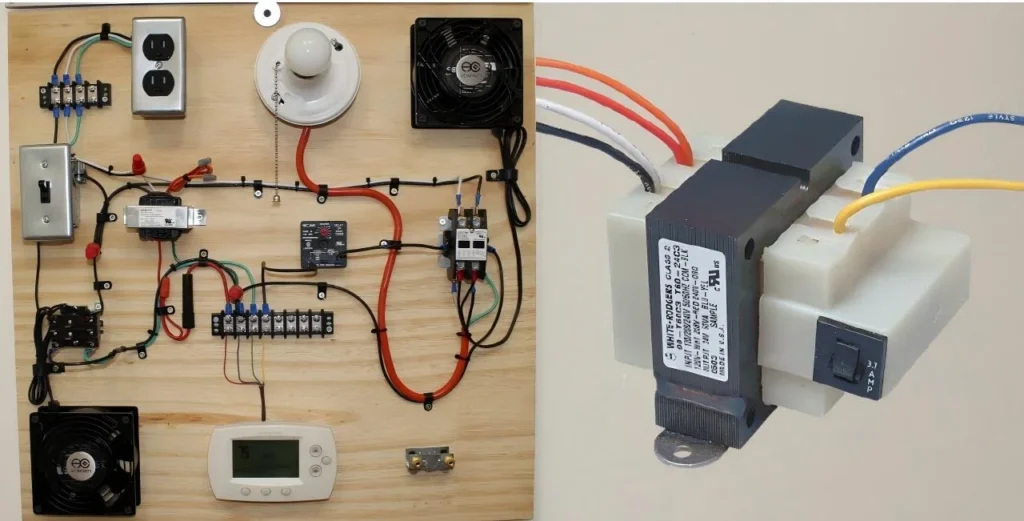
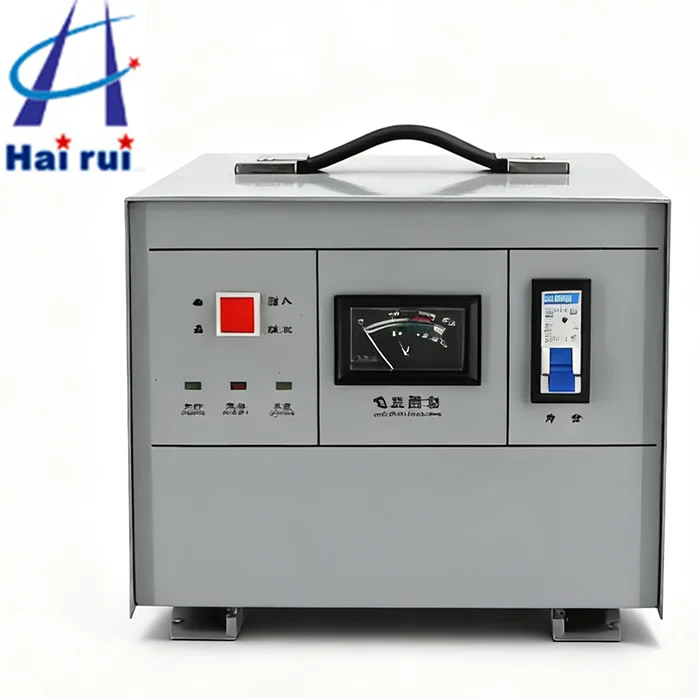
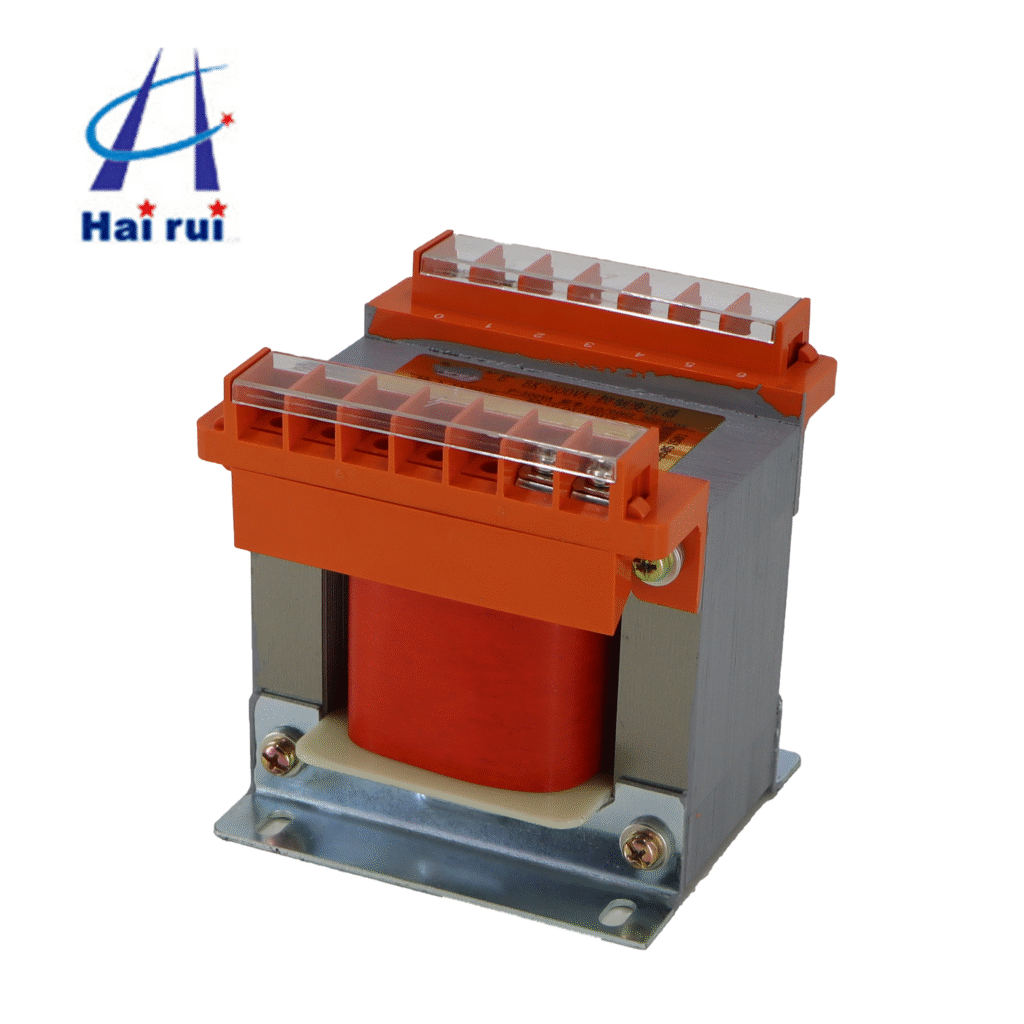
A control transformer—sometimes called an industrial control transformer or machine tool transformer—is a type of step-down transformer designed to provide a stable voltage for control circuits in electrical systems. It converts higher voltages (often 480V or 240V) to safer, lower levels (commonly 120V, 24V, or 12V) to power control devices like relays, solenoids, and contactors.
Unlike power transformers that handle large load variations, control transformers are optimized for short bursts of high inrush current. That’s why they’re crucial in automation and manufacturing setups that rely on stable control voltage to keep production smooth and safe.
Why Control Transformers Are Essential in Industrial Settings
When a control circuit receives unstable or improper voltage, machines can misbehave—or worse, fail completely. Control transformers are designed to isolate the control system from the power line while ensuring consistent voltage supply.
Here’s why engineers and procurement managers depend on them:
Safety: Low-voltage circuits reduce the risk of operator shock.
Precision: Stable voltage ensures accurate machine responses.
Durability: Protects sensitive control devices from surges or dips.
Efficiency: High inrush capability supports quick start-up loads.
Those benefits make control transformers an indispensable part of industrial control panels, HVAC systems, and automation lines.
Are There Different Types of Control Transformers?
Absolutely! Control transformers are classified based on voltage rating, power capacity (VA rating), phase type, mounting style, and application environment. The following sections explore each major type.
Single-Phase vs. Three-Phase Control Transformers
The first and most basic distinction lies in the number of phases.
Type
Description
Typical Application
Advantage
Single-Phase Control Transformer
Converts single-phase supply to required control voltage.
Machine tools, lighting circuits, small control panels.
Compact, simple, cost-effective.
Three-Phase Control Transformer
Distributes balanced three-phase voltage to control systems.
Large automation systems, conveyors, or heavy machinery.
Better for high-power and consistent industrial operations.
Single-phase control transformers dominate smaller systems where cost and size are priorities. Three-phase models, meanwhile, offer enhanced stability for high-demand applications, making them ideal for complex factory lines or CNC automation stations.
Different Core and Winding Designs
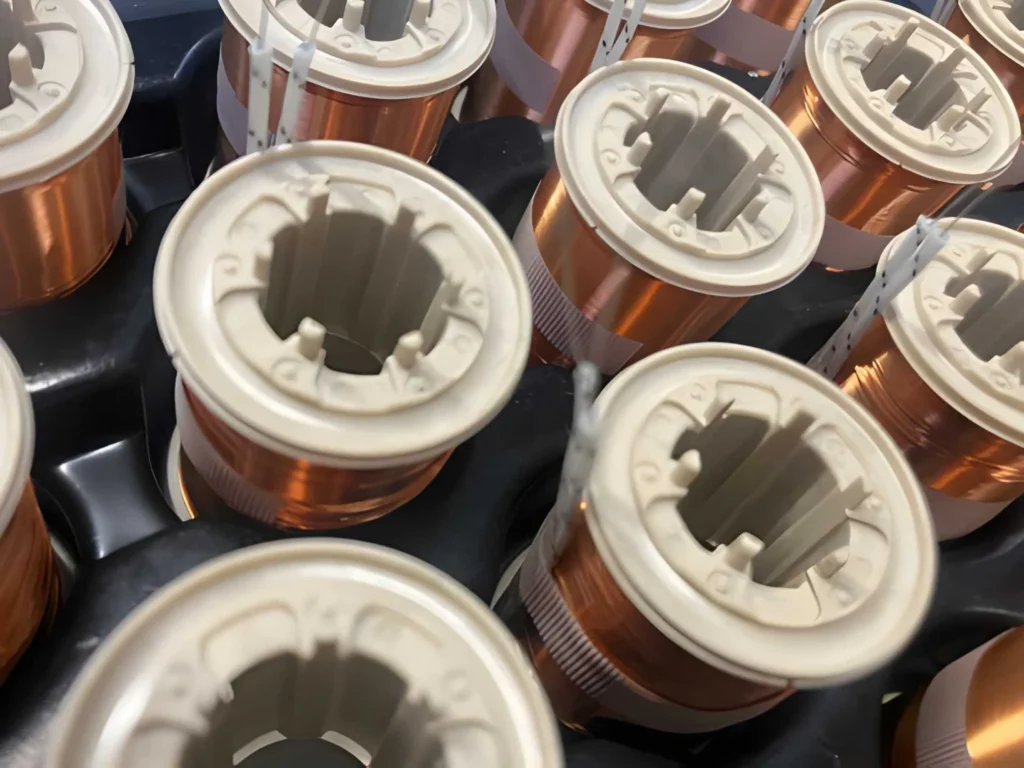
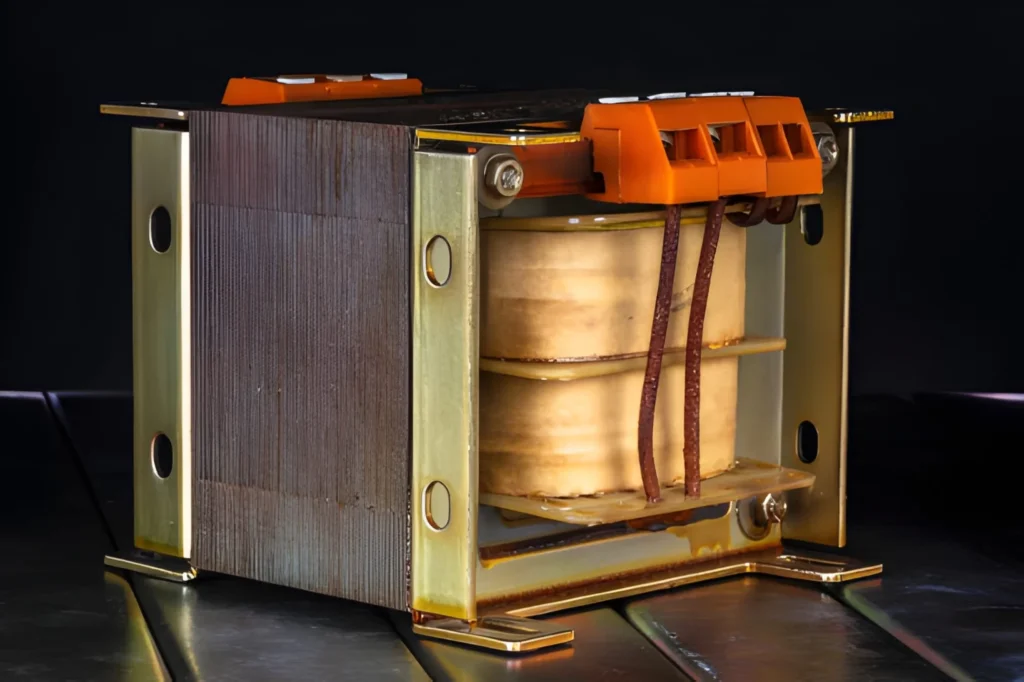
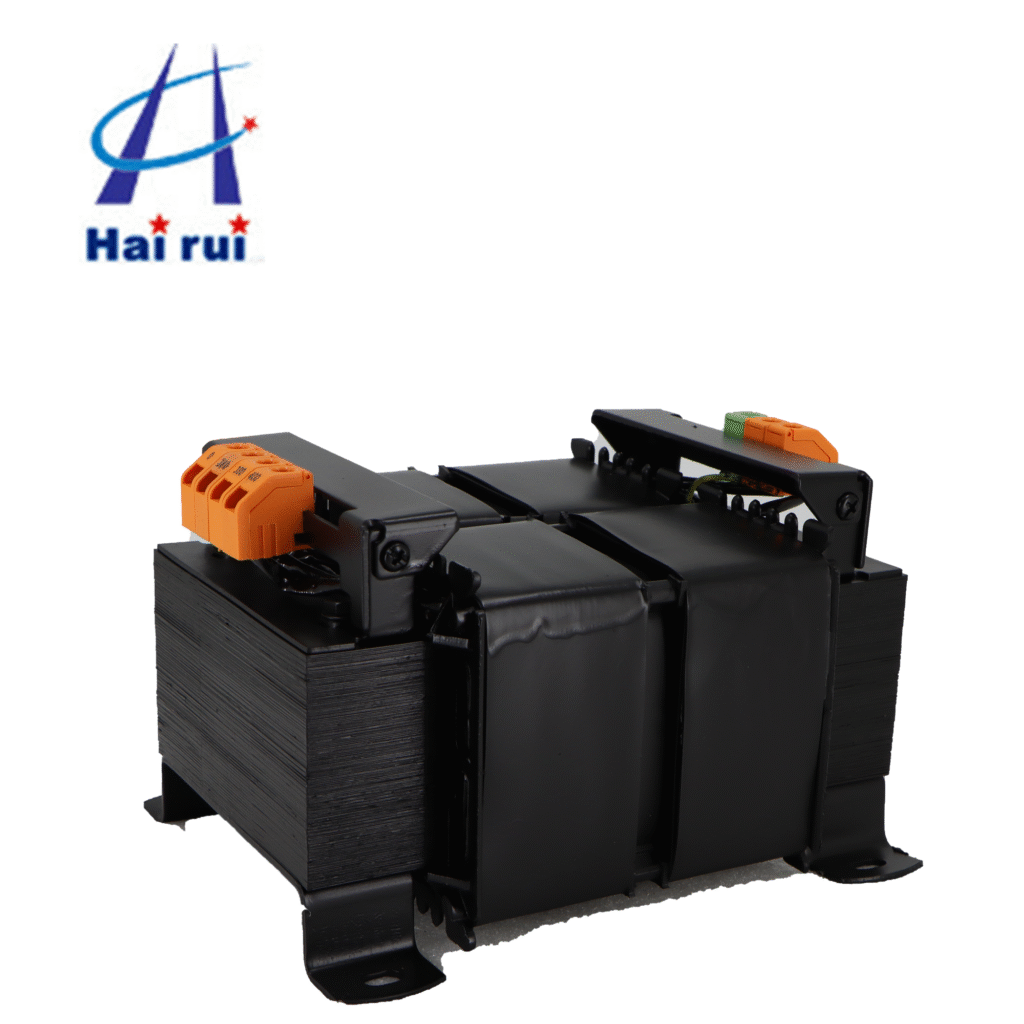
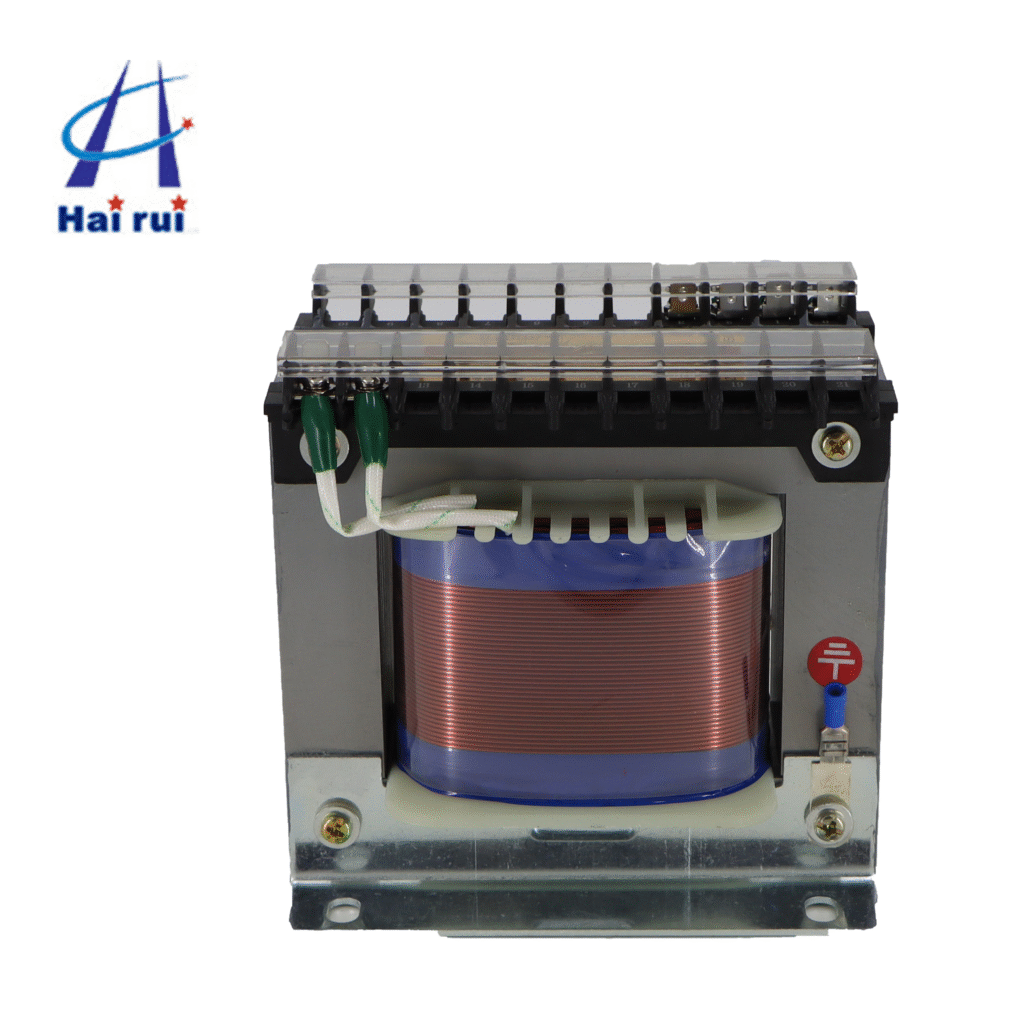
Engineers often choose among EI-core, toroidal, and laminated core designs. Each provides unique benefits depending on the required efficiency, noise level, and installation constraints.
Core Type
Main Feature
Benefit
EI Core
Traditional laminated design.
Easy to manufacture and maintain; cost-effective.
Toroidal Core
Circular core with continuous winding.
Low noise, high efficiency, and compact size.
Encapsulated Core
Enclosed for dust and moisture protection.
Ideal for harsh or outdoor environments.
Modern manufacturers and suppliers often offer both EI and toroidal types, enabling customers to balance between cost efficiency and performance.
If your application involves noisy factory floors or environments with vibration, a toroidal control transformer with epoxy encapsulation may be the smarter long-term investment.
Based on Frequency and Voltage Ratings
Another way to categorize control transformers is by their voltage and frequency ratings. Common frequency ratings include 50 Hz and 60 Hz, compatible with different regions’ power systems.
Industrial buyers should ensure the selected transformer supports their regional frequency; for instance, a unit designed for 60 Hz operation (common in North America) might overheat in a 50 Hz network (common in Asia and Europe) unless derated properly.
Typical control transformer voltage combinations include:
480V/120V
240V/120V
230V/24V
415V/110V
When dealing with cross-regional equipment, engineers can consult transformer suppliers for dual-frequency or multi-tap voltage designs that support flexible use worldwide.
Specialty Types: Encapsulated, Isolation, and Auto Transformers
Control transformers also branch into special-purpose types to meet industry-specific standards.
Encapsulated Control Transformers – These are sealed in epoxy resin or case materials to resist dust, vibration, and humidity. Perfect for outdoor panels or food-processing environments.
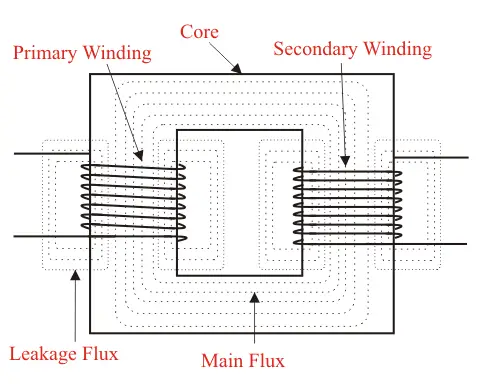
Isolation Control Transformers – Electrically separate the control circuit from the power source, improving safety and reducing electromagnetic interference.
Auto Transformers – Share a single winding instead of isolated primary and secondary coils. They provide voltage adjustment with great efficiency, although isolation is reduced.
Each type has niche yet important roles. For instance, isolation transformers are preferred in hospital or laboratory setups, while auto transformers excel in cost-sensitive equipment.
How to Choose the Right Control Transformer
Selecting the right transformer goes beyond voltage and VA ratings. You’ll also want to consider core material, frequency, environment temperature, and energy efficiency. The choice impacts control reliability, equipment lifespan, and overall maintenance cost.
Key factors include:
Rated capacity (VA): Match to inrush current demands.
Voltage input/output: Based on the system control circuit.
Insulation class: Higher class means better heat resistance.
Mounting type: Panel, floor, or DIN rail mount.
Environment: Dry indoor vs. outdoor sealed units.
For large-scale procurement, working with experienced manufacturers ensures all these variables align with your system requirements. Many top wholesalers offer catalog recommendations or custom design support at competitive prices, allowing buyers to balance cost and quality.
Control Transformer Customization Options
Sometimes, standard catalog products just don’t fit a unique industrial application. That’s where custom control transformers come in.
Buyers increasingly request customization for:
Non-standard voltage ratings or frequency ranges.
Enhanced surge protection or thermal fuses.
Special mounting frames or connectors.
Branding, labeling, and specific color finishes.
Manufacturers often provide quick-turn customization with flexible MOQ requirements. This helps integrators and engineering companies maintain consistent design specifications across different regions or end-user systems.
Need a version with special insulation or compact housing? Many suppliers can design it according to your schematic. Request a quote or send an inquiry today to check available lead times and pricing.
Comparing Prices and Quality Among Suppliers
The price of a control transformer varies based on material, voltage, and build quality. However, B2B buyers shouldn’t evaluate suppliers on price alone. Longevity, certification (UL, CE, ISO), and after-sales service matter just as much.
Evaluation Factor
Why It Matters
Notes
Certifications
Ensures safety and compliance.
Look for ISO9001, UL, CE marks.
Core Material Quality
Impacts energy efficiency.
Grain-oriented silicon steel is preferred.
Winding Material
Copper vs. aluminum.
Copper offers better conductivity and durability.
Warranty & Support
Reduces maintenance risk.
Check if technical support is included.
MOQ & Lead Time
Affects procurement flexibility.
Crucial for project-based orders.
Global manufacturers and wholesalers often provide volume discounts or OEM services. Buyers sourcing for panel production or control cabinets can often negotiate better pricing by committing to scheduled bulk orders.
Applications Across Industries
Control transformers appear in nearly every industrial control system imaginable. Here are some typical use cases:
Automation and robotics: For PLC cabinets, servo control, and sensors.
HVAC systems: To supply control voltage to thermostats and relays.
Machinery control panels: Machine tools, conveyors, and CNC units.
Renewable energy systems: For control of inverters or battery management.
The choice of transformer type depends on environmental factors, control load, and mechanical constraints.
Yes, there are many different types of control transformers, each tailored for specific voltages, phases, and environments. Whether you choose a compact single-phase model for a small control panel or a robust three-phase version for high-power industrial systems, matching the right type to your needs is crucial.
Before making a purchase, always compare manufacturers, prices, and customization capabilities. Look for suppliers that provide reliable after-sales support, competitive pricing, and compliance with global standards.
If your engineering project requires durable, high-performance control transformers with short lead times, now’s a good time to reach out to professional control transformer manufacturers and request a free quote.
FAQ
What’s the difference between a control transformer and a power transformer?
A control transformer provides stable low-voltage for control circuits and is optimized for brief inrush current demands, while power transformers handle large power distribution.
What VA rating do I need?
It depends on the total inrush and steady-state load of your control circuit. Always calculate both before selection.
Can I use the same transformer for 50 Hz and 60 Hz?
Only if it’s dual-rated. Otherwise, the transformer’s magnetic core may saturate or overheat.
Are custom control transformers more expensive?
Not necessarily. Reputable manufacturers often provide cost-effective customization for volume orders.
Where can I find control transformer suppliers?
Many suppliers and wholesalers list products online with full datasheets. Contact your regional distributor or send an inquiry to verified manufacturers for the best lead time and price.
If you have ever opened a catalog or datasheet and seen “85% / 90% / 95% regulation” next to a Control Transformer, you are not alone in pausing. Engineers wonder whether it is a quality grade. Buyers wonder whether it affects price. Maintenance teams just want the contactor to stop chattering. Here is the practical […]
Choosing between copper and aluminum isn’t a cosmetic decision. In a control transformer Windings, the winding material quietly shapes voltage stability, heat, size, reliability at terminals, and—most importantly for B2B buyers—the total lifecycle cost. If you’re a procurement lead trying to standardize parts across panels, or an engineer trying to keep cabinets cooler and smaller, […]
In the world of industrial automation and power distribution, control transformers play a small yet pivotal role in ensuring stable voltage and reliable performance. Whether you’re an electrical engineer designing complex control panels or a procurement specialist sourcing reliable components from trusted control transformer suppliers, understanding the core and winding designs of control transformers can help you make […]
We use cookies to enhance your browsing experience, serve personalised ads or content, and analyse our traffic. By clicking "Accept All", you consent to our use of cookies.