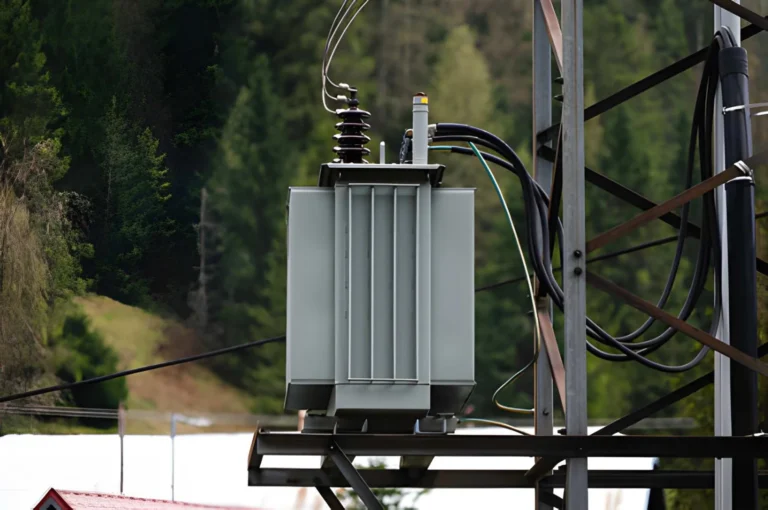
Oil Immersed Distribution Transformer Solution for Best Procurement
Published: Author: Lisa
Let me be honest with you—when I first dove into the world of oil immersed distribution transformer, I thought I’d be bored to tears. Turns out, these unsung heroes of electrical infrastructure are far more fascinating than I expected. They’re everywhere: quietly sitting on poles, humming in substations, and keeping the lights on across industrial facilities. If you’re here because you’re tasked with procuring the right transformer for your project, welcome to the club. I’ve spent considerable time understanding the nuances, and I’m here to share what actually matters when choosing, installing, and maintaining these critical pieces of equipment.
The reality Most procurement professionals treat transformer selection like buying a generic commodity. Big mistake. The difference between a transformer that runs flawlessly for 30 years and one that becomes a maintenance nightmare often comes down to understanding your specific needs and matching them to the right equipment.
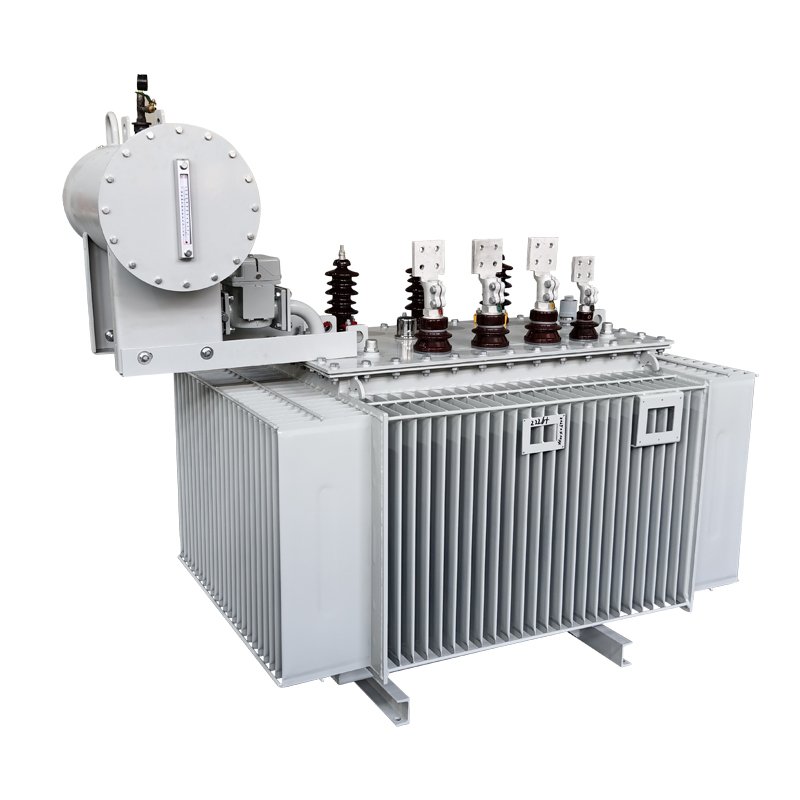
Oil-cooled Transformer with Oil Pillow Equipment
Understanding Oil Immersed Distribution Transformer
When we talk about oil immersed distribution transformers, we’re discussing three-phase, hermetically sealed units designed specifically for converting medium voltage levels (typically 11 kV or 12 kV) down to low voltage levels (usually 0.4 kV or 0.433 kV). Think of these transformers as the critical bridge between high-voltage transmission systems and the equipment that actually powers your facility.
The core design uses mineral oil as both an insulating medium and a cooling agent. This isn’t arbitrary—mineral oil has been refined over decades to provide excellent dielectric strength while efficiently dissipating heat generated during operation. The oil surrounds the transformer core and windings, protecting them from moisture, oxidation, and mechanical damage while simultaneously cooling them through natural circulation.
What makes the oil immersed design particularly valuable for distribution applications? The combination of robust cooling performance, proven reliability, and cost-effectiveness compared to alternatives like dry-type transformers. Most of these units operate on the ONAN (Oil Natural Air Natural) cooling principle, meaning the oil circulates naturally through the transformer based on temperature differences, without requiring fans or forced circulation.
Design Parameter
Standard Specification
Typical Range
Phase Configuration
3-phase
Standard for distribution networks
Cooling Method
ONAN (Oil Natural Air Natural)
Most common for distribution
Insulation Liquid
Mineral Oil
Primary cooling and insulation medium
Rated Voltage (HV)
11 kV – 24 kV
Medium voltage input
Rated Voltage (LV)
0.4 kV – 0.433 kV
Low voltage output
Rated Frequency
50 Hz or 60 Hz
Depending on regional standards
Hermetically Sealed
Yes
Protects oil from atmospheric contamination
Max Ambient Temperature
40°C – 55°C
Typical operating conditions
Temperature Rise (Top Oil)
60°C – 65°C
Above ambient at rated load
The Role of Oil Pillow in Oil Immersed Distribution Transformer Performance
Here’s something that gets overlooked far too often: the oil pillow (also called a conservator tank). This isn’t just a minor accessory—it’s genuinely crucial to your transformer’s longevity and reliability.
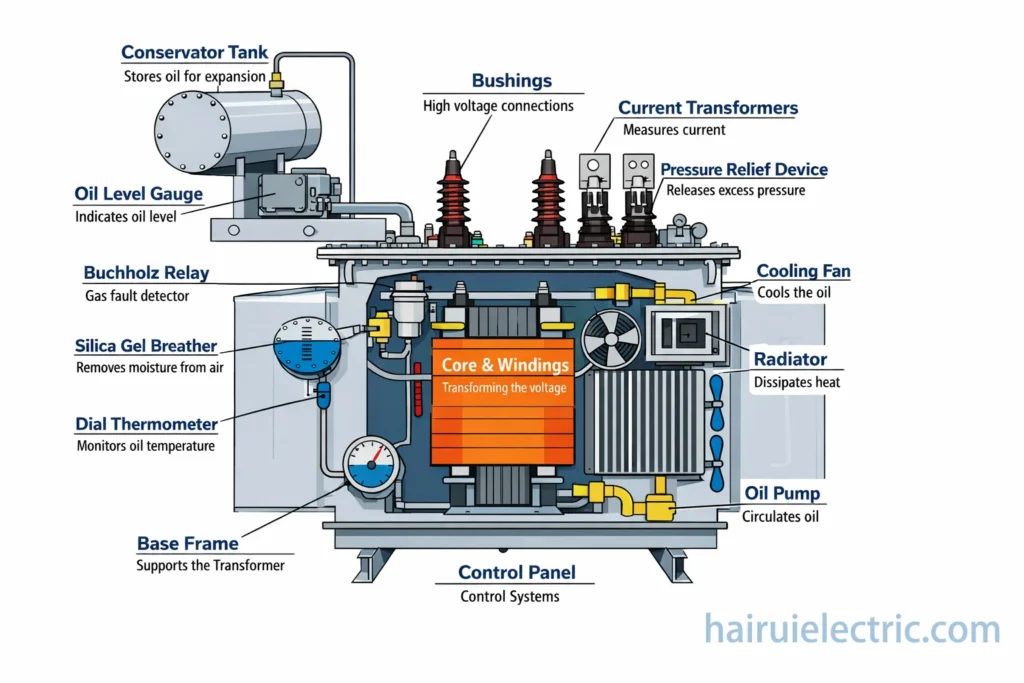
The oil pillow serves multiple critical functions that directly impact your transformer’s service life. First, it compensates for oil expansion and contraction as temperatures fluctuate. When the transformer is loaded and the oil heats up, it expands and flows into the oil pillow. When the load decreases and the oil cools, it contracts, and the stored oil flows back into the main tank. Without this mechanism, you’d face dangerous pressure buildups or vacuum formations that could rupture the tank—something nobody wants.
Second, the oil pillow prevents moisture and air contamination, which are the primary enemies of transformer longevity. Most oil pillows are equipped with a breather containing silica gel that absorbs moisture from incoming air, keeping the oil dry and preventing oxidation. This is why an oil pillow with a quality diaphragm or capsule system is worth the investment.
Third, the sludge collector at the lower part of the oil pillow accumulates mechanical impurities and moisture that settle over time. Rather than having these contaminants circulate through your transformer’s critical insulation system, they collect harmlessly in the pillow. An oil gauge tube installed on the pillow lets you monitor oil level changes visually, giving you real-time insight into your transformer’s condition.
The financial case is compelling: properly functioning oil pillows with adequate moisture protection can reduce maintenance costs by minimizing moisture-related failures and insulation breakdown. In an industrial setting where transformer downtime directly impacts revenue, that’s not just a cost savings—it’s a risk mitigation strategy.
Oil Pillow Component
Function
Impact on Transformer Life
Main Expansion Chamber
Compensates for oil volume changes with temperature
Prevents dangerous pressure fluctuations
Diaphragm/Capsule System
Separates oil from air while allowing volume compensation
Maintains oil purity and prevents oxidation
Silica Gel Breather
Absorbs moisture from incoming air
Keeps oil moisture content below 50 ppm
Sludge Collector
Accumulates impurities and water deposits
Prevents contamination circulation in main tank
Oil Gauge Tube
Provides visual monitoring of oil level
Enables early detection of oil loss or leakage
How to Select the Right Oil Immersed Distribution Transformer
Now we get to the practical stuff—actually choosing the transformer that matches your specific needs. This is where I’ve seen procurement teams make costly mistakes by oversimplifying the process. Let me walk you through the selection framework I’ve found most useful.
Start with Power Requirements
Your first decision point is kVA rating. Distribution transformers typically range from 50 kVA up to 2500 kVA for standard applications, with larger units available up to 5000 kVA. Here’s my recommendation: don’t just size for your current load. Most facilities experience growth, and transformer replacements are disruptive and expensive. Look at your projected load growth over the next 5-10 years. A transformer that’s 30% oversized today is far preferable to one that’s undersized in two years.
Voltage Requirements and Network Compatibility
This requires coordination with your utility provider or electrical engineering team. Most common configurations in industrial applications are 11 kV to 0.4 kV or 12 kV to 0.433 kV. But don’t assume—verify against your facility’s existing infrastructure and future expansion plans. Getting this wrong means a transformer that simply won’t integrate with your system.
Environmental and Installation Conditions
Where is this transformer going to sit? This matters more than you might think. The maximum ambient temperature for typical distribution transformers is 40°C, with some designs handling up to 55°C. If your location experiences higher ambient temperatures, you’ll need specialized cooling solutions or forced cooling options like ONAF (Oil Natural Air Forced).
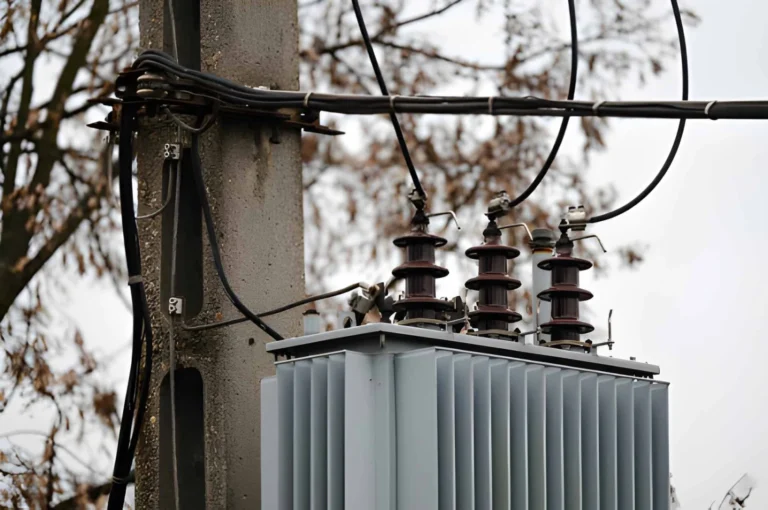
For pole-mounted installations, weight distribution is critical. Transformers under 100 kVA can typically be mounted above secondary mains on poles, but anything over 100 kVA usually requires platform or pad mounting. Space constraints, ventilation availability, and drainage considerations all play into the installation location decision.
Cooling System Selection
Most distribution transformers use ONAN cooling, which is simple, reliable, and economical. This works well for 90% of applications with relatively stable loads. However, if you’re looking at continuous high-load operations or space constraints that limit natural air circulation, you might consider ONAF (Oil Natural Air Forced) cooling, which adds fans for enhanced cooling capability. The trade-off? Increased cost, power consumption for the fans, and slightly higher maintenance complexity.
Oil Preservation and Sealing
For the selection process, I strongly recommend hermetically sealed transformers with oil pillows equipped with adequate moisture protection systems. The slightly higher upfront cost is recovered through reduced maintenance, fewer oil changes required, and extended service life. Think of it as insurance for your investment.
Selection Criteria
Key Questions to Ask
Impact on Performance
Power Rating (kVA)
What’s current load + projected growth?
Determines reliability and efficiency margins
Voltage Configuration
What’s your local utility standard?
Critical for network compatibility
Ambient Temperature
What are seasonal extremes at install site?
Affects cooling requirements and lifespan
Installation Location
Pole-mounted or platform/pad mounted?
Influences structural requirements and access
Load Profile
Constant or highly variable loads?
Determines if ONAN or ONAF cooling needed
Environmental Factors
Industrial pollution, humidity, altitude?
Affects selection of insulation and sealing
Maintenance Capability
In-house expertise or external contractor?
Influences complexity of equipment selected
Installation Essentials
I’ve seen otherwise excellent transformers fail prematurely due to poor installation practices. Let’s talk about how to get this right.
Pre-Installation Site Preparation
Before your transformer even arrives, the site needs proper preparation. This means ensuring a stable, level foundation that can safely support the transformer’s weight. For pad-mounted units, the foundation must comply with local electrical codes and standards. Proper drainage is essential—water pooling around a transformer is asking for trouble. The installation area should be free from obstructions and positioned appropriately relative to facility operations. For indoor installations, keep transformers close to supporting columns to distribute weight effectively.
Positioning and Physical Connection
When the transformer arrives, carefully unload it using appropriate heavy machinery (typically cranes). Alignment with foundation bolts must be precise, and all support structures should be securely fastened. Before making any electrical connections, ground the transformer tank permanently—this is non-negotiable from a safety perspective.
Electrical Connections and Commissioning
All primary and secondary terminal connections must be connected according to design specifications, with connections tight and completely free from contaminants. This is where attention to detail prevents future problems. Any moisture, dirt, or oxidation on terminals can lead to hot spots and failures down the road.
For liquid-filled transformers, you need to maintain positive pressure between one to two psi before operation, with pressure readings recorded regularly. Before any power is supplied to the transformer, conduct a final inspection verifying that all electrical connections and gaskets are tight, all electrical clearances in the tank are adequate, and no leftover tools are present inside the tank.
Pre-Commissioning Testing
This step separates professional installations from mediocre ones. Before powering up, conduct insulation resistance tests, winding resistance measurements, and verify transformer ratios. Check the operation of all protective devices, including circuit breakers and relays. These aren’t bureaucratic requirements—they’re your safety net. Equipment issues caught during commissioning avoid expensive downtime later.
Installation Phase
Critical Activities
Why This Matters
Site Preparation
Foundation stability, drainage, space verification
Prevents structural failures and environmental damage
Prevents hot spots, arcing, and electrical failures
Pressure Management
Maintaining 1-2 psi, recording readings
Protects transformer tank from rupture
Pre-Commissioning Tests
Insulation and winding resistance checks
Identifies issues before operational failures occur
Safety Verification
Clearances, no foreign objects, protective device testing
Prevents accidents and equipment damage
Maintenance and Operational Monitoring
Okay, here’s the truth nobody wants to hear: buying a quality transformer is just the beginning. Ongoing monitoring and maintenance determine whether you get 20 years or 30+ years of reliable service.
Oil Quality Monitoring
This is your first line of defense. The insulating oil is your transformer’s lifeline—contaminated oil accelerates degradation of winding insulation and leads to failures. Regular oil analysis (typically annually or semi-annually depending on operating conditions) measures moisture content, acid number, and contamination levels. When moisture content exceeds 50 ppm (parts per million), it’s time for oil regeneration or replacement. Catching this early saves thousands in emergency repairs.
Temperature Monitoring
Most quality Oil Immersed Distribution Transformer come equipped with oil temperature indicators showing the hottest oil temperature. Monitor this regularly. Abnormally elevated temperatures indicate either increased load conditions or potential internal issues like winding failures. Most distribution transformers operate safely with top oil temperature rises of 60-65°C above ambient. If you’re consistently seeing higher rises, investigate the cause.
Visual Inspections
Walk around your Oil Immersed Distribution Transformer regularly. Look for oil leaks, corrosion, damaged paint, or unusual sounds. Oil level changes visible on the oil gauge tube indicate either normal seasonal variations or potential problems. Consistent oil level drops warrant investigation.
Record Keeping
I can’t overstate this: maintain detailed records of all monitoring, testing, and maintenance activities. When something fails, these records become invaluable for root cause analysis and warranty claims.
Making Your Procurement Decision
When you’re sitting with multiple transformer quotes from different manufacturers, here’s what matters most: Don’t compare just on price per kVA. That’s the mistake I see constantly. Instead, compare total cost of ownership factors like oil pillow design quality, cooling efficiency, expected maintenance requirements, warranty terms, and spare parts availability.
For an Oil Immersed Distribution Transformer with oil cooled design and oil pillow equipment, you’re making an investment in reliability. The transformer that costs 15% more but uses superior oil pillow technology with enhanced moisture protection will likely save that premium multiple times over through reduced maintenance and extended operational life.
Request detailed technical specifications covering cooling system design, insulating fluid specifications, hermetic sealing quality, and expected performance under your specific environmental conditions. Ask manufacturers about their service network—local support becomes invaluable if issues arise.
If you’d like to discuss your specific application requirements and receive tailored recommendations for the ideal oil immersed distribution transformer configuration, I’m here to help. Contact us with your facility details, load profiles, and environmental conditions, and let’s find the right solution for your infrastructure needs.
Oil immersed distribution transformers represent decades of engineering refinement focused on one goal: reliable power delivery. Understanding the role of components like oil pillows, grasping how selection criteria match to your actual needs, and committing to proper installation and maintenance practices transforms these from mysterious black boxes into straightforward equipment decisions.
The procurement professionals who succeed in managing transformer infrastructure treat it as a system: selecting the right equipment for conditions, installing it properly, monitoring it consistently, and maintaining it proactively. Each element compounds the others. A top-quality transformer installed poorly underperforms a mid-range unit installed with care. Understanding this systemic view makes you the kind of procurement professional who keeps facilities running smoothly while colleagues are managing crisis replacements.
Your next transformer procurement decision should reflect this comprehensive understanding. Size for growth, choose sealed designs with quality oil pillow systems, ensure professional installation and commissioning, and establish a monitoring routine. Do these things, and you’ll be looking at reliable, cost-effective power transformation for decades to come. That’s not just good procurement—that’s infrastructure excellence.
FAQ
u003cstrongu003eWhat’s the actual difference between sealed and unsealed Oil Immersed Distribution Transformer designs?u003c/strongu003e
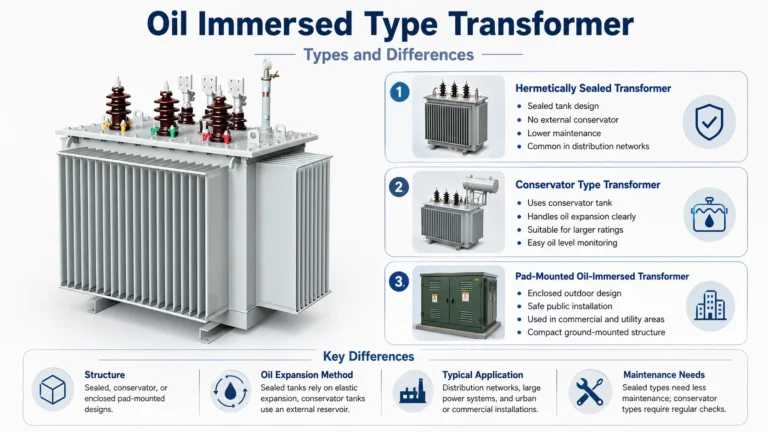
Sealed designs with oil pillows (like we discussed) use hermetically sealed tanks with minimal or no air contact, protecting the oil from atmospheric moisture and oxygen. This extends service life significantly and reduces maintenance. Unsealed designs expose oil directly to air through breathing vents, requiring more frequent oil changes and moisture removal. For B2B applications with professional maintenance, sealed designs are almost always the better choice due to lower total cost of ownership.
u003cstrongu003eHow do I know if my Oil Immersed Distribution Transformer is experiencing cooling issues?u003c/strongu003e
Your first indicator is abnormally high top oil temperature relative to ambient conditions. If the temperature rise exceeds specifications by more than 10°C, that’s a red flag. Other signs include audible humming intensifying, oil discoloration, or suspicious smells. Issues could stem from blocked air circulation, fan failures (if ONAF equipped), or internal winding problems. Professional thermal imaging can pinpoint hot spots and guide corrective action.
u003cstrongu003eIs mineral oil the only acceptable insulating medium?u003c/strongu003e
For most Oil Immersed Distribution Transformer applications, mineral oil remains the standard and cost-effective choice. However, biodegradable ester-based oils are increasingly available for enhanced high-temperature performance and environmental benefits. The decision typically comes down to your specific application requirements and budget constraints. Your transformer supplier can recommend which insulating fluid aligns with your needs and regulatory environment.
u003cstrongu003eWhat factors Oil Immersed Transformer lifespan in practice?u003c/strongu003e
While Oil Immersed Distribution Transformer manufacturers often cite 30-40 year design life, actual lifespan depends on moisture content, operating temperature, load profile, and maintenance quality. Transformers operating consistently with clean dry oil, moderate temperatures, and proper maintenance routinely exceed 35-40 years. Conversely, units in high-humidity environments with minimal maintenance might fail within 15-20 years. The oil pillow system directly impacts this by preventing moisture ingress.
u003cstrongu003eHow does load growth affect my existing transformer?u003c/strongu003e
Oil Immersed Distribution Transformer aren’t like light bulbs—they don’t simply u0022burn brighteru0022 under increased load. What happens is the winding temperature rises (potentially exceeding specifications), oil cools less efficiently, and insulation aging accelerates. If projected loads will increase 50% or more over the next five years, you should consider either adding parallel transformers or replacing with a higher-capacity unit. The cost of preventive replacement is far lower than emergency replacement due to failure.
u003cstrongu003eWhat maintenance can my team handle internally versus requiring specialists?u003c/strongu003e
Visual inspections, oil level monitoring, and basic record-keeping your team can definitely handle. Oil analysis sampling is straightforward but should be sent to laboratories. Major work like internal inspections, detailed thermal testing, or oil regeneration absolutely requires qualified specialists with proper equipment. Most facilities contract with transformer service companies for these specialized tasks. This division of labor optimizes both cost and safety.
If you are evaluating oil immersed transformers for a substation, industrial plant, or renewable energy project, the variety of available types can make selection feel complicated. The distinctions are not only about kVA and voltage. They extend to cooling class, tank construction, phase configuration, insulating fluid chemistry, winding material, and the specific duty the transformer […]
An oil immersed transformer is the workhorse of medium- and high-voltage power distribution — the unit you find in substations, industrial plants, and renewable energy projects where cooling capacity, overload margin, and long service life matter more than a compact footprint. Most specification mistakes do not start with the brand or the price. They start […]
At its simplest, an oil immersed transformer (also called an oil filled transformer or oil type transformer) is a static electrical device that transfers energy between circuits through electromagnetic induction, with its active parts fully submerged in insulating oil.