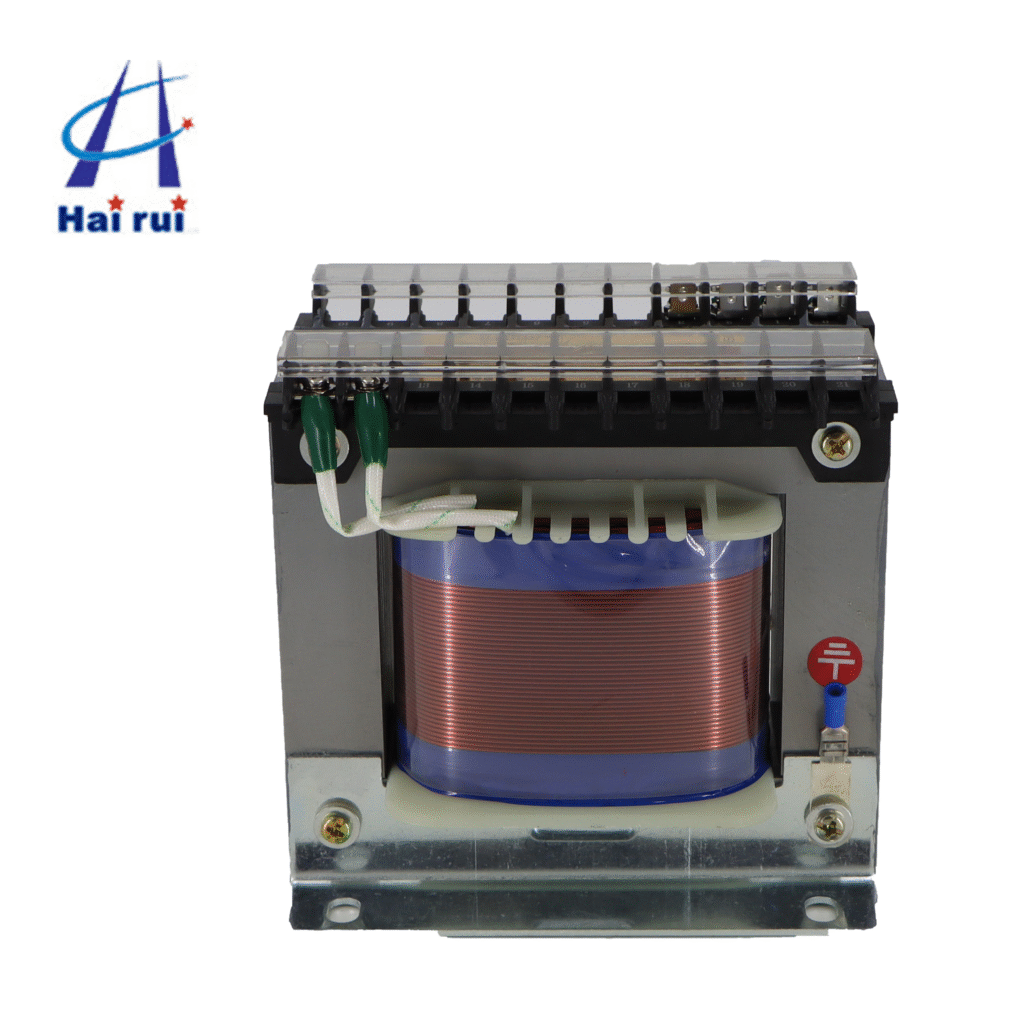
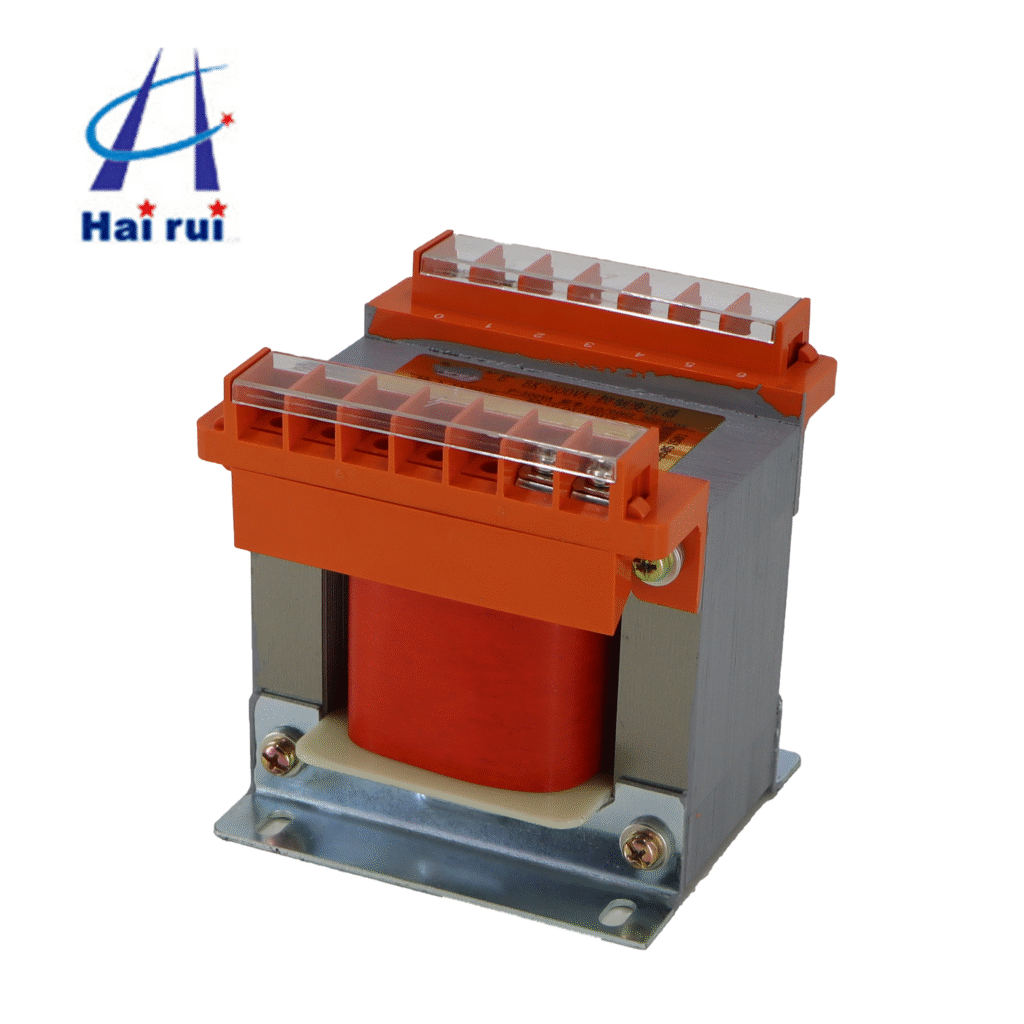
Have you ever looked inside a control cabinet and wondered why the JBK3 220/24V control transformer for PLC power is there, instead of just running everything straight off the main line? As a transformer sales engineer, I get asked this all the time.
The short answer is: safety, isolation, and stable low‑voltage control power. The slightly longer answer is: plus efficiency, reliability, and long‑term cost control.
In this article, I’ll walk you through the typical efficiency of a JBK3 220/24V control transformer, how to connect it properly, and which JBK3‑series model you should pick for your PLC‑based control panel.
If you’re in a hurry to place a quote, you can already tell me what VA rating and input voltage you need (220V or 380V), and I’ll get you the right JBK3‑series spec list.
What Is a JBK3 220/24V Control Transformer?
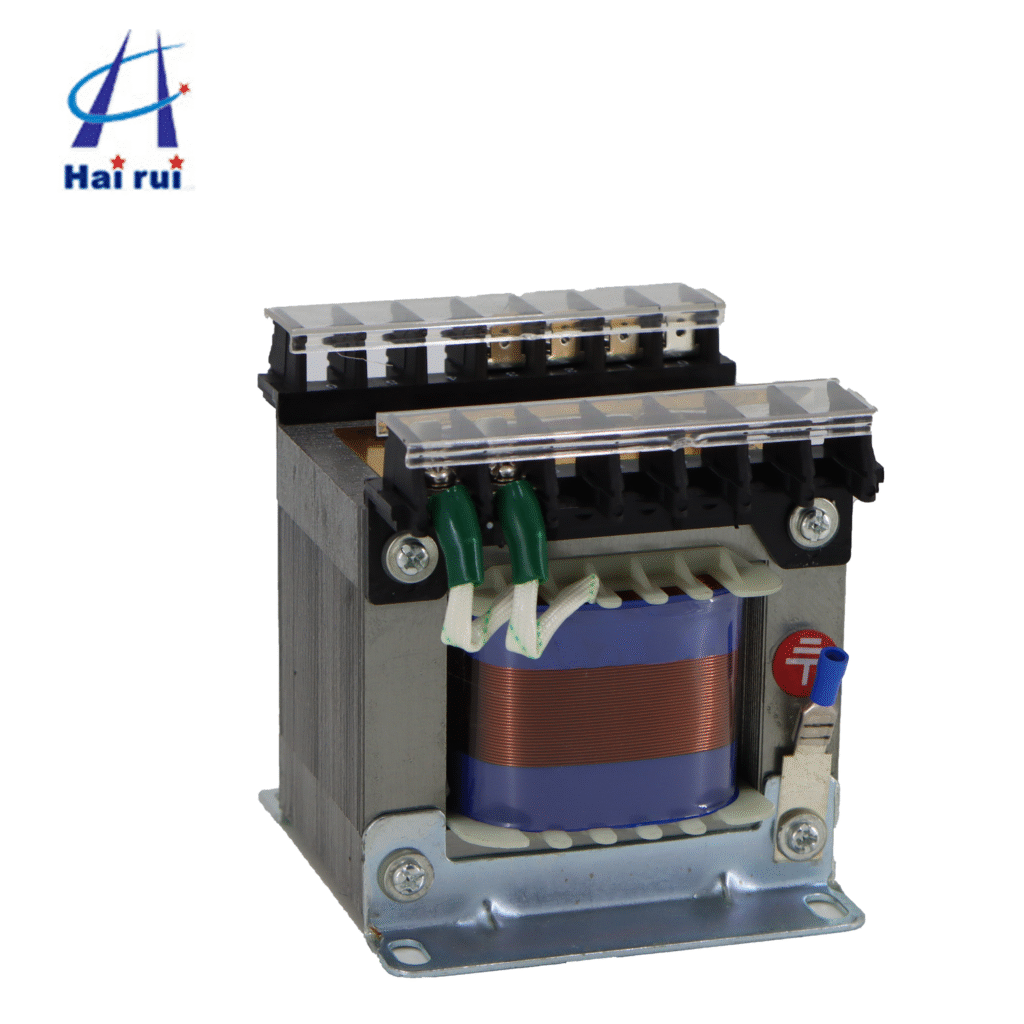
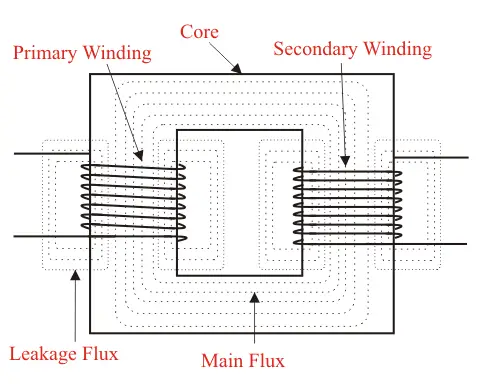
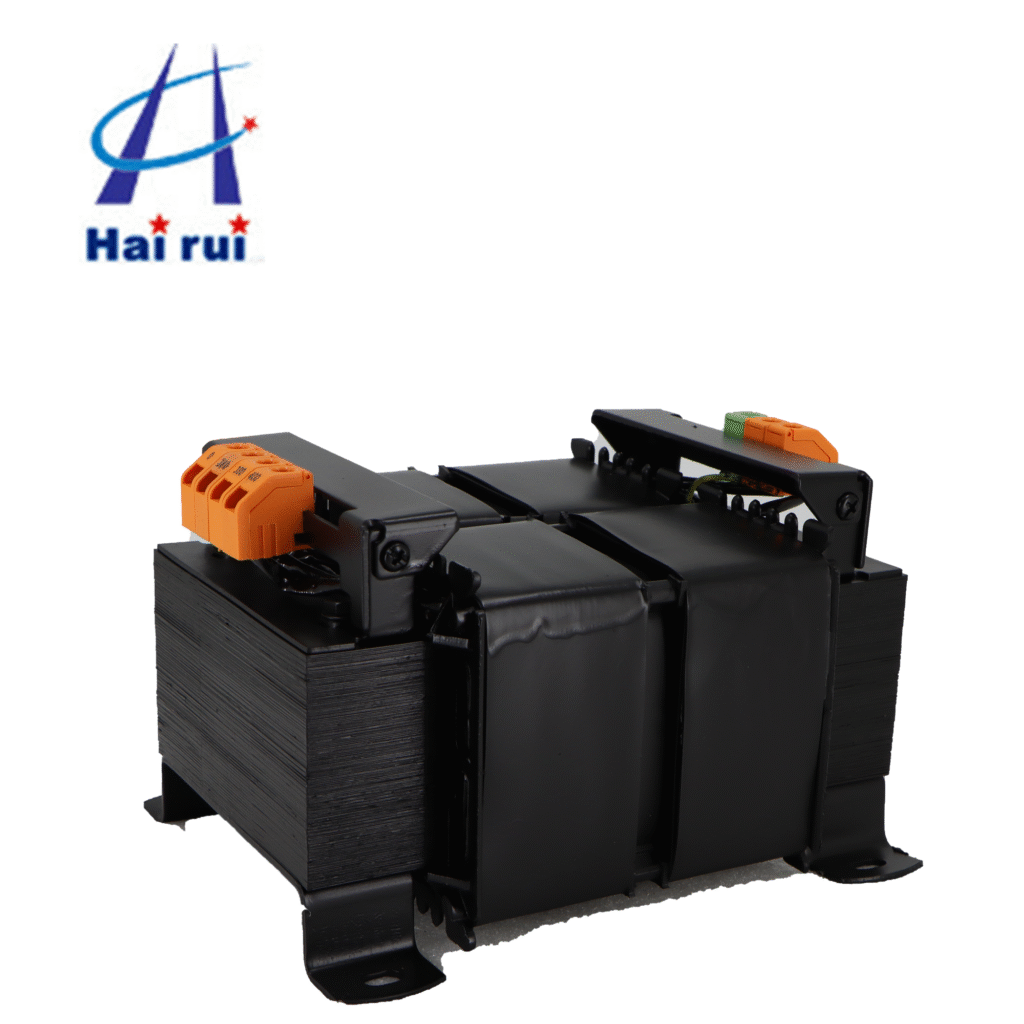
A JBK3 220/24V control transformer for PLC power is a small, single‑phase, low‑voltage isolation transformer designed for machine‑tool and industrial control panels. It converts 220V AC (or sometimes 380/415V) down to 24V AC, which is then used to power PLC input modules, relay coils, contactors, indicator lamps, and signaling circuits.
These transformers are built for 50/60 Hz AC systems, with input voltages up to 500V and output voltages up to 220V, which makes them a common fit for automation and PLC‑based control systems worldwide.
Why use 24V AC instead of 220V?
Lower risk for operators – 24V is much safer than 220V when someone opens a panel.
Better compatibility – many PLCs, relays, and contactors are designed for 24V control coils.
Easier troubleshooting – low‑voltage circuits behave more predictably than high‑voltage ones.
In simple terms, your JBK3 220/24V control transformer acts as a “gatekeeper” between the main power line and your PLC’s control circuit.
Typical Efficiency of JBK3 220/24V Control Transformer
The typical efficiency of a good‑quality JBK3 220/24V control transformer for PLC power is usually above 90%, and many modern units reach ≥95% under normal load conditions.
How to understand efficiency numbers
Transformer efficiency is simply:Efficiency=Input PowerOutput Power×100%
For a 160VA JBK3‑160 unit stepping down 220V to 24V, the losses are mainly:
Copper loss in the windings.
Core (iron) loss in the laminated silicon‑steel core.
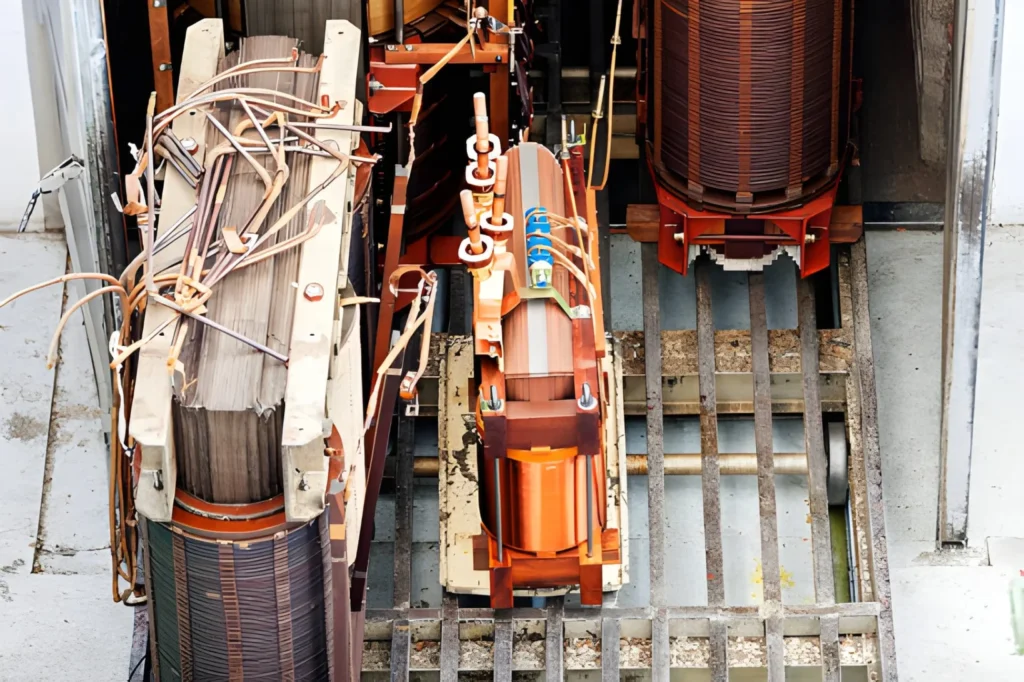
High‑quality industrial control transformers use pure copper windings and high‑permeability silicon‑steel laminations, which help keep losses low and efficiency high.
What efficiency numbers look like in practice
Model (JBK3‑series)
Typical VA rating
Typical Efficiency
Notes
JBK3‑40
40 VA
≥90–92%
Small PLC panels, simple relay logic
JBK3‑63
63 VA
≥90–93%
Small machine control panels
JBK3‑100
100 VA
≥92–94%
Medium‑size PLC cabinet
JBK3‑160
160 VA
≥94–96%
Typical PLC‑based automation panel
JBK3‑250
250 VA
≥94–96%
Larger PLC + multiple relays
JBK3‑400
400 VA
≥94–96%
Heavy‑duty control / multi‑circuit panels
These values are in line with ≥95% efficiency claims from several JBK3‑series manufacturers and are typical for high‑quality 220V → 24V control transformers used in industrial automation.
If you see a JBK3 220/24V control transformer for PLC power advertised with efficiency below 85%, I’d be cautious. It may mean cheaper materials, higher losses, and more heat in your panel.
How to Wire a JBK3 220/24V Control Transformer for PLC Power
Wiring a JBK3‑series unit is straightforward, but it’s easy to make mistakes if you’re in a rush. Let’s walk through the practical way to connect it when you’re building a PLC‑driven control panel.
Step‑by‑step wiring
Identify the terminals Typical labeling is:
Primary (input): 0–1 for 220V, 0–2 for 380V, 0–3 for 415V.
Secondary (output): 11–12 for 24V, 11–13 for 30V (if available).
For a 220V → 24V JBK3 control transformer, use 0–1 and 11–12.
Connect the primary side to the main line
Run the 220V line from your main breaker or contactor to terminal 0.
Return the neutral or second phase to terminal 1.
Use proper overcurrent protection (fuse or breaker) on the primary side.
Connect the secondary (24V side)
Run 11–12 to the 24V rail or busbar in your PLC panel.
From this busbar, you feed:
PLC input modules (if 24V AC).
Relay coils and contactor coils.
Indicator lamps and small signal circuits.
Grounding and isolation
The 24V secondary is isolated from the primary, which is a key safety feature.
Still, bond the transformer frame to the panel grounding bar.
If you’re wiring a JBK3 220/24V control transformer for PLC power, I usually recommend using standard terminal blocks and color‑coded wiring (blue for 24V, black for 220V) so your maintenance team can follow it years later.
If you want, you can send me your project specs I’ll help you pick the right industrial JBK3 220/24V Control Transformers for PLC Power model and quantity.
How to Choose the Right JBK3 Model for Your PLC Panel
Selecting the right JBK3 model isn’t just about “220V to 24V.” It’s about VA rating, load profile, and future expansion. Here’s how to pick the right one.
First, calculate your control‑circuit load
Before you even look at a catalog, write down:
How many relays / contactors will run on 24V?
What is the coil VA rating of each (e.g., 5–10 VA per coil is common)?
Any indicator lamps or solenoids loading the transformer?
Then:Total control load=∑(coil VA)+lamps
Add a 20–30% safety margin, and choose the next standard JBK3 VA rating up.
When to pick which JBK3‑series VA
Control panel size / application
Typical VA rating
Why
Simple PLC panel with 8–16 inputs/outputs
JBK3‑40 to JBK3‑63
Enough for small relay logic and basic PLC I/O
Medium‑size automation panel (16–32 I/O, a few relays)
JBK3‑100 to JBK3‑160
Most common choice for “typical” PLC panels
Large PLC cabinet with multiple contactors, relays and lamps
JBK3‑250 to JBK3‑400
For heavy loads and multiple control circuits
Very large machine or multi‑line control cabinet
JBK3‑630 or JBK3‑800
Industrial plants, large automation lines
Using a JBK3‑160VA 220/24V control transformer for PLC power is a very common “sweet spot” for standard automation panels. If your project is scaling up, you can always parallel two JBK3 units instead of pushing one too hard.
How to Check Efficiency and Quality When Buying
Not all JBK3‑series transformers are created equal. As a buyer, you can ask for a few key parameters to make sure you’re getting a high‑efficiency JBK3 220/24V control transformer for PLC power.
What to ask for in the datasheet
Rated efficiency at full load (e.g., ≥95%).
No‑load current – lower is better; it indicates less core loss.
Insulation class (Class B, F, or H).
Temperature rise under rated load.
Core material (silicon‑steel laminations) and winding material (copper vs. aluminum).
High‑end JBK3 units often advertise pure copper windings and cut‑edge laminations, which help improve efficiency and reduce heat.
Quick “red flag” check
If the datasheet shows efficiency ≤85%, be cautious.
If the no‑load current is more than 10–15% of rated current, it may run warm in your panel.
If they can’t provide a test report or compliance certificate (IEC 60204‑1), ask for it before ordering.
You can always send me your existing SBOM or spec sheet, and I’ll help you match the exact JBK3 model to your PLC panel.
The typical efficiency of a JBK3 220/24V control transformer for PLC power sits in the 90–96% range, with many modern units hitting ≥95%. That’s enough to keep your panel running cool and your energy bill reasonable, without complicating the design.
If you tell me your input voltage (220V or 380V), target PLC load in VA, and panel size, I can help you pick the exact JBK3‑series model and even suggest a matching 24V DC power supply for your PLC.
For your next project, consider starting with a JBK3‑160VA 220/24V control transformer for PLC power as a baseline, then sizing up if your relay count or contactor load grows.
If you’re ready to get a B2B quote or technical datasheet, just confirm your VA rating, input voltage, and quantity, and I’ll prepare the right spec list for you.
FAQ
Can I run a PLC directly off a JBK3 220/24V transformer?
Most modern PLCs use 24V DC for their power supply, not 24V AC. In that case, you still use the JBK3 220/24V control transformer, but feed the 24V AC into a 24V DC switching power supply, which then powers the PLC.
What if my line voltage is 380V instead of 220V?
Many JBK3‑series transformers support multiple primary taps (e.g., 220V, 380V, 415V). For a 380V → 24V JBK3 control transformer, you just connect the line to 0–2 instead of 0–1.
How hot should a JBK3 220/24V transformer run?
A well‑rated JBK3‑160VA 220/24V control transformer for PLC power should not feel “burning hot” under normal load. If the case is too hot to touch for more than a few seconds, either the transformer is undersized or the panel ventilation is poor.
Can I use a JBK3 transformer for both control and PLC power?
Yes. In many installations, the same JBK3 220/24V control transformer powers both relay coils and the PLC’s 24V DC power supply. Just make sure the total VA load is within the transformer’s rating.
When you work with machines, industrial control transformers are the quiet heroes nobody talks about—until one fails. One day everything runs smoothly. The next day your PLC isn’t talking, the control panel is dead, and the whole production line is counting downtime against your budget. If you’re an engineer, panel builder, or procurement buyer, that scenario is […]
Choosing between copper and aluminum isn’t a cosmetic decision. In a control transformer Windings, the winding material quietly shapes voltage stability, heat, size, reliability at terminals, and—most importantly for B2B buyers—the total lifecycle cost. If you’re a procurement lead trying to standardize parts across panels, or an engineer trying to keep cabinets cooler and smaller, […]
If you have ever sourced electrical components for an industrial panel, a machine tool, or a building automation system, you have probably come across the term control transformers. And if you are a buyer, engineer, or project manager, you have likely faced the classic question: “Should I use a 24V or a 120V control circuit?” […]
We use cookies to enhance your browsing experience, serve personalised ads or content, and analyse our traffic. By clicking "Accept All", you consent to our use of cookies.