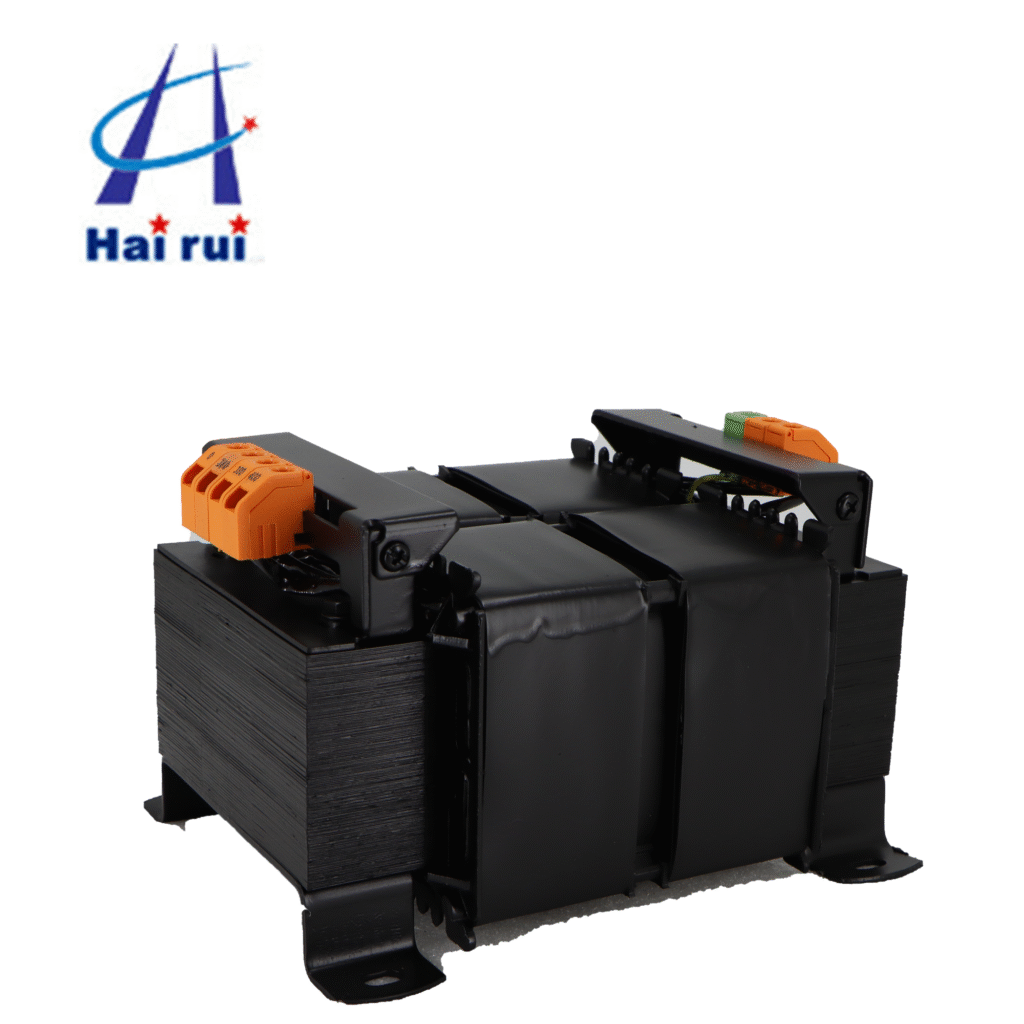
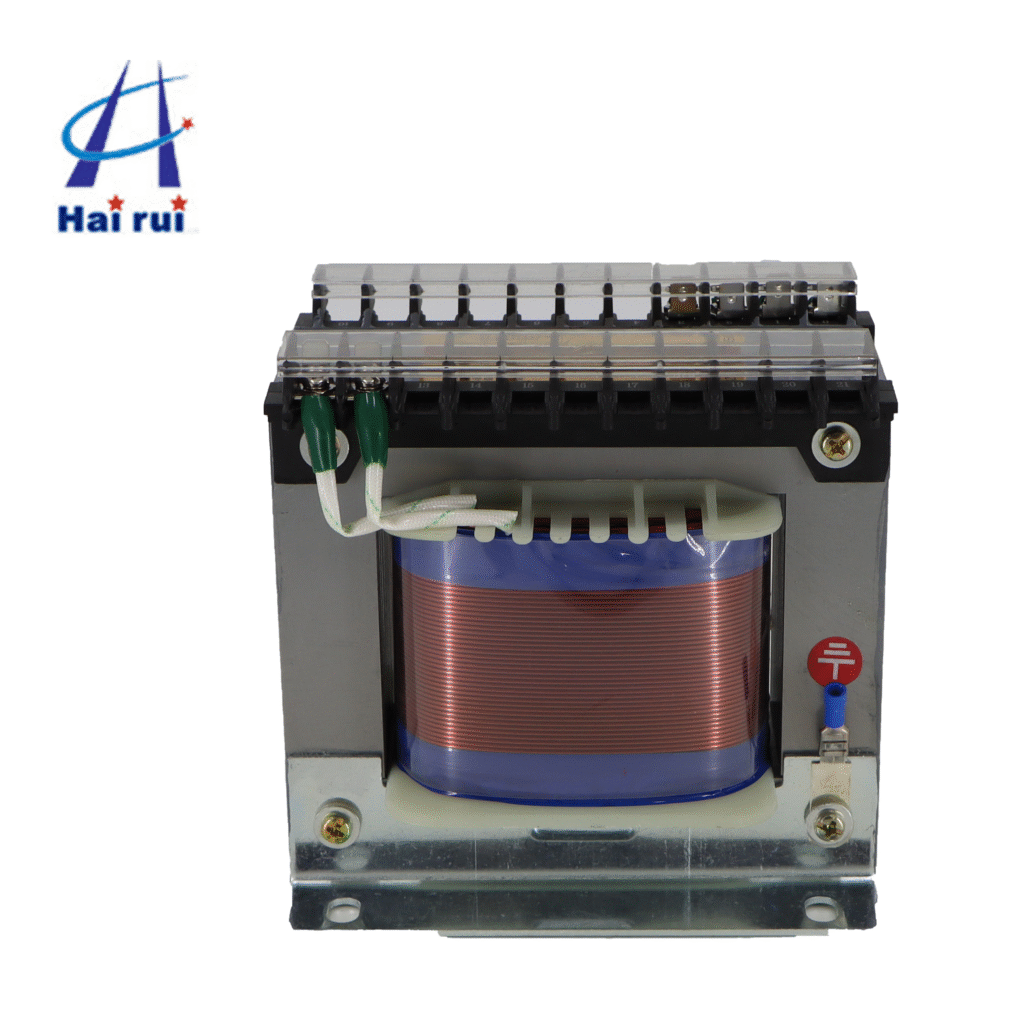
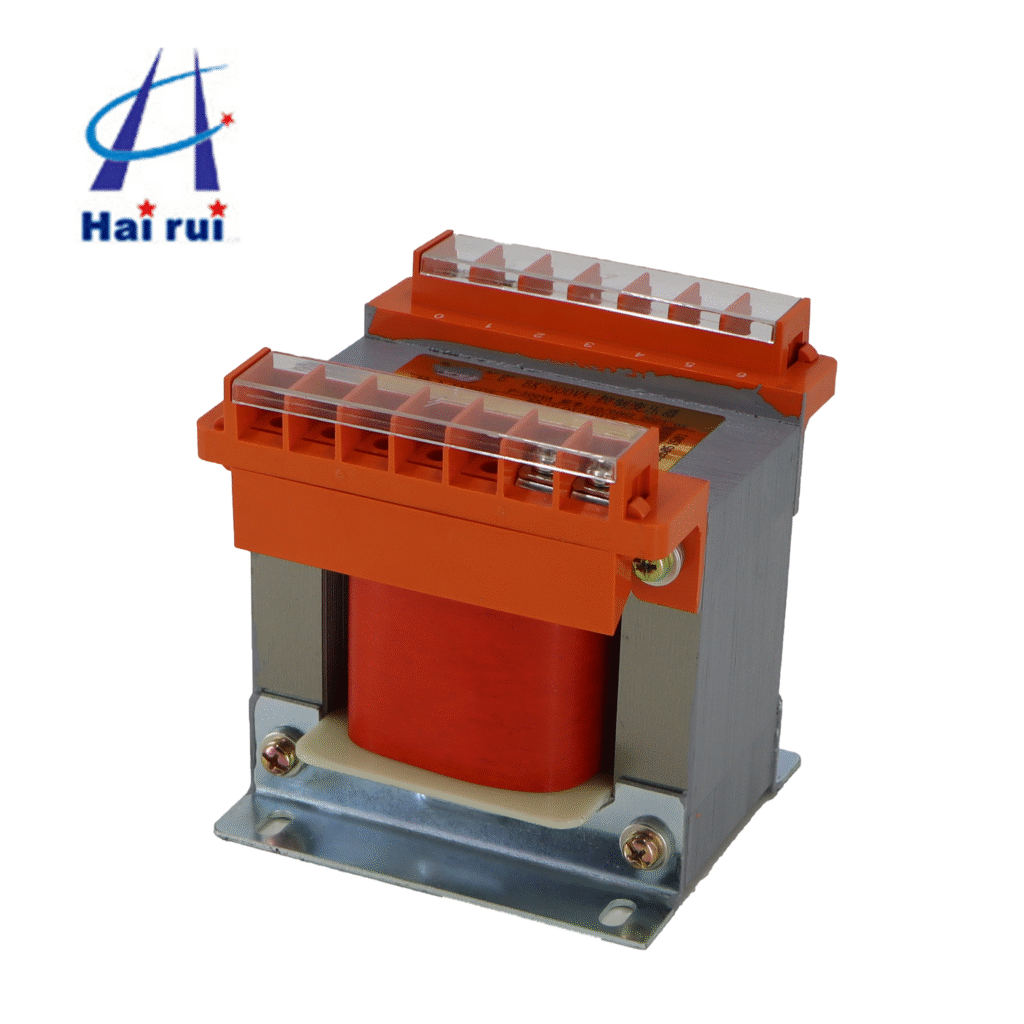
Selecting the right control transformer may seem straightforward — it’s just a component that provides stable voltage to control circuits, right? However, any engineer or buyer who’s made the wrong purchase knows how costly a mismatch can be. The wrong transformer can lead to voltage drops, overheating, or even premature equipment failure. Whether you’re sourcing from control transformer manufacturers, comparing wholesalers, or discussing customization options with a supplier, understanding the key specifications before you buy is essential.
In this article, we’ll walk through the most important factors to consider when selecting a control transformer, explain how to interpret technical terms, and give practical insights to help you get the best value for your investment.
Understanding What a Control Transformer Does
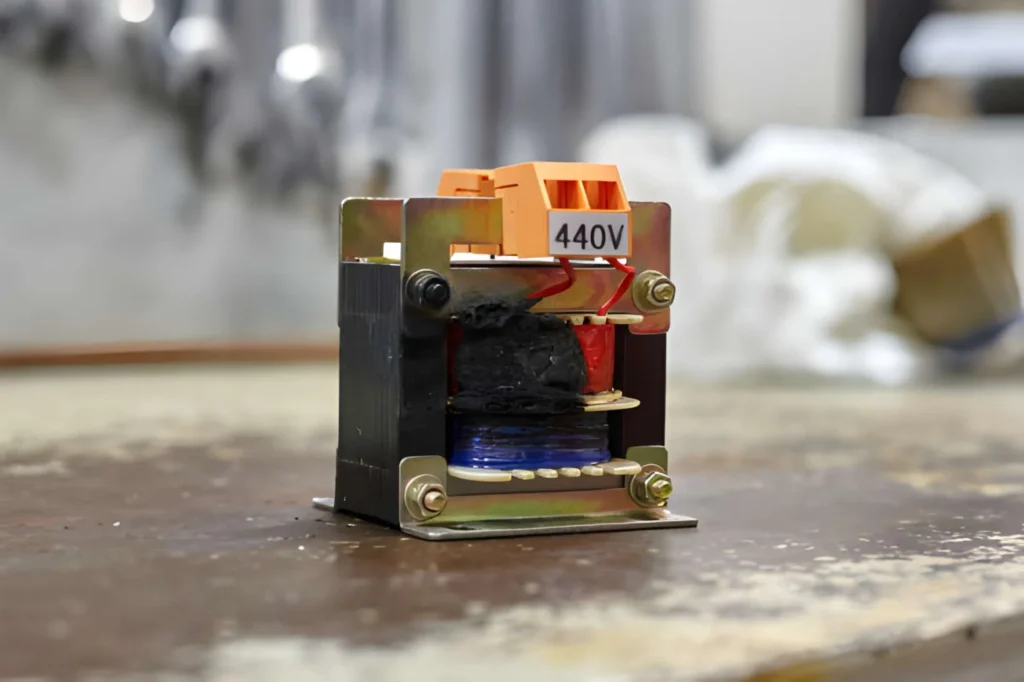
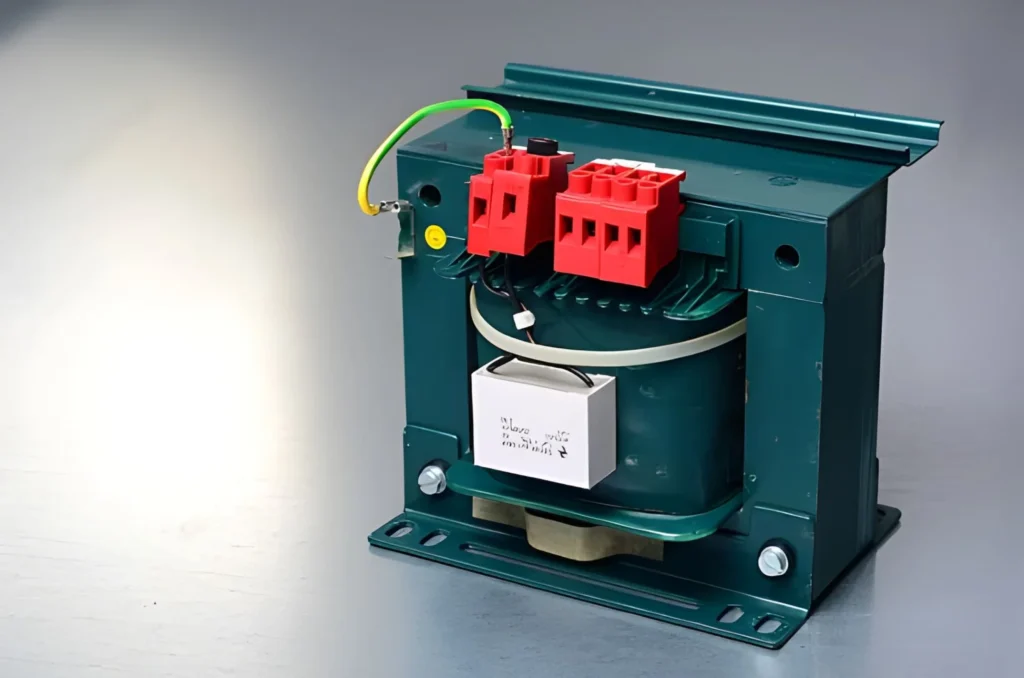
A control transformer, sometimes called an industrial control transformer (ICT), is designed to provide a stable voltage to control circuits that operate relays, contactors, solenoids, and other small loads. Unlike general-purpose transformers, control transformers are optimized for high inrush current demands and reliable voltage regulation — features critical in automation and manufacturing environments.
In short, the job of a control transformer is to act as the silent guardian that ensures your control system operates safely and efficiently — even during voltage fluctuations.
Let’s now look at how to evaluate one like a pro.
1. Voltage Rating: Primary and Secondary Voltage
When purchasing a control transformer, start by checking the primary and secondary voltage ratings. These determine compatibility with your system and control load.
Voltage Type
Typical Range
Example Application
Primary Voltage
120V, 240V, 480V, up to 600V
Industrial power sources
Secondary Voltage
12V, 24V, 48V, 120V
Control circuits, relays, PLCs
A mismatch here can cause system faults or inefficient operation. Always double-check your control circuit’s requirements before ordering. If your application involves multiple voltage configurations, some transformer manufacturers offer multi-tap primary designs, making the same unit usable across different systems.
2. VA Rating: Power Capacity That Fits Your Load
The VA (Volt-Ampere) rating determines the maximum load the transformer can handle. If your total connected devices draw more VA than what the transformer supports, expect overheating and possible failure.
A simple rule of thumb: add up the VA ratings of all the devices powered by the transformer and add a 25% safety margin. For instance, if your control circuit uses 100 VA, choose a 125 VA transformer.
For facilities with dynamic loads — especially where inrush current from contactors or solenoids is high — look for control transformers specifically designed for high inrush capability.
3. Frequency: Matching System Standards
Most control transformers operate at 50Hz or 60Hz. That may sound trivial, but using a transformer designed for one frequency in a system running at another can lead to reduced performance or excessive heat generation. Fortunately, most leading suppliers and wholesalers offer dual-frequency models to accommodate various markets.
If you’re purchasing for international machinery exports or mixed environments, always verify the rated frequency. It’s one of those small details that can prevent major downtime later.
4. Insulation Class and Temperature Rise
Another vital specification is the insulation class, which indicates how well the transformer can handle heat. Common classes include Class A (105°C), B (130°C), F (155°C), and H (180°C). A higher insulation class means better heat endurance and longer life.
Here’s a quick comparison:
Insulation Class
Max Temperature (°C)
Typical Use
Class B
130
Light industrial control systems
Class F
155
Heavy-duty machinery and automation
Class H
180
Harsh industrial conditions
Pair this with the temperature rise rating (often 80–115°C). The lower it is, the more efficiently your transformer handles heat under load.
5. Inrush Current Capacity
When a contactor or solenoid first energizes, it draws a high inrush current — often several times the steady-state current. Your control transformer must handle that surge without excessive voltage drop.
For example, a 150 VA transformer may handle a typical 300 VA steady load but could fall short if your equipment needs a short inrush burst of 800 VA. Always consult the transformer’s inrush rating charts provided by manufacturers before purchasing.
If your control system includes multiple inductive loads starting at once, consider oversizing your transformer or consulting your supplier for a custom design.
6. Mounting and Environmental Conditions
Control transformers come in various mounting types — open core and coil, enclosed, or DIN rail mount. Your choice depends on the application environment:
Open type: For enclosed control panels with good ventilation.
Enclosed: For dusty or humid industrial settings.
DIN rail mount: Ideal for compact automation panels.
Also, check the IP rating (Ingress Protection). For outdoor or high-dust conditions, higher IP ratings offer better protection. You can always ask your manufacturer or wholesaler if an enclosure upgrade or customization is available — often, B2B clients have these needs met easily through bulk orders.
7. Efficiency and Energy Consumption
While control transformers operate on low loads, energy efficiency still matters — especially in facilities with dozens or hundreds of transformers. Look for energy-efficient designs featuring advanced core materials and optimized winding configurations.
Higher efficiency means less heat, longer life, and lower operating costs. Many control transformer manufacturers now offer eco-efficient models that comply with DOE 2016 or IEC energy standards.
8. Safety Standards and Certifications
Industrial buyers should never overlook certifications. Look for UL, CSA, CE, or IEC marks to ensure your transformer meets international safety standards.
If your company exports equipment to North America or Europe, discuss with your supplier whether the selected models hold dual approvals. Compliance simplifies your documentation and builds trust with end customers.
9. Customization Options for Special Applications
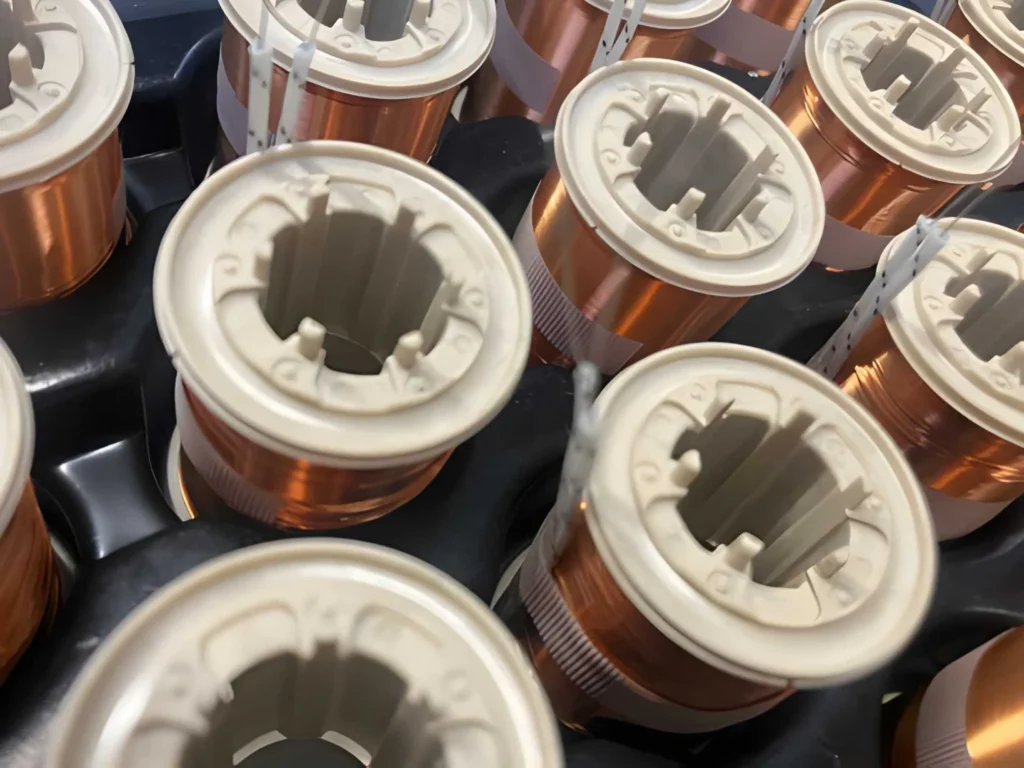
Sometimes, off-the-shelf control transformers just don’t fit. Whether your system requires unusual primary voltages, particular mounting, or custom encapsulation, many manufacturers can offer OEM or ODM customization.
Examples of customization features include:
Non-standard voltage combinations
Special wire terminations or connectors
Enhanced moisture or vibration resistance
Private labeling for wholesalers or B2B OEM clients
When contacting suppliers, clearly describe your application environment and technical specs. Many companies can deliver small-batch customized units with surprisingly competitive prices.
10. Price vs. Performance: Finding the Right Balance
Control transformer prices vary depending on VA rating, efficiency, insulation, and brand. While it’s tempting to go for the lowest cost, think long term.
A low-cost unit may save a few dollars now but cause thousands in downtime later. Instead, focus on total cost of ownership — including lifespan, maintenance, and energy efficiency. When comparing suppliers or wholesalers, request both technical datasheets and performance tests. Reputable companies will provide full transparency.
What to Ask Suppliers Before You Buy
Here are some smart questions to discuss with potential control transformer suppliers or manufacturers:
Can you provide inrush current data for my load type?
What is your lead time and MOQ (minimum order quantity)?
Are custom voltages or enclosures available?
Which standards and certifications do your products meet?
Do you offer long-term supply support for OEM customers?
Good communication upfront helps avoid surprises later — and ensures your project stays on track.
Choosing the right control transformer isn’t just about ticking boxes on a datasheet — it’s about ensuring system stability, performance, and safety. By carefully evaluating voltage, VA rating, insulation, and inrush capabilities, you can avoid expensive inefficiencies down the line. Whether you’re an engineer, industrial buyer, or distributor, working closely with reliable manufacturers and suppliers pays off.
Need a quote or help selecting the ideal transformer for your application? Don’t hesitate to contact trusted control transformer suppliers and request customization or price details tailored to your project.
FAQ
What is the typical lifespan of a control transformer?
Usually between 10–20 years, depending on load conditions and ambient temperature.
Can control transformers be used for power supply circuits?
They’re optimized for control circuits, not high-load power distribution — use them for control logic, signaling, or relay circuits only.
What affects the price of control transformers?
Factors include VA rating, insulation class, efficiency, certifications, and supplier scale.
Are there different types of control transformers?
Yes — single-phase, three-phase, encapsulated, and autotransformers, depending on the control system’s layout.
Do manufacturers offer customization?
Absolutely. Many suppliers can adjust winding configuration, add enclosures, or rebrand for wholesalers and OEM buyers.
If you have ever opened a catalog or datasheet and seen “85% / 90% / 95% regulation” next to a Control Transformer, you are not alone in pausing. Engineers wonder whether it is a quality grade. Buyers wonder whether it affects price. Maintenance teams just want the contactor to stop chattering. Here is the practical […]
Control transformers are the unsung heroes in industrial automation. Whether you’re designing a control panel, automating a process line, or sourcing electrical components for OEM applications, understanding control transformer wiring is essential. These devices play a crucial role in stepping down voltages to safe levels for relays, contactors, PLC systems, and other sensitive control equipment. In this […]
When you’re sourcing electrical components for your system, it’s common to wonder — “Can I use a general transformer instead of a control transformers?” At first glance, they seem quite similar. Both devices step voltage up or down, both rely on electromagnetic induction, and both come in similar enclosures. However, when it comes to reliability, efficiency, and […]
We use cookies to enhance your browsing experience, serve personalised ads or content, and analyse our traffic. By clicking "Accept All", you consent to our use of cookies.