When a machine tool stops in the middle of a shift, nobody cares how pretty the electrical cabinet looks; they care whether the control transformer did its job. If you are sourcing a JBK3 machine tool control transformer for CNC machines, PLC panels or general industrial equipment, this guide is for you.
I’ll walk through what the JBK3 series really is, where it’s used, how to size and wire it, and what B2B buyers should check before sending a purchase order. And yes, we’ll keep it practical, with tables, examples and a friendly tone—because you already read enough dry datasheets every day.
What Is a JBK3 Machine Tool Control Transformer?
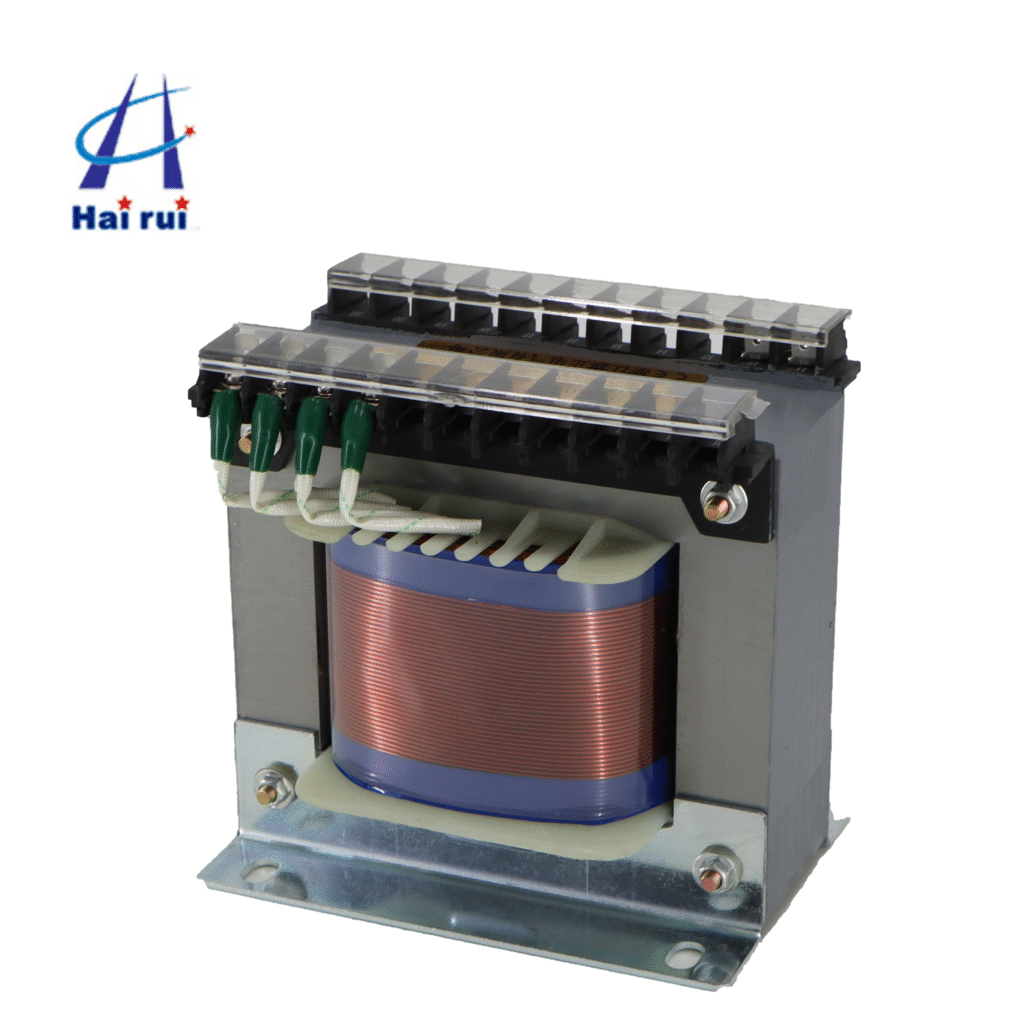
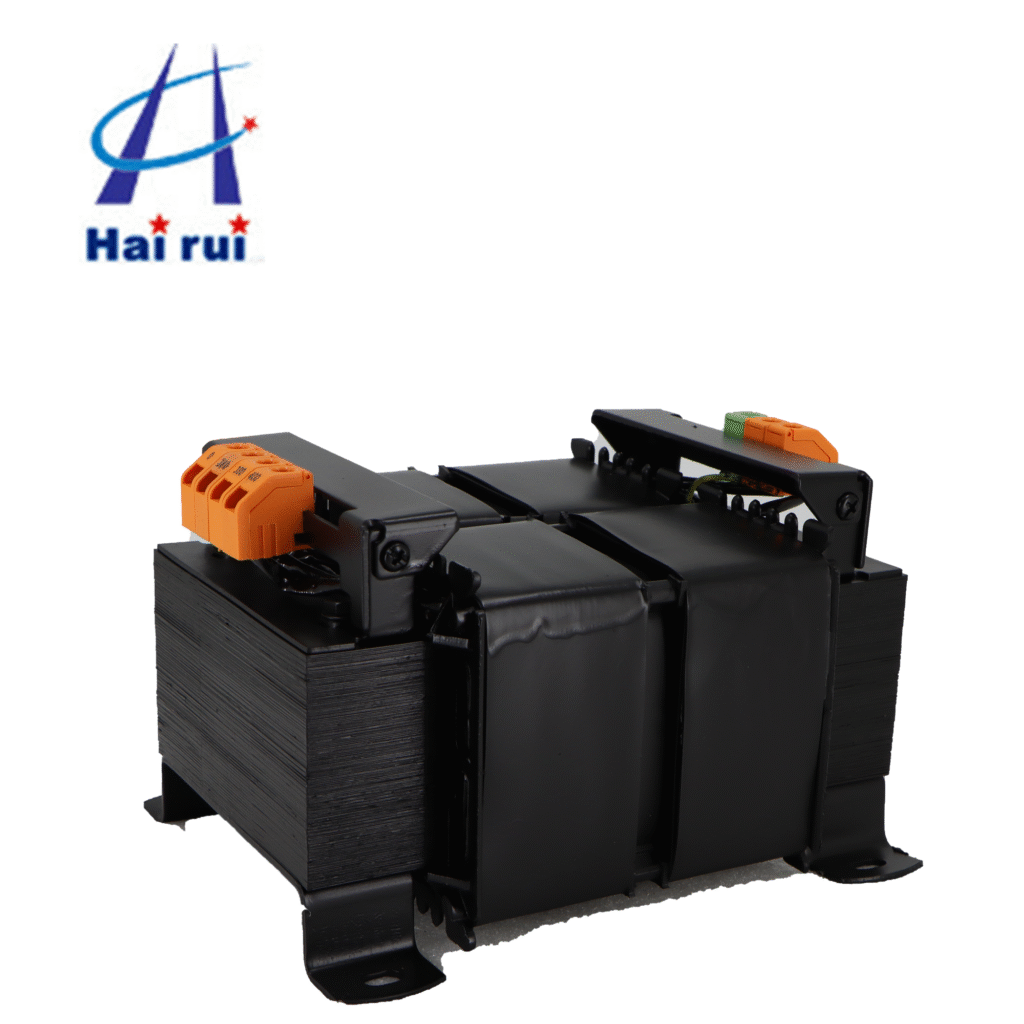
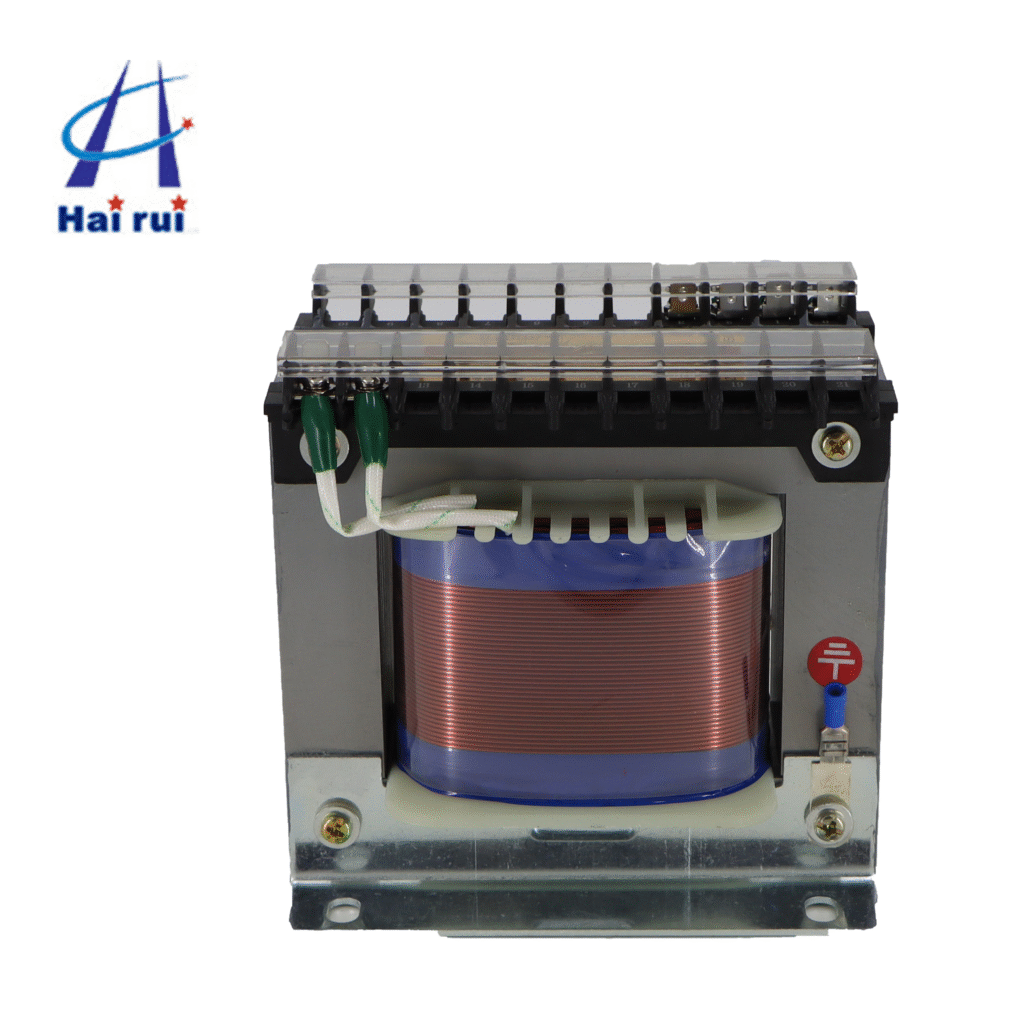
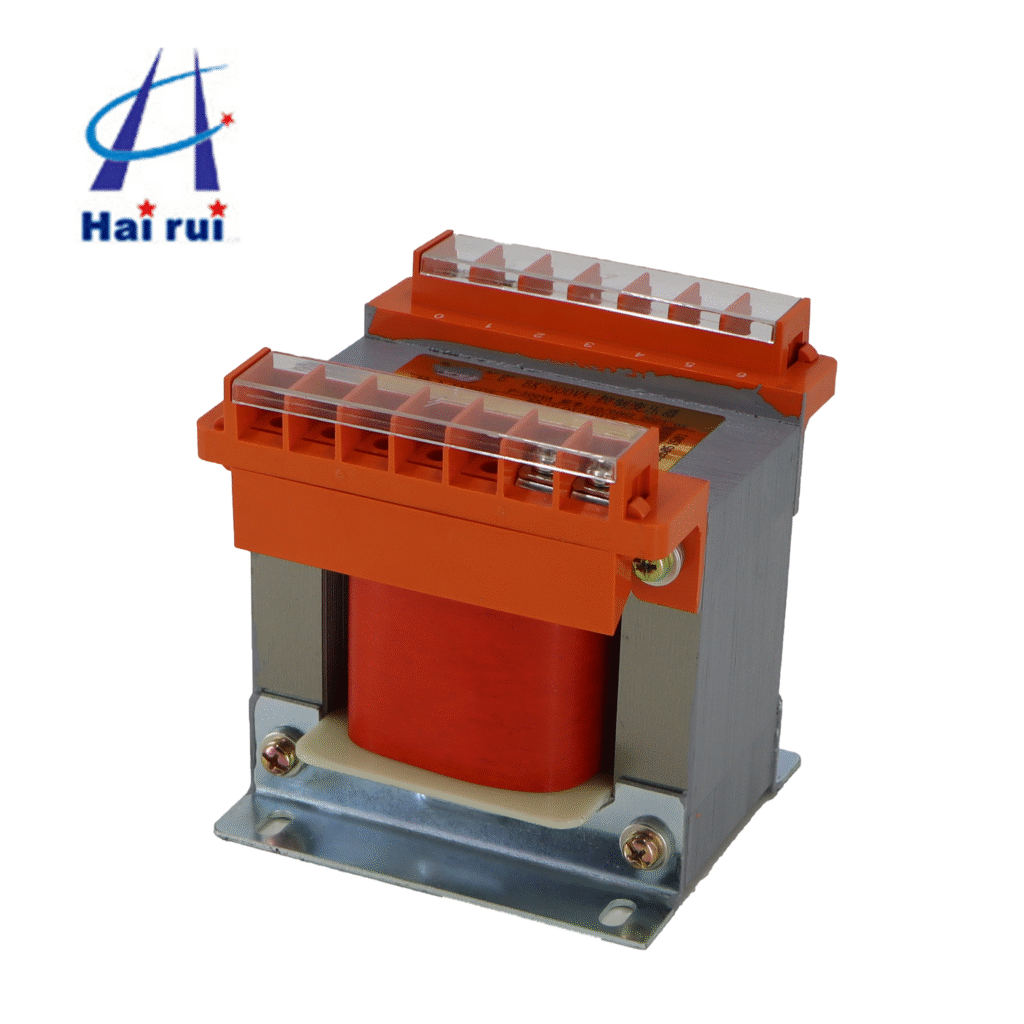
The JBK3 series is a dry-type single‑phase machine tool control transformer designed for AC 50–60 Hz circuits as the control power supply for mechanical equipment, lighting and signal lamps. It is widely used in machine tools, CNC systems, packaging lines, and general electrical equipment where reliable low‑voltage control power is required.
Typically, a JBK3 machine tool control transformer works with input (primary) voltage up to 660–1000 V and provides output (secondary) voltages up to 220–600 V depending on the specific series and manufacturer. Some models are designed with multiple secondary windings for control circuits, work lighting and indicator signals in one compact unit.
220–600 V (with additional low‑voltage taps like 24 V, 36 V, 110 V for control and lighting)
Typical applications
Control power, machine tool control circuits, CNC panels, work lighting, signal lamps
Typical standards
EN 61558, IEC 204‑1, IEC 439, GB/T 5226.1, VDE series (varies by manufacturer)
Cooling method
Natural air cooling, dry‑type core‑type transformer
Construction
Silicon‑steel laminated core, copper windings, terminal block for safe wiring
If you like a simple mental model: think of the JBK3 as the “voltage bodyguard” that stands between the main power and your delicate PLC, contactors and control relays.
Standards, Design Features and Working Conditions
For B2B buyers, standards and environmental ratings are not just nice to have; they decide whether your panel passes inspection and survives on site. The JBK3 machine tool control transformer series is usually designed with reference to European and international standards such as VDE 0550 / 0551, IEC 204‑1, IEC 439 and EN 61558, and equivalent GB/T control system standards.
Manufacturers often state that JBK3 transformers are optimized for ambient temperatures around −5 °C to +40 °C (with 24‑hour average ≤ +35 °C), installation altitudes up to 2000 m, and relative humidity up to 50% at +40 °C or up to 90% monthly average at lower temperatures. Many JBK3 variants are designed for a “Safety inside” concept with high permissible ambient temperature and high short‑time rating, supporting fuseless control circuits.
Standards and environmental ratings at a glance
Aspect
Typical JBK3 Specification
Reference design
New series developed with Siemens‑type technology (1980s design reference)
Safety / design standards
EN 61558, IEC 204‑1, IEC 439, GB/T 5226.1, VDE 0550/0551 (varies by brand)
Ambient temperature range
−5 °C to +40 °C, 24‑h average ≤ +35 °C
Max altitude
Up to 2000 m above sea level
Humidity capability
≤ 50% RH at +40 °C; up to 90% monthly average at +25 °C
Construction
Cold‑rolled silicon‑steel core, copper windings, terminal blocks for safe connections
Protection concept
High short‑time rating, fuseless control circuits, “Safety inside” approach
If your projects run in hot workshops or humid coastal factories, these environmental ratings matter as much as VA capacity. When you send an RFQ, always include ambient temperature, enclosure type and installation altitude so the manufacturer can recommend the right JBK3 configuration.
Typical Applications in Machine Tools, CNC and Automation
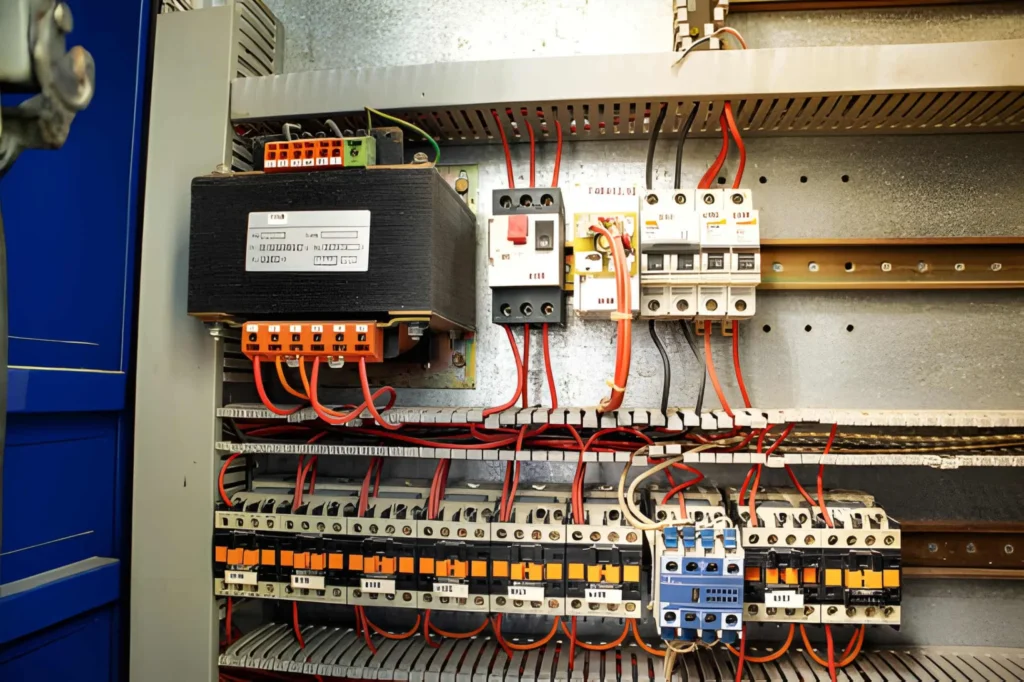
Now let’s talk about where a JBK3 machine tool control transformer actually earns its keep. In modern factories, JBK series industrial control transformers are a key part of low‑voltage power distribution inside machine tool control systems. They provide isolated, stable control power for devices ranging from CNC controllers and PLCs to contactors, sensors and indicator lights.
In CNC machine tools, PLCs manage complex sequences, monitor status and communicate with the CNC control, and they depend on stable auxiliary power to avoid nuisance trips or unexpected stops. Machine tool control transformers help buffer voltage fluctuations and provide safe lower voltages, which supports higher reliability and can even reduce scrap rates in high‑precision applications.
Where JBK3 control transformers are used
Application scenario
Role of JBK3 transformer
CNC machining centers and turning centers
Provides isolated power for CNC control, PLC I/O, contactors, brake release circuits
Traditional milling, drilling, grinding
Supplies 24 V / 36 V / 110 V control and indicator circuits from 380–460 V mains
Industrial automation panels
Feeds PLCs, relays, push buttons, stack lights and alarms with stable low voltage
Work lighting for machines
Powers low‑voltage work lamps and inspection lights
Signal and safety circuits
Supplies power for signal lamps, buzzers and interlock circuits
If your team builds machine tool panels, JBK3 models are often used as “standard control transformers” in your BOM, especially where 380–460 V mains have to be stepped down to safe control voltages.
Common JBK3 Ratings, Voltages and Dimensions
Let’s get more concrete. A typical JBK3 machine tool control transformer catalog includes VA ratings from small 40 VA units up to 1200 VA or more depending on the vendor. These transformers often provide multi‑tap primaries (e.g., 200–220–230–380–400–440–460 V) and combinations of secondaries like 220 V plus low‑voltage taps for control and lighting circuits.
Below is a simplified view of common JBK3 models and their parameters taken from typical market data; exact values can vary by manufacturer, but you’ll recognize the pattern.
Example JBK3 rating table
Model
Rated capacity (VA)
Typical input voltage options
Typical output voltages (examples)
Approx. dimensions (mm)
JBK3‑40
40
220 V / 380 V ±5%
110 V for control, 24–36 V for lighting and indication
Small core size for panel use
JBK3‑110‑09
110
380–400–415–440–460 V
220 V / 90 VA, 15–20–24 V / 20 VA
92 × 96 × 95
JBK3‑160‑06
160
380–400–415–440–460 V
220 V / 140 VA, 15–20–24 V / 20 VA
100 × 95 × 105
JBK3‑250‑14
250
380–400–415–440–460 V
220 V / 230 VA, 15–20–24 V / 20 VA
100 × 98 × 108
JBK3‑450‑03
450
380–400–415–440–460 V
220 V / 430 VA, 15–20–24 V / 20 VA
122 × 107 × 125
JBK3‑630‑03
630
380–400–415–440–460 V
220 V / 610 VA, 15–20–24 V / 20 VA
152 × 108 × 145
JBK3‑800‑01
800
380–400–415–440–460 V
220 V / 780 VA, 15–20–24 V / 20 VA
152 × 123 × 145
JBK3‑1000‑01
1000
380–400–415–440–460 V
220 V / 950 VA, 15–20–24 V / 50 VA
152 × 133 × 145
JBK3‑1200‑01
1200
380–400–415–440–460 V
220 V main secondary plus aux outputs
152 × 133 × 145
For buyers comparing different JBK3 control transformer manufacturers, these ratings give you a quick benchmark: if a supplier offers something very different, it’s worth double‑checking whether they follow common JBK3 design conventions or a custom variant.
If you already have a list of VA ratings and voltages, feel free to send it to a transformer manufacturer and ask them to cross‑reference the closest JBK3 models—this saves time compared to hunting through catalogs manually.
How to Select the Right JBK3 Machine Tool Control Transformer
Now comes the part procurement engineers really care about: how to choose a JBK3 machine tool control transformer that doesn’t bite you later in the field. Selection is not just “pick a VA and go”; you need to consider load type, duty cycle, inrush current, safety margins, standards and panel space.
At a basic level, you start from the total VA of all control devices (contactors, relays, PLC power supplies, lamps, solenoids), then add a safety factor to handle inrush and future expansion. Many machine tool builders size control transformers with 120–150% of calculated load to avoid nuisance voltage dips when multiple contactors pull in together.
Practical JBK3 selection guide
Step / Factor
What to check for JBK3 selection
1. Primary voltage
Match available mains: 200/220/230 V or 380–460 V multi‑tap primary
2. Secondary voltages
Determine control voltage (e.g., 110 V or 220 V) plus low voltages like 24 V for PLC or lamps
3. Total VA of loads
Sum VA of contactors, relays, indicators, PLC PSU, etc. from their datasheets
4. Inrush and duty cycle
Consider high inrush loads (contactors, solenoids) and add extra margin
5. Safety margin
Apply 1.2–1.5 × multiplier on calculated VA depending on application
6. Ambient conditions
Temperature, altitude, enclosure, cooling airflow
7. Standards and certifications
Check EN/IEC/GB/T compliance required by your market or end customer
8. Mechanical size and mounting
Ensure dimensions and mounting holes fit your control panel layout
9. Supplier capability
Evaluate manufacturers / wholesalers for MOQ, lead time, customization options
A small example: if your control panel uses two 24 V DC power supplies, several 230 V contactors and indicator lights with total continuous load about 210 VA, plus a few high‑inrush solenoids, you might select a 350–450 VA JBK3 machine tool control transformer instead of a tight 250 VA unit. The extra capacity helps keep voltage stable when everything switches at once.
When you’re not sure, sending your load list and control voltage requirements to a transformer manufacturer or wholesaler and asking for a JBK3 selection proposal is usually the fastest way to de‑risk the project.
No, I won’t turn this into a full wiring manual—but we should talk about some common wiring points for JBK3 machine tool control transformers. These transformers usually come with clearly labeled terminal blocks for primary and secondary connections, and some designs allow crimp or screw‑type connections depending on panel standards.
Typically, the primary side is wired to the incoming AC mains with appropriate protection, often via circuit breakers or fuses, and sometimes through contactors if you want to switch control power. The secondary side then feeds the control circuit busbars or distribution terminal blocks, with neutral and protective earth connections arranged according to your system’s grounding scheme.
Wiring and safety checklist
Topic
Practical note
Primary connections
Match the correct primary taps to your mains voltage (e.g., 380 V vs 400 V)
Secondary distribution
Separate terminals for control circuits, lighting and signals make panel wiring easier
Over‑current protection
Use proper fuses or circuit breakers in primary/secondary as per standards
Grounding and isolation
Follow EN/IEC wiring rules for protective earth and insulation distances
Short‑time rating
JBK3 designs often allow short overloads for contactor inrush
Maintenance access
Ensure space for tightening terminals and checking temperature or discoloration
If your team is standardizing control panels for multiple markets (Europe, Southeast Asia, Middle East, etc.), agreeing a common control voltage (for example 24 V control plus 230 V for some legacy components) and then locking in a JBK3 transformer range that covers all these cases can simplify wiring standards and spare stock.
When in doubt about wiring, always refer to the transformer datasheet and your local electrical code—and if you’re talking to a supplier anyway, you can also ask them to provide typical wiring diagrams for JBK3 control transformers in CNC or machine tool applications.
Why Many OEMs Prefer JBK3 Series Transformers
You might wonder: with so many control transformers on the market, why is the JBK3 machine tool control transformer series so popular with OEMs, panel builders, suppliers and wholesalers? The short answer is: standardized ratings, proven design, and good cost‑performance.
JBK3 series products are often described as “new series designed and manufactured according to Siemens technology,” and they are intended to be compatible with foreign brands while offering a cost advantage. Many manufacturers highlight features like silicon‑steel laminated cores for high efficiency and stability, copper windings for reliable performance, and terminal blocks designed to prevent accidental contact.
OEM‑friendly features
Benefit for B2B buyers
JBK3 feature or characteristic
Easy standardization
Broad catalog from 40 VA to 1200 VA (and more) with common voltage combinations
Compliance for global markets
EN, IEC, VDE and GB/T‑based designs serve multiple regions
Cost‑effective
Designed to be interchangeable with foreign brands at competitive prices
Robust performance
High short‑time rating and high permissible ambient temperature
Flexible mounting
Compact dimensions and standardized mounting hole patterns
Supply chain options
Available from multiple manufacturers, suppliers and exporters
If you are a distributor or wholesaler, the availability of standard JBK3 machine tool control transformers from several manufacturers can help you keep stock flexible while still meeting OEM requirements. For OEMs, a unified JBK3 platform across several machine models simplifies drawings, documentation and after‑sales support.
And of course, if you’re currently using a mix of different control transformer brands in your panels, consolidating to a JBK3‑based list can make your life easier when you negotiate prices and lead times with manufacturers.
If your team is planning a new machine line, control panel standard, or wants to compare JBK3 machine tool control transformer prices and options from different manufacturers, you can prepare a simple specification sheet (input voltage, control voltage, VA rating, standards, quantity) and send it as an inquiry to a professional transformer supplier for a detailed quotation and technical suggestion.
FAQ
What is the main purpose of a JBK3 machine tool control transformer?
A JBK3 machine tool control transformer provides isolated, stable control power and low‑voltage outputs for machine tools, CNC systems, work lighting and signal circuits in AC 50–60 Hz industrial environments.
What voltage range can the JBK3 series handle?
Typical JBK3 transformers are designed for primary voltages up to about 500–1000 V and provide secondary voltages up to around 220–600 V, often with additional low‑voltage taps such as 24 V or 36 V.
Which standards do JBK3 machine tool control transformers usually meet?
Manufacturers design JBK3 series transformers to comply with standards like EN 61558, IEC 204‑1, IEC 439, GB/T 5226.1 and relevant VDE requirements, enabling use in many global markets.
How do I choose the correct VA rating for my control transformer?
You calculate the total VA for all loads (contactors, relays, PLC supplies, lamps, solenoids), then apply a safety margin of roughly 1.2–1.5 times to account for inrush and future expansion, and select the closest higher JBK3 rating.
Are JBK3 transformers suitable for high‑temperature or humid workshops?
Within specified limits, yes: typical designs support ambient temperatures from about −5 °C to +40 °C, with humidity up to 50% RH at +40 °C or up to 90% monthly average at lower temperatures, but exact conditions should be verified with the manufacturer.
Can JBK3 machine tool control transformers be customized?
Many manufacturers and OEM‑oriented suppliers can customize input/output combinations, VA ratings, terminal arrangements, insulation class and mounting options based on project requirements, especially for larger orders.
Where can I buy JBK3 series control transformers in bulk?
JBK3 series machine tool control transformers are available from multiple industrial transformer manufacturers, exporters and trading companies that focus on power distribution, machine tool electrics and automation components.
People often ask: what exactly is a Control Transformer, and why does it matter in industrial applications? If your operation includes control panels, relays, sensors, or machine automation, a dedicated control transformer can be the unsung hero of reliability and safety. In this article, we’ll demystify the concept, walk through how it works, outline essential […]
When electrical engineers open a control panel drawing, they don’t rely on photos or 3D models. They rely on symbols. If your control transformer is not shown with the right electrical symbol, you risk misunderstandings, wrong wiring, and even failed inspections. This blog walks you through the control transformer symbol, how it appears in electrical schematic diagrams, and what B2B […]
If you buy or spec control transformers often, you’ve probably noticed a pattern: many “selection mistakes” are not really about VA rating or even voltage—they’re about how the windings are arranged and brought out to terminals. Those choices determine whether your panel gets stable control power during contactor inrush, whether you can reuse one part […]
We use cookies to enhance your browsing experience, serve personalised ads or content, and analyse our traffic. By clicking "Accept All", you consent to our use of cookies.