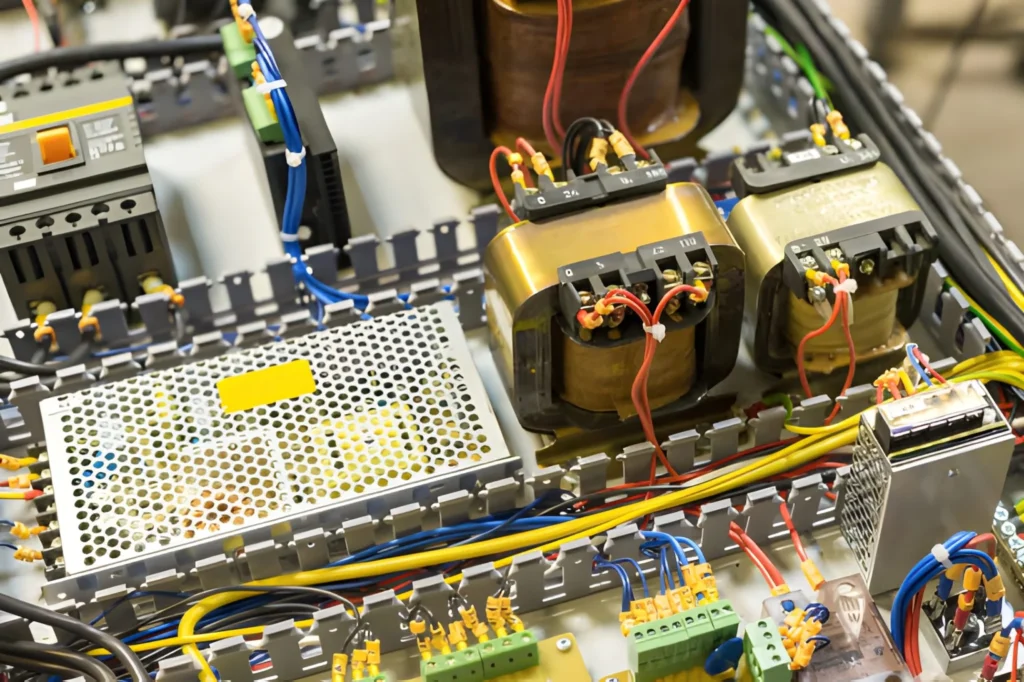
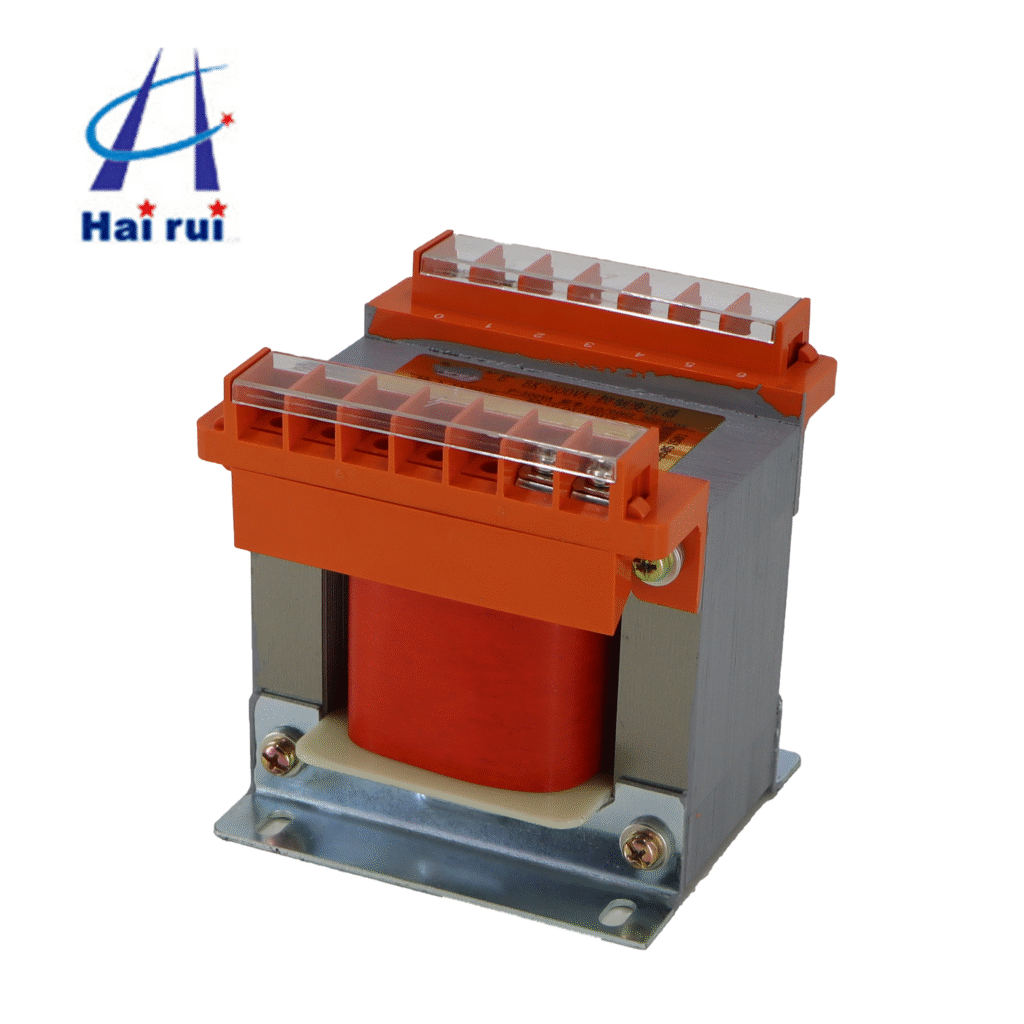
Control transformer are essential components in electrical systems, especially in industrial and commercial applications. They help step down voltage to safe levels for control circuits, ensuring that devices like relays, contactors, and PLCs operate efficiently and safely. But with so many options available, how do you choose the right VA rating for your control transformer? This blog will walk you through everything you need to know, from understanding VA ratings to selecting the perfect transformer for your needs.
What Is a Control Transformer?
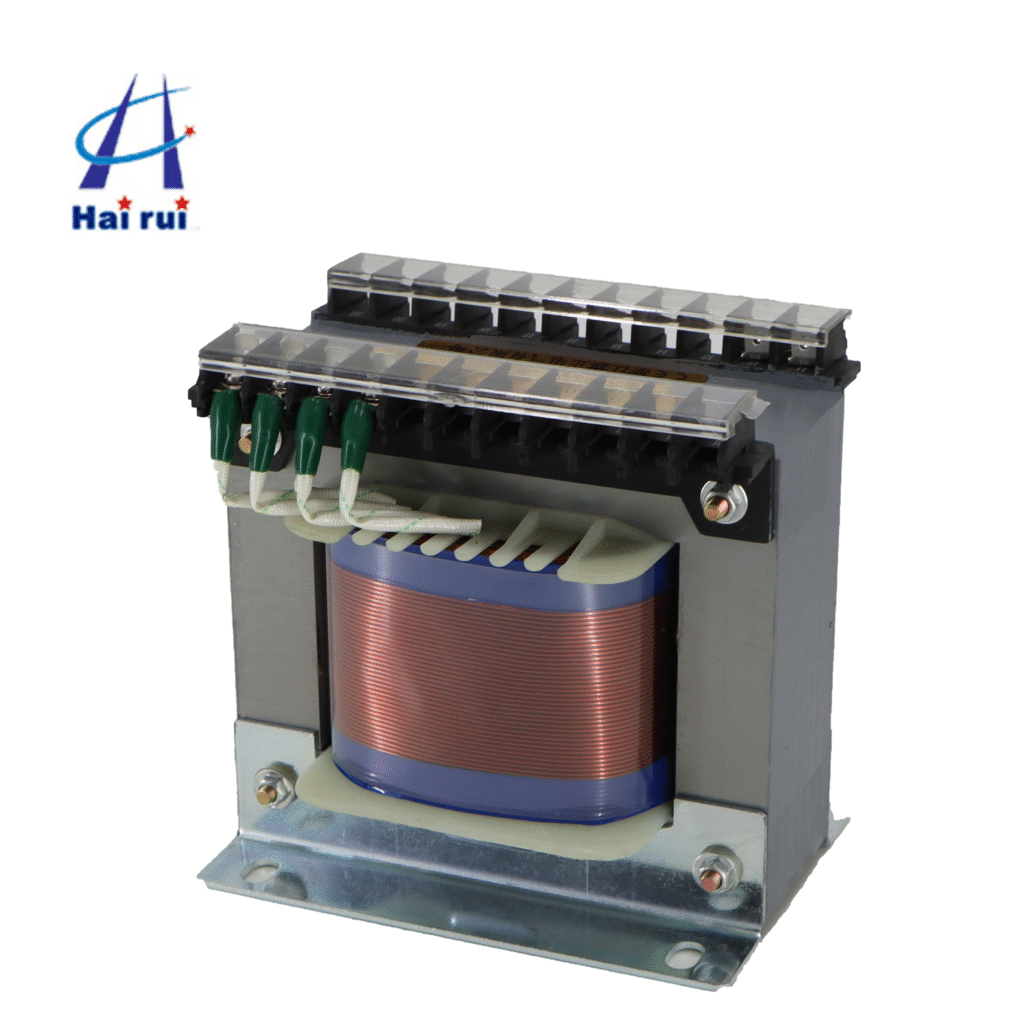
A control transformer is a type of transformer designed to provide a stable and reliable power supply for control circuits. These circuits are typically used to operate switches, relays, and other control devices in machinery and automation systems. The main function of a control transformer is to step down the primary voltage to a lower secondary voltage, usually 120V, 24V, or 12V, depending on the application.
The VA rating, or volt-ampere rating, is a measure of the transformer’s capacity to deliver power. It’s crucial to choose the right VA rating because an undersized transformer can overheat and fail, while an oversized one can be inefficient and costly. The VA rating is determined by the total load of the control circuit, including all connected devices.
VA Rating
Typical Applications
50 VA
Small control panels, simple circuits
100 VA
Medium-sized control panels, multiple relays
200 VA
Large control panels, complex automation systems
500 VA
Industrial machinery, heavy-duty applications
How to Calculate the Required VA Rating
Choosing the right VA rating starts with calculating the total load of your control circuit. This involves adding up the power requirements of all devices connected to the transformer. Here’s a step-by-step guide:
List All Devices: Make a list of all relays, contactors, timers, and other control devices in your circuit.
Find Power Ratings: Check the manufacturer’s specifications for each device to find its power rating in VA.
Add Up the Loads: Sum the VA ratings of all devices to get the total load.
Add a Safety Margin: It’s a good practice to add a 20-25% safety margin to account for future expansion or unexpected loads.
For example, if your control circuit includes a relay (10 VA), a timer (15 VA), and a contactor (25 VA), the total load is 50 VA. Adding a 20% safety margin gives you a required VA rating of 60 VA. In this case, you would choose a 100 VA control transformer to ensure reliability.
Common Mistakes When Choosing VA Rating
Choosing the wrong VA rating can lead to several problems, including overheating, voltage drops, and even equipment failure. Here are some common mistakes to avoid:
Ignoring the Total Load: Some people only consider the largest device in the circuit, ignoring the cumulative load of all devices.
Overestimating the Load: Others choose a transformer with a much higher VA rating than needed, leading to inefficiency and higher costs.
Neglecting Future Expansion: Failing to account for future expansion can result in a transformer that’s too small for your needs.
Mistake
Consequence
Ignoring total load
Overheating, voltage drops
Overestimating load
Inefficiency, higher costs
Neglecting future expansion
Transformer too small for future needs
Factors to Consider When Selecting a Control Transformer
Several factors can influence your choice of control transformer and its VA rating. Here are some key considerations:
1. Primary and Secondary Voltage
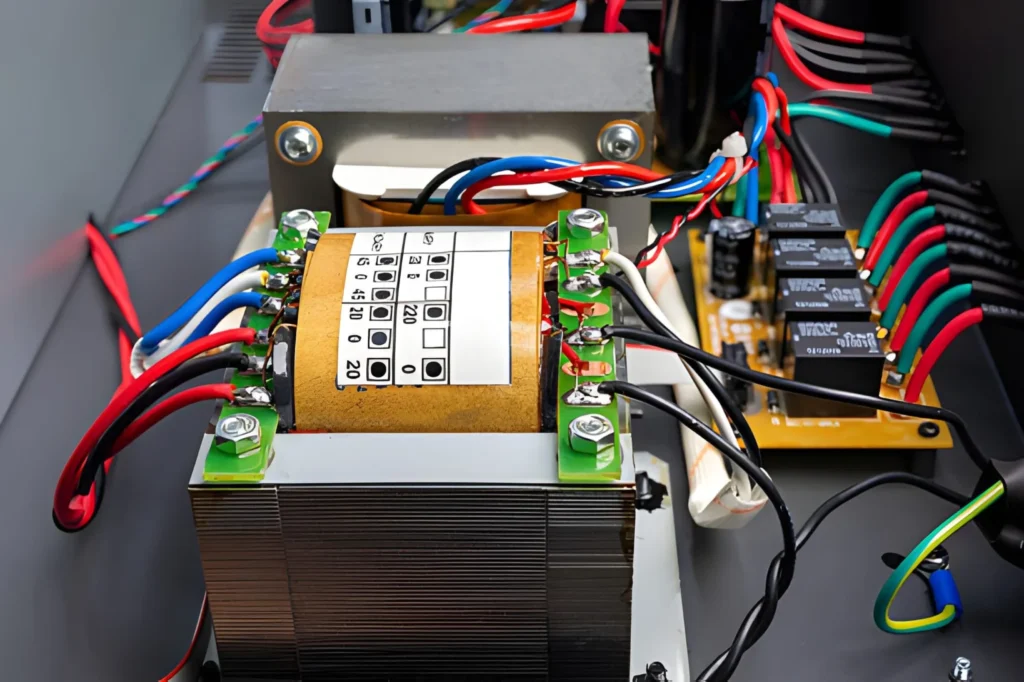
The primary voltage is the input voltage, while the secondary voltage is the output voltage. Make sure the transformer’s primary voltage matches your power supply, and the secondary voltage matches your control circuit requirements.
2. Load Type
Different types of loads have different power requirements. Resistive loads (like heaters) are straightforward, while inductive loads (like motors) can have higher inrush currents. Make sure to account for these differences when calculating the VA rating.
3. Environmental Conditions
Environmental factors like temperature, humidity, and vibration can affect the performance and lifespan of a control transformer. Choose a transformer that’s rated for the conditions in which it will be used.
4. Regulatory Compliance
Make sure the transformer meets all relevant safety and regulatory standards for your region and application.
Understanding VA Rating and Its Impact
The VA rating of a control transformer is more than just a number—it’s a critical factor that determines the transformer’s ability to handle the load of your control circuit. Let’s dive deeper into what VA rating means and how it impacts your system.
What Is VA Rating?
VA stands for volt-ampere, which is a measure of apparent power. In simple terms, it’s the product of the voltage and current in an AC circuit. The VA rating of a transformer indicates how much power it can deliver to the load without overheating or failing.
Why VA Rating Is Important
The VA rating is important because it directly affects the transformer’s performance and reliability. An undersized transformer can overheat and fail, leading to downtime and potential safety hazards. On the other hand, an oversized transformer can be inefficient and costly, wasting energy and increasing your operating costs.
How VA Rating Affects Transformer Lifespan
The lifespan of a control transformer is closely related to its VA rating. Operating a transformer at or near its maximum VA rating for extended periods can shorten its lifespan due to increased heat and stress. Choosing a transformer with an appropriate VA rating ensures reliable operation and a longer lifespan.
Real-World Example
Consider a control circuit with a total load of 150 VA. If you choose a 100 VA transformer, it will be overloaded and may fail. If you choose a 500 VA transformer, it will be oversized and inefficient. The ideal choice would be a 200 VA transformer, which provides enough capacity for the load and allows for future expansion.
Calculating VA Rating for Complex Control Circuits
Calculating the VA rating for a complex control circuit can be challenging, especially when dealing with multiple devices and different types of loads. Here’s a more detailed guide to help you get it right.
Step 1: Identify All Devices
Start by identifying all the devices in your control circuit. This includes relays, contactors, timers, PLCs, and any other control devices.
Step 2: Find Power Ratings
Check the manufacturer’s specifications for each device to find its power rating in VA. If the rating is given in watts, you can convert it to VA by dividing by the power factor (usually 0.8 for inductive loads).
Step 3: Add Up the Loads
Sum the VA ratings of all devices to get the total load. Don’t forget to include any auxiliary devices like indicator lights or small motors.
Step 4: Add a Safety Margin
Add a 20-25% safety margin to account for future expansion or unexpected loads. This ensures that your transformer can handle any additional devices you might add later.
Step 5: Choose the Right Transformer
Select a transformer with a VA rating that matches or slightly exceeds your calculated total load. This ensures reliable operation and allows for future expansion.
Common Applications of Control Transformer
Control transformers are used in a wide range of applications, from simple control panels to complex industrial automation systems. Here are some common applications and the typical VA ratings used in each.
1. Industrial Machinery
Industrial machinery often requires control transformers with higher VA ratings due to the large number of control devices and the complexity of the circuits. Typical VA ratings range from 200 VA to 500 VA.
2. Commercial Buildings
Commercial buildings use control transformers for HVAC systems, lighting controls, and security systems. Typical VA ratings range from 50 VA to 200 VA.
3. Residential Applications
Residential applications, such as home automation systems, typically use control transformers with lower VA ratings, usually between 50 VA and 100 VA.
4. Automotive and Transportation
Automotive and transportation systems use control transformers for various control circuits, including lighting, signaling, and safety systems. Typical VA ratings range from 50 VA to 200 VA.
Choosing the right VA rating for a control transformer is crucial for the reliable and efficient operation of your control circuit. By understanding the factors that influence VA rating and following the steps outlined in this blog, you can select the perfect transformer for your needs. If you have any questions or need help choosing the right control transformer, feel free to contact us for expert advice and support.
FAQ
What is the difference between VA and watts?
VA (volt-ampere) is a measure of apparent power, while watts is a measure of real power. In AC circuits, VA is always equal to or greater than watts, depending on the power factor.
Can I use a control transformer with a higher VA rating than needed
Yes, you can use a control transformer with a higher VA rating than needed, but it will be less efficient and more costly. It’s best to choose a transformer with a VA rating that closely matches your load requirements.
How do I know if my control transformer is overloaded?
Signs of an overloaded control transformer include overheating, voltage drops, and frequent tripping of protective devices. If you notice any of these signs, you should check the VA rating and consider upgrading to a higher-rated transformer.
Can I use a control transformer for both AC and DC circuits?
Control transformers are designed for AC circuits. For DC circuits, you would need a different type of transformer or a DC-DC converter.
In today’s competitive industrial world, dependable Control Transformers Supplier play a vital role in ensuring machines, panels, and automation systems run safely and efficiently. Whether you operate a manufacturing line, a HVAC system, or a control circuit in renewable energy equipment, finding the right control transformer can drastically improve reliability and energy performance. This article […]
Replacing an industrial control transformer might sound straightforward—but even experienced engineers and procurement teams can make small mistakes that lead to big consequences. Whether you’re maintaining a production line, upgrading control panels, or troubleshooting frequent voltage drops, understanding what not to do is as important as knowing what to do. In this post, we’ll dive deep into the most common […]
When you think about powering modern industrial systems, control transformers Wiring play a crucial role that often goes unnoticed. These compact devices step down voltage levels to safely supply control circuits, motor starters, and automation equipment throughout facilities worldwide. But getting the wiring right? That can make all the difference between smooth operations and costly […]
We use cookies to enhance your browsing experience, serve personalised ads or content, and analyse our traffic. By clicking "Accept All", you consent to our use of cookies.