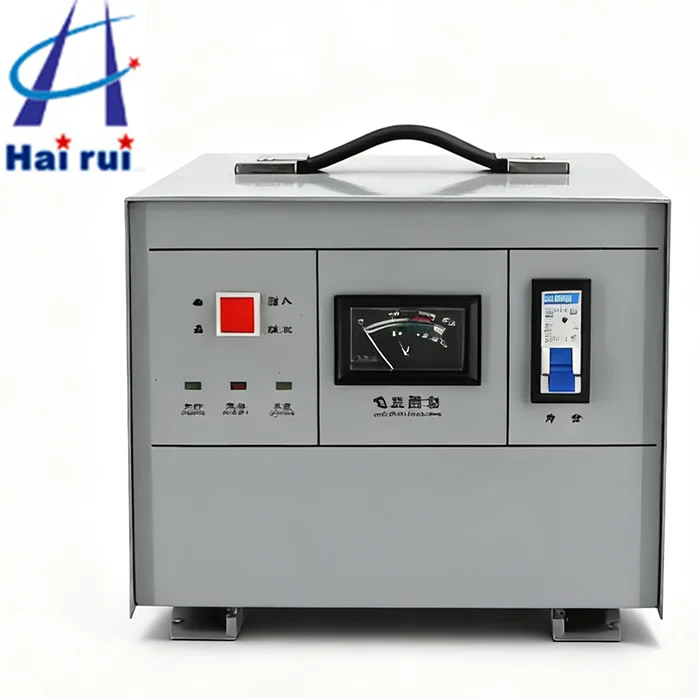
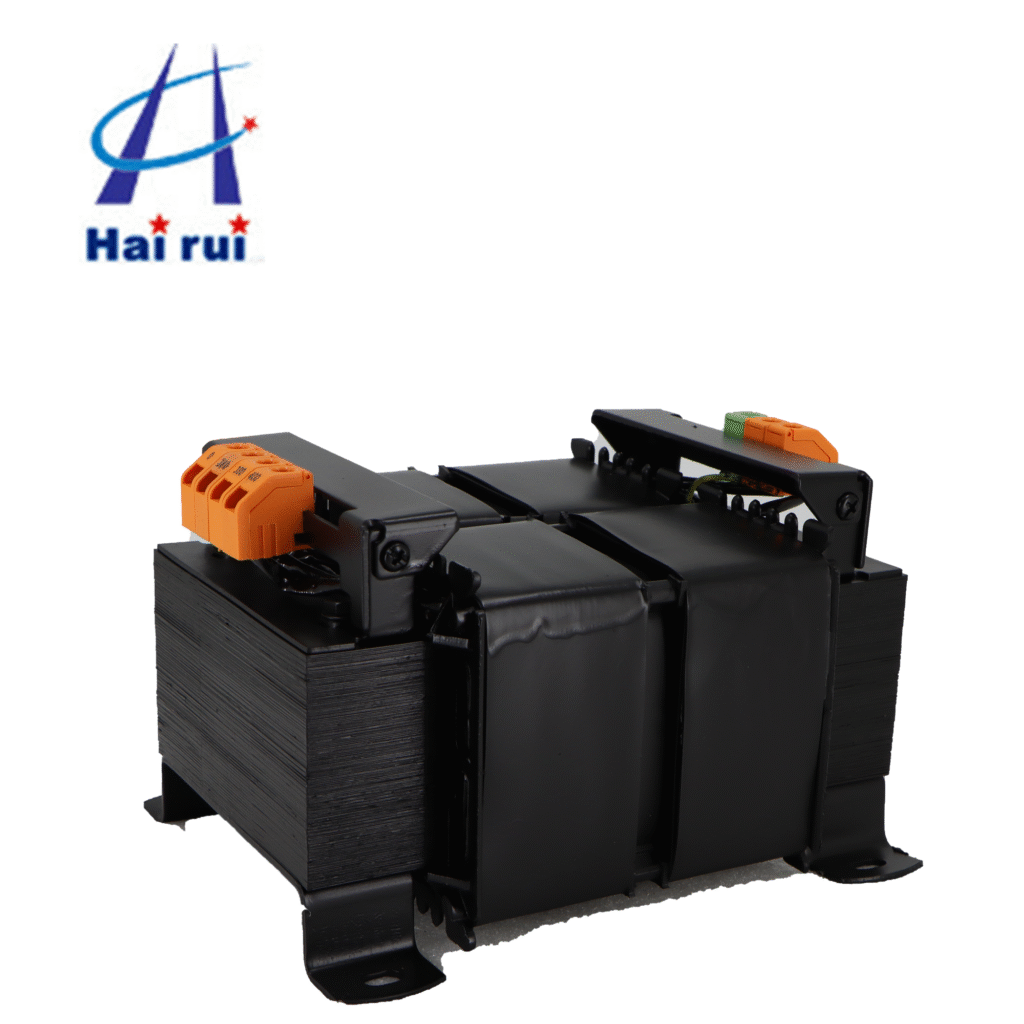
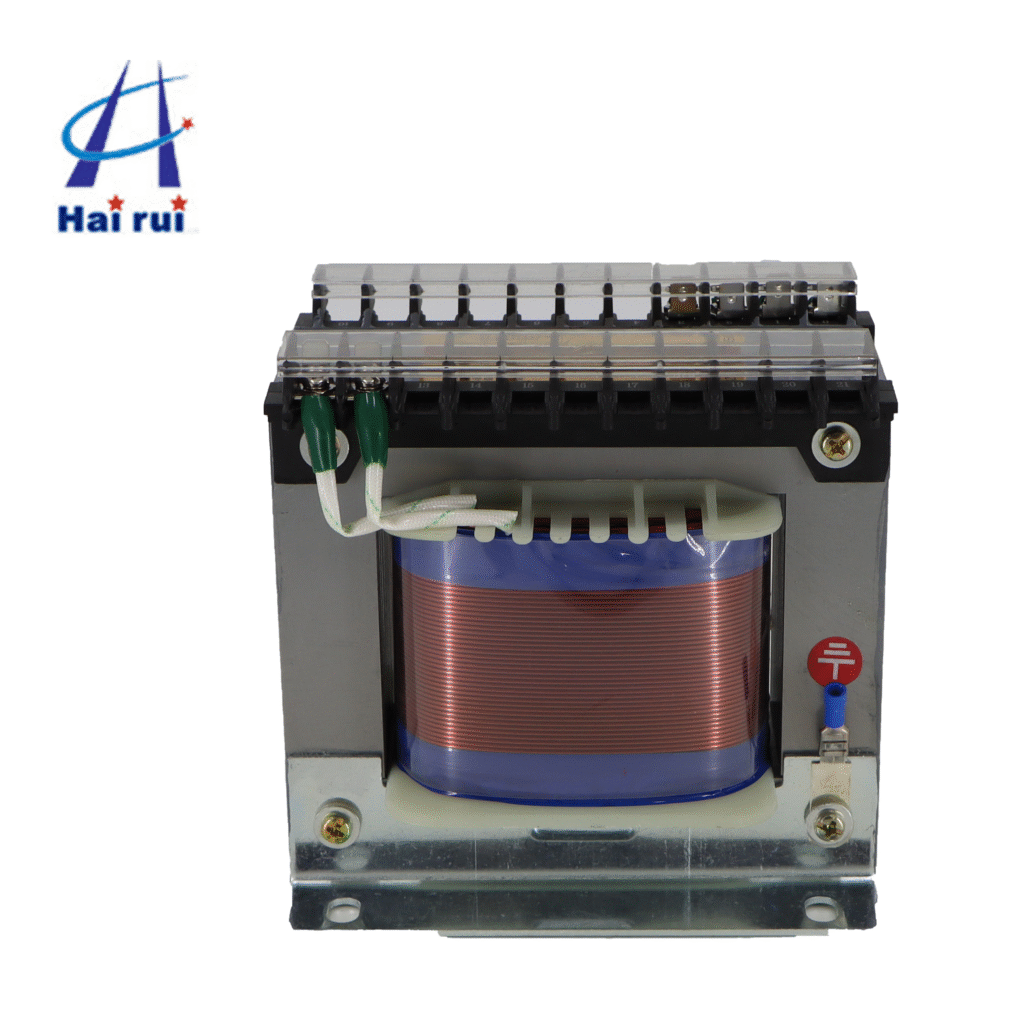
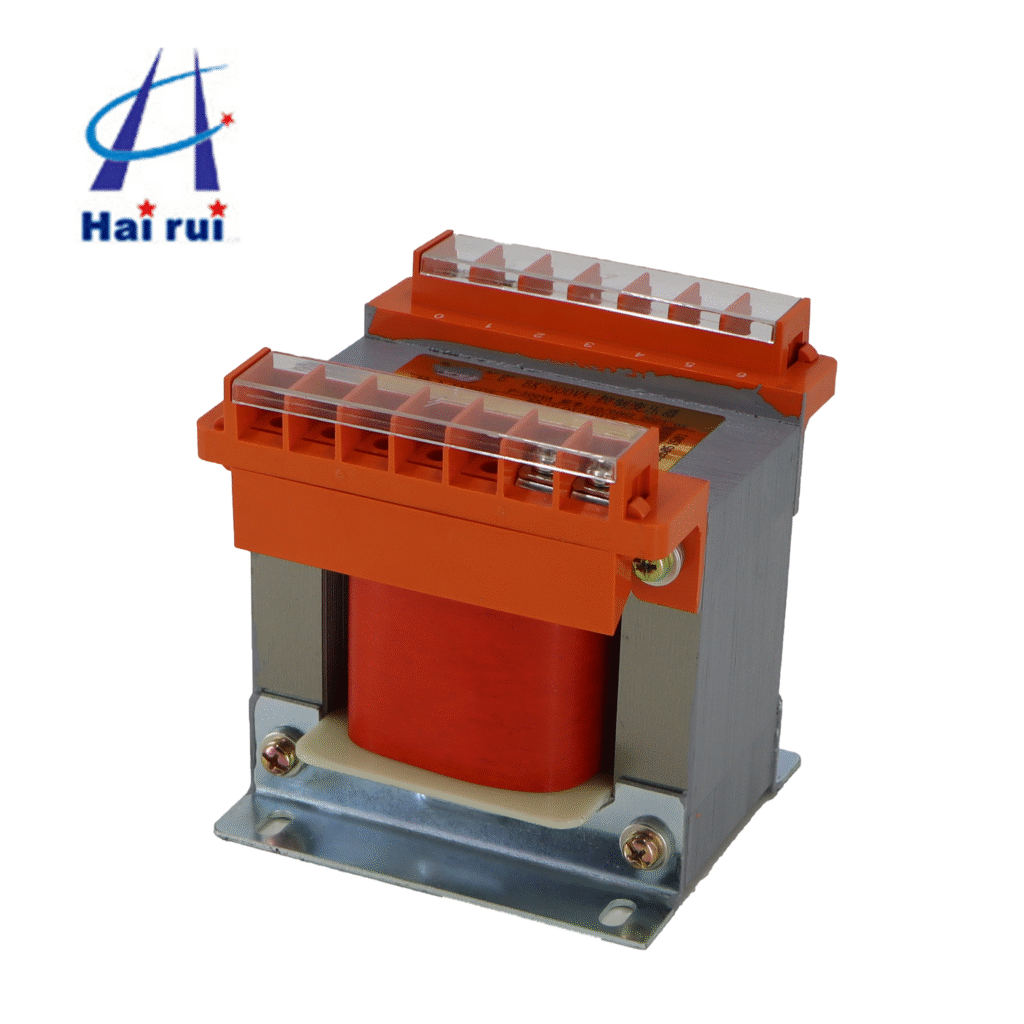
In this fast-paced industrial era, reliability matters, and that’s where control transformers take center stage. When was the last time you thought about what powers your machinery, your lighting systems, or those buzzing control panels in your factory? Probably not today. Yet, hidden behind the scenes, control transformers quietly keep electrical systems stable and smooth.
Let’s dive into what they are, how they work, and why they’re crucial for efficient operations.
What Is a Control Transformers?
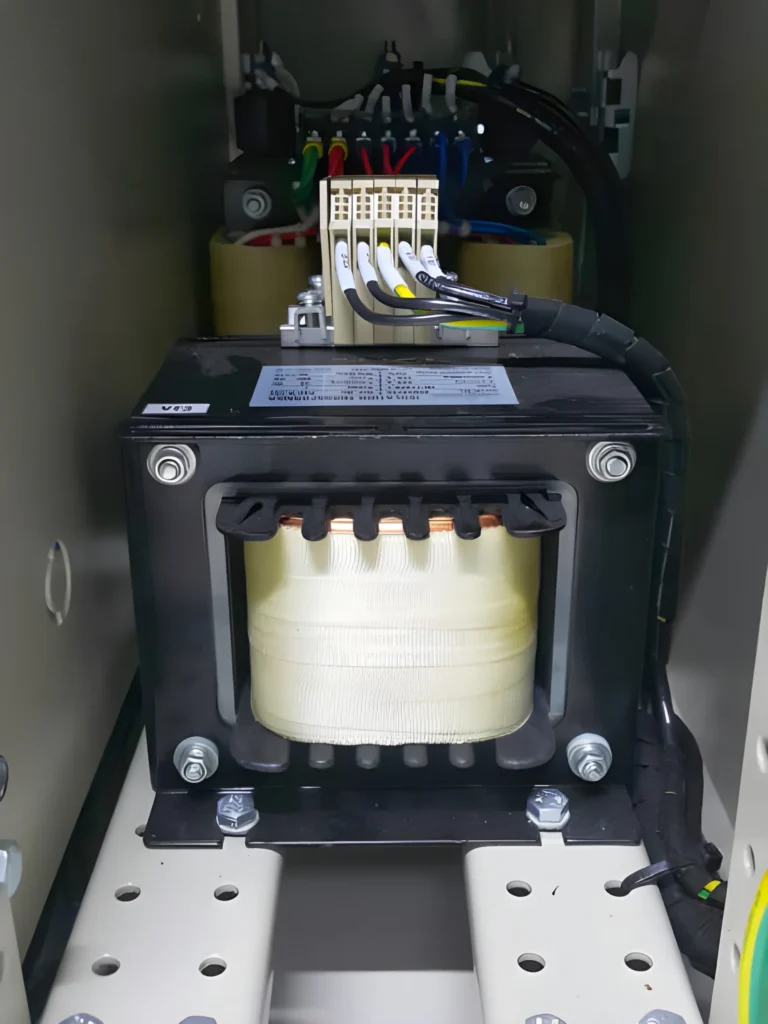
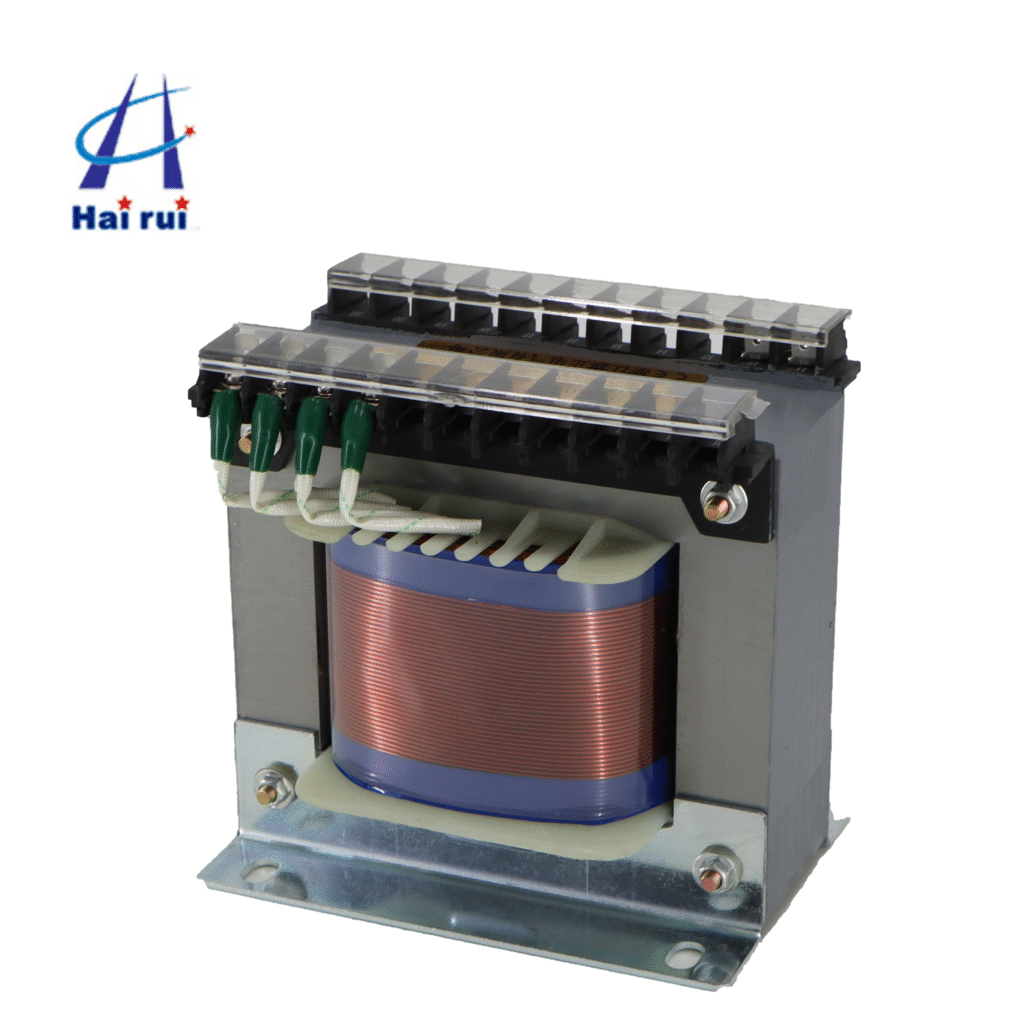
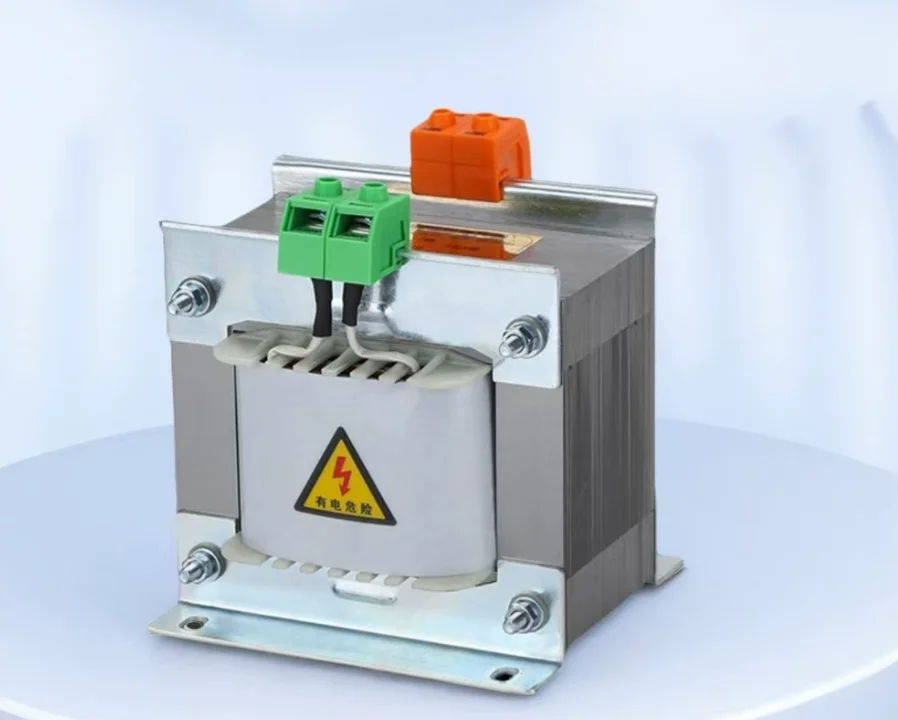
A JBK3 Machine Tool Control Transformers, sometimes called an industrial control transformer or machine tool transformer, is designed to provide stable voltage to control circuits in electrical equipment. Unlike standard power transformers that handle large loads, control transformers focus on delivering consistent, low-voltage power for relays, solenoids, indicators, and motor starters.
You’ll often find them in industrial machinery, automation systems, HVAC units, and manufacturing lines. Their main purpose is ensuring your control components run on steady voltage — unaffected by fluctuations in the main supply.
High voltage stability during momentary inrush loads
Compact design for panel integration
Low noise and minimal loss operation
High mechanical strength for industrial environments
Here’s a quick comparison table that makes it easier to distinguish between control transformers and power transformers:
Feature
Control Transformer
Power Transformer
Primary Function
Stabilize control circuit voltage
Transmit power between systems
Load Type
Light control loads
Heavy power loads
Typical Voltage
24V, 110V, 230V
11kV and above
Application
Industrial machinery, automation
Power distribution networks
How Control Transformers Work
To put it simply, a control transformer steps down high voltage to a lower, manageable voltage level suitable for control devices. For instance, an incoming 480V line might be reduced to 120V or 24V. Inside the unit, copper windings and laminated steel cores reduce electrical losses and ensure high efficiency.
When a contactor or relay activates, it temporarily demands more power — called an inrush current. Control transformers are built specifically to handle these short peaks without causing a voltage drop that could reset the entire system.
Dive deeper
Imagine an industrial control panel with 50 relays — each drawing power at different times. Without a reliable control transformer, your machines could face voltage dips, interruptions, or even tripping. A high-quality single-phase control transformer or three-phase control transformer solves that problem by buffering the circuit. The core material, winding design, and insulation all contribute to delivering stable power under dynamic conditions.
If your production line depends on PLCs (Programmable Logic Controllers), signal relays, and sensors, using the right control transformer size makes all the difference between smooth automation and constant maintenance.
Need help choosing the right one for your setup? Contact us today — our expert team can help customize a transformer tailored to your system’s load and environment.
Control transformers are essential for stable and reliable control circuits in modern automation. To ensure consistent performance, many facilities turn to reputable control transformer suppliers who offer a range of standard and custom options. For teams with unique voltage or mounting requirements, a specialized custom control transformer manufacturer can tailor windings, taps, and enclosure ratings to fit tight panel spaces and harsh industrial environments.
When budgeting projects, comparing control transformer prices across multiple vendors helps balance upfront cost with long-term reliability, energy efficiency, and reduced maintenance downtime. By collaborating with experienced suppliers and manufacturers, engineers can select a solution that meets load needs, supports scalable automation, and minimizes ripple and inrush concerns across the control network. If you’re planning a purchase, consider requesting a detailed quote that highlights VA rating, insulation class, efficiency, and lead times to ensure you get the best value for your application.
Types of Control Transformers
Choosing between transformer types depends on your system’s voltage, current requirements, and phase configuration. Let’s look at the main categories.
1. Single-Phase Control Transformer
Perfect for small machines and control circuits, single-phase models are compact, cost-efficient, and easy to install. They’re well-suited for lighting, HVAC units, and relay control systems requiring lower capacity.
Specification
Typical Range
Input Voltage
240V / 480V
Output Voltage
24V / 110V
Capacity
50VA – 1000VA
Application
HVAC, relays, lighting panels
2. Three-Phase Control Transformer
When you need higher capacity and balanced load handling, three-phase control transformers shine. They’re often used in automation lines, CNC machines, and large-scale industrial systems.
Specification
Typical Range
Input Voltage
380V / 415V / 480V
Output Voltage
220V / 240V
Capacity
1kVA – 25kVA
Application
Industrial manufacturing, automation panels
Control Transformer Applications
You might wonder — where exactly are these transformers used? Practically everywhere automation exists.
Manufacturing lines and CNC machines
Industrial control panels
HVAC and refrigeration systems
Power distribution boards
Packaging and conveyor systems
Building automation networks
Dive deeper
In modern industrial automation, control transformers protect sensitive electronic circuits from unpredictable voltage spikes. For example, in robotics and programmable controllers, even a slight fluctuation can interrupt an entire process.
With properly rated control transformers for industrial machines, companies ensure consistent voltage for switches, timers, and PLCs. This not only improves operational accuracy but also extends equipment lifespan. The demand for high-efficiency control transformers is rising, especially in renewable energy systems, electric vehicle stations, and automated production lines — all sectors emphasizing stability and precision.
When selecting a transformer, always consider input voltage, output requirement, load type, and environmental conditions. A quick consultation with an electrical specialist can save you hours of troubleshooting later.
Control Transformer Wiring and Installation
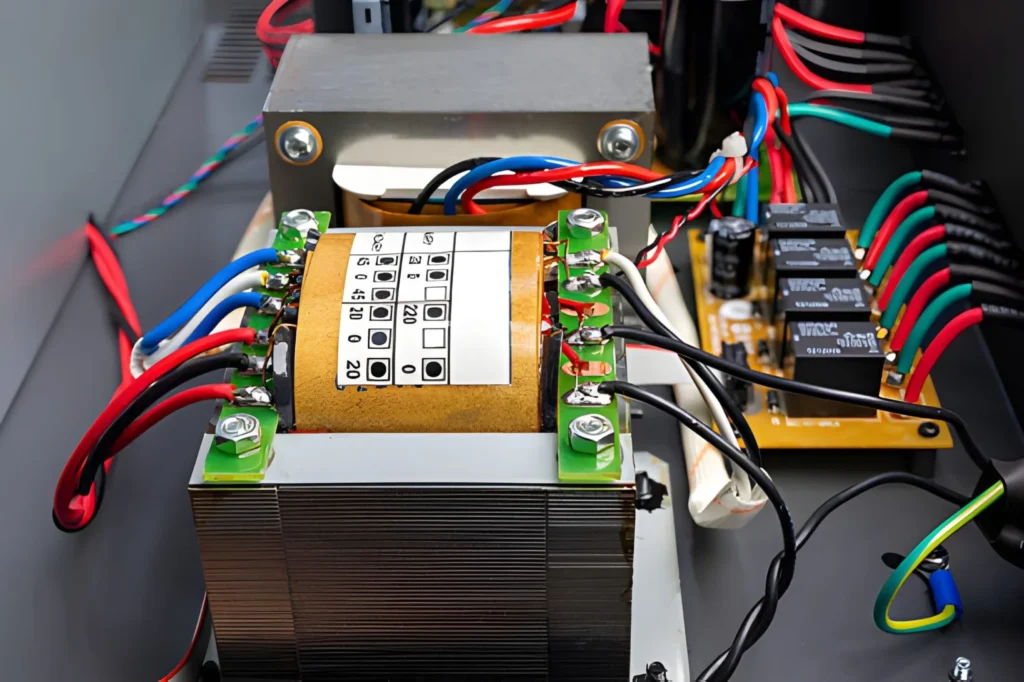
Proper wiring ensures safe and efficient transformer performance. Always refer to the manufacturer’s control transformer wiring diagram for clarity.
Here are some best practices:
Mount the transformer securely to minimize vibration.
Follow correct color coding for input and output wires.
Ground the transformer to avoid electrical shock.
Confirm that the load matches the rated capacity.
Regularly inspect terminals for corrosion or wear.
Wiring Diagram Type
Use Case
Single-phase diagram
Simple circuits or residential panels
Three-phase diagram
Industrial automation panels
Multi-tap diagram
Systems requiring variable voltage output
Dive deeper
Faulty wiring or undersized transformers can lead to overheating and sudden voltage drops. Always ensure adequate ventilation and keep moisture away from the unit. For outdoor installations, enclosures with IP-rated protection prevent damage from dust and humidity.
Choosing the correct VA (Volt-Ampere) capacity is vital. For circuits with high inrush currents, pick a transformer rated for at least 150% of the steady-state current. Many brands now offer customized control transformers with built-in surge suppression and thermal fuses, enhancing protection for sensitive electronics.
Maintenance and Troubleshooting Tips
A well-maintained transformer can last over a decade. Here’s a quick maintenance guide to keep it healthy:
Clean dust and debris regularly.
Check for loose wire joints or burn marks.
Measure primary and secondary voltage periodically.
Inspect insulation resistance annually.
Replace old contactors drawing excess current.
Dive deeper
Preventive maintenance avoids downtime and costly replacements. Suppose you’re noticing humming noises or unexpected heating; that could mean your transformer is overloaded or has loose laminations.
Using thermal imaging, engineers can easily detect hot spots before a breakdown occurs. Upgrading to energy-efficient control transformers made from high-grade silicon steel also reduces power loss, saving operational costs in the long run.
Control transformers might not be flashy, but they’re the foundation of stable and safe industrial operations. Whether you’re automating an entire factory or modernizing a small control panel, picking the right transformer ensures reliable voltage, better performance, and long-term savings.
Ready to upgrade or replace your existing control transformer? Reach out today — our engineering team can guide you through sizing, selection, and customization for your industrial needs.
FAQ
What is the difference between a power transformer and a control transformer?
A control transformer supplies stable voltage to control circuits, while a power transformer transfers large amounts of electricity between systems.
How do I size a control transformer?
Calculate the total VA needed by all control devices, then choose a transformer rated 20–50% higher to handle momentary load surges.
Can control transformers work with both AC and DC circuits?
They are designed for AC circuits. For DC loads, use a DC power supply or converter instead.
What causes control transformers to fail?
Common causes include overload, poor ventilation, moisture, and loose wiring.
Can I install a control transformer outdoors?
Yes, but ensure it’s enclosed in a weatherproof cabinet with adequate ventilation and safety grounding.
When a control transformer overheats, it is almost never “bad luck”. In most B2B projects, overheating traces back to sizing mistakes, wiring issues, harsh environments, or low‑quality components. If you are a purchaser, panel builder, or engineer, understanding these root causes will help you cut downtime, extend equipment life, and choose better control transformers from […]
A control transformer might look like a simple electrical component, but it plays one of the most crucial roles in industrial and automation systems. Whether you are an engineer designing a control panel, a purchaser sourcing reliable components, or a manufacturer providing customized solutions, understanding the main purposes of control transformers can dramatically improve your system efficiency and reliability. […]
When you wire a 480V to 120V control transformer Wiring correctly, you get stable low‑voltage power for control circuits, PLC I/O, contactor coils, and panel auxiliaries—wired incorrectly, you get nuisance trips, overheated transformers, or even damaged equipment. This guide walks engineers, panel builders, and purchasing teams through how the wiring diagram works, typical 480V primary […]
We use cookies to enhance your browsing experience, serve personalised ads or content, and analyse our traffic. By clicking "Accept All", you consent to our use of cookies.