When you’re sourcing electrical components for your system, it’s common to wonder — “Can I use a general transformer instead of a control transformers?” At first glance, they seem quite similar. Both devices step voltage up or down, both rely on electromagnetic induction, and both come in similar enclosures.
However, when it comes to reliability, efficiency, and safety in industrial environments, an industrial control transformer plays a very specific and critical role. Using the wrong transformer type could mean unexpected downtimes, equipment failures, or even costly replacements.
Let’s break down what makes a control transformer unique, when a general-purpose transformer can (or cannot) replace it, and how to make the best purchasing decision for your operation.
What Is an Industrial Control Transformers?
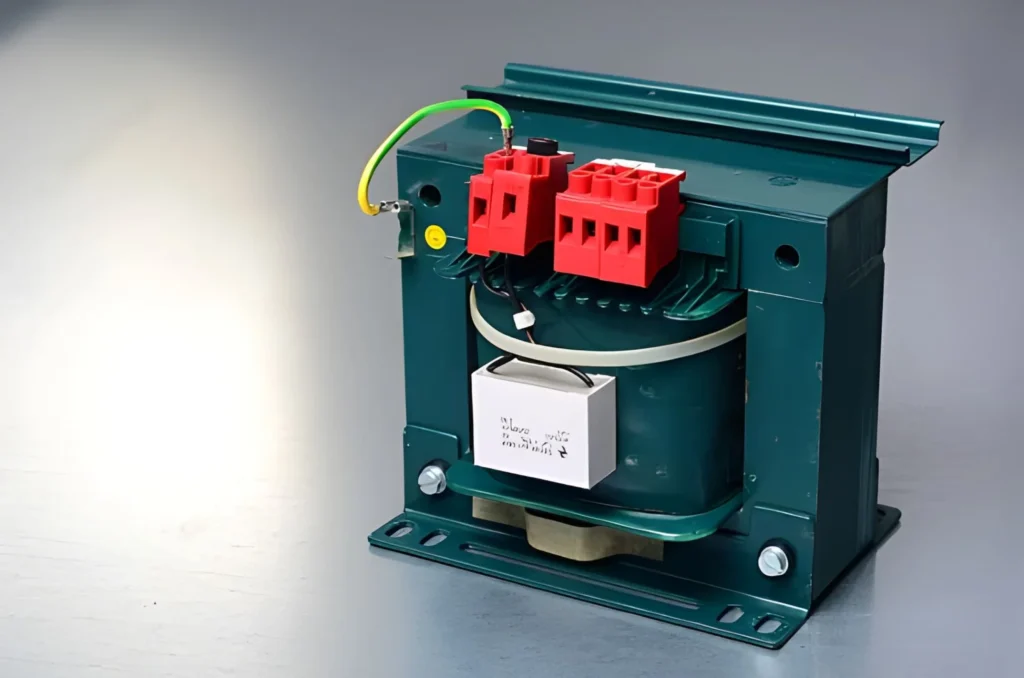
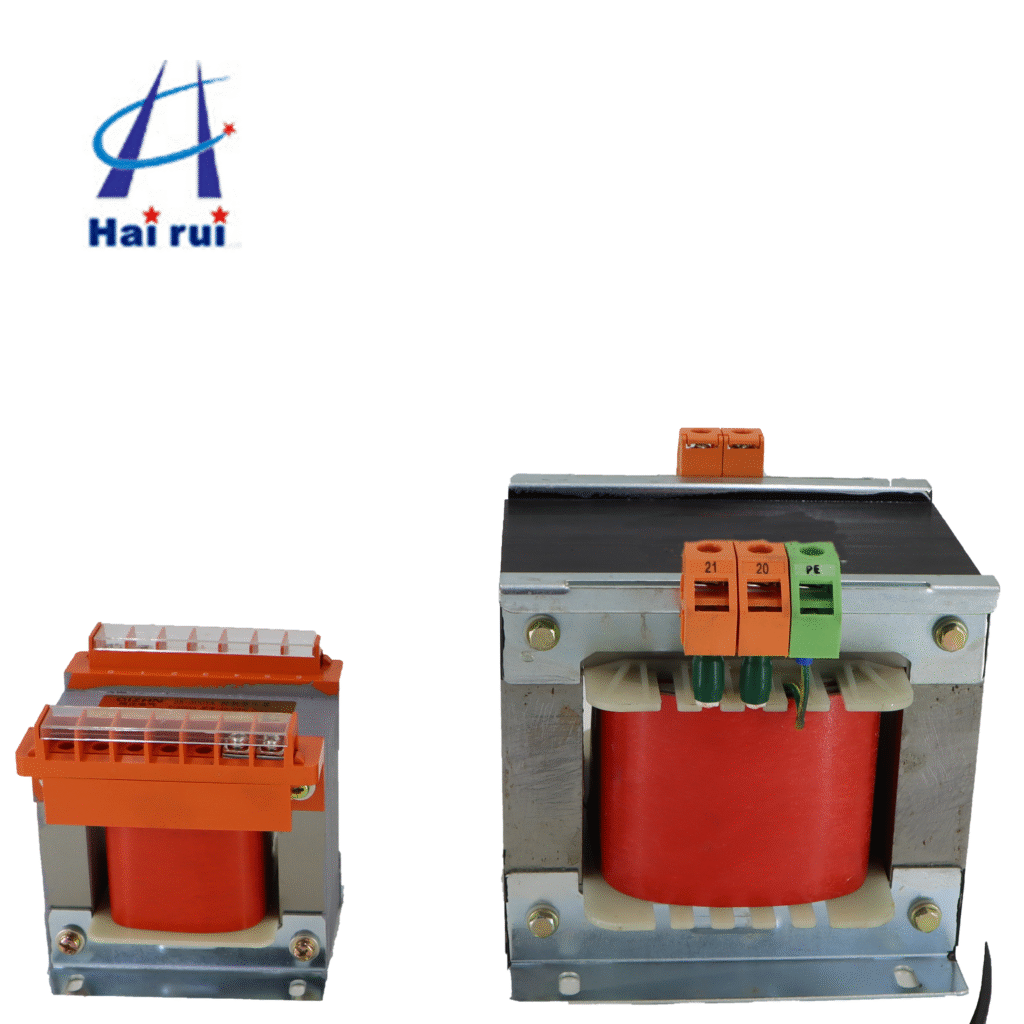
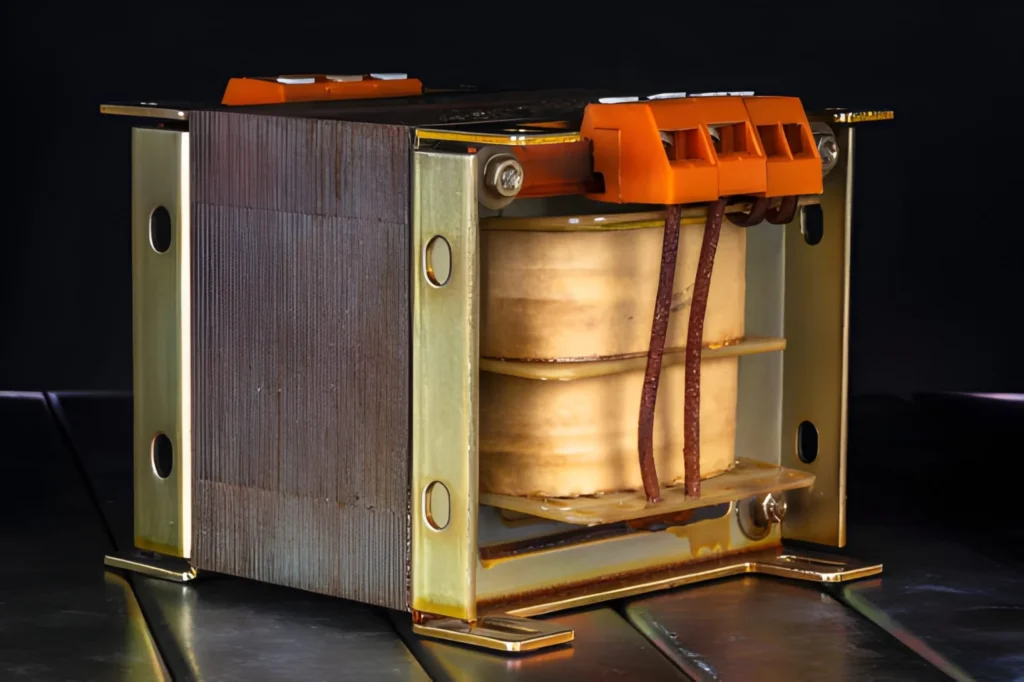
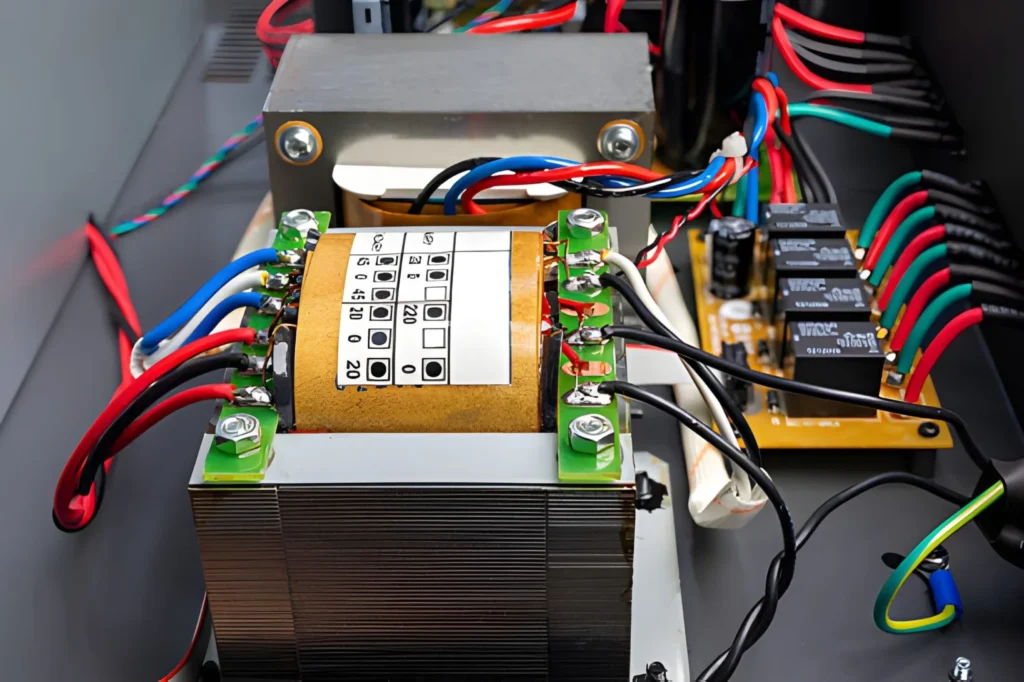
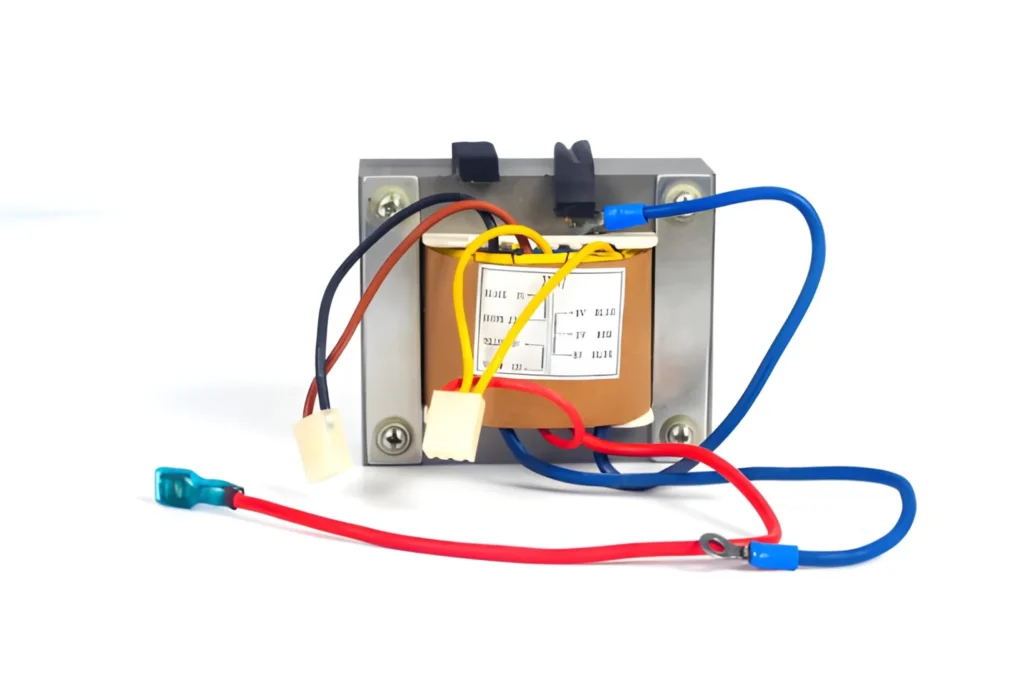
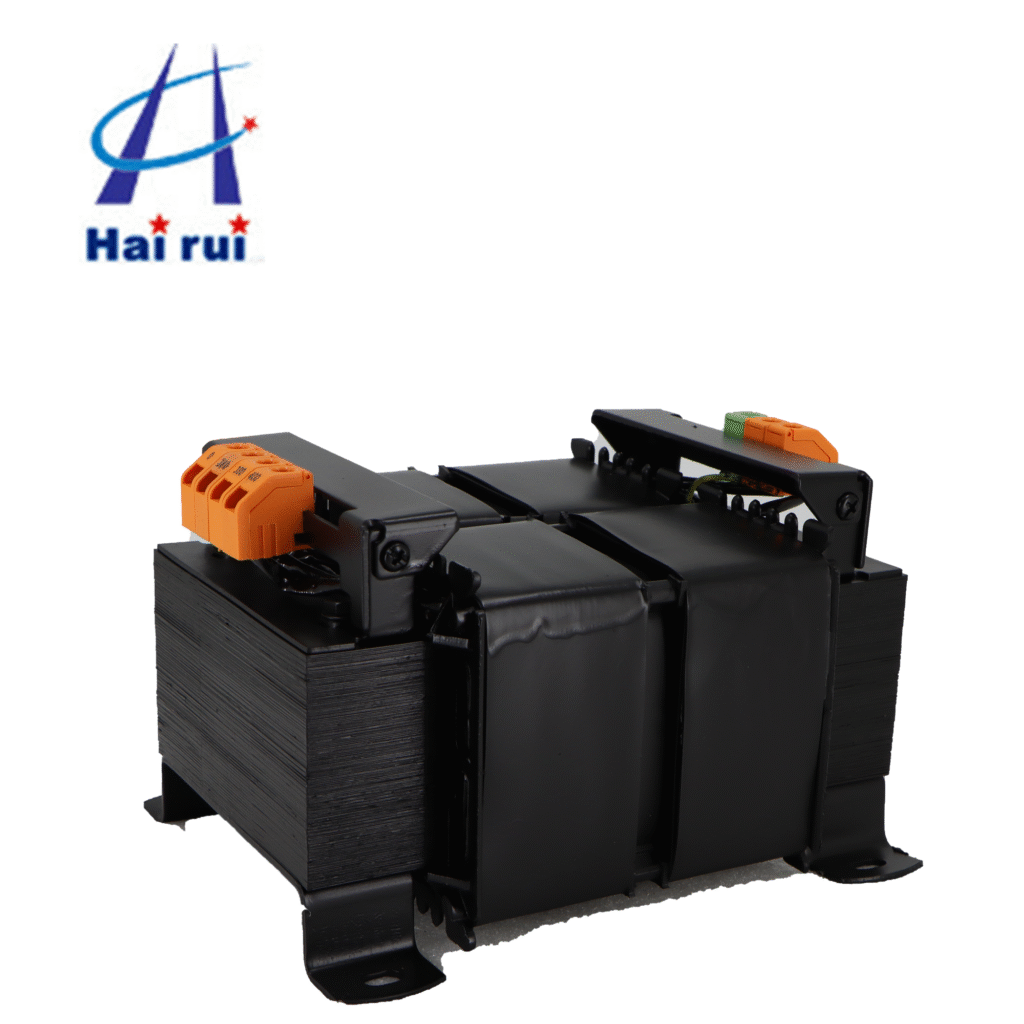
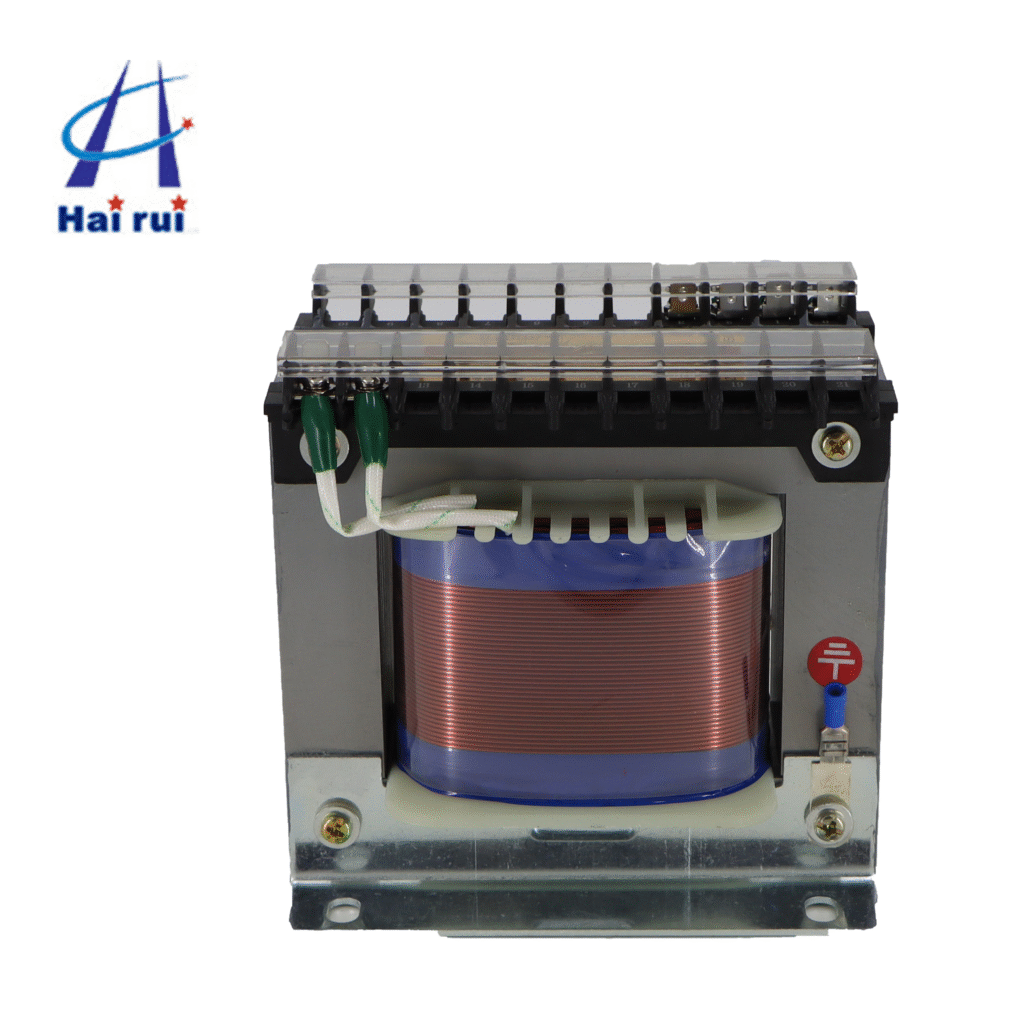
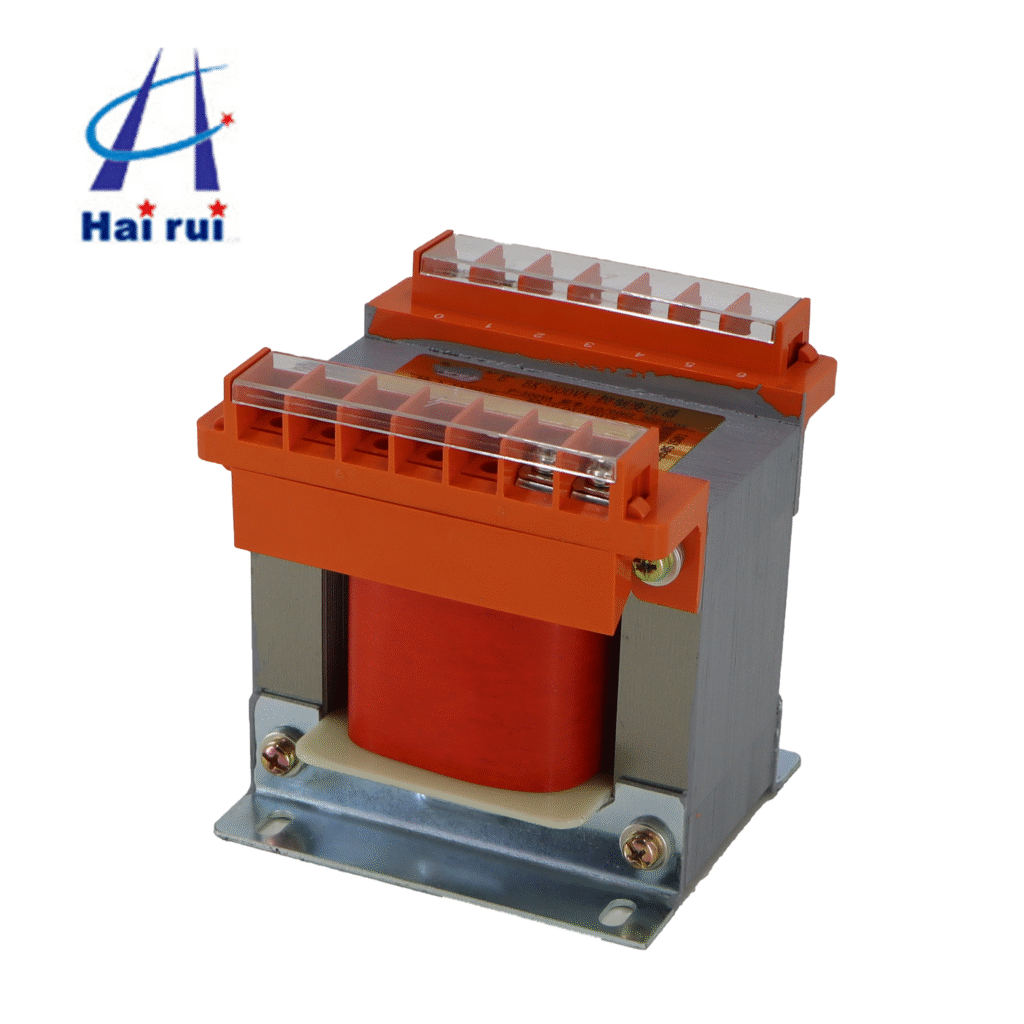
An industrial BK Series control transformers, also called a machine tool transformer or control power transformers (CPT), is designed to supply stable voltage to industrial control circuits, PLCs, relays, solenoids, and contactors. These devices need a clean, consistent power supply to function reliably.
Unlike standard power transformers, control transformers are optimized to handle inrush currents—the short-term surge when electromagnetic loads like contactors are energized.
Feature
Industrial Control Transformer
General Transformer
Application
Industrial control panels, CNC machines, HVAC control circuits
Lighting, simple voltage conversion, residential or commercial systems
Voltage regulation
Very stable under varying loads
Less stable, especially during inrush
Design focus
Handles inrush current and transient overload
Focus on continuous load efficiency
Durability
Built for continuous operation in harsh environments
Depends on application; not always robust
Output stability
Ensures precise control voltage
May fluctuate under heavy or sudden load
When your system controls safety-critical operations—say, an automated production line or motor control center—these differences matter a lot.
It’s a fair question. General transformers are widely available and often cheaper. But in control systems, performance isn’t only about stepping voltage. It’s also about response time, stability, and resilience under dynamic load changes.
Here’s what could go wrong if you replace a control transformer with a standard power transformer:
Voltage drops: Standard transformers might not regulate voltage well under short-term overloads, causing relays and contactors to chatter or fail.
Component wear: Inadequate voltage supply shortens the lifespan of sensitive control components.
Safety hazards: Unstable circuits can trigger false signals or equipment downtime—unacceptable in automated production environments.
Think of it like using a car battery in a motorcycle: both store energy, but one’s optimized for a completely different load profile.
When Can a General Transformers Be Used?
There are exceptions, of course. In non-critical systems—for example, constant lighting loads or steady-state applications—a general-purpose transformer might work fine.
But before making that decision, professionals usually assess three key factors:
Inrush Current: Control transformers are rated in VA and designed for high short-term overloads.
Continuous Load: Check if your system’s normal operating load stays within the transformer’s rating.
Environmental Conditions: Temperature, vibration, and humidity can all affect performance.
Here’s a quick summary table to guide your choice:
Scenario
Recommended Transformer
Control circuits with relays and solenoids
Industrial control transformer
Simple lighting or resistive loads
General-purpose transformer
Motor control panels
Control transformer
Laboratory testing setups
Depends on stability needs
Power backup systems
Specialized or general transformer depending on use case
If your application involves repeated switching, varying loads, or automation, picking an industrial control transformer is almost always the smarter investment.
How to Choose the Right Control Transformer
Selecting the right transformer doesn’t need to be complicated if you follow a structured process.
Determine input and output voltage. Match your control circuit voltage (e.g., 120V to 24V).
Calculate total control circuit VA. Include all connected devices, plus a margin for inrush current.
Consider environment and mounting. Industrial enclosures may require NEMA-rated housings or DIN-rail mounting options.
Check certifications. Reputable brands provide UL, CE, and RoHS compliance details for export and safety assurance.
Prioritize reliability. A few extra dollars upfront save you thousands in equipment failure later.
Selection Criteria
Description
Why It Matters
Rated VA capacity
Output power at specified voltage
Ensures reliable operation
Frequency
Typically 50/60Hz
Matches supply frequency
Insulation class
Heat tolerance level
Affects service life
Regulation
Voltage stability at load
Crucial for control accuracy
Protection features
Thermal fuse, shielding
Increases safety and fault tolerance
If you’re sourcing for OEM production or industrial panel building, many suppliers offer custom industrial control transformer designs. You can often request OEM labeling or bulk pricing for larger orders.
Need help finding the right Control Transformers?
Feel free to send us your Industrial Control Transformers control voltage specs or inquiry—our technical team will recommend the best fit.
Benefits of Using an Industrial Control Transformer
While the initial investment might be slightly higher than a standard unit, the total cost of ownership is almost always lower. Here’s why:
Superior voltage regulation: Stable performance under load changes.
Extended equipment lifespan: Reduces wear on sensitive components.
Reduced downtime: Fewer false trips and maintenance interruptions.
Better isolation: Enhanced protection against electrical noise and transients.
Compliance-ready: Meets industry safety and efficiency standards.
These attributes make control transformers indispensable in automation systems, production lines, and high-reliability installations.
Real-World Applications Across Industries
Industrial control transformers appear in almost every automation system where control signals need consistent voltage. Common sectors include:
Manufacturing automation and robotics
HVAC and building management systems
Conveyor and packaging lines
Electrical switchgear and control panels
Water treatment plants and chemical processing
Renewable energy systems (e.g., solar inverter controls)
In each of these applications, the transformer must maintain precise output even under mechanical vibration, thermal stress, and electromagnetic interference.
That’s exactly where industrial control transformers outperform generic options.
Common Mistakes When Replacing Transformers
If you decide to replace or upgrade a transformer, here are some pitfalls to avoid:
Ignoring inrush capability. Failing to size for inrush current causes underperformance.
Assuming identical voltage ratings mean compatibility. Always check VA ratings and frequency.
Overlooking ambient temperature ratings. High heat can degrade insulation.
Remember, a transformer rated for home lighting isn’t ready for an industrial control cabinet running 24/7.
So, can you use a general transformer instead of a control transformer? In most industrial applications, the answer is no. While both may convert voltage, only an industrial control transformer is engineered to protect sensitive control circuits, manage inrush currents, and maintain consistent output under dynamic loads.
Choosing the right transformer isn’t just about meeting specs—it’s about ensuring long-term stability, safety, and performance across your entire industrial system.
If you’re planning a new installation or need to upgrade existing equipment, our technical team is ready to help you find a control transformer that matches your voltage, VA requirements, and environment conditions. Contact us today for a quote or technical consultation—you’ll get expert advice, competitive pricing, and industrial-grade reliability.
FAQ
What’s the main difference between a control transformer and a general one?
A control transformer provides superior voltage regulation during inrush and transient conditions. A general transformer focuses on steady-state performance.
Can I use a power transformer in a control panel?
Technically yes, but not recommended. It might cause voltage instability and control malfunctions.
How do I size a control transformer?
Add up the VA ratings of your control devices, then multiply by a safety factor (typically 125%) to handle surge currents.
What insulation class should I choose?
Class B or Class F are standard for most industrial control transformers, depending on ambient temperature.
Do control transformers require maintenance?
Minimal. Regular dust removal and terminal inspection are usually enough.
Are there energy-efficient control transformers?
Yes. Many modern models feature low-core-loss designs that reduce energy waste and heat buildup.
Table of Contents
Need help finding the right Control Transformers?
Feel free to send us your Industrial Control Transformers control voltage specs or inquiry—our technical team will recommend the best fit.
Transformers are the silent backbone of modern industrial electrical systems, doing their work quietly and reliably. Yet, when purchasing or designing systems across different regions, one question often sparks debate: Can I use the same control transformers for 50 Hz and 60 Hz power supplies? If you’re a procurement engineer, a sourcing manager, or an OEM […]
A control transformer might look like a simple electrical component, but it plays one of the most crucial roles in industrial and automation systems. Whether you are an engineer designing a control panel, a purchaser sourcing reliable components, or a manufacturer providing customized solutions, understanding the main purposes of control transformers can dramatically improve your system efficiency and reliability. […]
In today’s competitive manufacturing and automation world, Industrial Control Transformer power stability is everything. When you’re running machines 24/7, a single voltage drop or short circuit event can cause unwanted downtime—and in industries like processing or automation, downtime equals lost revenue. That’s where an industrial control transformer steps in. Let’s break down why this small but crucial component deserves […]
We use cookies to enhance your browsing experience, serve personalised ads or content, and analyse our traffic. By clicking "Accept All", you consent to our use of cookies.