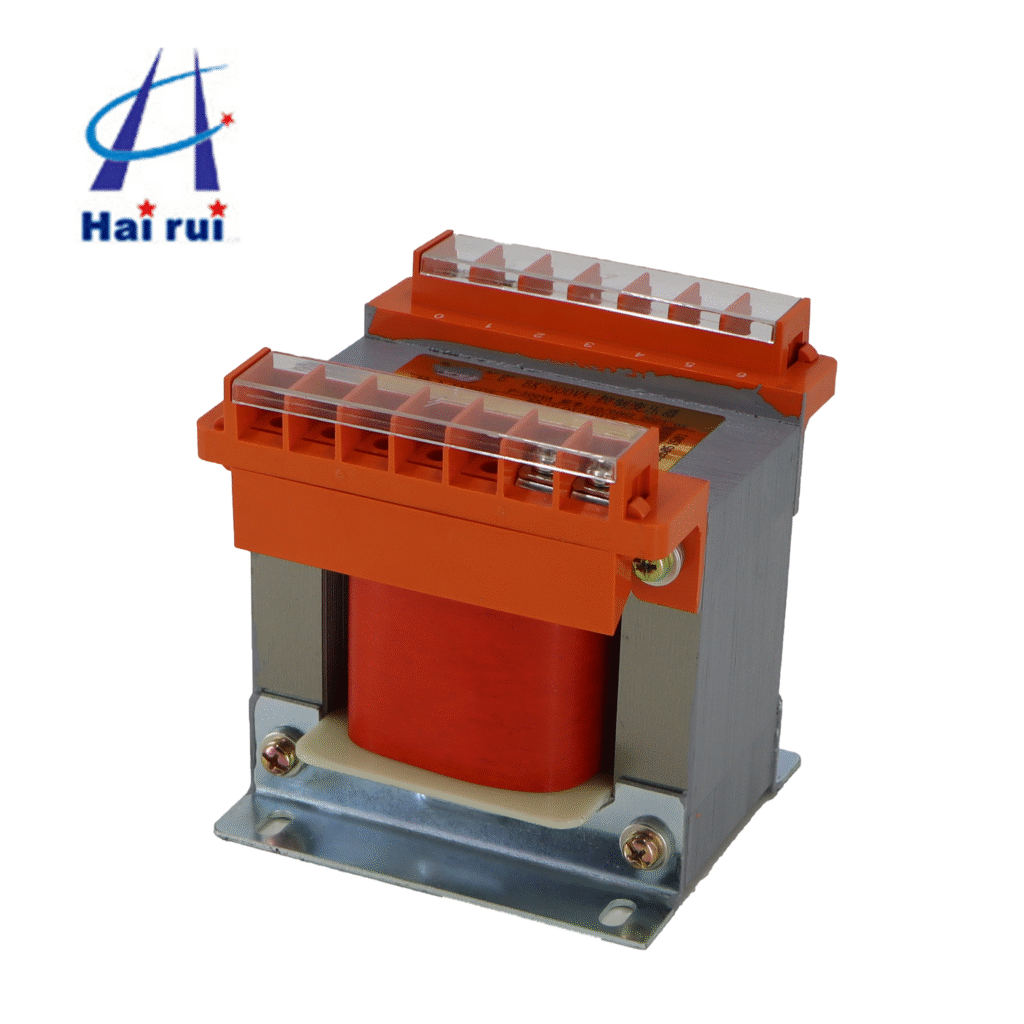
People often ask: what exactly is a Control Transformer, and why does it matter in industrial applications? If your operation includes control panels, relays, sensors, or machine automation, a dedicated control transformer can be the unsung hero of reliability and safety.
In this article, we’ll demystify the concept, walk through how it works, outline essential selection criteria, and share practical guidance tailored for B2B buyers. By the end, you’ll know how to evaluate options, compare models, and engage confidently with a supplier.
Control Transformer Definition and distinctions
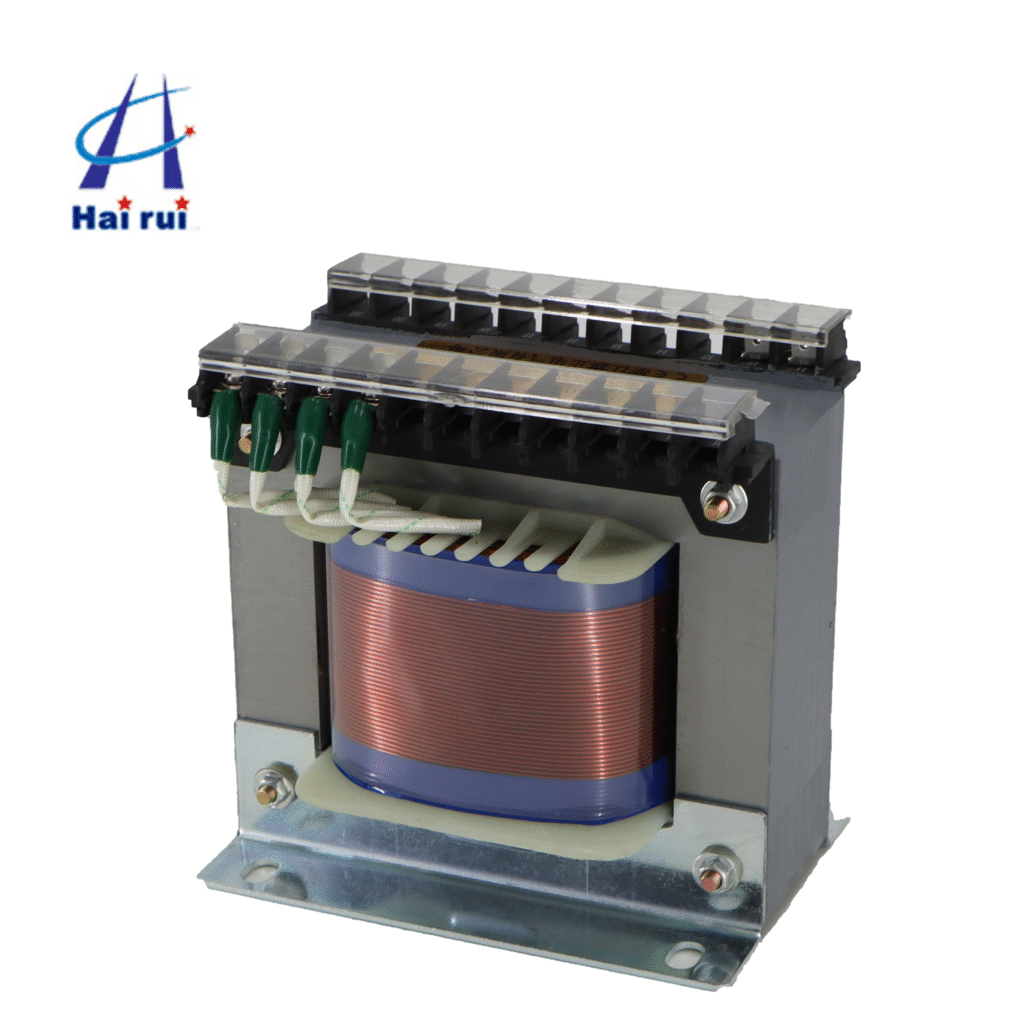
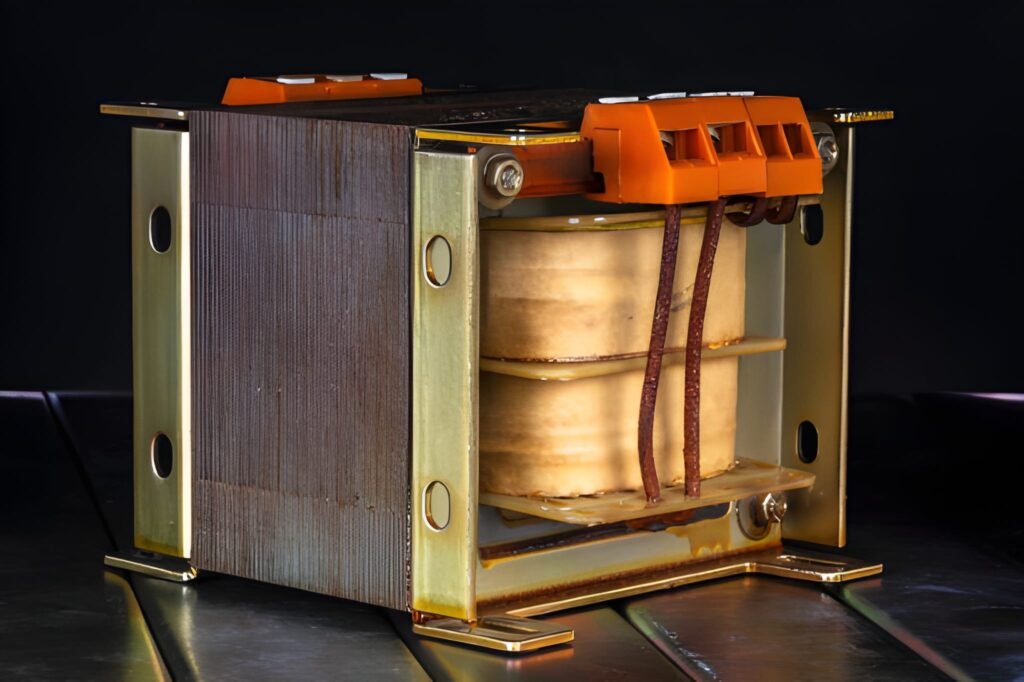
What is a Control Transformer? In short, a Control Transformer is a power transformer designed specifically to supply low-voltage power to control circuits within industrial equipment. Unlike general-purpose mains transformers, these devices are optimized for control loads, fast response to load changes, predictable voltage regulation, and robust insulation for safety-critical circuits.
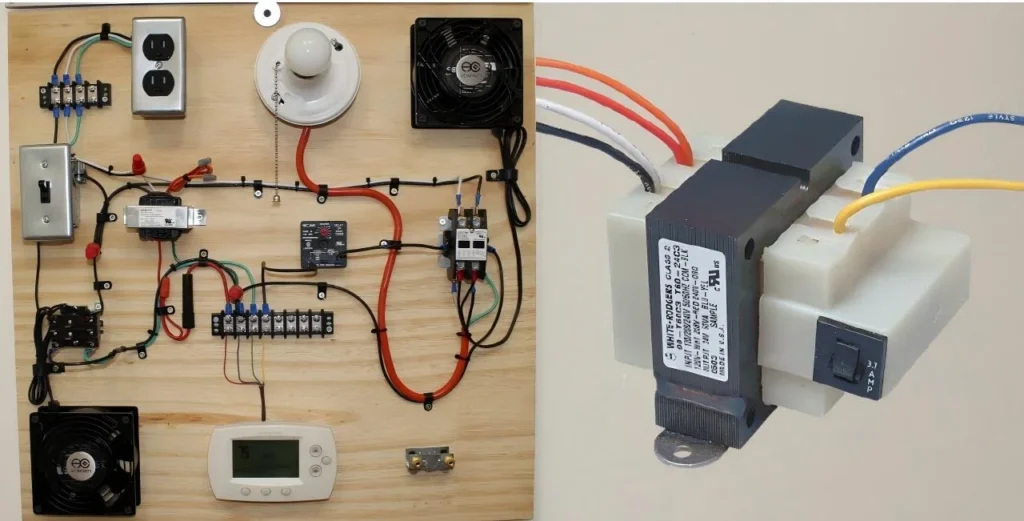
They often sit in control cabinets, near PLCs, relays, pushbuttons, and indicator lights, providing a stable, safe voltage for control logic and peripheral devices. Key distinctions include their voltage ranges, insulation classes, mounting options, and short-term overload tolerance. A practical takeaway: when you design or upgrade a control system, a purpose-built Control Transformer can improve reliability and reduce maintenance over the life of the equipment.
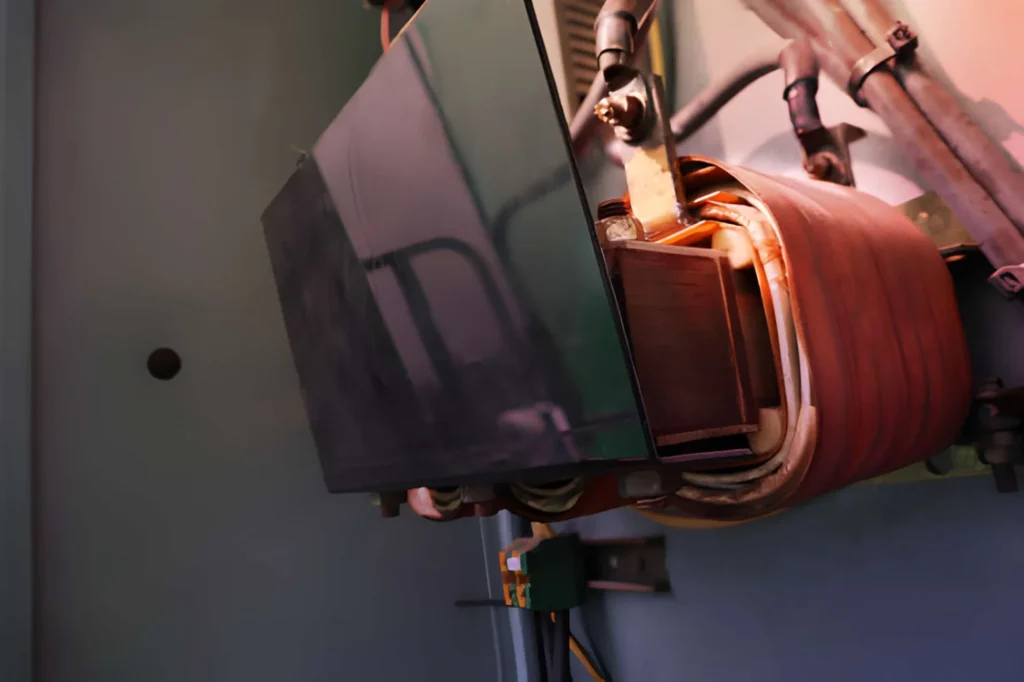
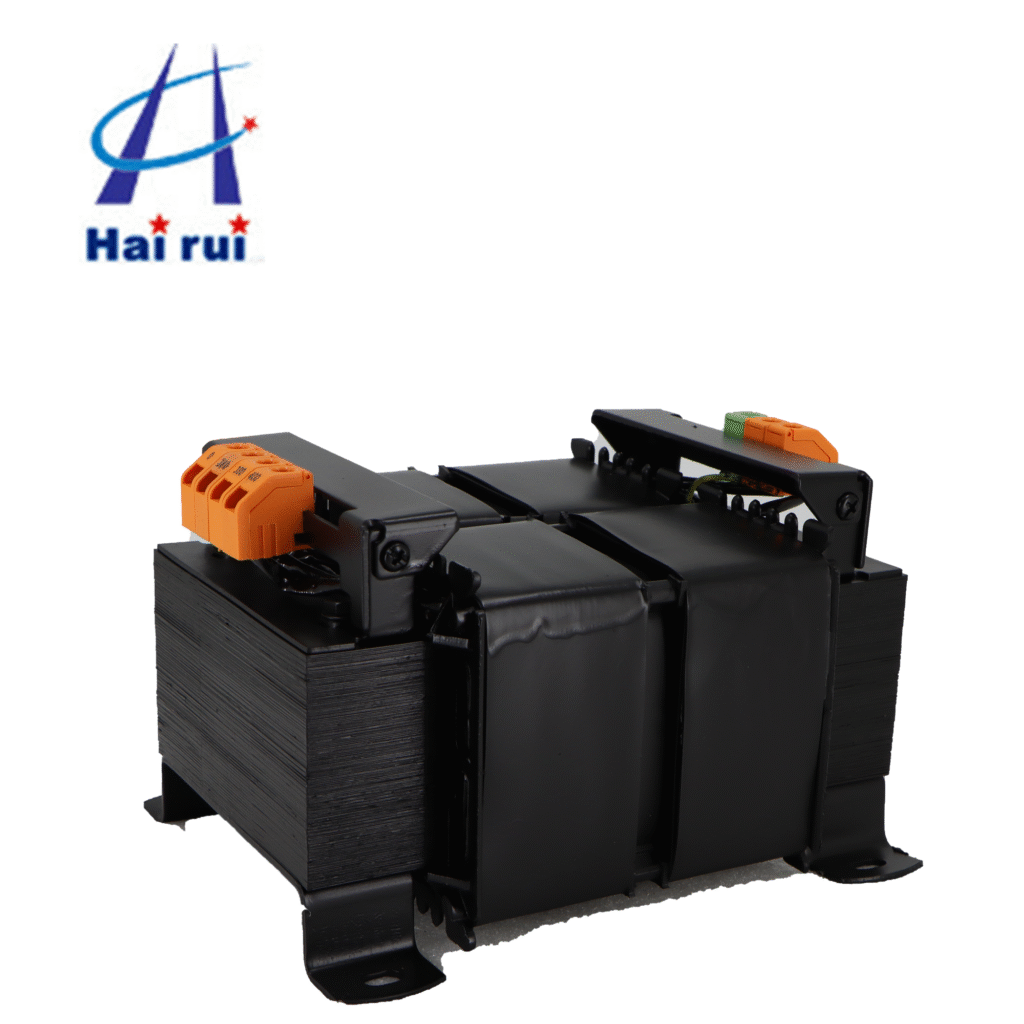
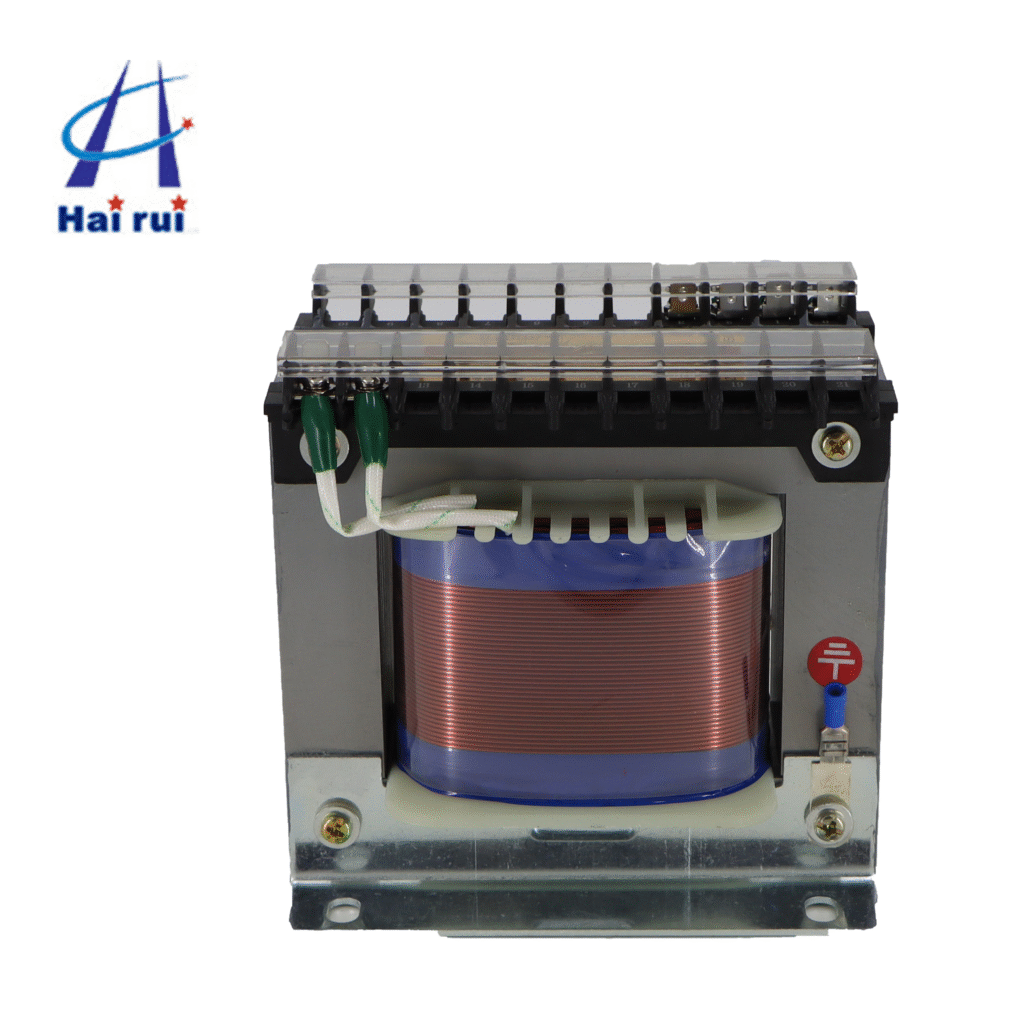
The heart of a Control Transformer is a well-designed coil arrangement on a magnetic core. The primary winding accepts the higher supply voltage, while the secondary winding delivers the lower, controlled voltage needed by the control circuitry. Some designs include a dedicated control winding or taps to allow voltage adjustments without changing the main winding. The core material, insulation, and winding arrangement are chosen to minimize losses, control heat, and meet safety standards.
In practice, this means careful attention to:
Turn ratio (affecting output voltage)
Insulation class and creepage distances
Thermal design and airflow in the control panel
Mechanical mounting and environmental protection
These factors together determine how the transformer performs under normal and fault conditions, as well as how it ages over time.
Key parameters to consider during selection
Selecting a Control Transformer starts with matching electrical requirements to a safe, reliable solution. Critical parameters include:
Rated power (kVA) and output voltage (V): Ensure the transformer can handle peak and average control loads.
Primary voltage and frequency: Align with plant power quality and grid standards (typically 50 or 60 Hz).
Regulation and tolerance: How stable is the output under load changes?
Temperature rise and cooling method: Indoor cabinets vs. harsh environments may require different cooling approaches.
Insulation class and safety certifications: UL, CE, and other regional standards may apply.
Mounting style and enclosure protection (IP rating): Fits the cabinet layout and dust/moisture exposure.
Availability of taps or adjustable outputs: Enables fine-tuning without replacements.
End-of-life support and serviceability: Spare parts, coil replacements, and tester compatibility.
Practical tip: document your control load profile (steady state, peak, inrush) and environmental conditions before requesting quotes. This helps avoid under- or over-specifying a unit.
Control Transformer Applications and industry examples
Control Transformers are common in automation installations, including:
Factory floor control panels with PLCs, relays, timers, and sensors.
Machine tools requiring precise low-voltage control power.
Conveyors, packaging lines, and automated material handling.
Building automation subsystems integrated with industrial controllers.
In each case, the transformer supplies a predictable, safe power source for control devices, reducing noise, improving start-up behavior, and enhancing overall system safety. If your operation frequently starts and stops or experiences voltage dips in control circuits, a purpose-built Control Transformer can mitigate those issues.
Control Transformer vs. Isolation Transformer vs. Main Power Transformer
Control Transformers are optimized for control circuits with stable, moderate loads.
Isolation Transformers focus on galvanic isolation to protect sensitive devices from mains transients.
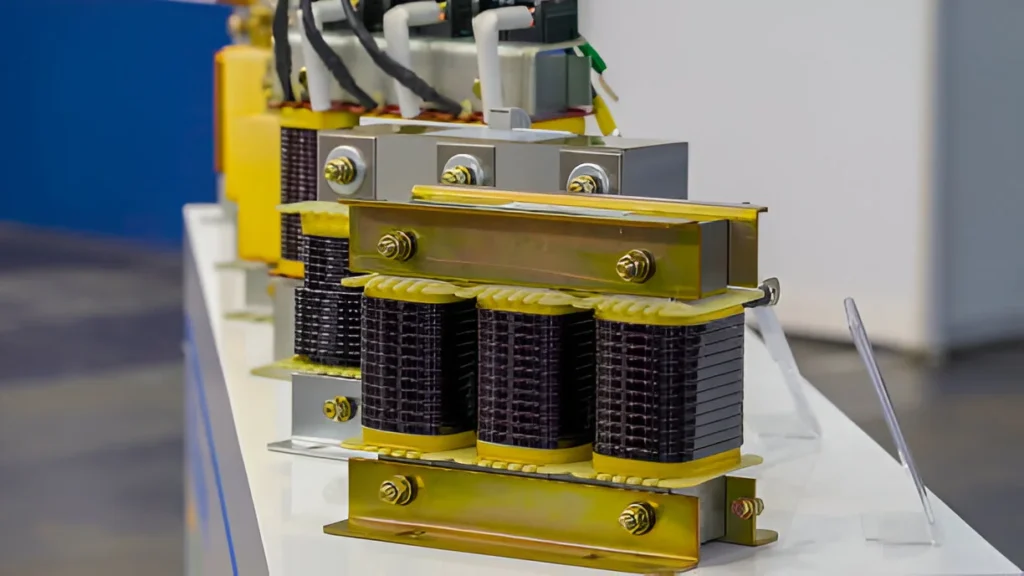
Main Power Transformers handle higher power distribution for the entire facility. A practical comparison can help you choose correctly by clarifying purpose, voltage levels, and protection requirements.
Feature
Control Transformer
Isolation Transformer
Main Power Transformer
Main Purpose
Provide stable, stepped-down voltage for control circuits
Electrically isolates primary from secondary to improve safety and noise rejection
Distributes larger power loads to supply whole facility or large subsystems
Typical Voltage Ratio
Step-down to control voltages (e.g., 24 V, 120 V)
Often 1:1, primarily for isolation rather than voltage change
Higher power distribution voltages (e.g., 11 kV to 33 kV or as per plant design) or large step-downs when used as distribution transformers
Typical Applications
MCCs, PLCs, relays, control panels, sensors
Medical equipment, test setups, sensitive electronics requiring galvanic isolation
Plant-wide power distribution, heavy machinery, facility electrical backbone
Load Characteristics
Moderate, often variable; designed for control circuit dynamics
Relatively steady or low- to moderate-load, focused on isolation and noise suppression
High and sustained power demands; efficiency and thermal management critical
Isolation / Grounding
Provides some insulation for safety; not primarily for isolation
Designed to provide galvanic isolation between input and output
Isolation is not the primary function; grounding and shielding depend on system design
Leakage / Noise
Higher tolerance for leakage; optimized for control performance and surge handling
Low leakage with emphasis on noise isolation and signal integrity
Higher complexity of losses; efficiency optimization is central
Inrush Handling
Designed to handle control circuit inrush currents; may include protective features
Typically not optimized for frequent inrush
Designed for large inrush and continuous loading; cooling is critical
Common Hybrid Use
Sometimes paired with isolation in specialized products
Rarely combined as isolation control transformers; more commonly separate
Often used as the main transformer in power distribution or motor drives
Safety, standards, and reliability considerations
Safety and reliability are core reasons to choose a dedicated Control Transformer. Discussed aspects include:
Proper insulation and creepage distances to prevent arc faults
Adequate enclosure protection against dust, moisture, and vibration
Protective features such as thermal sensors, overload protection, and short-circuit robustness
Compliance with regional standards and certifications, which support safe installation, operation, and maintenance
Pro tip: work with suppliers who provide clear wiring diagrams, test data, and installation guidance. This clarity reduces commissioning time and post-install surprises.
Upgrade your power system today with reliable Control Transformer! Contact us now for custom solutions and expert support.
Maintenance, lifecycle, and total cost of ownership
Routine maintenance can extend the life of a Control Transformer and prevent unexpected downtime. Focus areas:
Visual inspection of connections and enclosure integrity
Periodic insulation resistance testing for aging insulation
Thermal monitoring to detect hotspots early
Cleaning to prevent dust buildup in cabinets that impede cooling
Review of mounting hardware and vibration damping
A well-chosen transformer tends to deliver lower lifecycle costs through improved reliability, easier maintenance, and simpler upgrades when plant capacity evolves.
How to select a suitable control transformer
When engaging suppliers, ask for:
❶ Detailed specifications and data sheets.
❷ Confirmation of standards and test reports.
❸ Lead times, MOQ, and support for customization.
❹ Clear warranty terms and post-sales service.
❺ Practical examples of similar installations or case studies.
This approach reduces back-and-forth and speeds up procurement. A practical customer journey: share your load profile, request a few model options, and request a virtual or on-site consultation to validate fit.
Practical tips for quick wins in your plant
Map all control circuits that require low-voltage power and identify gross voltage requirements.
Evaluate cabinet space and mounting constraints early to avoid rework.
Consider modular or scalable options to accommodate future expansion.
Use labeling and standard terminal blocks to simplify maintenance.
Plan for safety: lockout/tagout procedures and proper grounding in the control panel.
If you’d like tailored recommendations, contact our team with your load profile and cabinet dimensions.
Choosing the right Control Transformer is a strategic decision that influences reliability, safety, and maintenance costs across your automation ecosystem. By understanding definitions, structure, and selection criteria, engineers and buyers can make informed choices that align with plant needs and budget. Hairui Electric stands ready to collaborate with your team—share your load profile, cabinet dimensions, and environmental conditions to receive tailored recommendations, quotes, and a practical implementation plan. If you’re ready to discuss options or need a quick quote, reach out to our technical experts today.
FAQ
What is a Control Transformer, and how does it differ from an isolation or main power transformer?
A Control Transformer supplies low-voltage power to control circuits in machines and panels, focusing on stable regulation for relays, PLCs, and sensors. It’s different from an Isolation Transformer, which emphasizes electrical separation for safety and noise reduction, and from a Main Power Transformer, which distributes larger power loads across a facility.
What are typical applications for a Control Transformer?
They’re used in control cabinets, machine tools, automated lines, and panels where a reliable, low-voltage control supply improves system reliability and safety.
How do you determine the correct rated capacity and output voltage?
Start with the control load profile (steady vs peak loads), identify the required control voltages (e.g., 24 V, 120 V), and choose a transformer with adequate headroom for peak demand and future expansion. Always verify inrush characteristics and ensure the chosen unit matches the plant’s frequency and voltage standards.
What safety and certification considerations matter?
Ensure insulation class and creepage distances meet environmental conditions, and confirm compliance with regional standards (UL, CE, etc.) to support safe installation and maintenance.
How should maintenance be approached for these transformers?
Regular inspections of connections and enclosure integrity, insulation resistance tests, thermal monitoring, and风ized cleaning to prevent dust buildup that can hinder cooling. Plan for periodic testing and a service plan with the supplier.
What is the ideal way to engage suppliers when buying?
Request complete datasheets, test reports, and clear warranty terms; share your load profile and cabinet dimensions to receive tailored recommendations and quotes quickly.
Table of Contents
Upgrade your power system today with reliable Control Transformer! Contact us now for custom solutions and expert support.
When you’re sourcing electrical components for industrial systems, you’ll quickly realize that control transformers are not one-size-fits-all. They come in a wide range of types and configurations, each designed to suit different control circuits and operational environments. Whether you’re an engineer, a procurement specialist, or an industrial equipment wholesaler, understanding these variations can make a big difference in performance, reliability, […]
Buying a Control Transformer Prices sounds simple until you actually try to source one across borders. Suddenly, you are not just comparing a “price”—you are comparing standards, copper and steel exposure, certifications, lead time, logistics, payment terms, and how much customization a supplier is willing to do without turning your RFQ into a science project. […]
Have you ever looked inside a control cabinet and wondered why the JBK3 220/24V control transformer for PLC power is there, instead of just running everything straight off the main line? As a transformer sales engineer, I get asked this all the time. The short answer is: safety, isolation, and stable low‑voltage control power. The slightly longer answer […]
We use cookies to enhance your browsing experience, serve personalised ads or content, and analyse our traffic. By clicking "Accept All", you consent to our use of cookies.