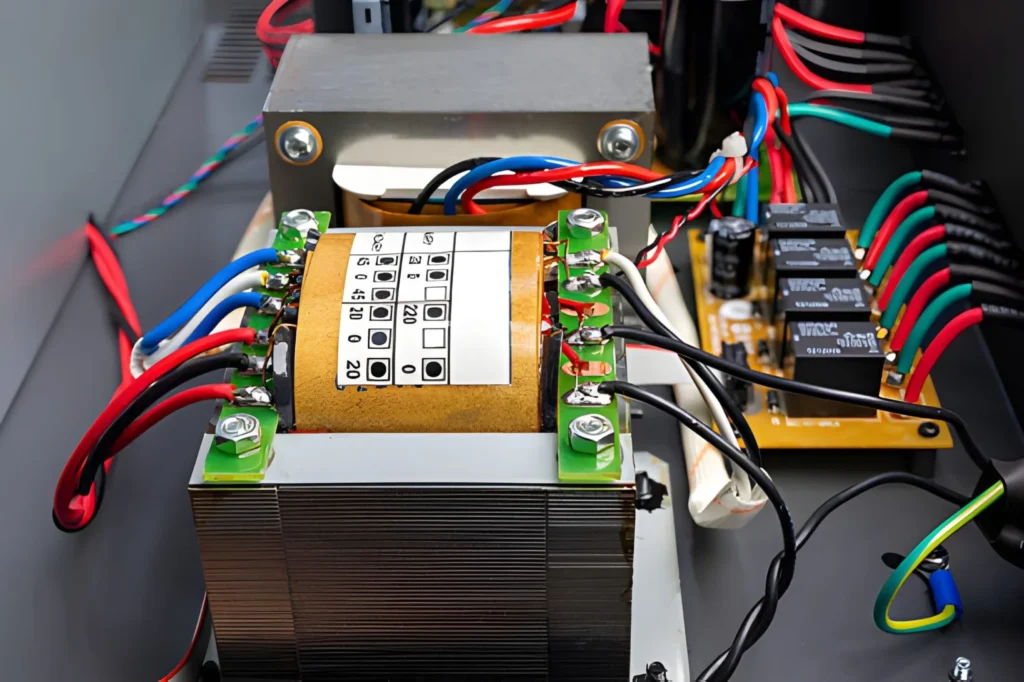
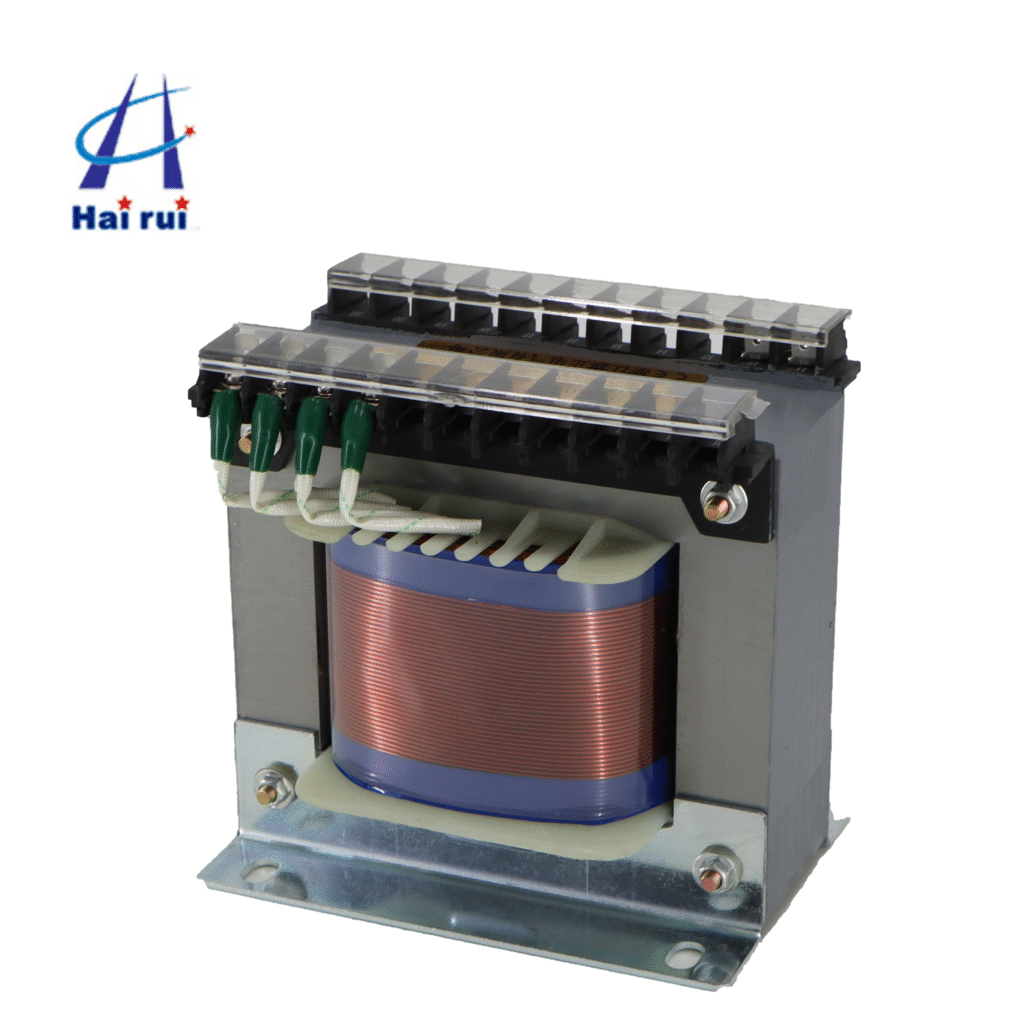
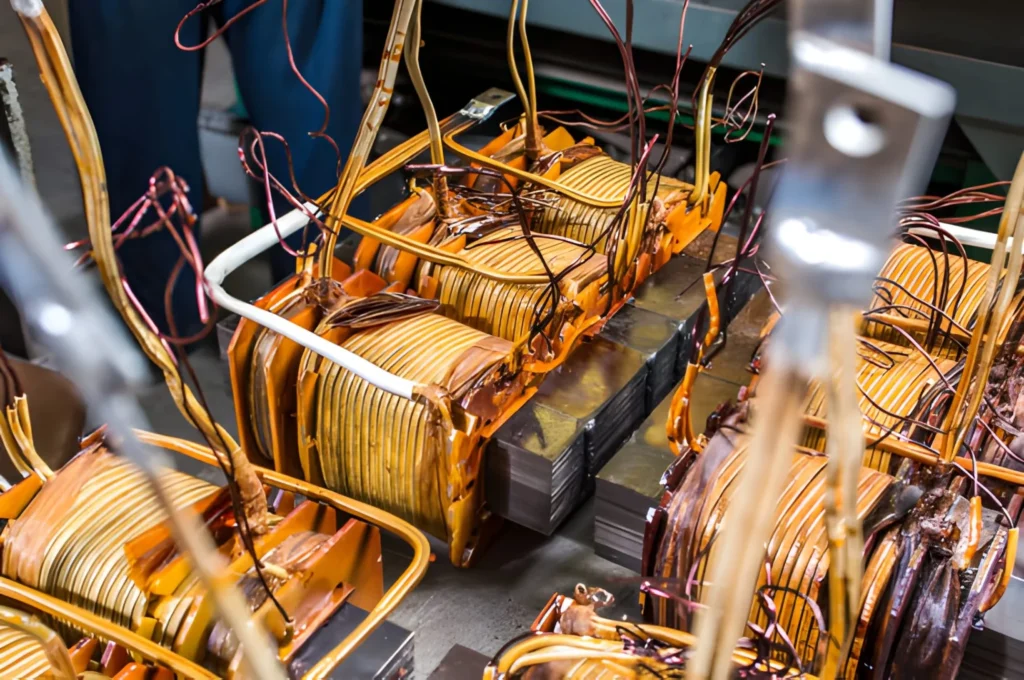
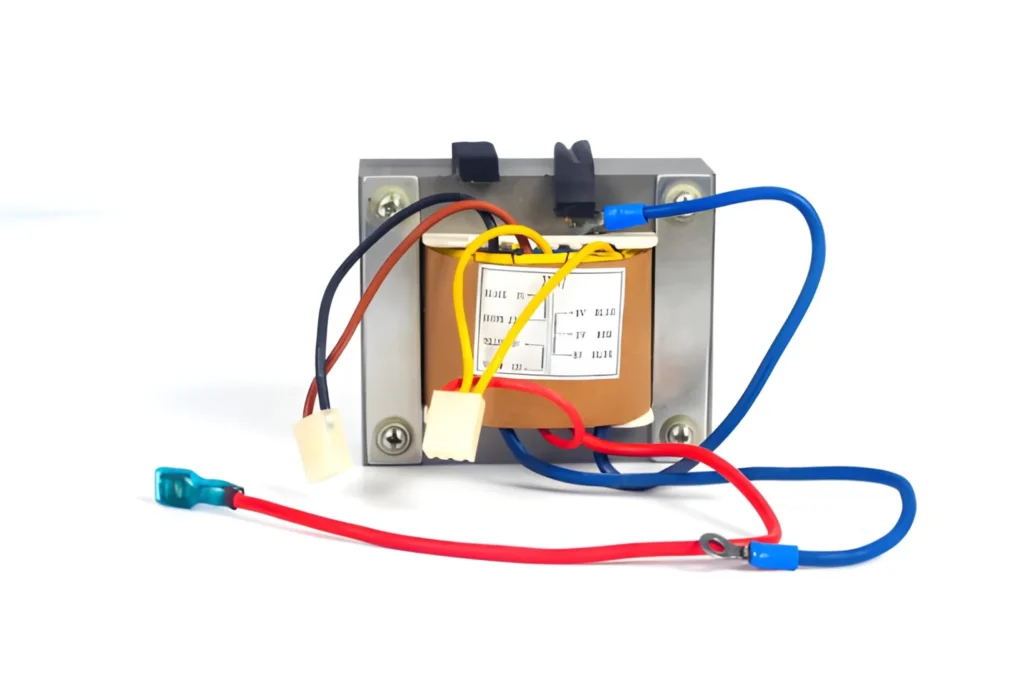
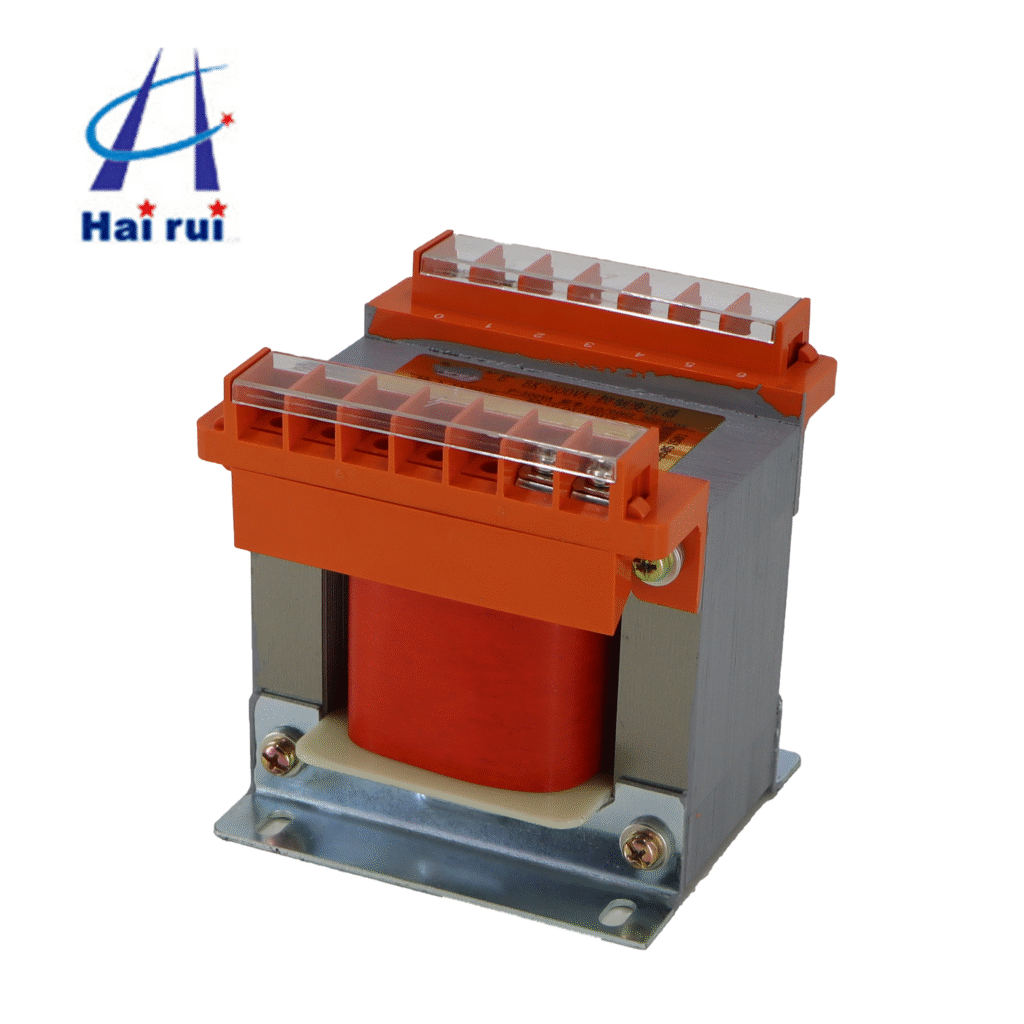
A control transformer might look like a simple electrical component, but it plays one of the most crucial roles in industrial and automation systems. Whether you are an engineer designing a control panel, a purchaser sourcing reliable components, or a manufacturer providing customized solutions, understanding the main purposes of control transformers can dramatically improve your system efficiency and reliability.
Let’s explore how these transformers work, why they’re essential, and what you should consider when selecting one for your business needs.
What Exactly Is a Control Transformer?
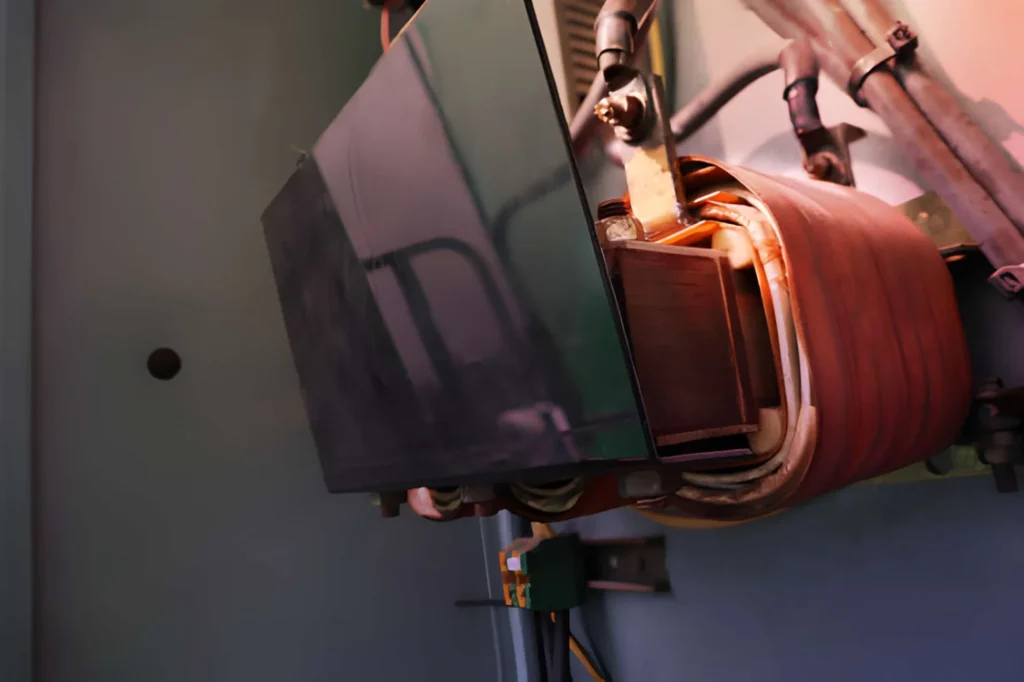
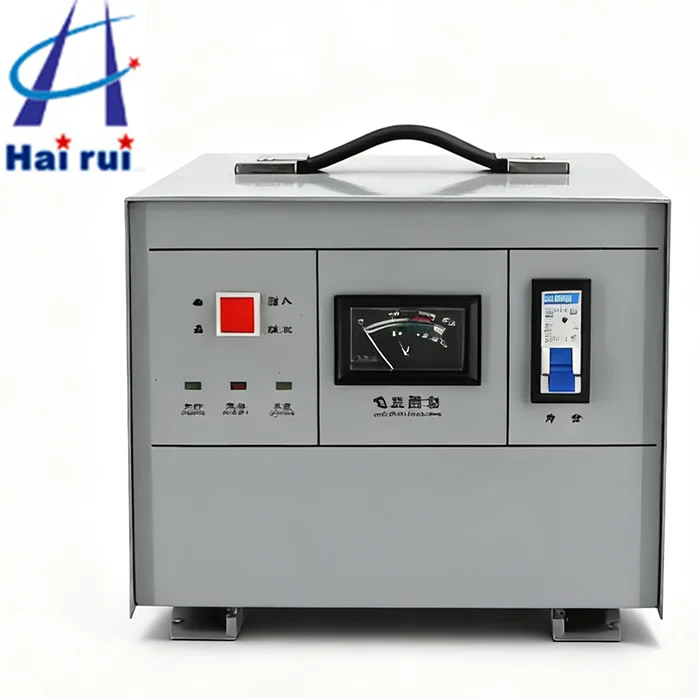
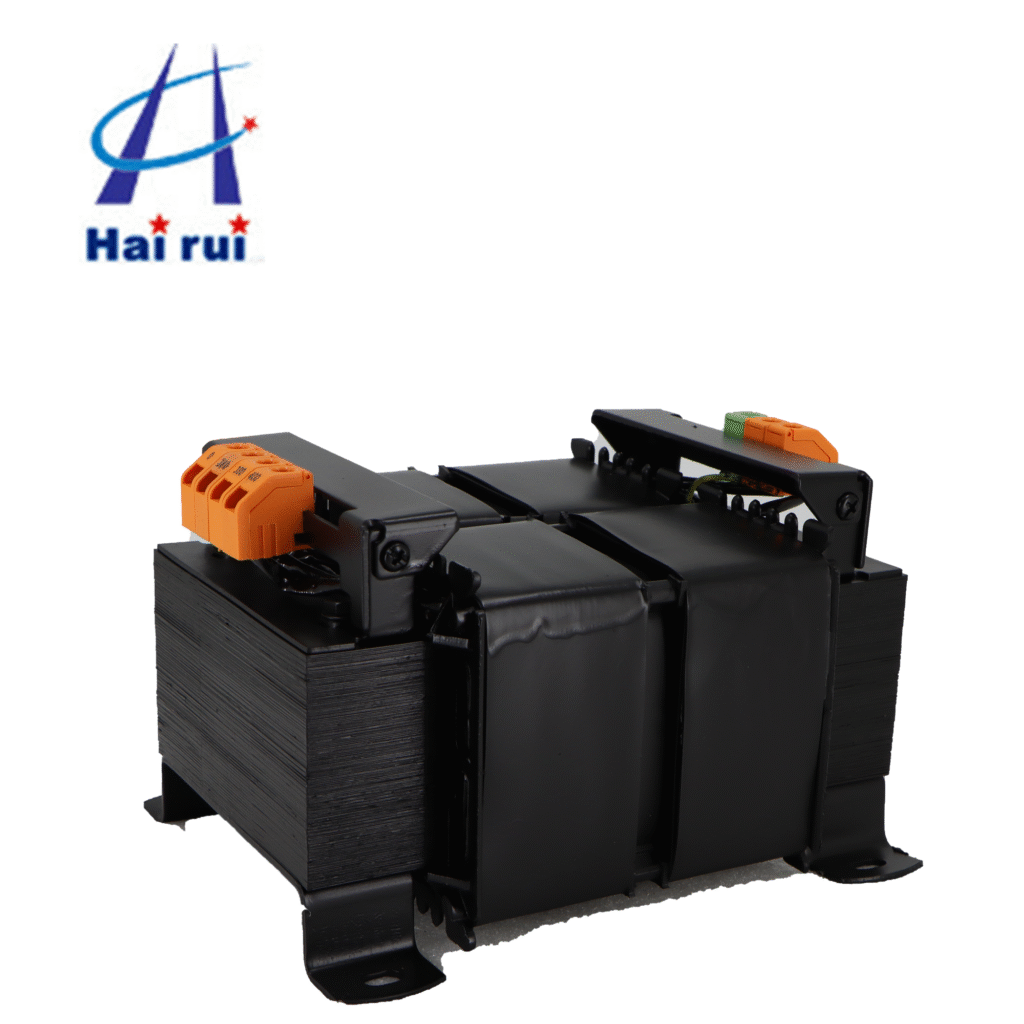
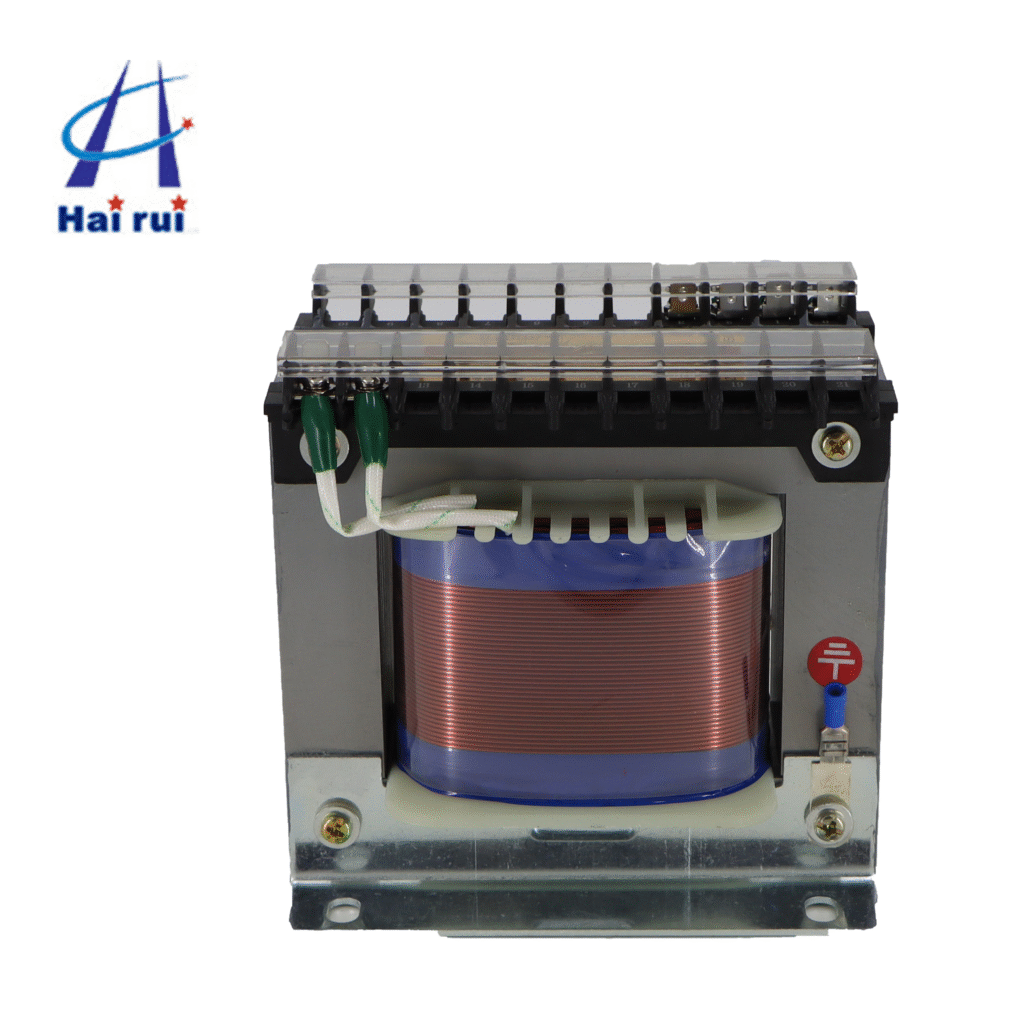
A control transformer, also known as an industrial control transformer (ICT), is a special type of transformer designed to provide stable voltage to control circuits. Unlike standard power transformers, control transformers are optimized for short-term overload capacity, which is vital during the inrush of current when devices switch on.
They are commonly seen in equipment such as:
CNC machines
Motor control panels
Automation systems
Switchgear equipment
Distribution boards
Industrial robots
In simple terms, control transformers act as the dependable backbone behind safe machine operation—ensuring sensors, relays, and control circuits always receive the precise voltage they need to function accurately.
The Main Purposes of a Control Transformer
Let’s cut to the heart of the matter—why do we actually need a control transformer? Below are the key reasons industries rely on them every day.
1. Voltage Stabilization for Control Circuits
Control transformers ensure that voltage fluctuations from the main supply do not affect sensitive control circuits. Even a small instability could trigger a false signal or error in an automated system. By maintaining a consistent voltage output, they guarantee smoother and safer operations.
Input Voltage
Output Voltage
Typical Use Case
480V
120V
PLC control panels
400V
230V
European automation systems
240V
110V
North American machinery
2. Isolation and Safety
Industrial environments come with high voltages and potentially dangerous surges. A control transformer provides galvanic isolation between the high-voltage supply and low-voltage control circuit, protecting both workers and equipment from electrical hazards.
In factories, this isolation prevents shock hazards, reduces interference, and avoids voltage feedback that could damage programmable logic controllers (PLCs) or delicate sensors.
3. Handling Inrush Currents
When contactors, solenoids, or relays switch on, they create inrush currents—momentary surges far beyond normal operating levels. Control transformers can handle these peaks without voltage drops or circuit instability. This capacity ensures uninterrupted operation of control systems even during start-up loads.
4. Supporting Automation Reliability
With the rise of Industry 4.0 and smart manufacturing, reliable control power is more critical than ever. A stable control transformer acts like a constant heartbeat for automated systems—feeding consistent voltage to digital controls, robotic arms, and monitoring equipment that must perform with millisecond accuracy.
Why Industrial Buyers Value Control Transformers
For B2B customers, control transformers are not just technical elements; they represent long-term investments in reliability and safety. Here’s why suppliers, wholesalers, and manufacturers emphasize quality in these devices.
Reduced downtime: A high-performance transformer limits disruptions caused by power fluctuations.
Enhanced system lifespan: Consistent voltage supply protects sensitive parts from wear.
Customization options: Many control transformer manufacturers offer voltage customization, winding configuration, and mounting flexibility to fit OEM and industrial applications.
Competitive pricing from global suppliers: With competitive sourcing channels, wholesalers often provide bulk purchase discounts without compromising performance standards.
So if you are a procurement engineer or supply chain manager, seeking transformers from reliable manufacturers could ensure better cost efficiency, compliance, and performance consistency across your entire production line.
Comparing Control Transformers and Power Transformers
While both devices transform electrical energy, their functions and designs differ in significant ways.
Feature
Control Transformer
Power Transformer
Purpose
Supplies stable voltage to control circuits
Transfers power to entire systems or networks
Load Type
Intermittent or short-term overload
Continuous and steady load
Voltage Capacity
Low to medium (e.g., 120V, 240V)
High voltage (e.g., 11kV and above)
Key Feature
Inrush current handling, isolation
High efficiency in large-scale power distribution
Applications
Automation panels, CNC machines
Power plants, substations
Key Specifications to Consider Before Purchase
When sourcing from control transformer suppliers or manufacturers, it’s vital to understand which specifications directly affect performance and cost. Here are some that procurement and engineering teams should evaluate:
VA (Volt-Ampere) Rating: Determines power capacity. Choose a higher VA rating for circuits with heavy inrush loads.
Frequency: Most industrial transformers are rated for 50/60 Hz dual compatibility.
Primary and Secondary Voltage: Check compatibility with your input power source and control device.
Insulation Class: Higher insulation ratings extend lifespan and heat resistance.
Mounting Type: Panel, chassis, or floor mounting should fit your equipment’s design.
Cooling Type: Air-cooled transformers are standard, but oil-cooled options exist for special use cases.
Specification
Description
Industrial Application Example
VA Rating
500VA–5000VA
Heavy-duty control panels
Frequency
50/60Hz
Global factory operations
Isolation Type
Galvanic
Safe separation in factory floors
Cooling
Air/Natural
Compact electrical cabinets
Customization and Pricing Trends in 2026
In today’s global market, customized control transformers are increasingly popular. Manufacturers now offer:
Custom winding configurations for special voltages.
Compact sizes for high-density control cabinets.
Eco-friendly materials that reduce energy loss and heat.
Enhanced insulation for demanding industrial conditions.
The price of control transformers can vary widely based on power capacity, materials, and region. On average:
Type
Voltage (V)
Capacity
Approx. Price Range (USD)
Standard Single-Phase
230/115
500VA
$25–$60
High-Performance Industrial
480/120
2000VA
$80–$150
Custom OEM Solution
Varies
3–10 kVA
$150 and above
If you’re comparing manufacturers or wholesalers, request detailed quotes based on your power requirements and certification standards (such as UL, CE, or IEC). Don’t hesitate to send an inquiry—many suppliers offer free design consultations or OEM customization support to streamline your sourcing process.
Emerging Trends in Control Transformer Applications
As industries move toward smart automation, control transformers are evolving too. Future trends include:
Digital monitoring: Integration with IoT sensors for real-time performance tracking.
Energy-efficient cores: Using advanced magnetic materials to reduce power loss.
Compact high-performance designs: Perfect for space-limited control cabinets.
Global standards compliance: More manufacturers aligning with UL, CSA, and RoHS directives to meet international demand.
Forward-thinking suppliers and manufacturers are already investing heavily in R&D to stay ahead of these developments. That means now is the right time to evaluate your supply chain and make sure you’re working with partners who can offer energy-efficient and compliant solutions.
Control transformers might be small, but they carry tremendous importance in keeping industrial systems running safely and efficiently. From voltage stabilization and safety isolation to handling heavy inrush currents, their functions form the backbone of modern control circuits.
As a buyer or engineer, choosing the right control transformer supplier or manufacturer is key. Prioritize stable performance, safety compliance, and the flexibility for customization—it’s the smartest investment for long-term reliability.
Whether you’re upgrading an automation system or sourcing for a new project, don’t hesitate to connect with trusted control transformer wholesalers today. Request a quote, review technical specs, and discover how the right transformer can power your system’s precision.
FAQ
What is the main function of a control transformer?
It supplies stable, isolated voltage to control circuits, ensuring safe and reliable operation of industrial equipment.
What makes control transformers different from power transformers?
They are designed for short-term overloads and voltage stability in low-power control circuits, unlike power transformers used for large-scale energy transmission.
Can control transformers be customized?
Yes, many manufacturers offer custom voltage, size, and insulation configurations to meet unique project requirements.
Are control transformers expensive?
Not necessarily. Prices depend on capacity and specifications, but bulk orders through wholesalers often lower overall costs.
How long do control transformers last?
With proper cooling and maintenance, a high-quality transformer can last 10–20 years or more.
Transformers are the silent backbone of modern industrial electrical systems, doing their work quietly and reliably. Yet, when purchasing or designing systems across different regions, one question often sparks debate: Can I use the same control transformers for 50 Hz and 60 Hz power supplies? If you’re a procurement engineer, a sourcing manager, or an OEM […]
In today’s competitive manufacturing and automation world, Industrial Control Transformer power stability is everything. When you’re running machines 24/7, a single voltage drop or short circuit event can cause unwanted downtime—and in industries like processing or automation, downtime equals lost revenue. That’s where an industrial control transformer steps in. Let’s break down why this small but crucial component deserves […]
Have you ever looked inside a control cabinet and wondered why the JBK3 220/24V control transformer for PLC power is there, instead of just running everything straight off the main line? As a transformer sales engineer, I get asked this all the time. The short answer is: safety, isolation, and stable low‑voltage control power. The slightly longer answer […]
We use cookies to enhance your browsing experience, serve personalised ads or content, and analyse our traffic. By clicking "Accept All", you consent to our use of cookies.