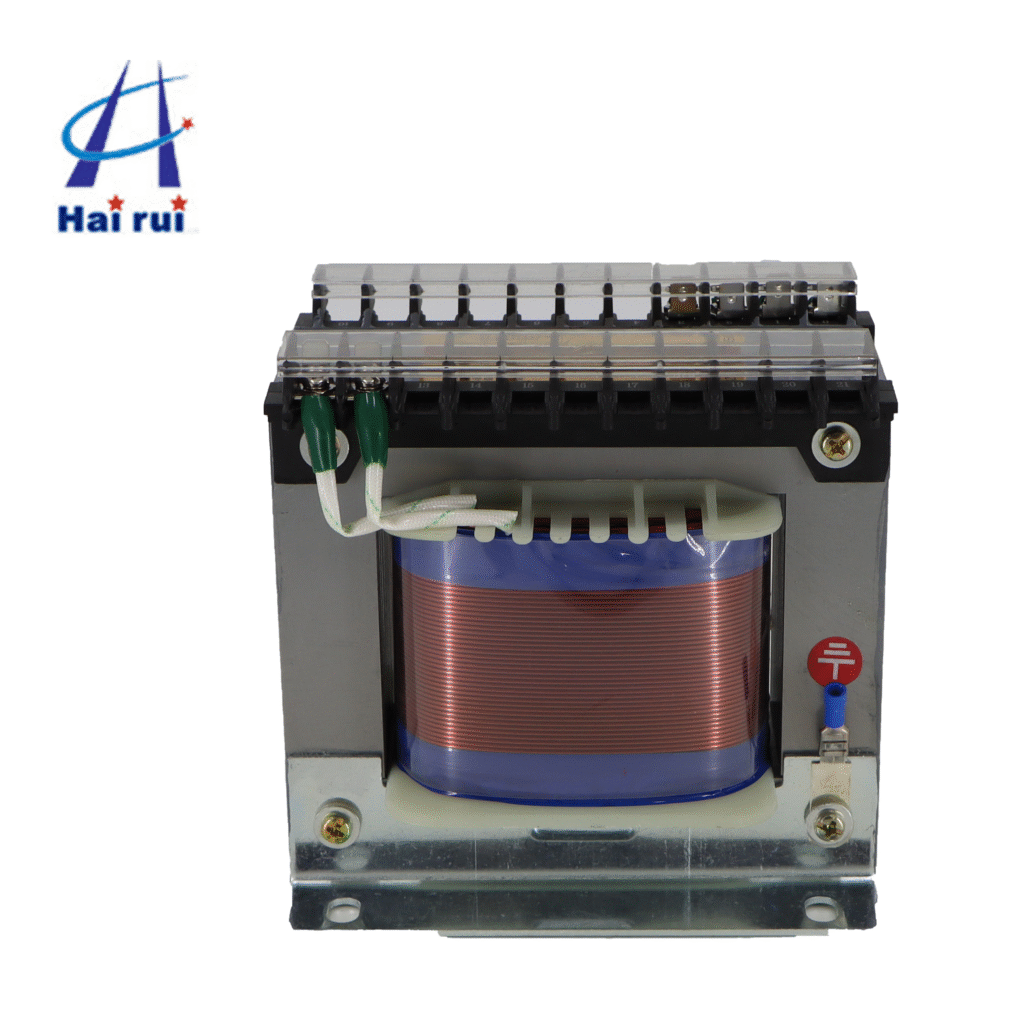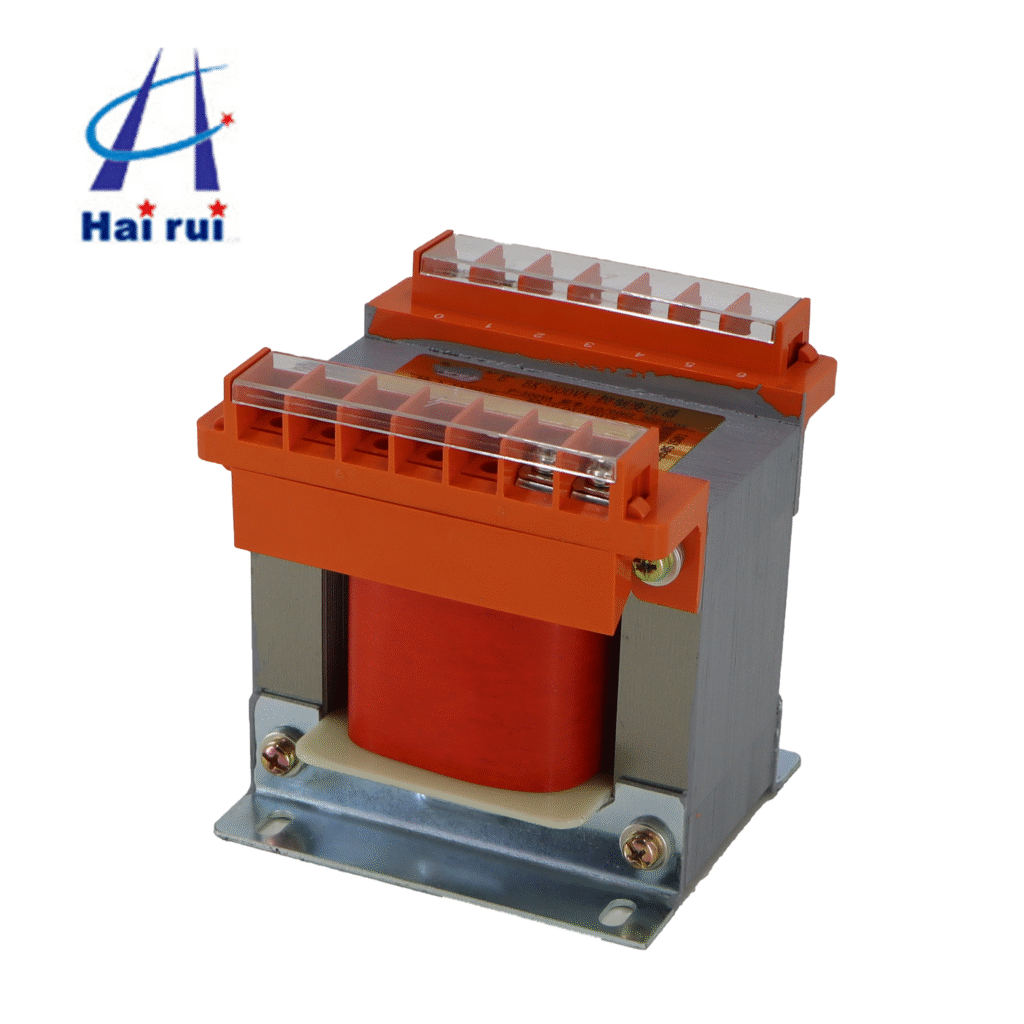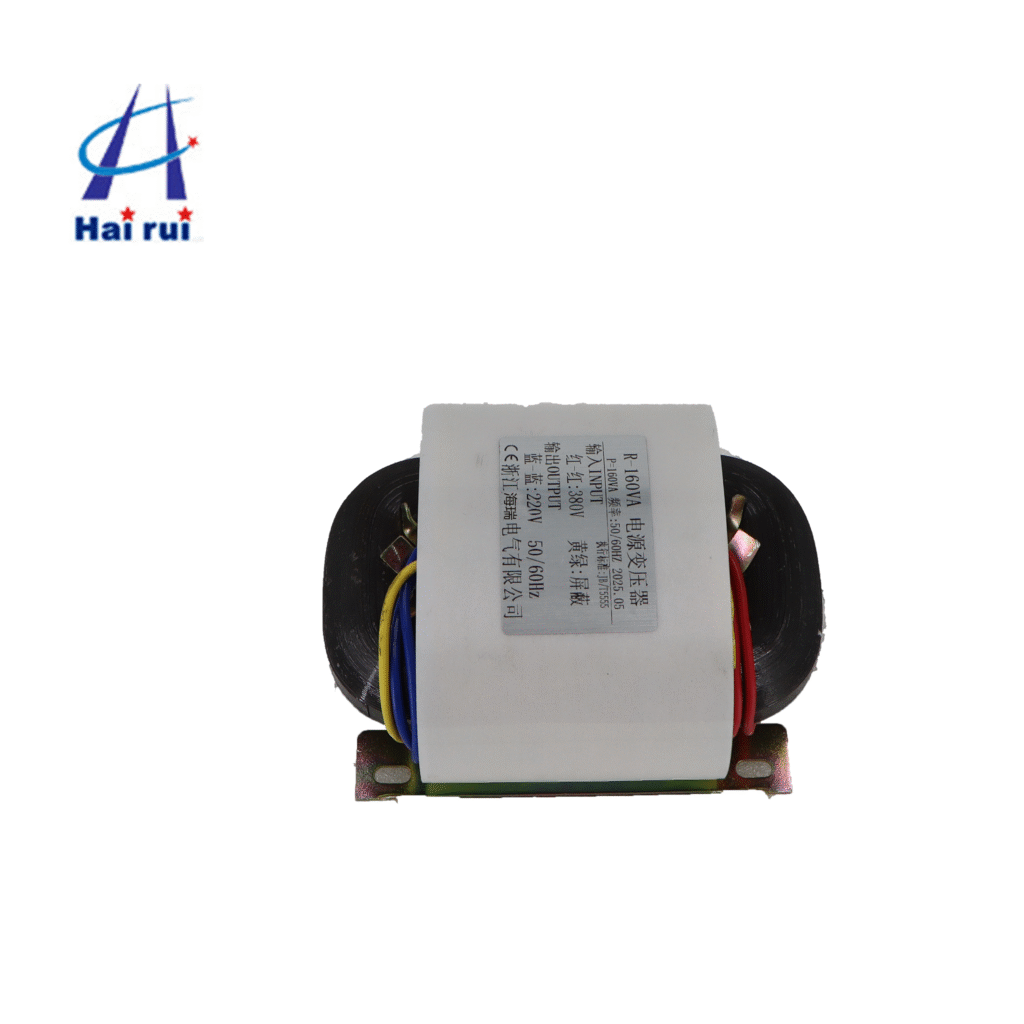
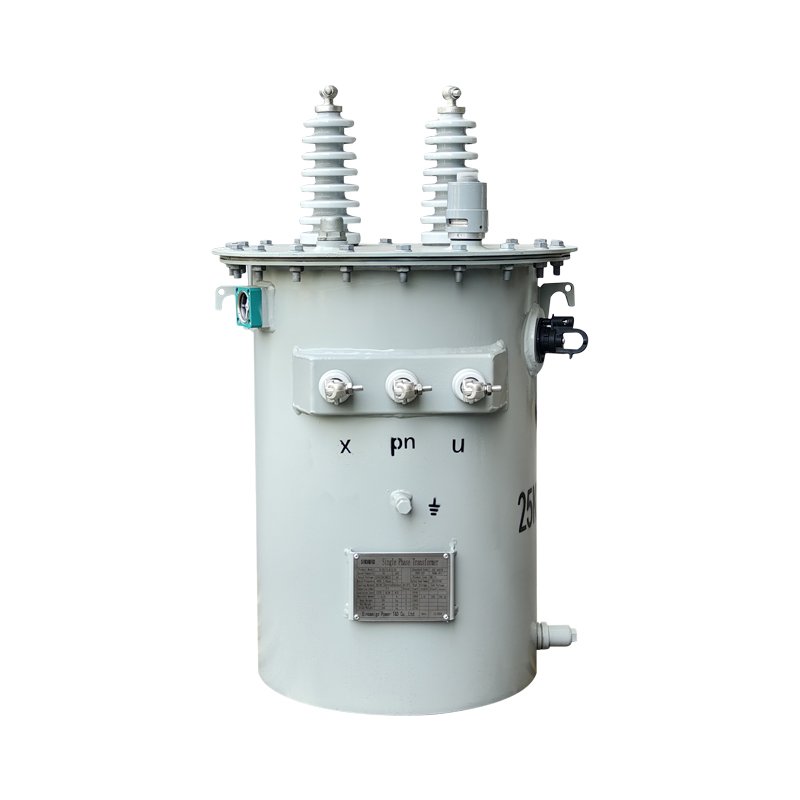
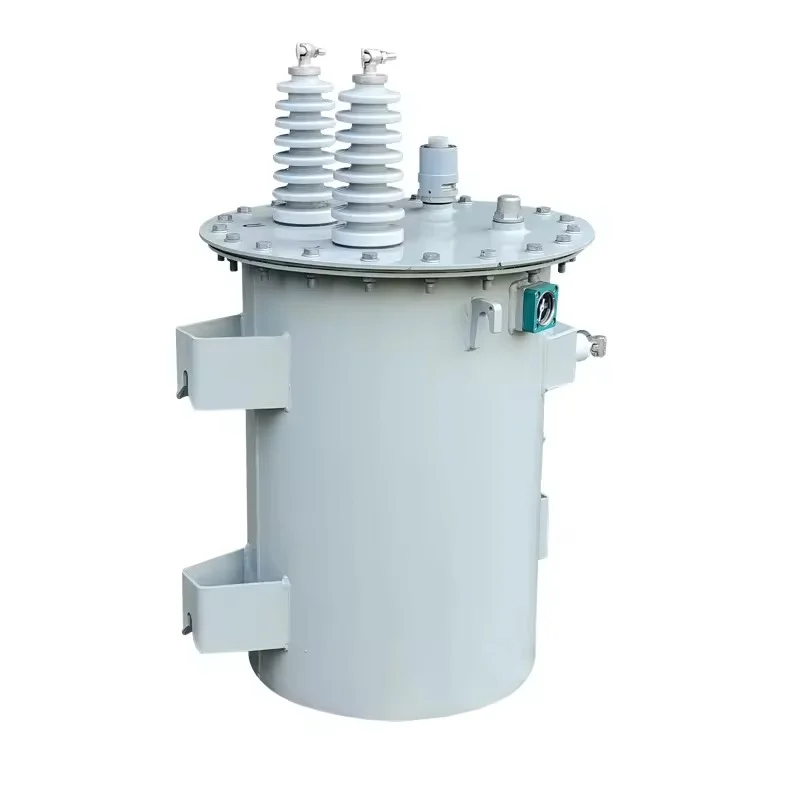
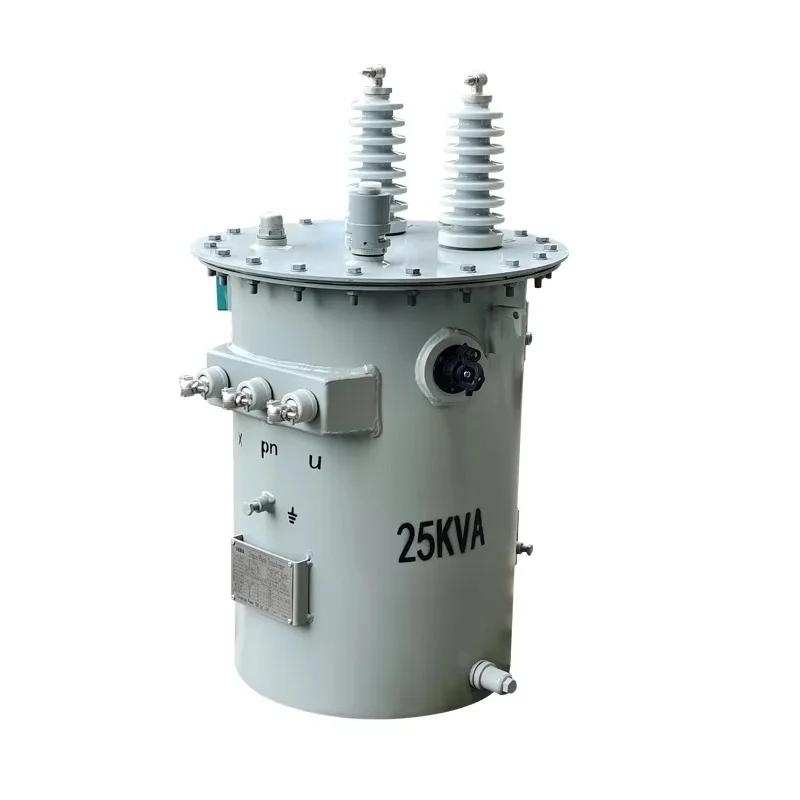
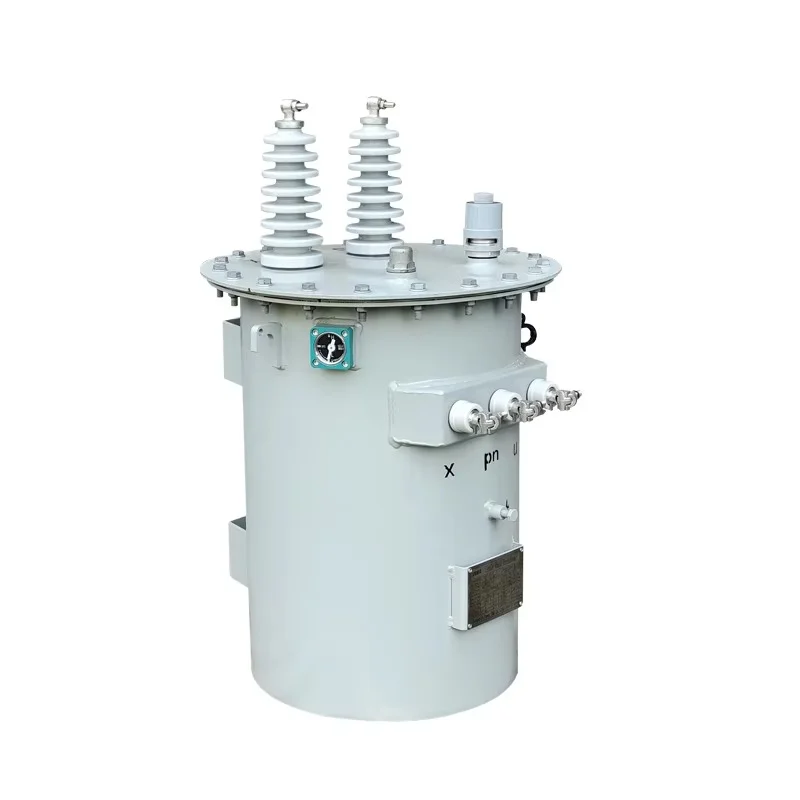
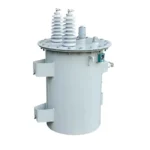
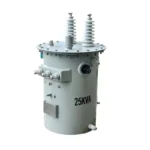
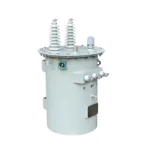
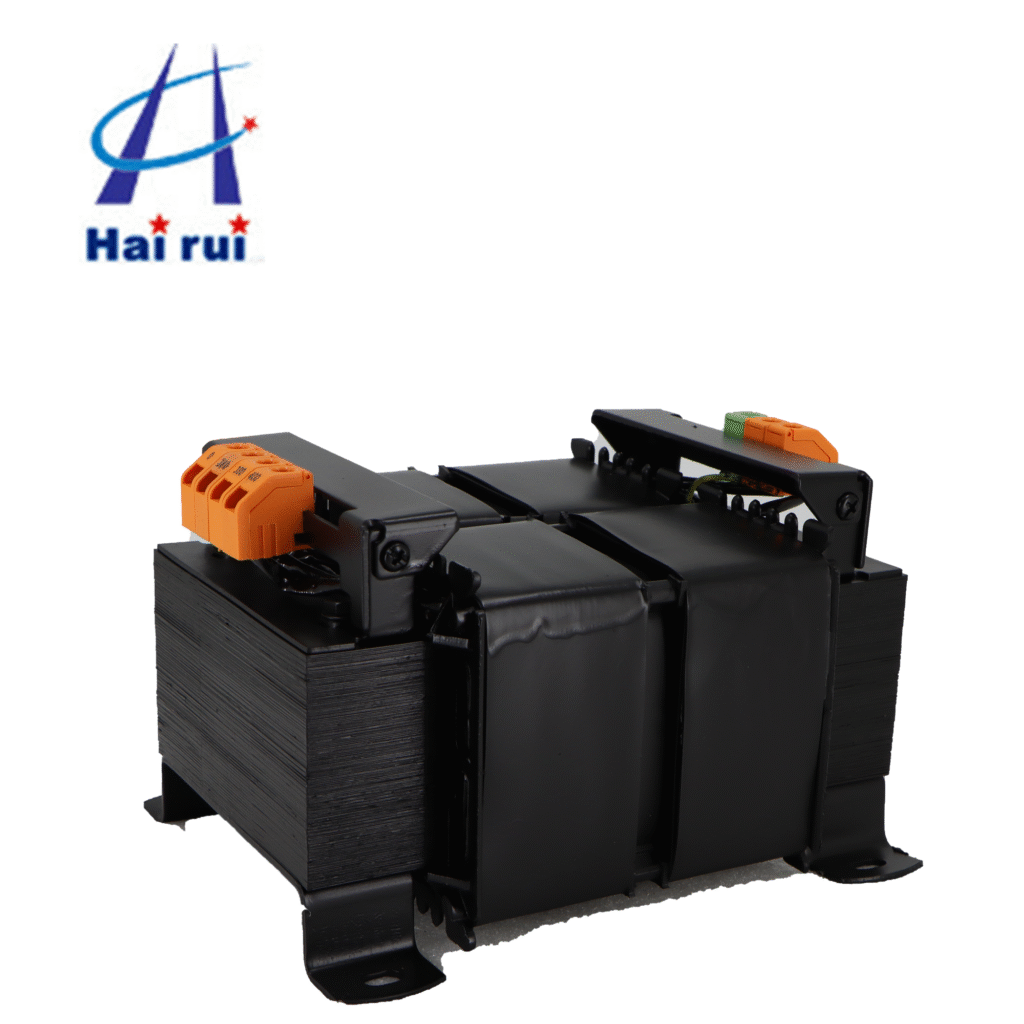
Unlike three-phase transformers that serve heavy industrial loads, the single-phase transformer is optimized for lower-capacity applications such as residential housing, light commercial facilities, and remote utility poles. Often available as pole-mounted single-phase transformers or pad-mounted distribution units, these devices convert high-voltage electricity to safe, usable low-voltage power.
Our single-phase step-down transformer equipment is manufactured with durable materials, advanced insulation, and energy-efficient cores, ensuring minimal losses and maximum performance. It can be configured as oil-immersed or dry-type, depending on environmental and load requirements.
Main Features
- Compact and lightweight design suitable for residential use.
- High efficiency cores for reduced energy loss.
- Wide voltage range to meet diverse distribution needs.
- Outdoor-ready enclosures for pole or ground mounting.
- Quiet operation for residential and commercial environments.
- Customizable ratings to support unique project specifications.
| 4.Technical Parameters of 10kV Class SH15-M Series Amorphous Alloy Oil-immersed Transformer | |||||||||||||||
| Rated Capacity (kVA) |
Voltage Combination (KV) |
Low voltage |
Connecion group designation |
Loss(kW) | No-load current (%) |
Short- circuit mpedance (%) |
Weight(Kg) | Overall Dimensions(mm) (Length L×Width B ×Height H) |
Torque (Longitudinal/ Transverse) |
||||||
| No-load | Load(75℃) | Body Weight |
oil weight | Total weight | |||||||||||
| 30 | 11 10.5 10 6.3 6 |
0.4 | Dyn11 | 0.033 | 0.600 | 1.7 1.3 1.2 1.1 1.0 0.9 0.7 0.7 0.7 0.5 0.5 0.5 |
4 | 240 | 80 | 410 | 920×600×980 | 400×550 | |||
| 50 | 0.043 | 0.870 | 310 | 110 | 510 | 950×620×1040 | 400×550 | ||||||||
| 63 | 0.050 | 1.040 | 350 | 125 | 570 | 990×670×1040 | 400×550 | ||||||||
| 80 | 0.060 | 1.250 | 410 | 135 | 630 | 1030×720×1040 | 400×660 | ||||||||
| 100 | 0.075 | 1.500 | 475 | 150 | 720 | 1060×770×1070 | 400×660 | ||||||||
| 125 | 0.085 | 1.800 | 550 | 170 | 830 | 1060×900×1070 | 400×660 | ||||||||
| 160 | 0.100 | 2.200 | 630 | 190 | 960 | 1060×930×1150 | 400×660 | ||||||||
| 200 | 0.120 | 2.620 | 670 | 210 | 1040 | 1110×930×1170 | 550×820 | ||||||||
| 250 | 0.140 | 3.050 | 750 | 240 | 1160 | 1180×1010×1180 | 550×820 | ||||||||
| 315 | 0.170 | 3.650 | 810 | 264 | 1240 | 1180×1010×1180 | 550×820 | ||||||||
| 400 | 0.200 | 4.300 | 860 | 290 | 1330 | 1200×1010×1180 | 550×820 | ||||||||
| 500 | 0.240 | 5.150 | 950 | 320 | 1460 | 1270×1160×1200 | 660×1070 | ||||||||
| 630 | 0.320 | 6.200 | 0.3 0.3 0.3 0.2 0.2 |
45 | 1120 | 380 | 1860 | 1450×1240×1330 | 820×1070 | ||||||
| 800 | 0.380 | 7.500 | 1340 | 410 | 2230 | 1520×1380×1460 | 820×1070 | ||||||||
| 1000 | 0.450 | 10.30 | 1620 | 540 | 2700 | 1720×1460×1510 | 820×1070 | ||||||||
| 7250 | 0.530 | 12.00 | 1900 | 640 | 3180 | 1780×1500×1690 | 820×1070 | ||||||||
| 1600 | 0.630 | 14.50 | 2560 | 680 | 4240 | 1880×1540×1970 | 820×1070 | ||||||||
| 2000 | 0.750 | 17.40 | 0.2 0.2 |
5 | 2900 | 980 | 4920 | 2080×1580×1970 | 820×1070 | ||||||
| 2500 | 0.900 | 20.20 | 3940 | 1160 | 6560 | 2350×1580×2020 | 820×1070 | ||||||||
| Note:High | voltage | tapping | range:±5%or2×2.5%;Frequency:50Hz;Insulation | level:L175AC35/L10AC5. | |||||||||||
Key Advantages
- Cost-effective solution for smaller power distribution networks.
- Easy installation with flexible mounting options.
- Low maintenance requirements compared to larger units.
- Energy efficiency reduces long-term operating costs.
- Safe and reliable power supply for sensitive equipment.
Applications
- Residential neighborhoods requiring stable single-phase electricity.
- Rural electrification projects where demand is moderate.
- Small commercial facilities such as shops, schools, and offices.
- Renewable energy integration for solar or wind microgrids.
- Temporary power supply for construction sites or backup systems.
Installation & Maintenance
Installation Steps:
- Select a stable mounting position (pole or ground base).
- Connect high-voltage input lines and low-voltage output terminals.
- Apply proper grounding to ensure safety.
- Perform insulation and connection checks before energizing.
Maintenance Tips:
- Inspect windings and terminals periodically.
- Monitor insulation resistance for safe operation.
- Check oil level (if oil-immersed type).
- Clean external housing to prevent dust accumulation.
How to Choose the Right Single-Phase Transformer
When selecting a transformer, consider:
- Load demand (kVA rating based on household or facility needs).
- Voltage compatibility with the grid and end-use equipment.
- Type of enclosure (pole-mounted vs. pad-mounted).
- Environmental conditions (dry-type for indoor, oil-immersed for outdoor).
- Efficiency rating to minimize energy loss.
- Compliance with IEC/ANSI/local electrical standards.
FAQ
What is a single-phase transformer used for?
It steps down high-voltage electricity to low-voltage power for residential and light commercial applications.
Can single-phase transformers be used outdoors?
Yes, especially pole-mounted or pad-mounted designs with weatherproof enclosures.
What is the typical service life?
With proper maintenance, most units last 20–30 years.
Is oil-immersed or dry-type better?
Oil-immersed offers higher cooling efficiency for outdoor use, while dry-type is safer for indoor installations.
How do I know what size transformer I need?
Size is determined by your total connected load (kVA) and expected peak demand.
Request a Quote Now
Our team will get back to you within 24 hours.