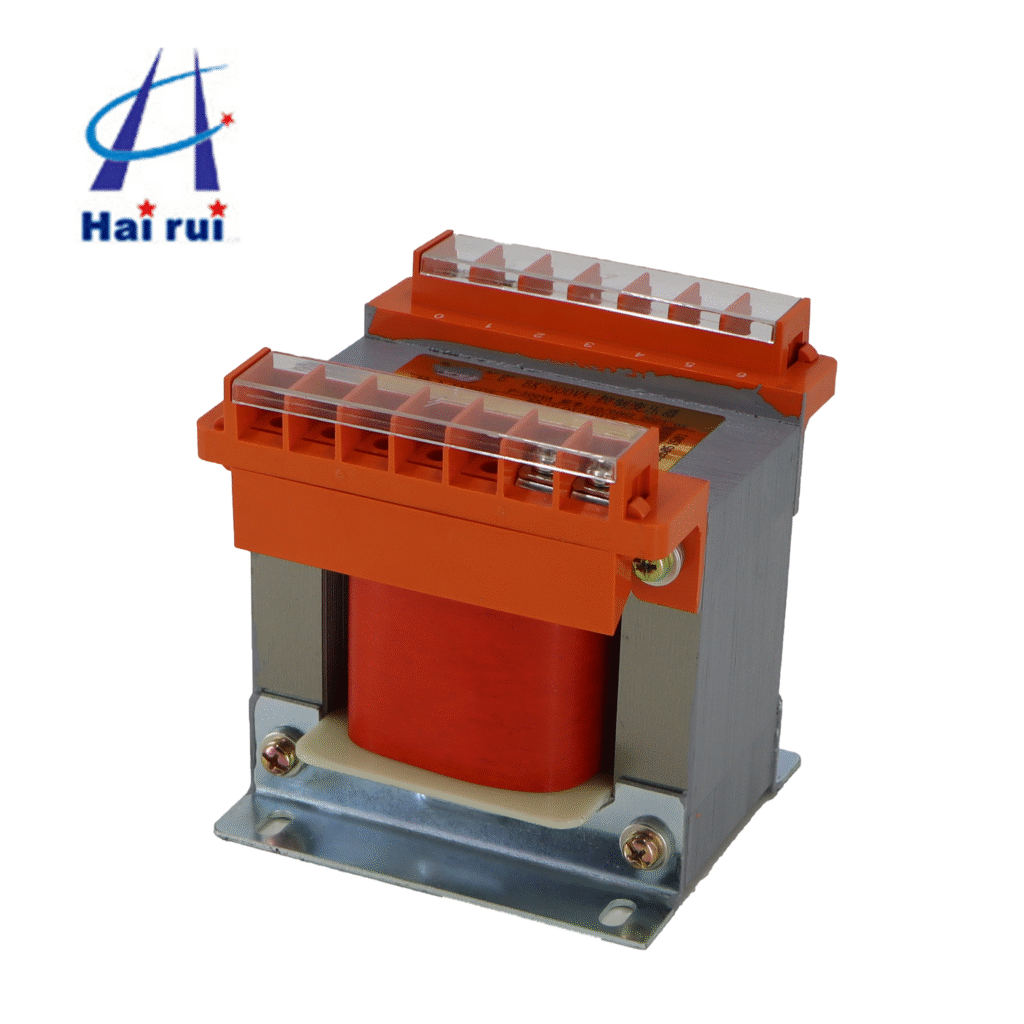
If you are an industrial buyer, panel builder, or automation engineer, you have probably seen “control transformer” and “JBK3 control transformer” listed side by side in a catalog. At first glance they look the same. But when you start wiring a machine‑tool panel or an industrial control cabinet, the difference really matters.
In this article, I will walk you through the core differences between a JBK3 control transformer and a “general control transformer,” and show you how to choose the right model, wire it correctly, and avoid common mistakes. You will also see how to match JBK3 ratings to your machine’s control‑circuit load—and how to work with B2B keywords like “wholesale JBK3 control transformer,” “220V 24V control transformer,” and “machine tool control transformer JBK3‑250VA” when you negotiate with suppliers.
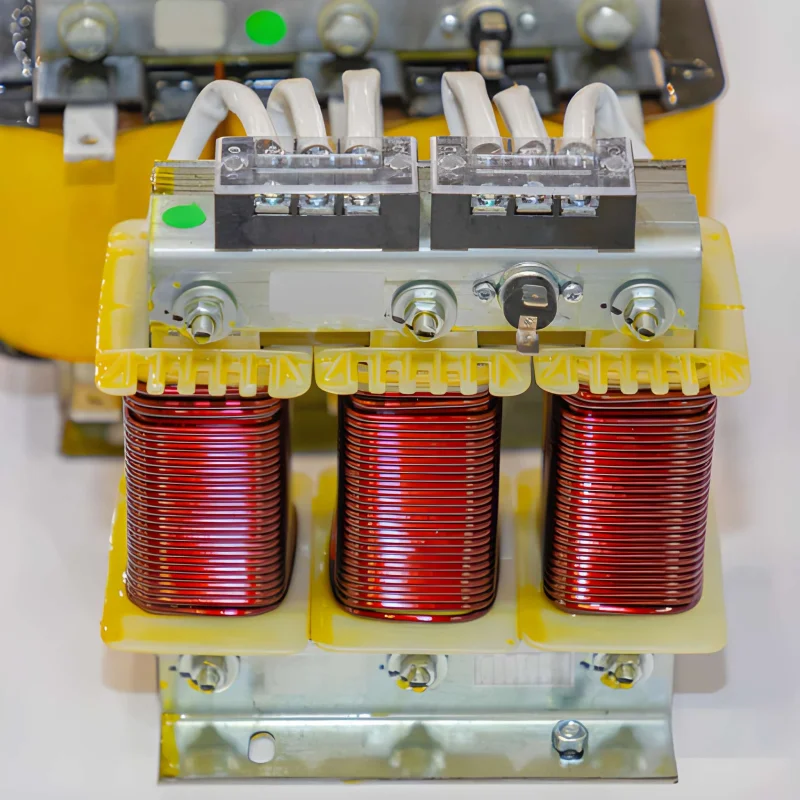
A JBK3 control transformer is a single‑phase, low‑voltage isolation transformer designed mainly for machine‑tool and industrial control circuits. It runs on AC 50–60 Hz, with input voltages up to about 660 V and output voltages typically under 220 V. Its main job is to step down the main line voltage (for example 380 V AC) to safe, low‑voltage levels such as 24 V, 36 V, 110 V, or 220 V for relays, contactors, PLC inputs, indicator lamps, and local lighting.
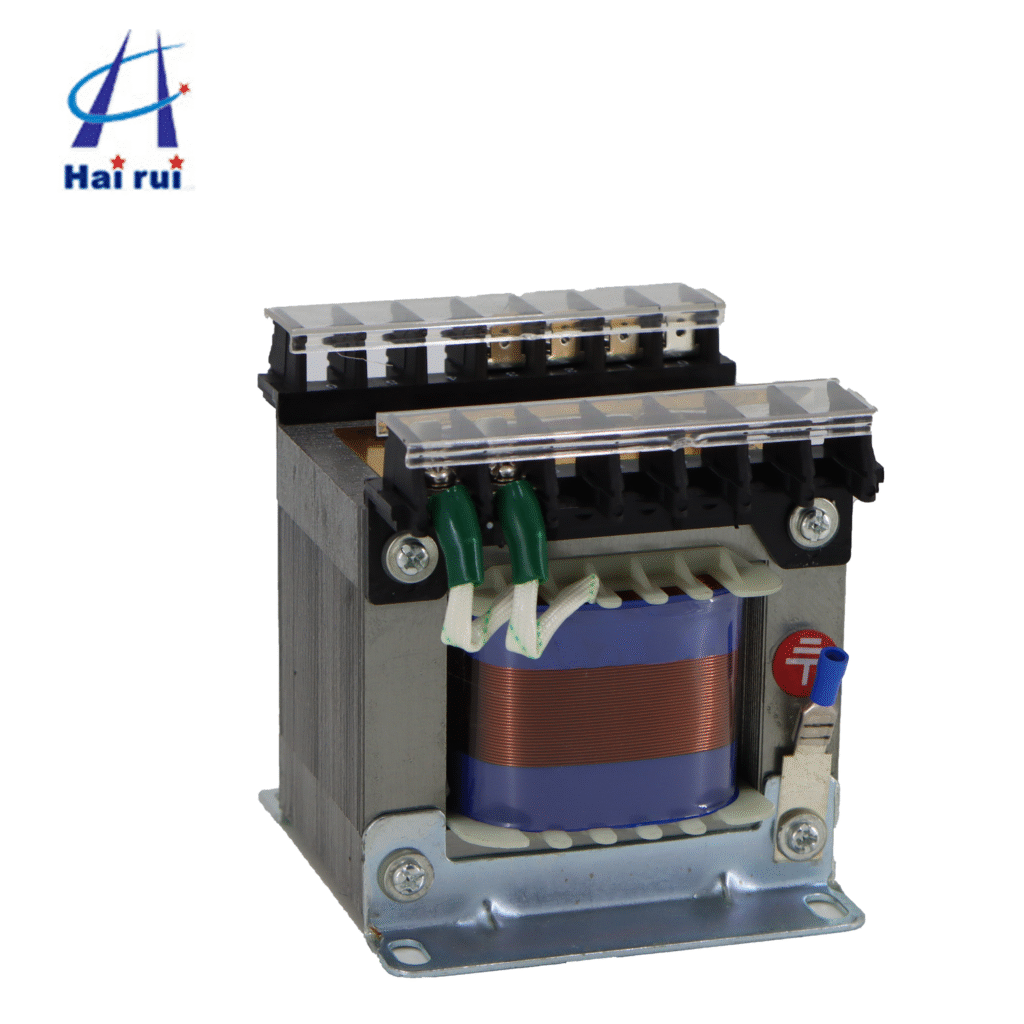
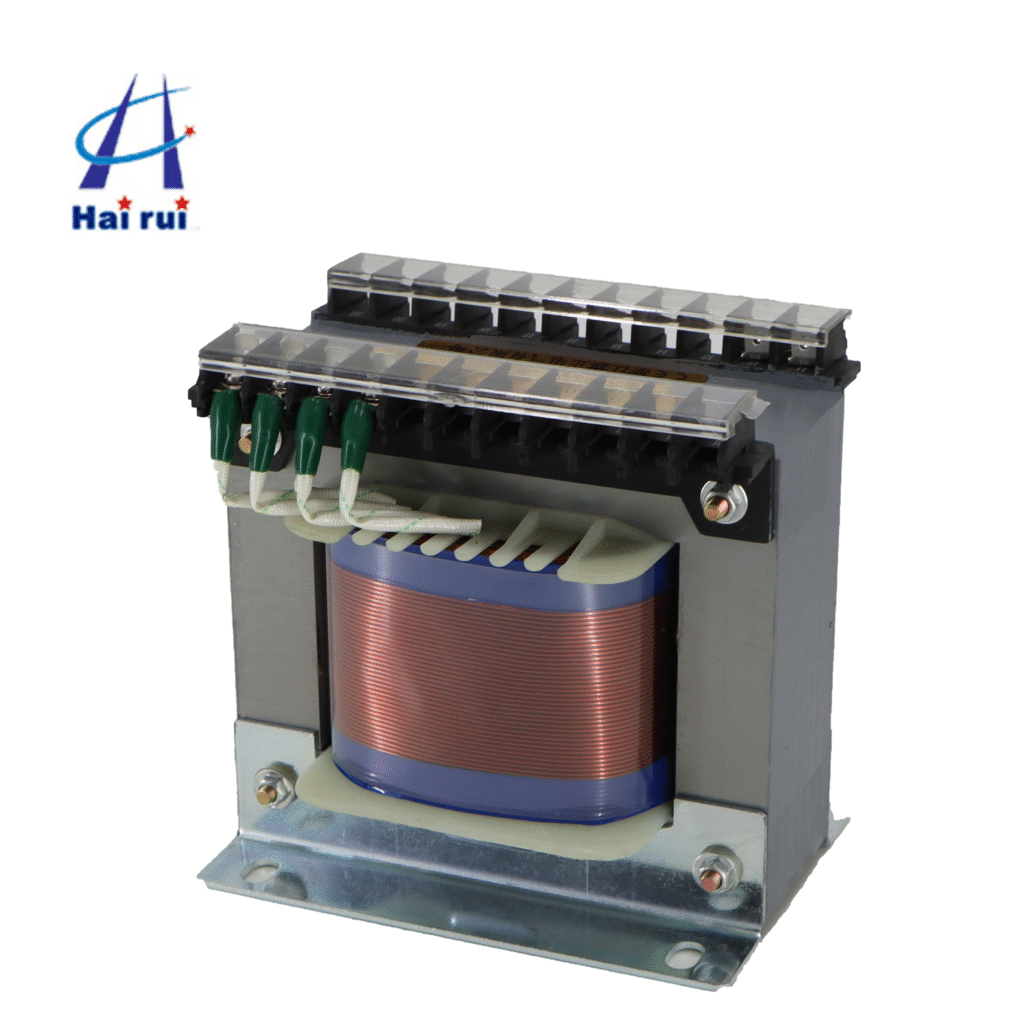
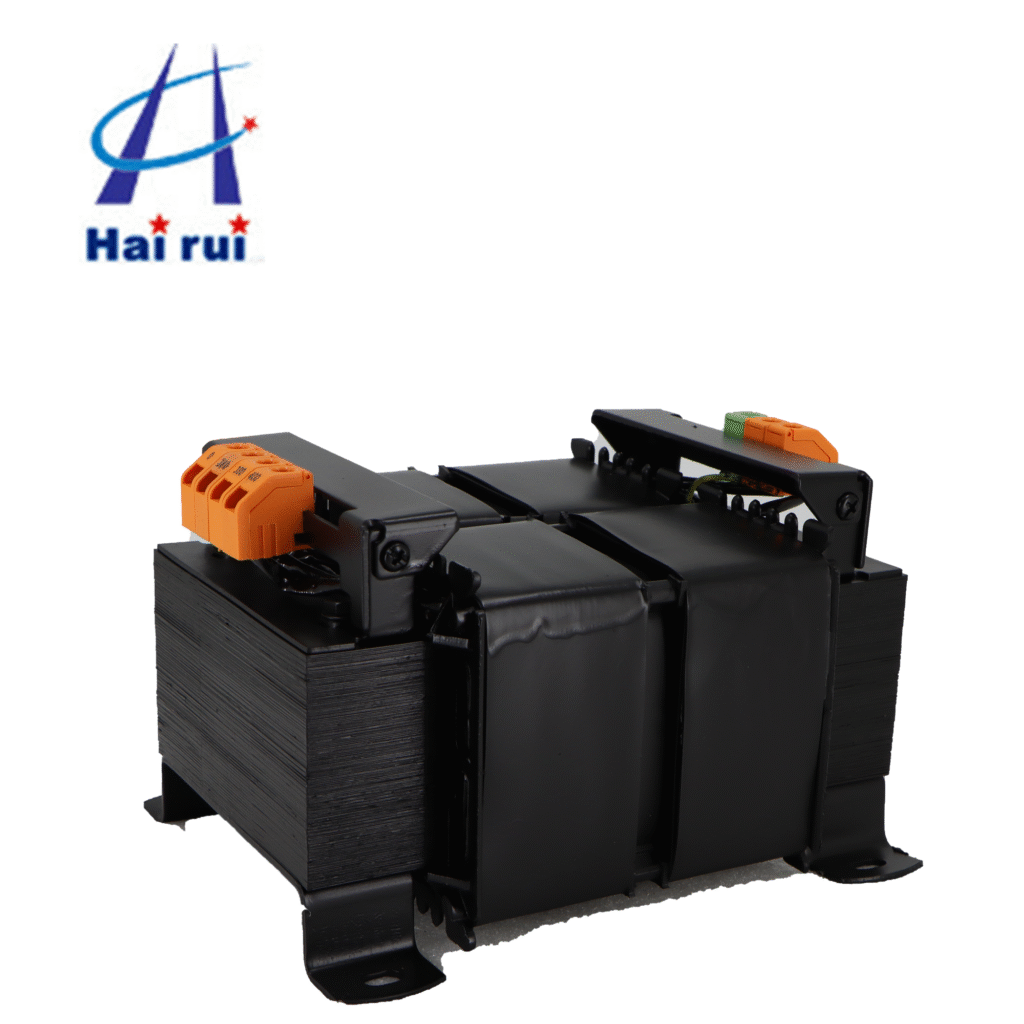
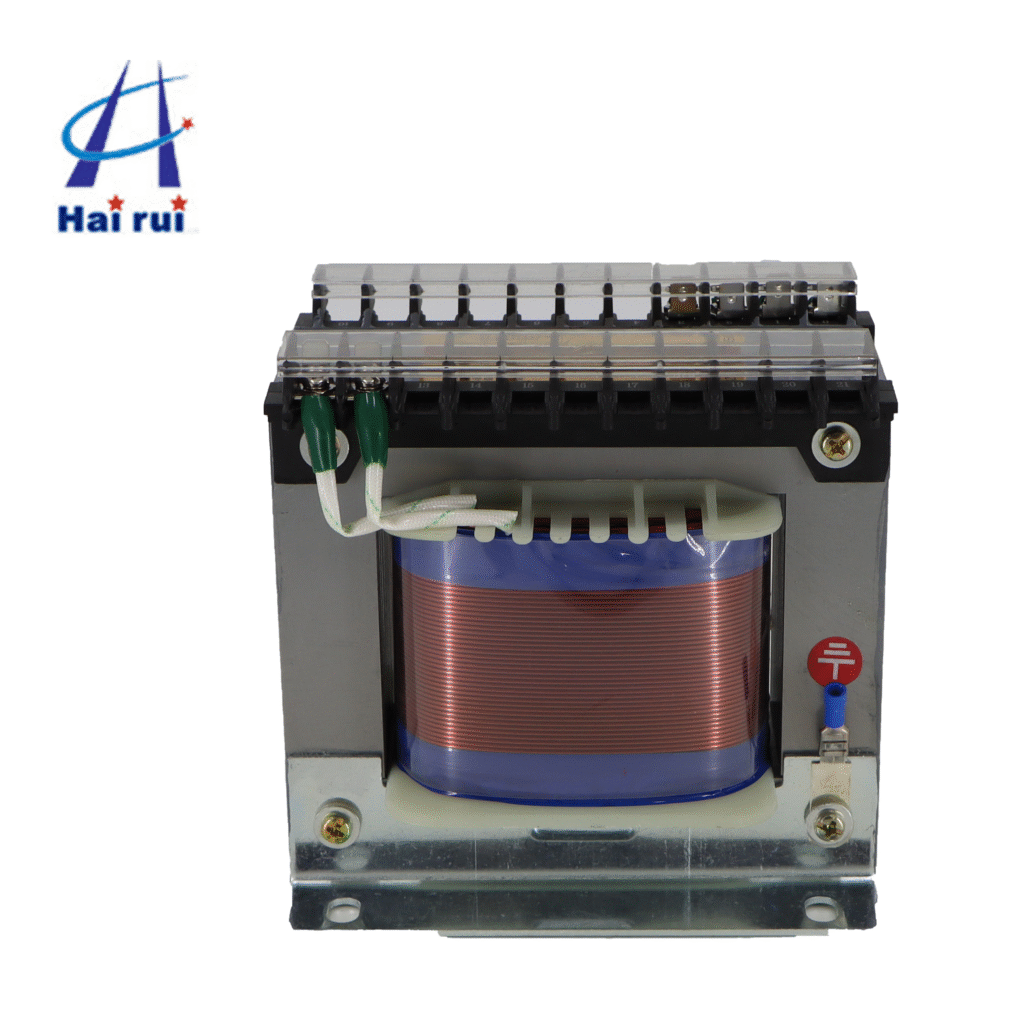
What makes JBK3 special is that it follows international and Chinese standards such as IEC 60204‑1, VDE 0550, GB 5226.1, and is built to be compact, easy to mount, and easy to wire. Most JBK3 models use a shell‑type EI core, multiple windings, and terminal blocks that support both press‑fit and plug‑in connection methods. This design helps reduce accidental contact, keeps the wiring tidy, and makes it easier for panel builders to assemble and service control cabinets.
In practice, many electrical wholesalers and OEMs treat JBK3 as a “standard” control transformer for machine tools, CNC equipment, and general industrial controls. If you buy a JBK3 control transformer today, you will usually get a product that is interchangeable with many European and North American control‑transformer series, as long as you match the VA rating, input voltage, and output voltage.
How a general control transformer is different
A “general control transformer” is a broader category. It can be any low‑voltage control‑power transformer used to supply control circuits, lighting, and signaling, without the strict form‑factor or terminal design of JBK3. Some general control transformers are custom‑wound, non‑standardized, or even rebuilt units with unclear efficiency and safety performance.
Key differences you will see in real projects include:
Standardization: JBK3 is a defined series with fixed packages, mounting holes, and terminal layouts. General control transformers may have different footprints, different core types, and different terminal arrangements.
Input/output options: JBK3 models are designed with multiple primary‑voltage taps (for example 220 V / 380 V / 440 V) and common secondary outputs such as 6–24–110 V, 36–110 V, or 220 V. A general control transformer may only support one fixed input‑output pair.
Safety and protection: JBK3 transformers are built with dedicated terminals and protection against accidental touch, because they are intended for machine‑tool panels where space is tight and maintenance is frequent. Some generic control transformers sacrifice this protection for lower cost.
Certification and interchangeability: JBK3‑series units are often CE‑marked, UL‑listed, or otherwise certified, making them easier to export and integrate into international machinery. A generic control transformer may not meet the same standards.
If you are a panel builder or OEM, you care about these points because they affect reliability, safety, and replacement logistics. A JBK3 control transformer is usually the safer “default” choice for a standard industrial control panel.
How to select the right JBK3 control transformer
Now let’s move from theory to practice. When you actually sit down to choose a JBK3 control transformer, you face three main questions:
VA rating: How much load will this transformer feed?
Input voltage: What is your line‑side voltage (220 V, 380 V, 440 V, etc.)?
Output voltages: Which control‑circuit voltages do you need (24 V AC, 110 V AC, 220 V AC, etc.)?
For a typical machine‑tool panel, the most common JBK3 models are:
JBK3‑40, JBK3‑63 for small signal and lamp circuits
JBK3‑100, JBK3‑160 for mid‑size control panels with several relays and small contactors
JBK3‑250, JBK3‑400, JBK3‑630 for larger CNC machines or PLC‑based systems with multiple outputs
Here is a simple way to choose the VA rating:
Add up the rated power of all loads fed by the transformer: relay coils, contactor coils, PLC inputs, pilot lamps, and any small local lighting. Then apply a safety margin of about 20–30%. For example, if your total load is 180 VA, you should choose JBK3‑250VA, not JBK3‑160VA.
Below is a small reference table you can use as a quick selection guide:
Total control load (VA)
Recommended JBK3 model
Typical use case
0–50 VA
JBK3‑40VA
Small signal panels, pilot lamps
51–100 VA
JBK3‑63VA, JBK3‑100VA
Small machine tools, basic relays
101–200 VA
JBK3‑160VA
Medium‑size control panels
201–350 VA
JBK3‑250VA
CNC machines, PLC + relays
351–550 VA
JBK3‑400VA
Complex automation panels
551–800 VA
JBK3‑630VA, JBK3‑800VA
Large industrial machines
801–1600 VA
JBK3‑1000VA–1600VA
High‑power control systems
When you talk to a supplier, you can express this as a B2B keyword such as “JBK3‑250VA control transformer 220V 24V” or “JBK3‑400VA machine tool control transformer 380/24 V.” This makes it easier for them to quote the exact model and avoid confusion.
If you want, you can send me your project specs I’ll help you pick the right industrial JBK3 control transformer model and quantity.
How to wire a JBK3 control transformer on the panel
Now comes the part many buyers and engineers actually worry about: how to wire it correctly.
Most JBK3 transformers have clearly labeled terminals for primary and secondary sides, plus a dedicated grounding terminal. Here is a practical sequence you can follow:
Mount the transformer in the control panel using the standard bolt‑hole pattern (for example 4.8×9 mm or 5.8×11 mm for smaller models). Make sure the core is securely fastened and the transformer is not loose when the machine vibrates.
Identify the primary and secondary terminals. On a typical JBK3‑250VA unit, you will see something like:
Primary: 220 V / 380 V (or 440 V) with multiple taps
Secondary: 6–24–110 V, 36–110 V, 220 V, etc.
Connect the line input. If your mains voltage is 380 V AC, connect the appropriate primary‑voltage tap (for example terminals 380 V and N) to the main power source. Tighten the terminal screws properly, but do not over‑tighten and damage the copper wire.
Connect the grounding terminal. Use a dedicated green/yellow wire to connect the transformer’s grounding lug to the cabinet ground rail. This is important for safety and noise reduction.
Wire the secondary outputs. For example, if you need 24 V AC for relays and PLC inputs, connect the 24 V output terminals to the control circuit. You can also use 220 V AC for indicator lamps or local lighting on the same transformer, as long as the total VA load stays within the transformer’s rating.
Check continuity and polarity. Before energizing, use a multimeter to verify that there is no short circuit on the secondary side and that the wiring matches the schematic.
If you ever see a junior panel builder trying to use a JBK3‑40VA transformer for a 630‑VA load, you now have the data to stop them and ask for a JBK3‑400VA or JBK3‑630VA instead. This is one of the most common mistakes that lead to transformer overheating and early failure.
When to choose JBK3, and when a general control transformer is enough
So when should you insist on a JBK3 control transformer, and when is a “general control transformer” acceptable?
In most industrial automation and machine‑tool projects, JBK3 is the better choice. It gives you:
Standardized dimensions and mounting holes
Clear, protected terminal blocks
Multiple input and output options
Compliance with IEC and national safety standards
A general control transformer may be acceptable only in very simple, low‑risk applications where:
The load is small and stable
The environment is clean and dry
There is no plan to export the machine or integrate it with international standards
Even in those cases, using a JBK3‑series transformer often pays off in the long run because replacement parts are easier to find and spare parts management is simpler.
How to match JBK3 to your control‑circuit design
Here is a quick checklist you can use when designing a new control panel:
Check the line voltage at the machine’s main power terminals. Is it 220 V, 380 V, 440 V, or something else?
List every control‑circuit load and its rated power in VA. Do not ignore small pilot lamps or indicator LEDs that still draw a few VA.
Select the nearest higher JBK3 VA rating with the correct input voltage and output voltage combination. For example, if you need 220 V primary and 24 V / 110 V secondary, choose a JBK3‑250VA or JBK3‑400VA with that configuration.
Verify mechanical fit. Cross‑check the transformer’s dimensions (L×W×H) and mounting‑hole pattern with your panel layout. JBK3‑250VA, JBK3‑400VA, and JBK3‑630VA each have fixed dimensions that you can find in the datasheet.
Plan for thermal clearance. Place the JBK3 transformer where there is enough air space around it, and avoid stacking it directly on top of heat‑producing components.
If you ever need custom wiring, many JBK3 manufacturers will offer customized windings, such as “220 V to 110 V” or “380 V to 24 V” configurations. In that case, you can ask for a customized JBK3 control transformer 220/110 V with the exact VA rating you need.
If you are a procurement professional or an automation engineer, the real value of a JBK3 control transformer is not just in the voltage it steps down. It is in the standardized design, safety features, and long‑term serviceability it offers across hundreds of machines and control panels.
By choosing the right JBK3 model, wiring it correctly, and matching it to your actual VA load, you reduce the risk of overheating, nuisance outages, and field failures. You also make it easier for your maintenance team to replace a transformer quickly, without redesigning the entire control‑circuit layout.
If you are still unsure which JBK3 control transformer fits your project, feel free to share your line voltage, expected load in VA, and preferred output voltages, and a supplier can help you pick the exact model. For many buyers, a simple message like “I need a JBK3‑400VA control transformer 380 V to 24 V” is enough to get a fast, accurate quote.
If you want, you can send me your project specs I’ll help you pick the right industrial control transformer model and quantity.
What is the difference between JBK3 and JBK5 control transformers?
JBK3 is an earlier, widely used machine‑tool control transformer series. JBK5 builds on the JBK3 design and improves the terminal structure and protection level, making it more compatible with modern European and North American standards. If you already have JBK3 spare parts in stock, you may keep using JBK3; if you are designing a new export machine, JBK5 can be a better long‑term choice.
Can I replace a JBK4 control transformer with a JBK3 control transformer?
In many cases, yes, as long as the VA rating, input voltage, output voltage, and mounting dimensions are the same. Always check the datasheet or ask your supplier to confirm interchangeability before swapping.
What is the typical efficiency of a JBK3 control transformer?
Most JBK3 units operate at an efficiency of around 90–95%, depending on load and design. They are not designed for maximum efficiency like large power transformers, but for reliability and safety in control circuits.
How do I quote a JBK3 control transformer to my customers?
Use clear, B2B‑friendly phrases such as “JBK3‑250VA control transformer 220/24 110 V,” “JBK3‑400VA machine tool control transformer 380/24 V,” or “wholesale JBK3 control transformer 220 V input.” These match real search terms and help you position the product correctly in negotiations.
In every industrial facility, behind the hum of machines and the glow of control panels lies a quiet hero — the standard control transformer. It doesn’t grab headlines or require much attention, but without it, the electrical systems that monitor, automate, and protect your operation simply wouldn’t function reliably. In this article, we’ll take a closer […]
In most industrial panels, a standard 480V to 120V control transformer is designed to provide a single 120V secondary for control power, not a 120/240V split‑phase system. You can only get 120/240V from it if the secondary is specifically wound and brought out as 120/240V (with a center tap), or if you add an additional […]
If you have ever specified a control panel, designed an automation cabinet, or sourced components for an industrial project, you have probably encountered control transformer — and perhaps underestimated how important that choice really is. A control transformer may look small compared to motors, drives, or PLCs, but it quietly determines whether your control system […]
We use cookies to enhance your browsing experience, serve personalised ads or content, and analyse our traffic. By clicking "Accept All", you consent to our use of cookies.