What is an Electrical Transformer? Master in 1 minute
Published: Author: Hairui Electric
Electrical transformer solutions sit at the heart of every modern power system, and for B2B buyers the right transformer often decides whether a project runs safely, efficiently, and profitably. In this blog, the focus stays squarely on practical, business-critical aspects of electrical transformers, from specification and types to applications, procurement tips, and FAQs tailored for OEMs, EPCs, utilities, and industrial end users.
What is an Electrical Transformer?
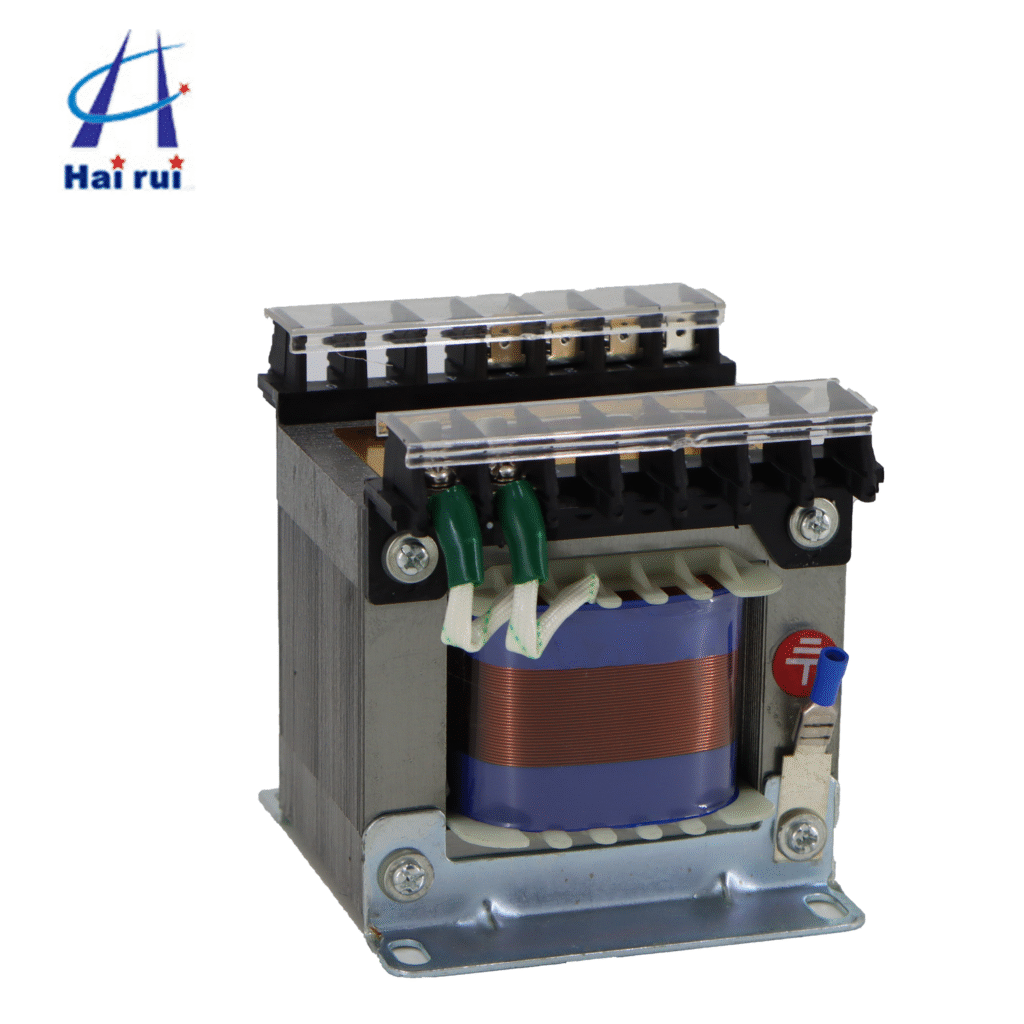
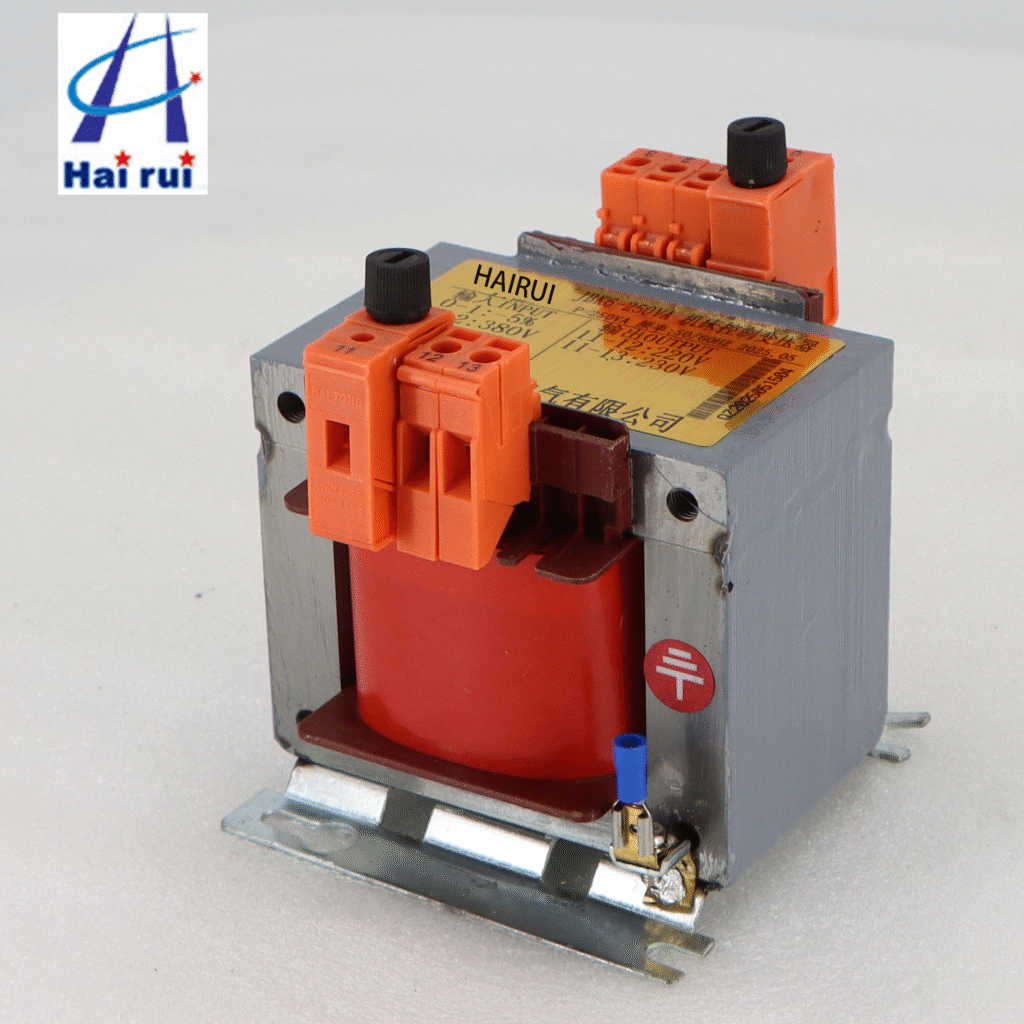
An electrical transformer JBK3 is a static device that transfers electrical energy between circuits through electromagnetic induction, usually to step voltage up or down without changing frequency. In power systems, transformers are indispensable for safe long‑distance transmission at high voltage and local distribution at usable voltage levels in plants, buildings, and infrastructure.
In B2B scenarios, transformers form the backbone of substation design, industrial power distribution, renewable energy integration, and backup power architectures. From medium‑voltage distribution transformers in factories to high‑voltage power transformers in grid substations, each unit is engineered to meet specific load profiles, environmental conditions, and regulatory standards.
Key Concept
Brief Explanation for B2B Buyers
Core function
Transfers power between circuits and changes voltage levels as required.
Main business value
Improves efficiency, safety, and controllability of power systems.
Typical B2B users
Utilities, EPC contractors, industrial plants, data centers, OEMs, and renewable developers.
Frequency behavior
Adjusts voltage level without changing AC frequency.
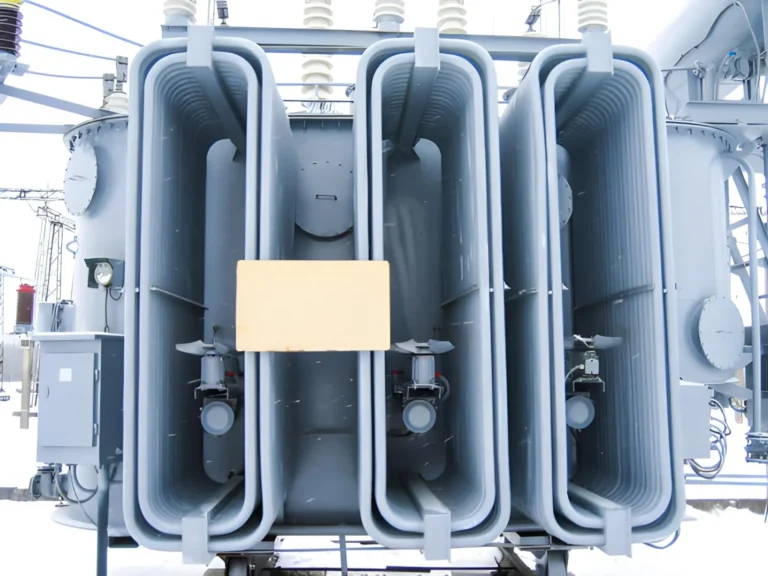
JBK3 Electrical Transformer
Main Types of Electrical Transformers
When someone says “electrical transformer,” it can mean many different designs optimized for different duties. Understanding the main categories helps B2B buyers narrow down specifications faster and communicate clearly with suppliers.
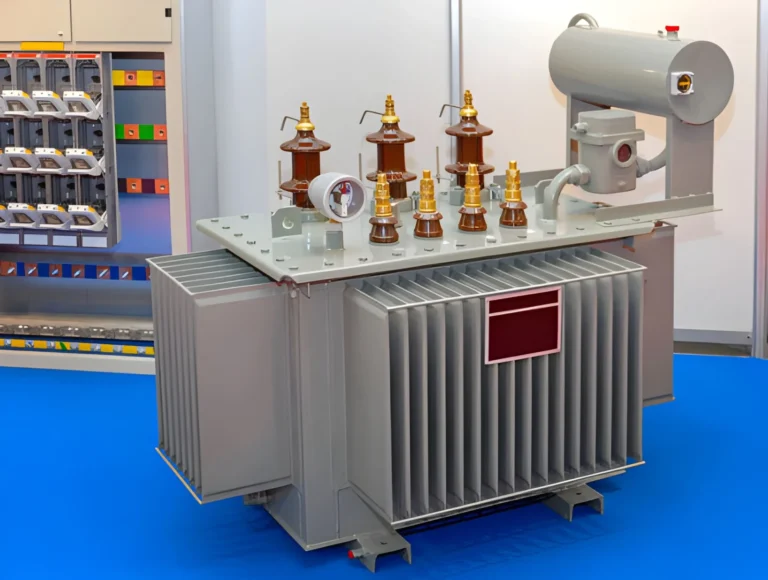
Power transformers JBK3 are usually installed in transmission networks where high voltages and large power ratings are required. Distribution transformers operate closer to end‑users, stepping down voltage for industrial, commercial, or residential loads. Instrument transformers, such as current transformers (CTs) and potential transformers (PTs), provide accurate, scaled‑down signals for metering and protection systems. Special‑purpose units, including furnace transformers, rectifier transformers, and isolation transformers, support high‑current, DC, or safety‑critical applications in industry and infrastructure.
Transformer Type
Typical Voltage Level
Common B2B Use Case
Power transformer
High voltage (e.g., ≥110 kV)
Transmission substations, power plants, grid interconnections.
Distribution transformer
Medium/low voltage
Industrial plants, commercial buildings, public distribution.
Instrument transformer
High primary, low secondary
Metering, protection, SCADA systems.
Furnace transformer
Low voltage, very high current
Steel mills, foundries, electric arc furnaces.
Rectifier transformer
AC input, DC output via rectifier
Electrolysis, DC drives, traction, HVDC front‑ends.
Isolation transformer
Same input/output voltage
Medical equipment, sensitive electronics, safety isolation.
Core Applications in Industrial and Utility Projects
For B2B customers, electrical transformer applications often align with clear project categories: grid, plant, building, and special systems. Each category has its own risk profile and technical focus.
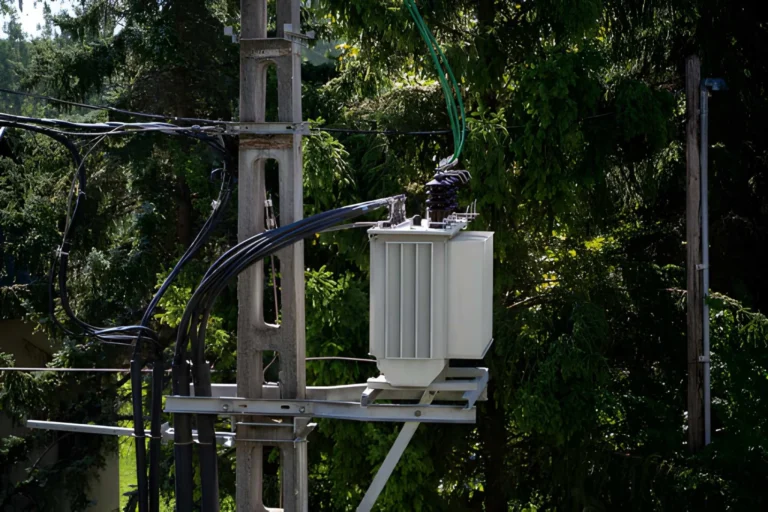
In electric power transmission and distribution, transformers step up voltage from generators for efficient long‑distance transmission, then step it down at receiving substations and local distribution substations. In utilities, “pole‑mounted distribution transformers” and “pad‑mounted transformers” are standard solutions for feeding residential and commercial loads. In industrial facilities, distribution and power transformers feed large motors, process lines, HVAC systems, and data centers while supporting selectivity in protection schemes.
Special applications extend into railway electrification, UPS and backup power systems, arc furnaces, and voltage stabilization systems. Instrument transformers ensure safe, accurate measurement of high voltage and current for protective relays and revenue‑grade meters, a key concern for utilities and large power users.
Application Area
Role of Electrical Transformer
Transmission substations
Step‑up/step‑down HV for long‑distance power flow.
Distribution networks
Deliver medium and low voltage safely to end‑users.
Industrial plants
Feed heavy loads, motors, and process lines with stable power.
Railway electrification
Reduce overhead line voltage to traction system levels.
UPS and backup systems
Match generator/UPS output to critical loads.
Measurement and protection
CTs and PTs supply scaled signals to meters and relays.
If your company designs or maintains such systems, partnering with a transformer manufacturer that understands each application’s constraints can dramatically reduce lifecycle risk.
Electrical Transformer Specifications That Matter
Selecting an electrical transformer is far more than just choosing kVA. B2B buyers need to balance rating, voltage, cooling, impedance, efficiency, and compliance requirements.
Rated power (kVA or MVA) must align with both present and anticipated future loads to avoid overloading or chronic under‑utilization. Primary and secondary voltage ratings must match the network configuration, including any tap changer range required for on‑load voltage regulation. Impedance influences short‑circuit levels and fault currents in the system, so it must be coordinated with switchgear ratings and protection settings. Efficiency and load loss/no‑load loss values directly impact operating cost, which is increasingly important in total cost of ownership calculations for utilities and large industrial users.
Environmental and mechanical parameters—such as insulation class, cooling method (oil‑immersed ONAN/ONAF or dry‑type), enclosure rating, noise level, and seismic performance—depend on location and safety regulations. Compliance with grid codes, efficiency regulations, and standards like IEC or IEEE is often mandatory in utility or EPC tenders.
Spec Item
Why It Matters for B2B Projects
Power rating (kVA/MVA)
Ensures transformer can handle peak and continuous load.
Voltage ratio & taps
Matches grid levels and allows voltage regulation.
Impedance
Controls fault currents and short‑circuit behavior.
Cooling & insulation
Affects size, location, maintenance, and fire safety.
Efficiency & losses
Drives long‑term operating cost and regulatory compliance.
Standards and certifications
Required for utility approval and project acceptance.
When you prepare your specification sheet or RFQ, including these parameters with clear tolerances will help suppliers respond faster and more accurately.
If you are currently preparing an RFQ or tender for Electrical Transformer, you are welcome to send project details and receive a tailored specification or quotation to accelerate your procurement process.
Emerging Trends: Smart and Energy‑Efficient Transformers
The world of electrical transformers is changing quickly due to digitalization, grid modernization, and renewable energy growth. These trends offer many new long‑tail keyword angles such as “smart distribution transformer,” “renewable‑ready transformer,” or “energy‑efficient transformer for microgrids.”
Smart transformers integrate sensors for temperature, moisture, gas‑in‑oil, and load monitoring, combined with communication interfaces for SCADA or cloud‑based asset management. Utilities and industrial users increasingly use these devices for condition‑based maintenance and predictive analytics. High‑efficiency transformers, often featuring improved core materials and optimized winding design, reduce energy losses and help utilities and large customers meet efficiency regulations and ESG objectives.
Renewable energy integration drives demand for transformers in solar farms, wind parks, and battery energy storage systems. These transformers often face fluctuating generation, bidirectional power flow, and harmonic content from inverters, so they need robust thermal and electrical design. In electric vehicle charging infrastructure, specialized transformers support fast charging stations and high‑power DC chargers.
Trend
Typical Transformer Feature or Use Case
Digital/smart monitoring
Online temperature, DGA, load data for asset management.
Energy efficiency
Low‑loss cores and windings, high efficiency ratings.
Transformers feeding fast‑charging and DC charging hubs.
If your business is planning solar plant expansion, EV infrastructure, or smart grid upgrades, discussing smart and renewable‑ready transformer options with suppliers is now standard practice.
Key Considerations for B2B Procurement
Buying an electrical transformer for a business project is a strategic decision, not just a one‑time purchase. A clear view of total cost of ownership, service support, and reliability is essential.
Start with lifecycle thinking: combine purchase price, installation cost, energy losses, maintenance, and expected service life. In many grid or industrial projects, energy losses over 20–30 years far exceed the initial purchase cost, so slightly higher‑priced high‑efficiency transformers can generate significant savings. Evaluate supplier experience in your specific application, quality control processes, test reports, and references from similar projects.
Logistics and installation are often underrated topics in tenders. Dimensions, weight, transport route, lifting points, and site access determine whether special transport or cranes are required. After‑sales support matters as well—availability of spare parts, on‑site service teams, testing, and emergency response times all influence risk exposure for critical facilities like data centers and hospitals.
Procurement Factor
Questions to Ask Your Transformer Supplier
Lifecycle cost
What are the guaranteed loss values and estimated energy cost over life?
Application experience
What similar projects have you supplied in this segment?
Quality and testing
Which type tests and routine tests are performed and documented?
Logistics and installation
How will transport, unloading, and placement be handled?
After‑sales and warranty
What is the standard warranty and service response time?
If you are currently preparing an RFQ or tender for electrical transformers, you are welcome to send project details and receive a tailored specification or quotation to accelerate your procurement process.
Practical Use Cases Across Industries
Different industries use electrical transformers in ways that reflect their operating priorities: uptime, safety, or precision. Exploring a few examples can spark ideas for optimization.
In steel and metal industries, furnace transformers feed electric arc furnaces with extremely high current at relatively low voltage, enabling efficient melting and refining processes. Chemical and electro‑refining plants rely on rectifier transformers for large DC supplies in electrolysis, plating, and other electrochemical processes. Data centers often deploy redundant dry‑type or cast‑resin transformers for critical IT loads, with strong emphasis on fire safety, low noise, and high efficiency.
Hospitals and medical facilities depend on isolation transformers to protect sensitive equipment and patients from leakage currents and disturbances. Rail systems use traction and auxiliary transformers to adapt grid power for trains and to power station loads. Renewable energy plants use generator step‑up transformers to connect solar inverters or wind turbines to the grid at higher voltages.
Industry/Segment
Typical Electrical Transformer Role
Steel and metals
Furnace transformers for arc furnaces and ladle refining.
Chemical/electrolysis
Rectifier transformers for large DC electrochemical processes.
Data centers
High‑efficiency distribution and isolation transformers.
Healthcare
Isolation transformers for medical rooms and equipment.
Rail and transport
Traction and auxiliary transformers for rolling stock and stations.
Renewable plants
Step‑up transformers for wind and solar grid connection.
Knowing where similar transformers are used can help in benchmarking performance and reliability expectations during negotiations.
Electrical transformer technology may seem mature, but the options and configurations available to B2B buyers have never been broader. If your organization is planning a new substation, industrial expansion, data center, or renewable energy project, sharing your technical requirements and timelines with a qualified transformer partner early can significantly reduce risk and cost throughout the project lifecycle.
FAQ
u003cstrongu003eHow do I choose between oil‑immersed and dry‑type electrical transformers?u003c/strongu003e
Oil‑immersed transformers typically support higher ratings, better cooling, and are common outdoors or in substations, while dry‑type units are favored indoors where fire safety and environmental concerns are critical. For B2B projects, the choice often depends on installation location, fire codes, load profile, and maintenance strategy, so including these constraints in your inquiry is essential.u003ca href=u0022https://www.iqsdirectory.com/articles/electric-transformer.htmlu0022 target=u0022_blanku0022 rel=u0022noreferrer noopeneru0022u003eu003c/au003e
u003cstrongu003eWhat is the typical lifespan of an electrical transformer in industrial service?u003c/strongu003e
Many power and distribution transformers are designed for service lives of 25–40 years, assuming proper loading, maintenance, and environmental conditions. High‑stress environments, frequent overloads, or poor ventilation can shorten life, which is why condition monitoring and regular testing are important for asset management.
u003cstrongu003eWhy are transformer efficiency and losses so important for my business case?u003c/strongu003e
Losses in electrical transformers convert purchased energy into heat, creating continuous operating cost over decades. For utilities, large industrial plants, or data centers, even a small improvement in efficiency can translate into significant savings and lower carbon emissions over the asset’s lifetime.
u003cstrongu003eCan one electrical transformer serve both existing loads and planned future expansion?u003c/strongu003e
es, many B2B buyers deliberately oversize transformers or define a capacity margin to accommodate growth, but oversizing too much can lead to poor efficiency at low load. A better approach is often to model realistic growth scenarios and consider modular solutions or additional units in parallel when expansion becomes concrete.
u003cstrongu003eWhat information should I include when requesting a transformer quotation?u003c/strongu003e
Key items include rated power, primary and secondary voltages, frequency, cooling type, vector group, tap changer requirements, installation environment, applicable standards, and any special testing or accessories. Providing a single‑line diagram and information about short‑circuit levels, harmonics, and duty cycle enables suppliers to optimize the design and quote more accurately.
Oil immersed transformers remain the default choice for utilities, EPC contractors, OEMs and industrial plants because they deliver high reliability, strong cooling performance and attractive total cost of ownership across medium‑ and high‑voltage projects. For B2B buyers under pressure to cut CAPEX and downtime risk, an oil immersed transformer is often the most dependable and […]
Wholesale oil immersed transformer are still the backbone of reliable medium‑ and low‑voltage power distribution for utilities, EPCs, and industrial end users worldwide. For B2B buyers, they remain a cost‑effective, mature and easily serviceable solution when compared with many newer technologies. wholesale oil immersed transformer Introduction A wholesale oil immersed transformer is a power or […]
An Electrical transformers is at the heart of every serious power project, and choosing the right transformer type can make or break your reliability, efficiency, and total cost of ownership. In this guide, the focus is on the main electrical transformer types B2B buyers care about, how they differ, and which options fit typical industrial, […]