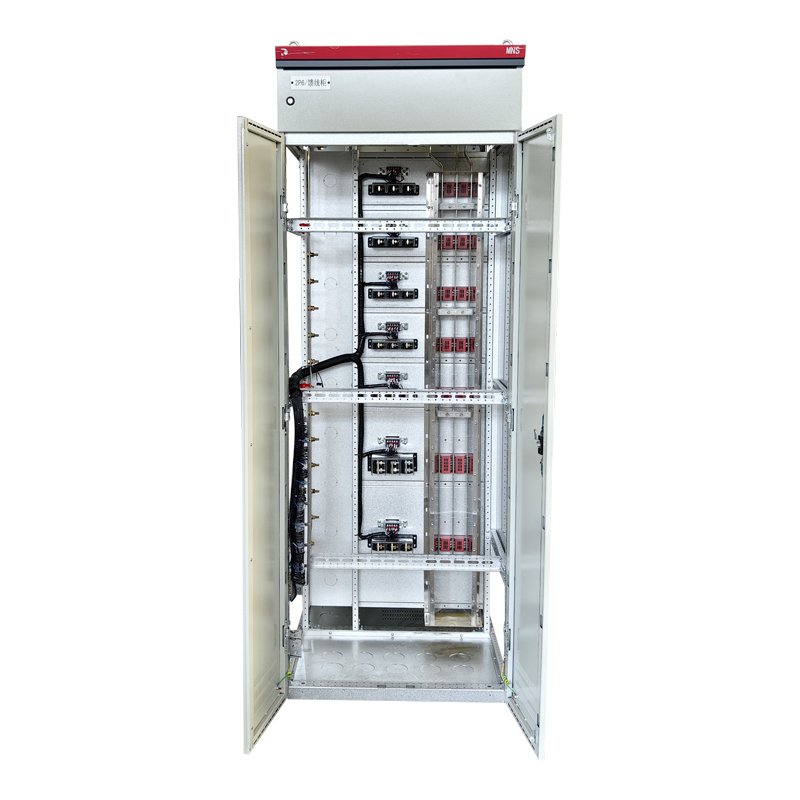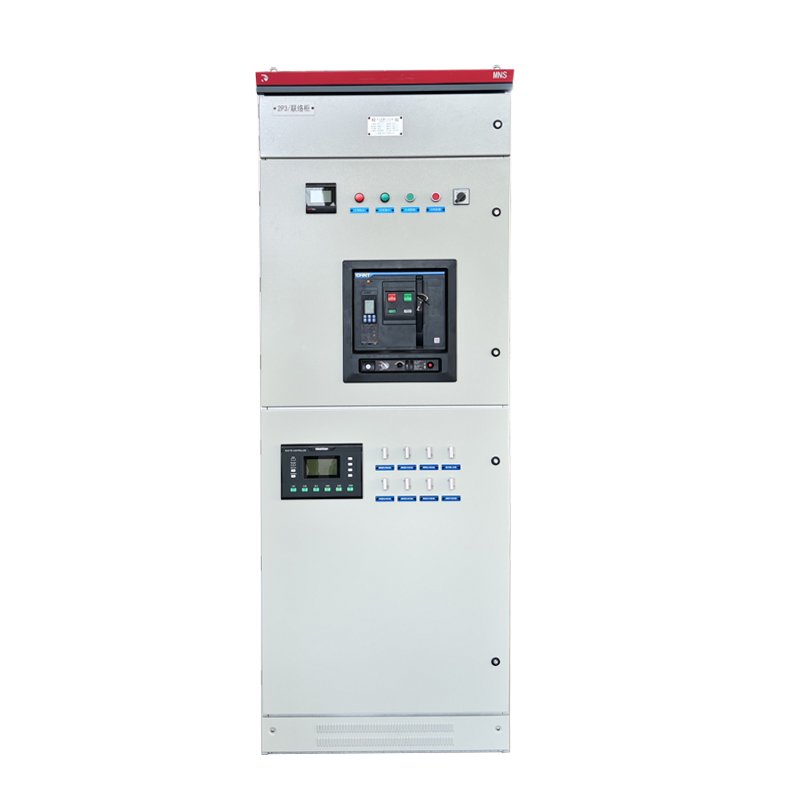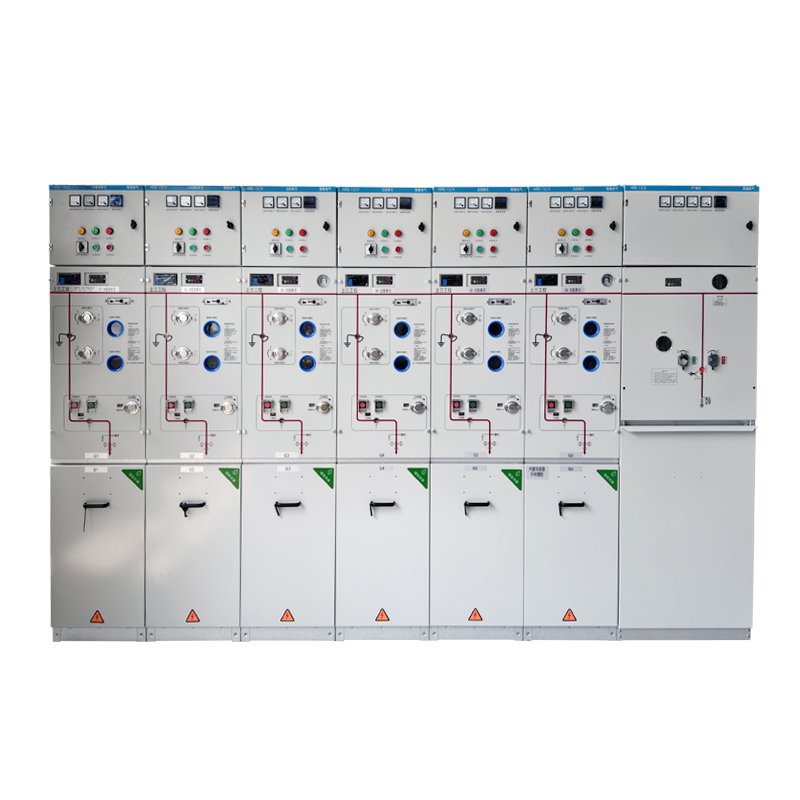
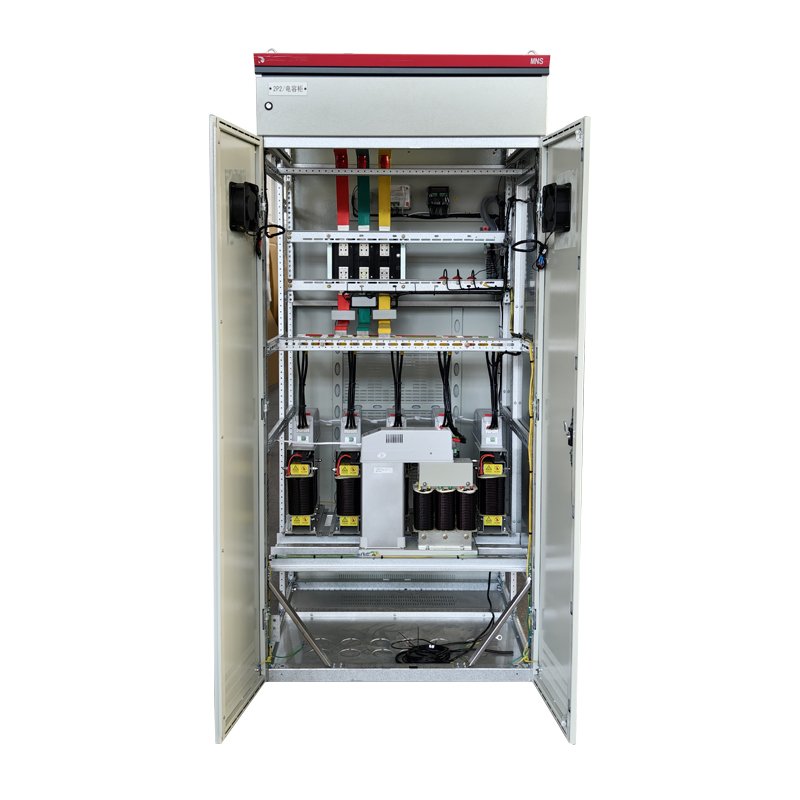
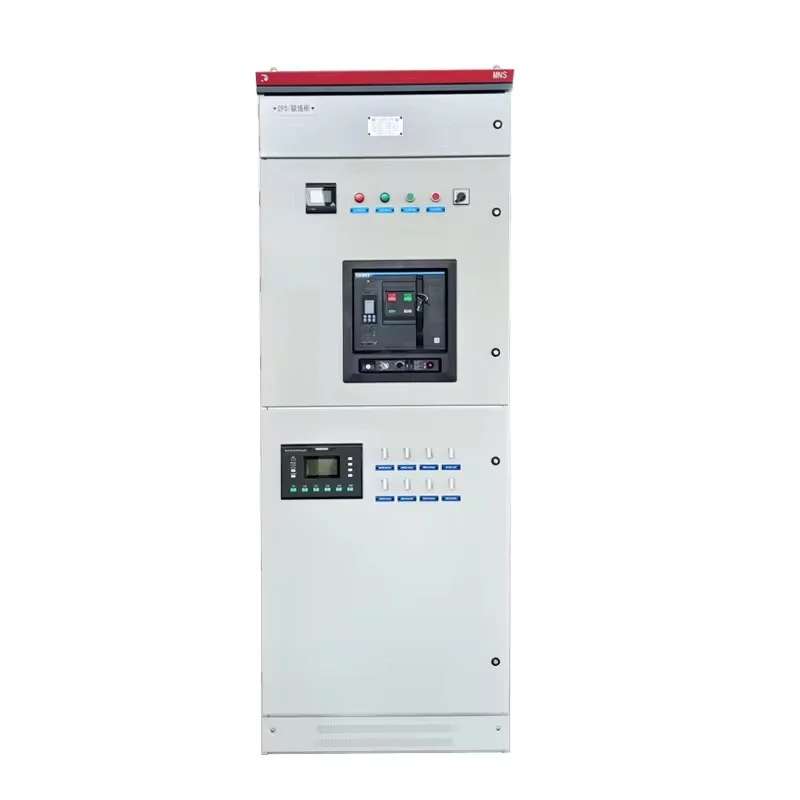
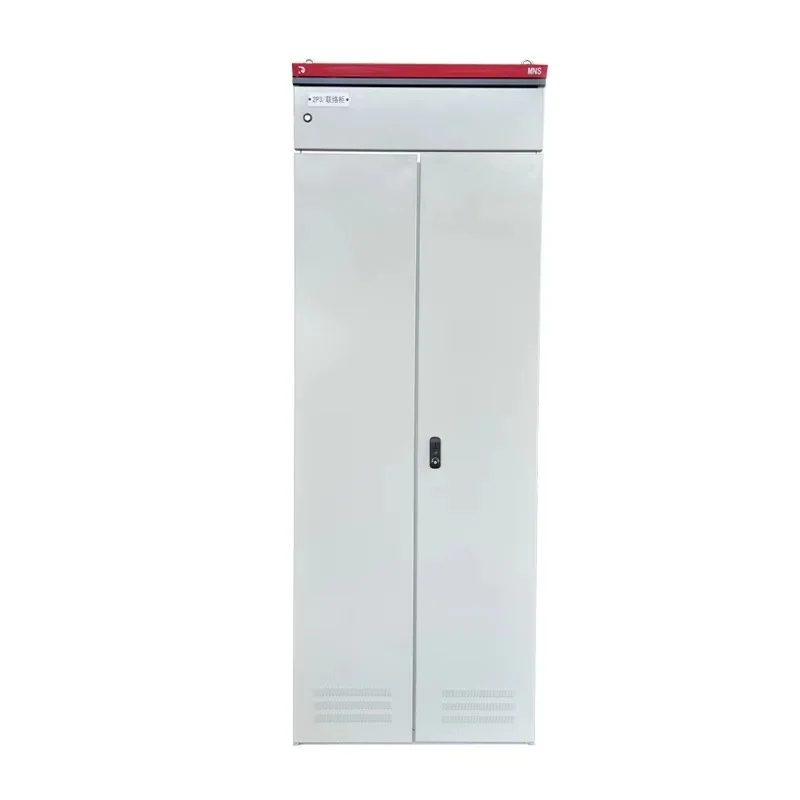
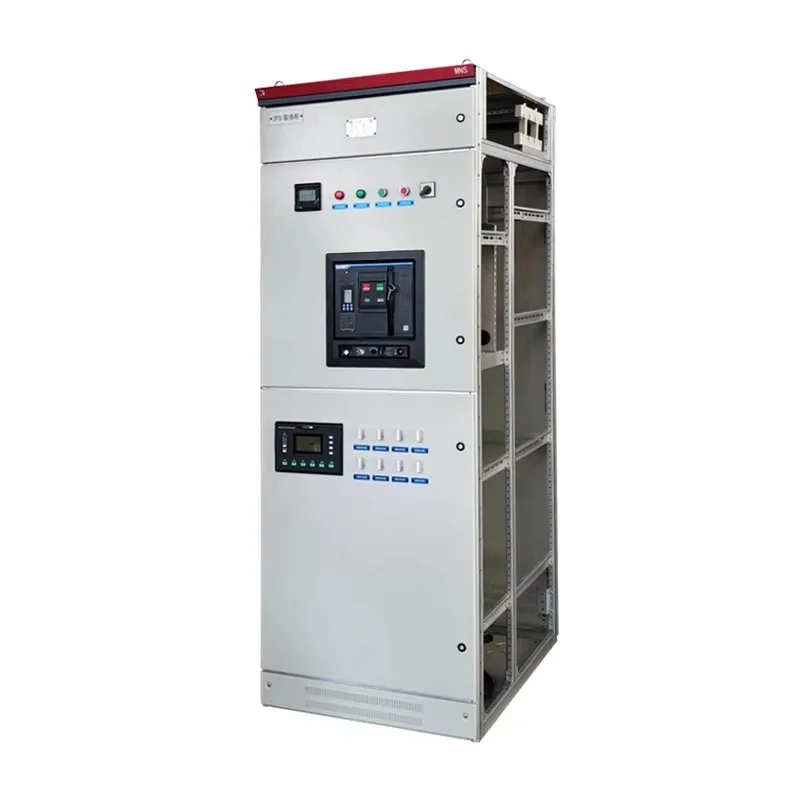
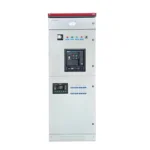
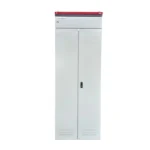
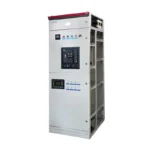
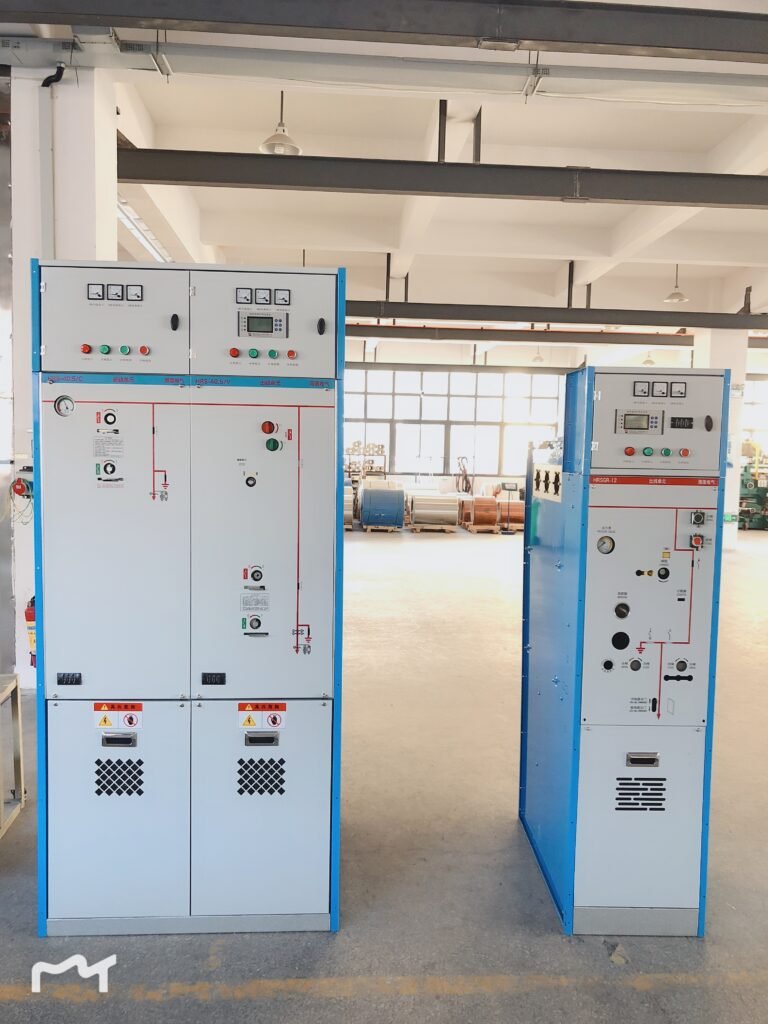
Power factor correction plays a vital role in reducing energy losses and improving voltage stability. The low voltage capacitor cabinet integrates high-quality capacitors, automatic controllers, and protection devices in a compact enclosure. By automatically switching capacitor banks, it ensures that reactive power is properly compensated, leading to optimized system efficiency, reduced line losses, and lower electricity costs. This makes the capacitor cabinet equipment indispensable for factories, office buildings, and public infrastructure.
Key Features
-
Automatic power factor correction with intelligent controllers.
-
Durable flame-retardant cabinet for safety and long service life.
-
High-quality capacitors with low dielectric loss and high reliability.
-
Compact modular design – easy installation and flexible capacity expansion.
-
Built-in protection systems against overvoltage, short circuit, and overheating.
-
Digital monitoring options to track power factor performance in real time.
Advantages
-
Energy savings – reduces reactive power charges and lowers electricity bills.
-
Improved voltage stability – ensures smooth operation of motors and sensitive devices.
-
Extended equipment lifespan – reduces stress on transformers, generators, and cables.
-
Low maintenance – intelligent switching ensures long-term reliability.
-
Scalable solutions – available in multiple capacities to fit different industries.
-
Compliance – designed according to IEC and CE standards for safe and efficient operation.
Applications
The low voltage capacitor cabinet equipment is widely used in:
-
Industrial facilities – steel plants, textile mills, cement factories, and chemical plants.
-
Commercial buildings – shopping malls, hotels, hospitals, and office towers.
-
Infrastructure projects – airports, railway stations, and data centers.
-
Renewable energy projects – solar and wind farms requiring reactive power balance.
-
Municipal utilities – power distribution networks and public lighting systems.
Installation & Maintenance
Installing a capacitor cabinet involves several steps:
-
Preparing a well-ventilated installation site with proper grounding.
-
Fixing the cabinet in place and connecting it to the low-voltage distribution busbar.
-
Configuring the automatic power factor controller.
-
Conducting protective relay and function testing before operation.
Maintenance is straightforward:
-
Periodic inspection of capacitors for swelling or leakage.
-
Checking protective devices and temperature sensors.
-
Cleaning dust and ensuring ventilation paths remain clear.
-
Regular testing of the controller and switching components.
How to Choose the Right Capacitor Cabinet
When selecting low voltage capacitor cabinet equipment, consider:
-
Reactive power demand of your system.
-
Rated voltage and current capacity.
-
Type of load – industrial motors, commercial systems, or mixed loads.
-
Controller type – manual or automatic with digital monitoring.
-
Expansion requirements – modular cabinets allow future upgrades.
-
Certifications – ensure compliance with IEC, CE, and ISO standards.
FAQ
What is a low voltage capacitor cabinet used for?
It improves power factor, reduces losses, and lowers electricity costs by compensating reactive power.
Is this equipment suitable for both industrial and commercial use?
Yes, it is widely applied in factories, offices, hospitals, and large-scale buildings.
Does it require regular maintenance?
Only periodic inspections and cleaning are needed; most systems are largely maintenance-free.
How does it help reduce costs?
By correcting power factor, it eliminates penalties from utilities and reduces transformer loading.
Can the cabinet be customized?
Yes, modular designs allow different capacities and control options to match customer needs.
Request a Quote Now
Our team will get back to you within 24 hours.