An Electrical transformers is at the heart of every serious power project, and choosing the right transformer type can make or break your reliability, efficiency, and total cost of ownership. In this guide, the focus is on the main electrical transformer types B2B buyers care about, how they differ, and which options fit typical industrial, commercial, and utility scenarios. If you are planning a substation upgrade, building a new plant, or configuring an OEM power package, this overview will help you shortlist the right transformer type—and you can always send your specification to our team for a tailored quotation.
Electrical Transformers Basics
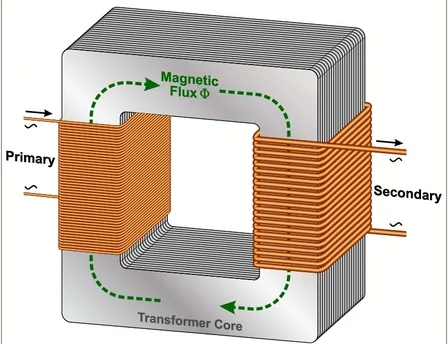
An electrical transformers is a static device that transfers electrical energy between two or more windings through electromagnetic induction while changing voltage and current levels without altering frequency. In power systems, electrical transformers step up voltage for efficient transmission and step it down again for safe distribution and end‑use loads.
Typical B2B use cases include utility power transformers in transmission substations, distribution transformers on poles or pad‑mounted near consumers, and dry type transformers in commercial buildings and data centers. Understanding these categories is the foundation for selecting the right product family for your project.
Electrical transformers are commonly classified in three practical ways for engineering and procurement teams:
By function in the grid: power transformer, distribution transformer, instrument transformer.
By insulation and cooling: oil‑immersed transformer vs dry type transformer.
By phase and construction: single‑phase, three‑phase, autotransformer, isolation transformer, etc.
For B2B buyers, combining these dimensions (for example “oil‑immersed three‑phase power transformer”) is how you reach a realistic product specification.
Power transformer vs distribution transformer
Power transformers and distribution transformers sit at different points of the power chain and are optimized for different load profiles and voltage levels.
Feature / Aspect
Power transformer
Distribution transformer
Typical voltage level
High transmission voltages, often above 33 kV and up to hundreds of kV.
Medium and low voltages, stepping down from substation to utilization levels.
Power rating
Usually above 200 MVA, designed for bulk power transfer.
Typically below 200 MVA, from a few kVA up to tens of MVA.
Load profile
Operates near full load with relatively stable loading.
Experiences wide daily load swings, often designed for 50–70% typical loading.
Efficiency focus
Maximum efficiency at or near full load, minimizing copper (load) losses.
Maximum all‑day efficiency, minimizing no‑load (core) losses.
Location
Transmission and generation substations, intertie points.
Near end users: pole‑mounted, pad‑mounted, kiosk or compact substation.
Cost & size
Larger, more complex, higher initial cost.
Smaller, simpler construction, lower unit cost, mass‑produced.
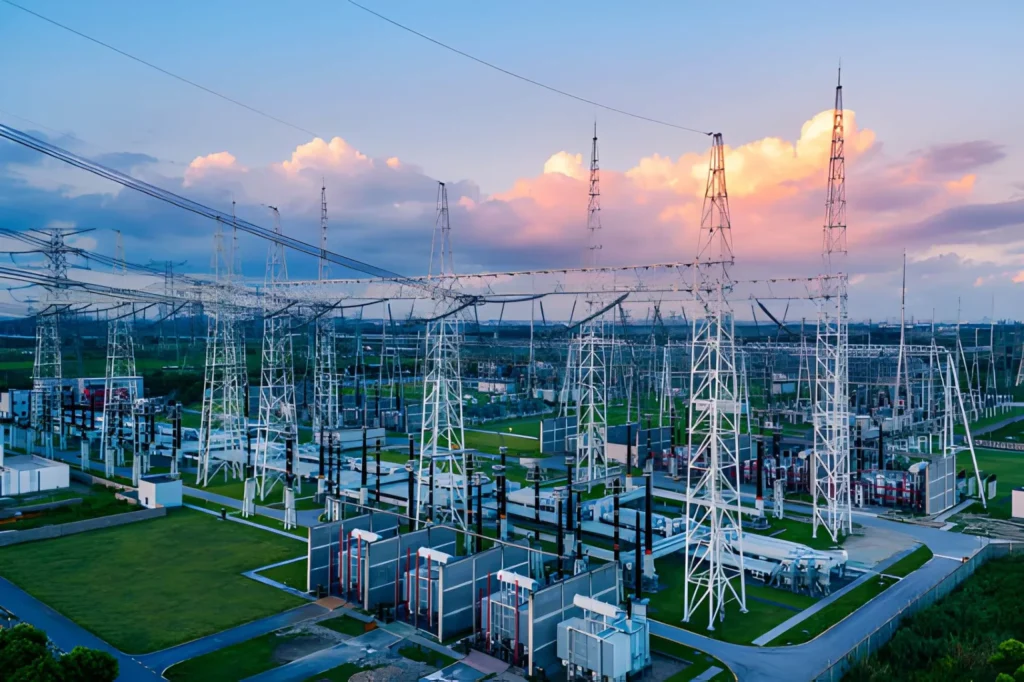
For a utility transmission project, the electrical transformers you need at the substation is almost always a high‑voltage power transformer. For industrial parks, commercial campuses, and OEM equipment, the focus is usually on distribution transformers that safely step down to 11 kV, 6 kV, 400/230 V, or similar utilization levels.
If you are not sure whether your project requires a “power transformer” or a “distribution transformer,” share your one‑line diagram and load list and a vendor can quickly recommend the right category and rating.
Oil‑immersed vs dry type transformers
One of the most important electrical transformers decisions for B2B customers is choosing between oil‑immersed and dry type designs.
Aspect
Oil‑immersed transformer
Dry type transformer
Cooling medium
Liquid insulating oil (mineral or synthetic) circulates around core and windings.
Air (natural or forced) around resin‑cast or open windings.
Load & capacity
Better overload capability and supports higher power and voltage levels.
Generally used for lower to medium power ratings and lower voltage levels.
Efficiency
Higher cooling efficiency and typically higher energy efficiency.
Slightly lower efficiency, especially at higher ratings.
Fire & environment
Requires fire safety measures and oil containment, risk of leaks.
No liquid oil, better fire safety and environmental profile.
Typical locations
Outdoor substations, utility networks, heavy industrial plants.
Indoors in buildings, hospitals, data centers, high‑rise projects.
Initial vs lifetime cost
Lower purchase cost per kVA but needs more maintenance.
Higher purchase cost per kVA but simpler maintenance.
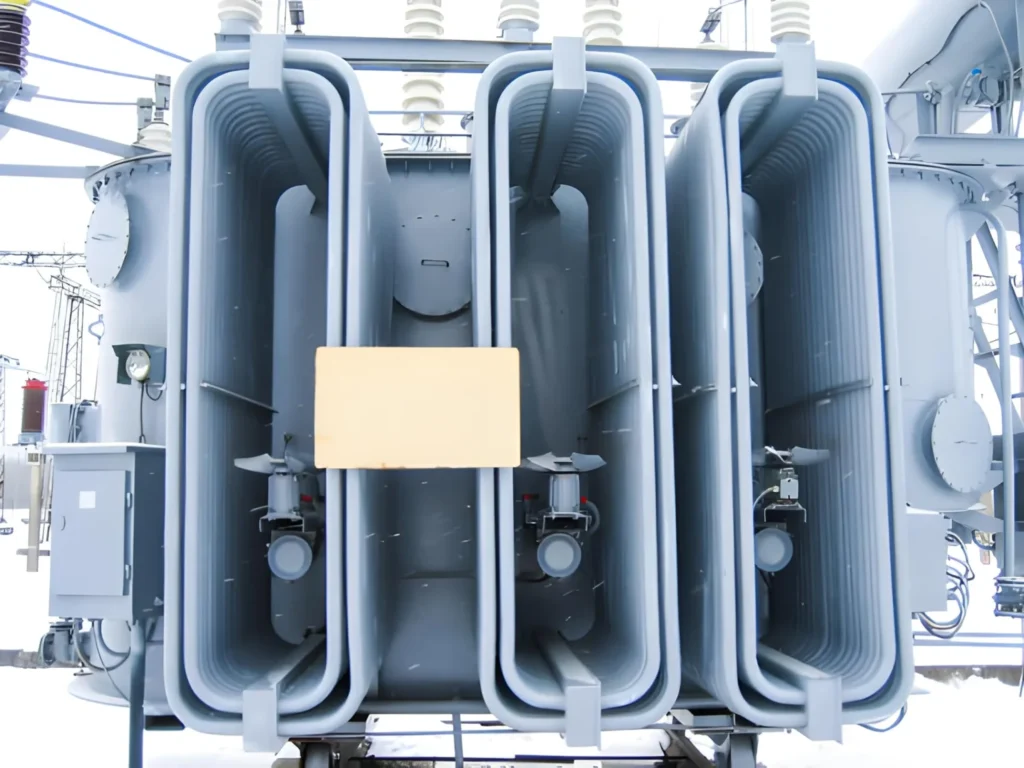
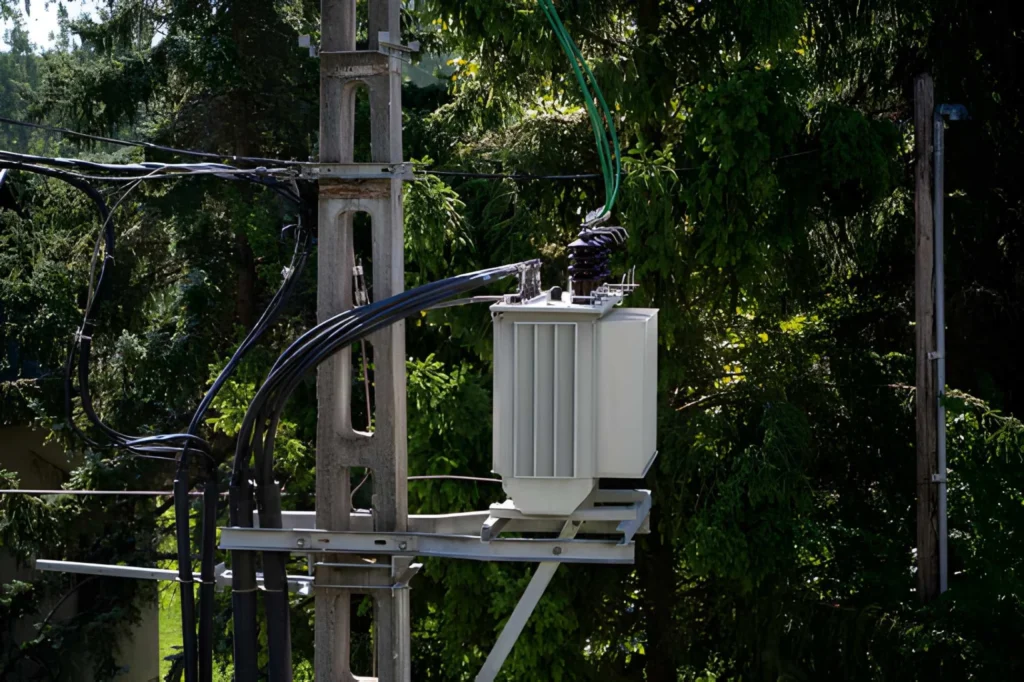
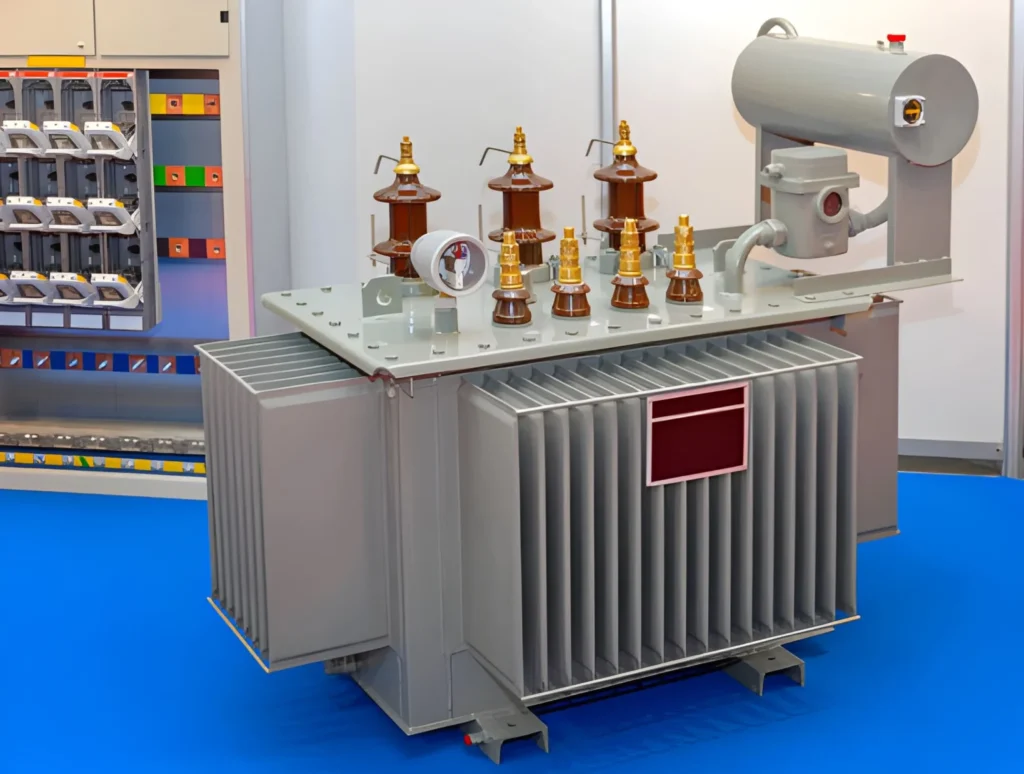
Oil‑filled electrical transformers are still the dominant choice for high‑power outdoor applications because of their excellent cooling and high efficiency. However, dry type transformers are strongly preferred in fire‑sensitive or indoor environments, even if the upfront cost is higher.
When you prepare a transformer RFQ, clearly stating “oil‑immersed” or “dry type” in the specification helps suppliers size the cooling system, insulation class, and enclosure properly.
If you are currently preparing an RFQ or tender for Electrical Transformer, you are welcome to send project details and receive a tailored specification or quotation to accelerate your procurement process.
From a functional point of view, electrical transformers can be grouped as step‑up, step‑down, and isolation units.
Type
Main function
Typical B2B application
Step‑up transformer
Increases voltage from lower to higher level.
Generator step‑up transformers in power plants, renewable energy interconnection, transmission entry points.
Step‑down transformer
Reduces voltage from higher to lower level.
Distribution networks, plant substations, machinery supply, commercial building LV systems.
Isolation transformer
Keeps input and output at same voltage but provides galvanic isolation.
Sensitive equipment protection, noise reduction, medical equipment, control circuits, marine and offshore systems.
In large‑scale projects, the same electrical transformer can be described both by function and by location, such as “132/33 kV step‑down distribution transformer” or “11/0.4 kV isolation transformer for critical loads.” Specifying voltage ratio, insulation level, basic impulse level (BIL), and vector group lets manufacturers engineer the right product for your system.
If you are consolidating multiple supply voltages in an industrial plant, a mix of main step‑down transformers and smaller isolation transformers can improve both power quality and safety.
Single‑phase vs three‑phase transformers
Phase configuration is another key attribute of an electrical transformers, especially for grid‑connected and industrial loads.
Feature
Single‑phase transformer
Three‑phase transformer
Phase system
One phase, one pair of windings on a core.
Three pairs of windings (or three cores) with 120° phase displacement.
Typical ratings
Common from a few VA to tens or hundreds of kVA.
Used for higher power ratings, from tens of kVA to hundreds of MVA.
Applications
Rural distribution, small commercial loads, electronics, lighting, residential services.
Industrial plants, large commercial buildings, transmission and distribution substations.
Construction
One core and winding set, simpler and cheaper per unit.
Can be a single three‑phase unit or bank of three single‑phase units.
Three‑phase electrical transformers are standard wherever high power and rotating machinery are involved because they support balanced three‑phase loads like motors and large drives. Single‑phase units still play a critical role in low‑power circuits, lighting, control, and in rural distribution networks where three‑phase lines are not economical.
For many utilities, using a bank of three single‑phase transformers instead of one three‑phase transformer can simplify logistics and replacement, although it may increase installation space. This is an important consideration in long‑term asset management strategy and stocking plans.
Core and special transformer types
Beyond functional and cooling classifications, the electrical transformers market also includes specialized core types and configurations for specific technical needs.
Control power flow between parallel lines and interconnect asynchronous or weakly synchronized networks.
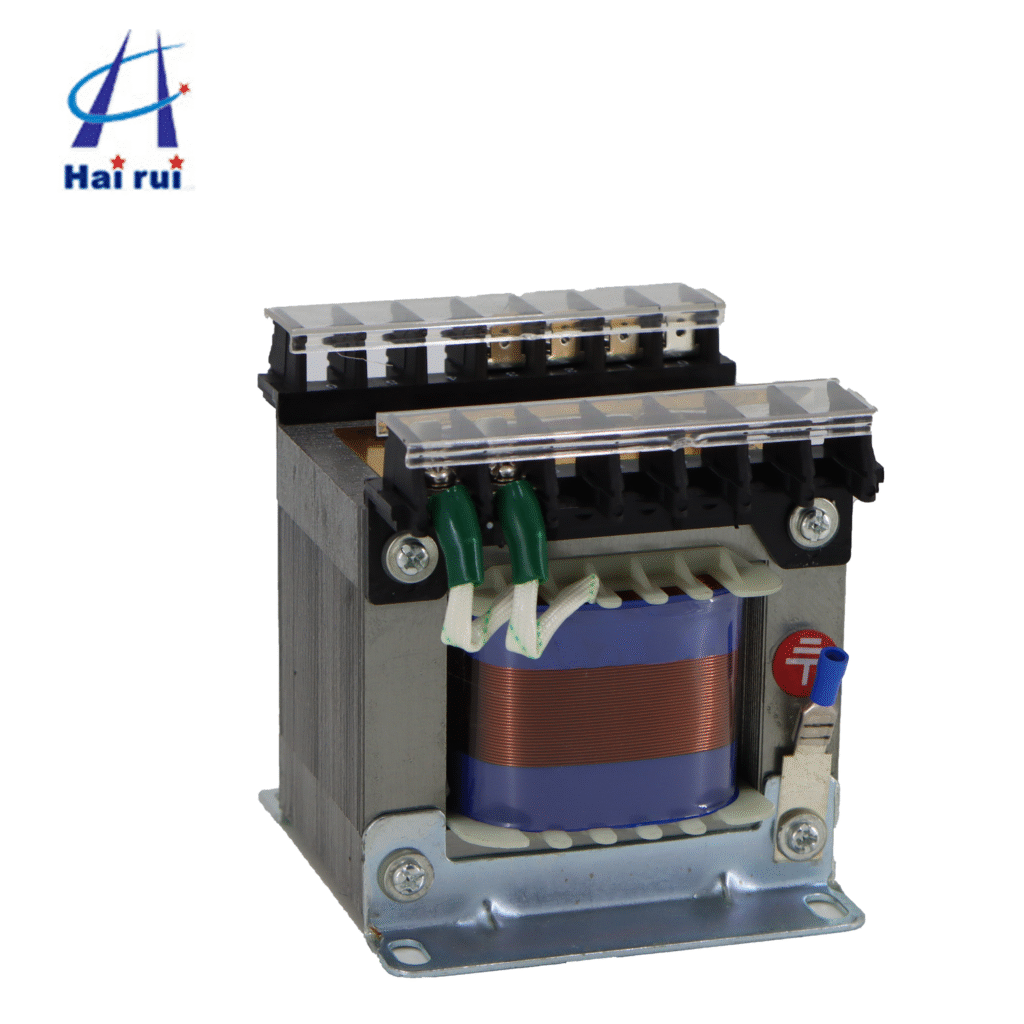
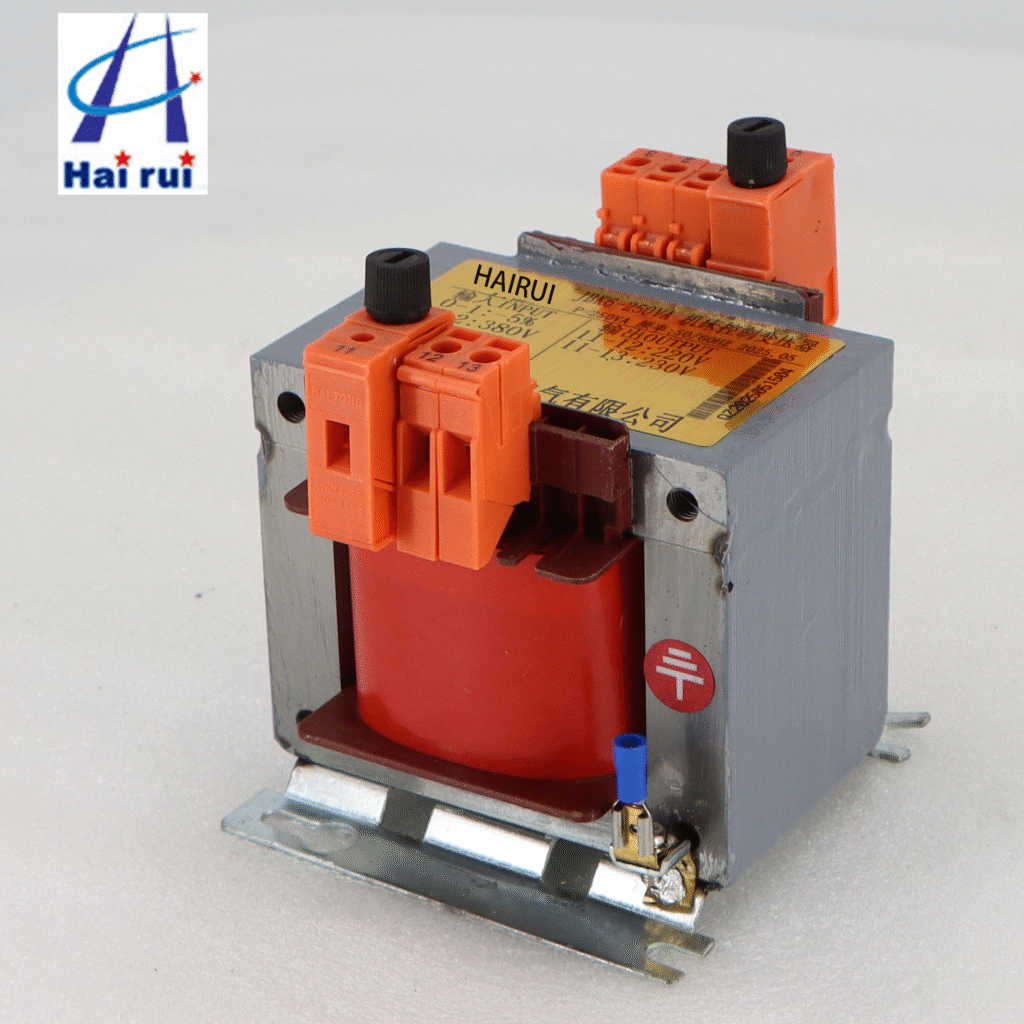
Toroidal electrical transformers, for example, are popular in compact equipment because they are smaller and can exhibit lower stray magnetic fields compared with traditional laminated cores. In high‑voltage substations, phase‑shifting transformers can deliberately adjust phase angle to steer power flows, a capability that grid operators use to reduce congestion and improve stability.
Instrument transformers such as CTs and VTs are critical in any protection and control system because they allow relays, meters, and SCADA equipment to interact safely with high‑energy circuits. When you spec a main electrical transformers, you will often define matching CT and VT classes as part of the same protection scheme.
Key selection factors for B2B buyers
For engineering, procurement, and construction (EPC) firms and industrial buyers, choosing the right electrical transformer type means balancing technical and commercial factors.
Important criteria usually include:
Voltage level and ratio: primary and secondary nominal voltages plus tap‑changer range.
Power rating and load profile: peak kVA/MVA, typical loading, overload requirements.
Cooling and insulation system: oil‑immersed vs dry type, insulation class, temperature rise.
Efficiency and losses: total cost of ownership, regulatory loss limits, and payback calculations.
Standards and certifications: IEC, IEEE/ANSI, and any industry‑specific requirements (e.g., marine, mining).
For large fleet purchases, many utilities and OEMs now include life‑cycle cost models that factor in energy losses, maintenance, and downtime risk—not just purchase price. Providing accurate data on your load curves and operating hours enables vendors to optimize the design and propose the most economical transformer type for your reality.
When you are ready, sharing a brief technical specification (voltage, power, cooling type, installation site, and any special constraints) allows manufacturers to return a targeted proposal, often with several optimized transformer options to compare.
If you are planning a project and need help mapping your one‑line diagram to specific electrical transformers types and ratings, simply send your basic parameters and target delivery date to start a detailed technical and commercial proposal.
FAQ
Which electrical transformers type is best for an indoor data center?
For most data centers, epoxy‑cast dry type three‑phase distribution transformers are preferred because they avoid oil, reduce fire risk, and can be installed closer to IT loads. Oil‑immersed units are usually kept outdoors or in dedicated fire‑rated rooms, connected via bus ducts or cables.
When should a utility choose oil‑immersed over dry type?
Utilities typically select oil‑immersed electrical transformers for outdoor substations, higher voltages, and higher power ratings because they offer better cooling, higher efficiency, and lower cost per kVA. Dry type is reserved for special indoor or tunnel applications with strict fire and environmental limits.
Are autotransformers suitable for industrial distribution systems?
Autotransformers are very efficient and compact for small voltage steps in three‑phase systems, such as 33/22 kV or 22/11 kV interconnections. However, because the primary and secondary share a common winding, they provide less isolation and may not be suitable where galvanic separation or specific fault behavior is required.
How does transformer type affect maintenance costs?
Oil‑filled electrical transformers require regular oil sampling, leak checks, and more detailed inspections, which increases maintenance effort but supports long service life at high ratings. Dry type transformers have simpler maintenance but may have higher operating losses, which can add to lifecycle energy cost.
What information should be in a transformer RFQ?
A solid RFQ normally includes voltage levels, power rating, cooling and insulation type, vector group, impedance, loss limits, tap‑changer requirements, installation conditions, and applicable standards. Including single‑line diagrams and load data helps suppliers tailor the optimal electrical transformer type and quote more accurately.
Oil immersed transformers remain the default choice for utilities, EPC contractors, OEMs and industrial plants because they deliver high reliability, strong cooling performance and attractive total cost of ownership across medium‑ and high‑voltage projects. For B2B buyers under pressure to cut CAPEX and downtime risk, an oil immersed transformer is often the most dependable and […]
Wholesale oil immersed transformer are still the backbone of reliable medium‑ and low‑voltage power distribution for utilities, EPCs, and industrial end users worldwide. For B2B buyers, they remain a cost‑effective, mature and easily serviceable solution when compared with many newer technologies. wholesale oil immersed transformer Introduction A wholesale oil immersed transformer is a power or […]
Electrical transformer solutions sit at the heart of every modern power system, and for B2B buyers the right transformer often decides whether a project runs safely, efficiently, and profitably. In this blog, the focus stays squarely on practical, business-critical aspects of electrical transformers, from specification and types to applications, procurement tips, and FAQs tailored for […]
We use cookies to enhance your browsing experience, serve personalised ads or content, and analyse our traffic. By clicking "Accept All", you consent to our use of cookies.