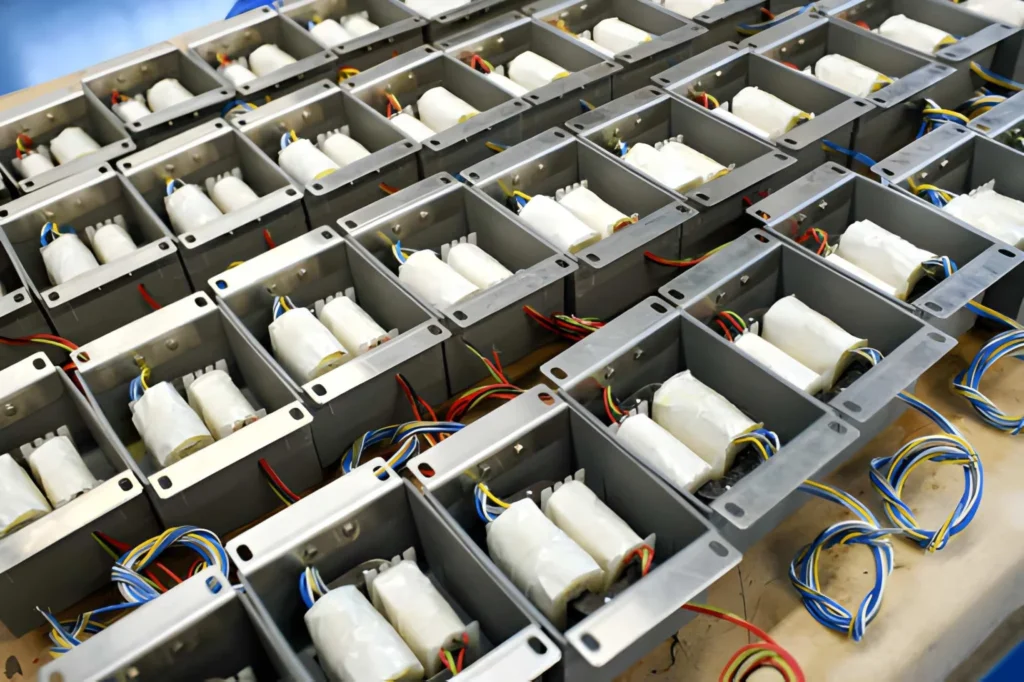
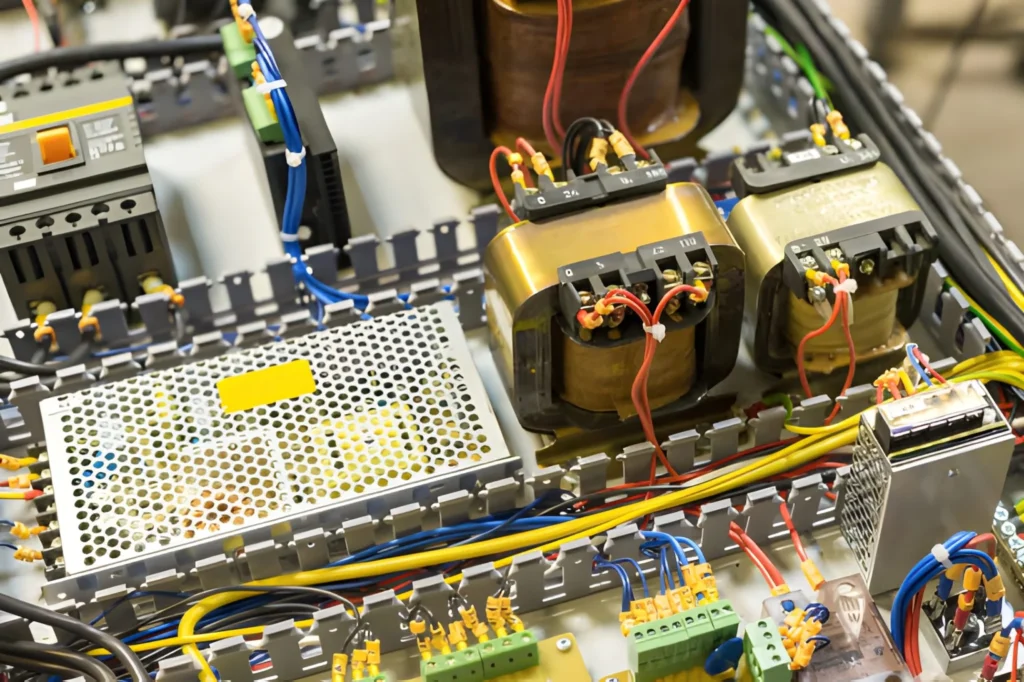
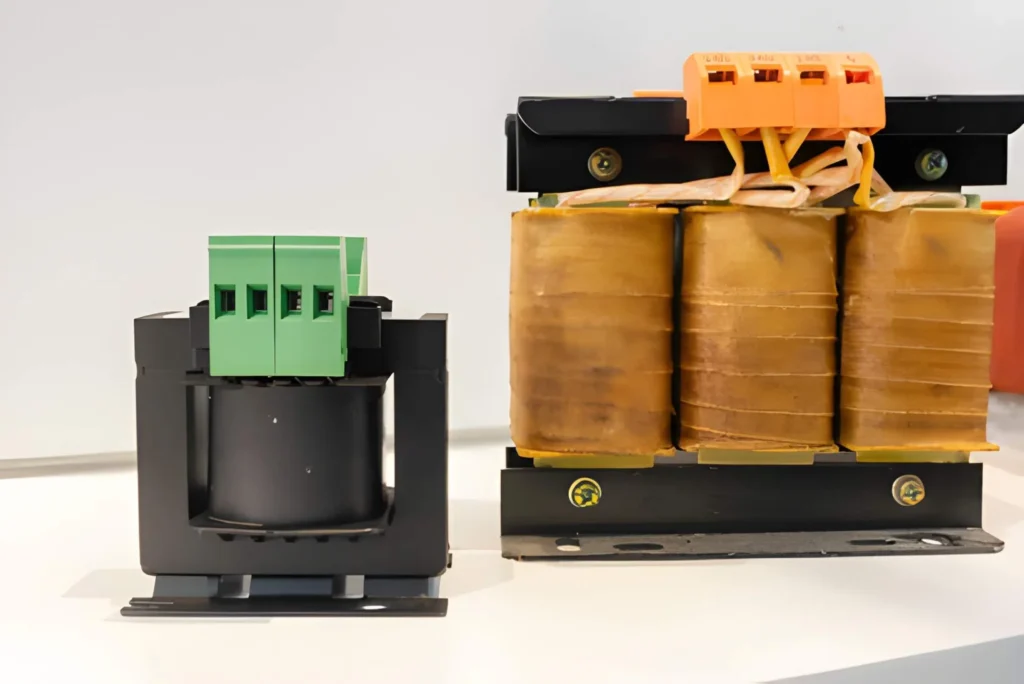
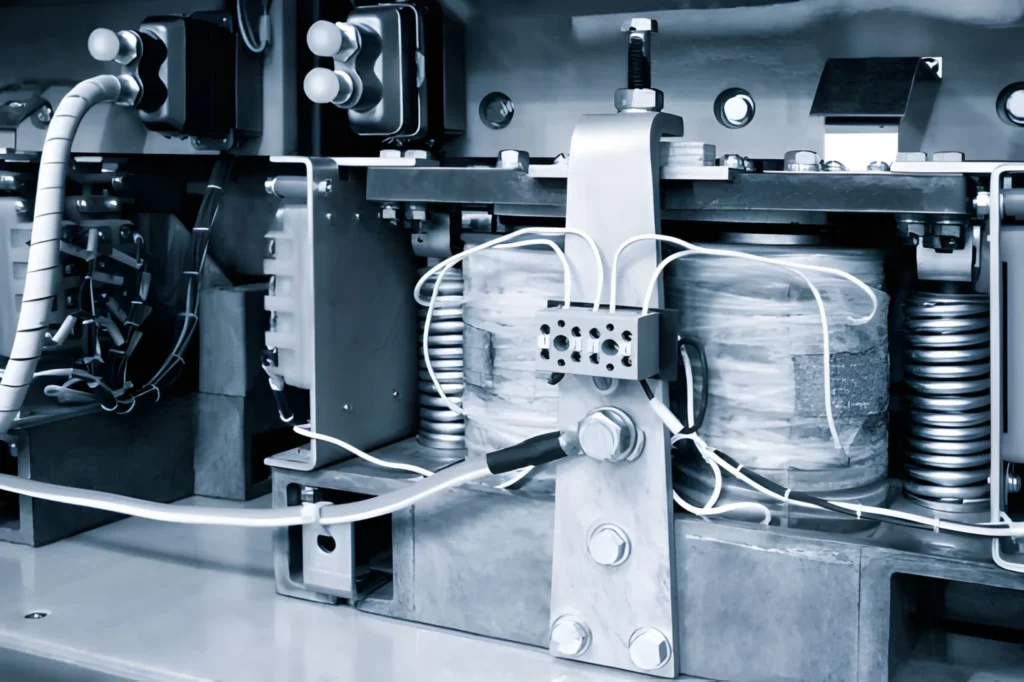
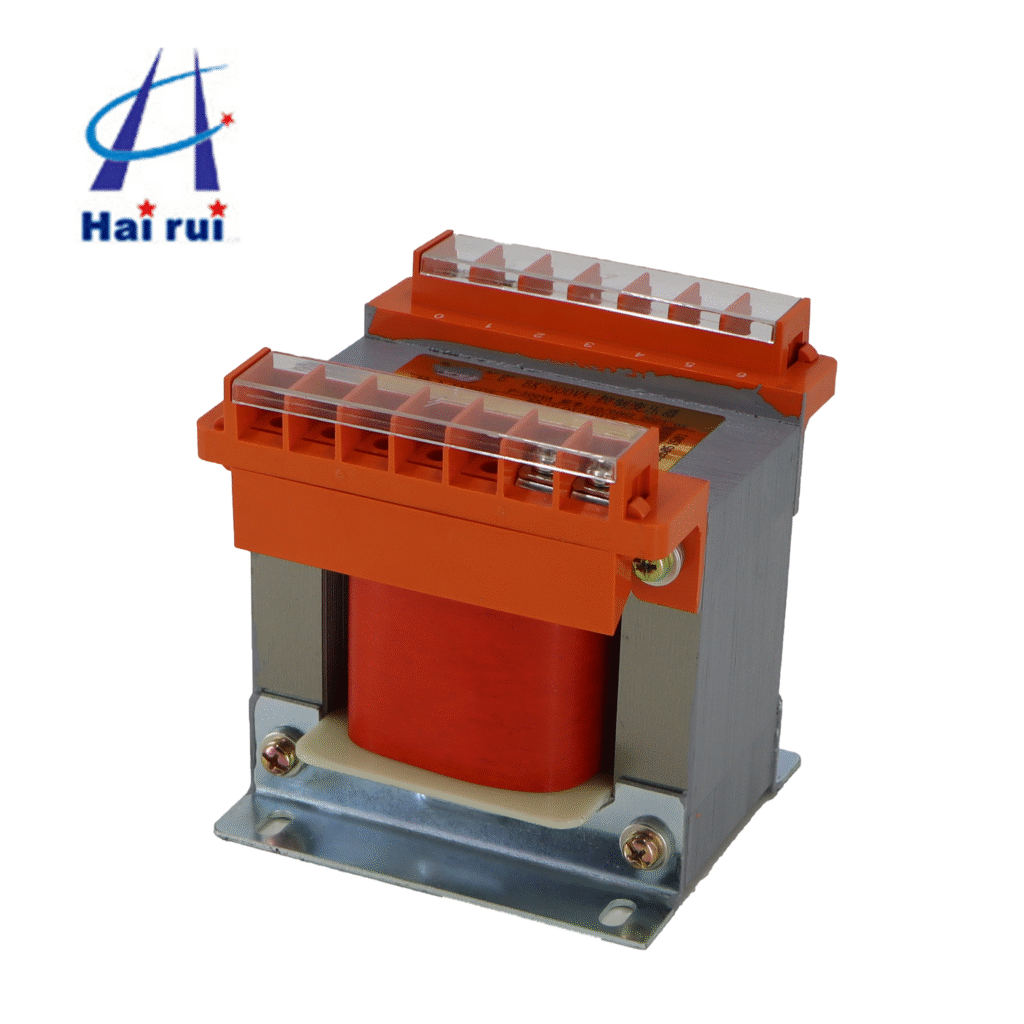
When you work with machines, industrial control transformers are the quiet heroes nobody talks about—until one fails. One day everything runs smoothly. The next day your PLC isn’t talking, the control panel is dead, and the whole production line is counting downtime against your budget. If you’re an engineer, panel builder, or procurement buyer, that scenario is painfully familiar.
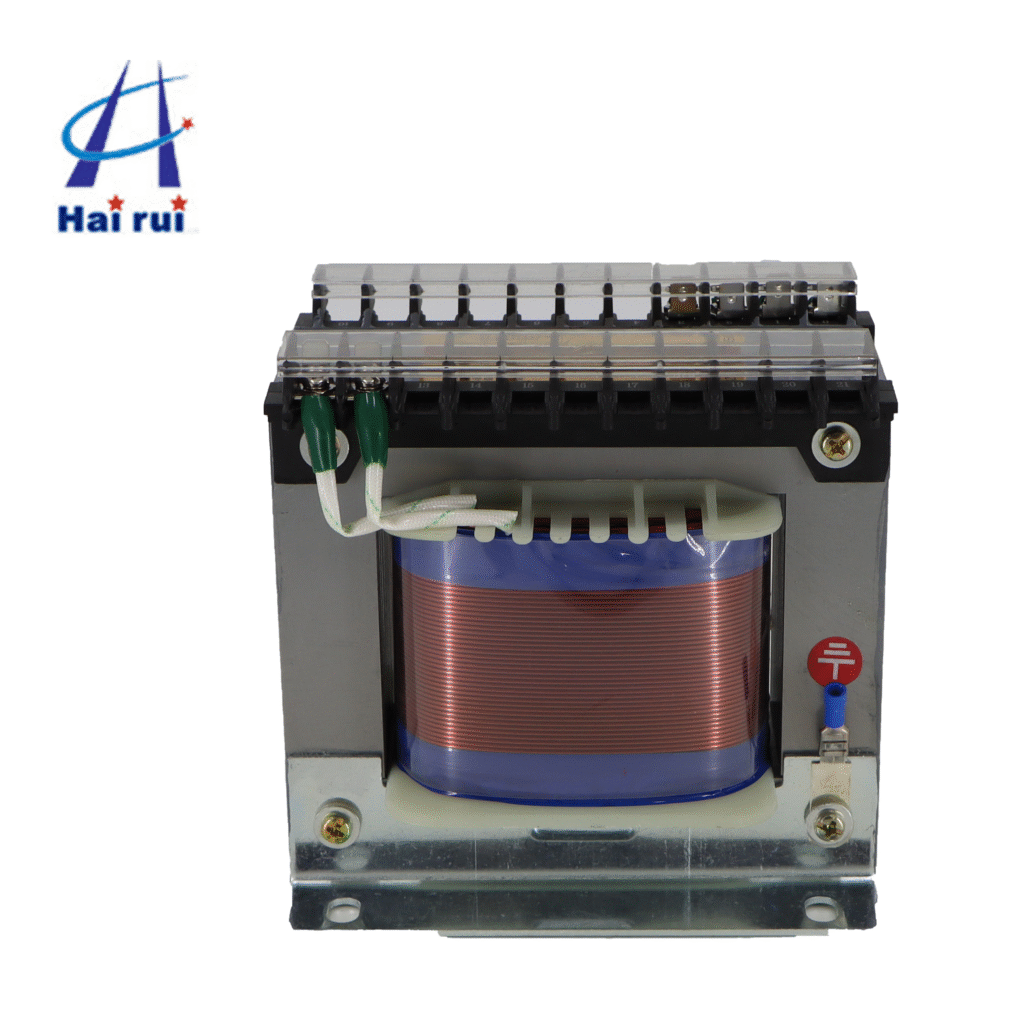
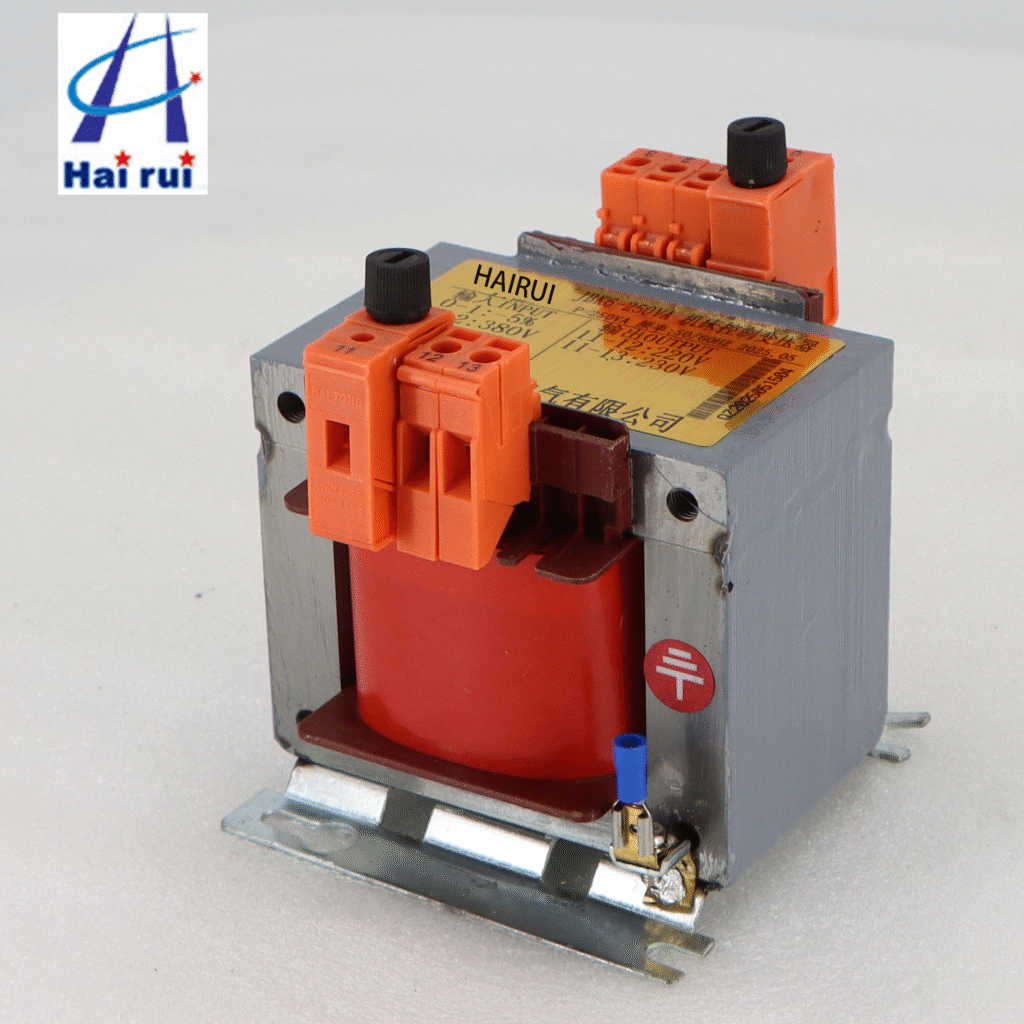
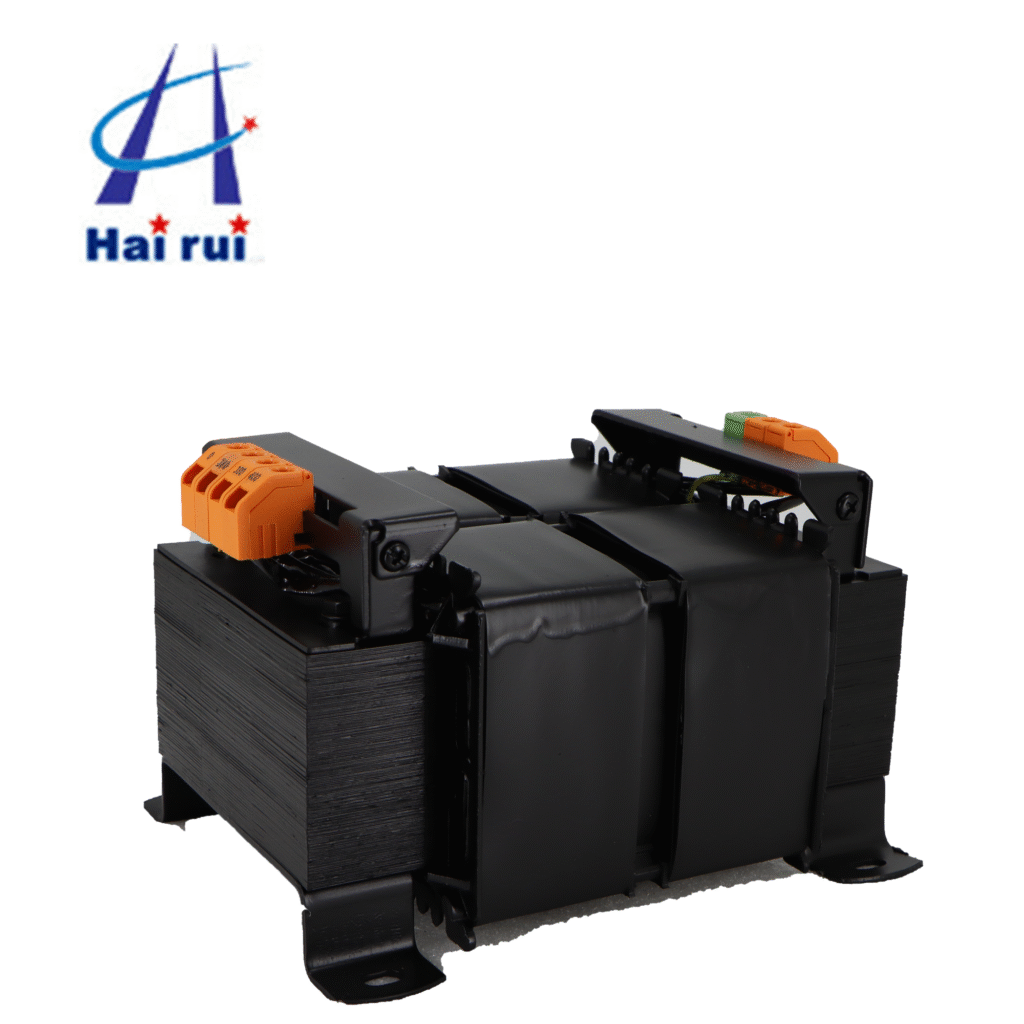
That’s exactly why I like talking about the JBK3 series control transformer. It’s a compact, sealed, isolation‑type industrial control transformer designed for machine tools, control panels, and general control power. In this post, I’ll walk you through how to choose, size, and connect a JBK3‑style transformer, not from a textbook, but from real‑world buying and installation decisions.
An industrial control transformer does one simple job: it converts high‑voltage line power into a safer, lower‑voltage control voltage for relays, PLC inputs, contactors, pilot lights, and local work lighting. For most JBK3‑type units, input is typically 220V, 380V, or 400–460V at 50/60 Hz, and outputs are below 220V, often landing at 24V, 110V, or 220V control circuits.
For buyers, this means three things:
Safety: isolation from the main line reduces shock risk during maintenance.
Stability: better regulation keeps control circuits running even when the grid is a bit rough.
Compatibility: multiple standard voltages let you integrate the same transformer into different machine families.
If you’re comparing machine tool control transformers, OEM control transformers, or just industrial control transformers for your control panel project, JBK3‑style units sit right in the sweet spot for cost, size, and performance.
How to Choose the Right JBK3 Control Transformer
Choosing a JBK3 isn’t about guessing; it’s about matching VA rating, primary voltage, and secondary voltages to your actual load. Let’s break it down into things you can actually put into your RFP or inquiry sheet.
1. Size by VA, Not Just Voltage
When engineers ask me, “Which JBK3 should I buy?”, the first thing I ask back is: “What’s your total control VA load?” If you skip this step, you’ll either overpay or under‑protect your system.
For a quick mental check, industrial control transformers for machine tools are commonly sized in the 40–1000 VA range, with popular ratings like 40VA, 63VA, 160VA, 250VA, 400VA, 630VA, 800VA, 1000VA, and up. Each rating corresponds to a maximum combined load that the secondary can handle.
A simple rule:
Add up all control devices—contactors, PLC I/O modules, small relays, timers, and even small indicator lamps—and use the VA or W ratings from the datasheets.
Then add 15–20% headroom for inrush and future expansion.
If your total comes to 180VA, the JBK3‑250 is usually the right industrial control transformer; if you’re closer to 100VA, a JBK3‑160 is enough and more cost‑effective.
2. Match Primary Voltage to Your Plant
One of the most common mistakes in procurement is assuming “standard 380V” fits everywhere. In reality, industrial control transformers must match the actual line voltage your machines see.
For JBK3‑type units, the same core transformer can be ordered with different primary taps, such as:
220V, 230V, 380V, 400V, 415V, 440V, 460V.
If your plant is 400V 50 Hz in Europe or 460V 60 Hz in North America, the zoák transformer may fry or underperform if the primary isn’t set correctly. So when you send an RFQ for industrial control transformers, it helps to include:
Line voltage (e.g., 400V‑50Hz or 460V‑60Hz)
Frequency (50 Hz or 60 Hz)
Single‑phase vs three‑phase (JBK3 is usually single‑phase, feeding individual control panels)
This avoids back‑and‑forth emails and delays when you’re trying to clear a last‑minute order.
3. Pick the Right Output Voltages
Most JBK3 control transformers provide multiple secondary windings, so you can supply different voltages from the same unit. Typical outputs include combinations like:
220V/110V, 24V, 15V, or similar sets.
If your control system uses 24V DC for PLCs and sensors, and 220V AC for contactors and relays, a JBK3‑250 or JBK3‑400 with 220V plus 24V secondary can power both branches.
Here’s how B2B buyers usually think about it:
Application scenario
Typical JBK3 choice
Why it fits
Small machine tool, few relays, 24V lights
JBK3‑40 or JBK3‑63
Low VA; enough for pilot lights and basic relays
Medium CNC machine, several contactors
JBK3‑160 or JBK3‑250
Enough VA for coils and small PLC I/O
Large machine with multiple PLCs, relays
JBK3‑400, 630, 800, 1000
High VA margin for inrush and future expansion
If you tell me your typical panel size and number of control devices, I can help you narrow this down to a specific industrial control transformer model.
If you want, you can send me your project specs I’ll help you pick the right industrial control transformer model and quantity.
Now let’s talk wiring. Anyone who’s traced a control transformer secondary back to the wrong terminal knows how easy it is to blow something. So here’s a practical, no‑fluff way to connect a JBK3‑type industrial control transformer.
1. Primary Side: Don’t Guess the Tap
JBK3‑series units usually have multi‑tap primaries, which means the same physical transformer can be wired for 220V, 380V, 400V, 415V, 440V, or 460V.
On the nameplate or label, you’ll see something like:
Primary: 220-380-400-415-440-460V, or similar.
You select the correct tap by connecting the incoming line to the marked terminals. If you’re integrating this into a control panel, the wiring looks like:
Line L1 → selected primary tap
Line L2 (or neutral, depending on design) → other primary terminal
Ground → earth terminal or chassis
If you’re not sure which tap to use, always default to the factory‑recommended connection for your region’s voltage.
2. Secondary Side: 24V, 110V, 220V, and More
Most JBK3 units provide two or more secondaries. For example:
One winding for 220V control (for contactors, relays).
Another for 24V or 110V (for lamps, small actuators, or DC power supplies).
When you wire the secondary, keep these rules in mind:
Label every terminal: “220V Control”, “24V Lighting”, etc.
Add a fuse or breaker on each secondary branch.
Stick to standard colors: Black or brown for live, blue for neutral, green‑yellow for ground.
If your PLC or relay coil says “24V AC”, don’t just plug it into any open terminal. Measure the open‑circuit voltage first. It’s a small step, but it saves you from frying a $1,000 module.
3. Safety and Isolation Points
JBK3‑type industrial control transformers are isolating transformers, which means the secondary is not directly connected to the primary or to ground. This is great for safety, but it also means you must explicitly ground the secondary if your local code requires it.
Typical points to ground:
Frame / core of the transformer.
Secondary neutral (if present) in grounded‑neutral systems.
If you’re sourcing industrial control transformers for multiple countries, always check the local standards (IEC, VDE, GB, etc.) before you finalize the wiring.
Practical Buying Tips for B2B Buyers
As a product sales expert, I talk to a lot of procurement teams and OEMs. Here are the things they actually care about when they’re searching for industrial control transformers and machine tool control transformers like JBK3.
1. Key Specs to Put in Your RFQ
When you’re drafting an RFQ or product sheet for industrial control transformers, include:
Input voltage and frequency (e.g., 380V‑50Hz or 460V‑60Hz).
Output voltage set (e.g., 220V + 24V, 110V + 24V).
VA rating (e.g., 250VA, 400VA).
Standards compliance (VDE, IEC, GB, etc.).
Insulation class (commonly F or H).
Mounting type (DIN rail, panel‑mount, chassis‑mount).
This helps you avoid “mismatch‑on‑site” surprises and makes it easier for manufacturers to quote the right industrial control transformer.
2. Cost vs. Long‑Term Reliability
Buyers often ask, “Why pay more for a JBK3‑type industrial control transformer?” The answer lies in total cost of ownership.
High‑quality JBK3 units use:
Grain‑oriented silicon steel cores for better efficiency and lower losses.
Copper windings for better thermal stability and lower resistance.
If you’re buying in volume for machine tool manufacturers or OEM automation panels, even a small efficiency gain across hundreds of units can reduce your energy and maintenance costs over time.
3. Long‑Tail Keywords and Real‑World Search Terms
When you’re thinking about SEO and content, B2B buyers often search with phrases like:
“industrial control transformer JBK3 250VA”
“machine tool control transformer 220V 24V”
“single‑phase control transformer 400V to 110V”
“industrial control power transformer for PLC panel”
“OEM control transformer supplier”
These are the kinds of long‑tail B2B keywords that convert better than generic “control transformer” because they match precise project or procurement needs.
How to Use JBK3 in Real‑World Projects
Let me give you a quick example. Say you’re building a CNC milling machine control panel for a customer in Europe. The main line is 400V 50 Hz, and the control circuit needs:
220V AC for contactors and relays.
24V AC for local indicator lamps and small solenoid valves.
A good choice is the JBK3‑250 or JBK3‑400, depending on the number of contactors and the total VA load. You:
Wire the 400V primary to the matching taps.
Tap 220V output for the control relays.
Tap 24V output for the lamps and small loads.
With this setup, you’ve got a compact, reliable industrial control transformer that fits neatly in your cabinet and speaks the same voltage “language” as your PLC and drives.
If you’re responsible for buying or specifying industrial control transformers, the JBK3 series is a proven workhorse for machine tools, control panels, and general low‑voltage control power. It offers the right balance of size, safety, and flexibility for most industrial applications.
If you want, you can send me your project specs—line voltage, frequency, number of machines, and typical control load—and I’ll help you pick the right industrial control transformer model and quantity.
And if you’re ready to move from reading to buying, feel free to reach out for a customized quote on JBK3‑type industrial control transformers tailored to your project.
If you want, you can send me your project specs I’ll help you pick the right industrial control transformer model and quantity.
What is the difference between JBK3 and a general control transformer?
JBK3‑type units are machine‑tool control transformers with multi‑tap primary windings and multiple secondary outputs, designed specifically for industrial control panels. They’re optimized for low‑voltage control circuits and lighting, with better isolation and regulation than generic transformers.
Can JBK3 be used for lighting only?
Yes. Many workshop and machine‑tool lighting systems use JBK3‑style industrial control transformers to step down 380V or 400V to 24V or 110V for local lamps. Just make sure the VA rating covers the total lamp load plus a safety margin.
How do I avoid over‑loading a JBK3?
Calculate the total VA of all connected devices (relays, PLCs, lamps, small actuators), add 15–20% headroom, and then match that to the JBK3 VA rating. If in doubt, move up one size. It’s cheaper than replacing a burnt‑out transformer on the production floor.
Control transformer are essential components in electrical systems, especially in industrial and commercial applications. They help step down voltage to safe levels for control circuits, ensuring that devices like relays, contactors, and PLCs operate efficiently and safely. But with so many options available, how do you choose the right VA rating for your control transformer? […]
In most industrial panels, a standard 480V to 120V control transformer is designed to provide a single 120V secondary for control power, not a 120/240V split‑phase system. You can only get 120/240V from it if the secondary is specifically wound and brought out as 120/240V (with a center tap), or if you add an additional […]
In today’s competitive industrial world, dependable Control Transformers Supplier play a vital role in ensuring machines, panels, and automation systems run safely and efficiently. Whether you operate a manufacturing line, a HVAC system, or a control circuit in renewable energy equipment, finding the right control transformer can drastically improve reliability and energy performance. This article […]
We use cookies to enhance your browsing experience, serve personalised ads or content, and analyse our traffic. By clicking "Accept All", you consent to our use of cookies.