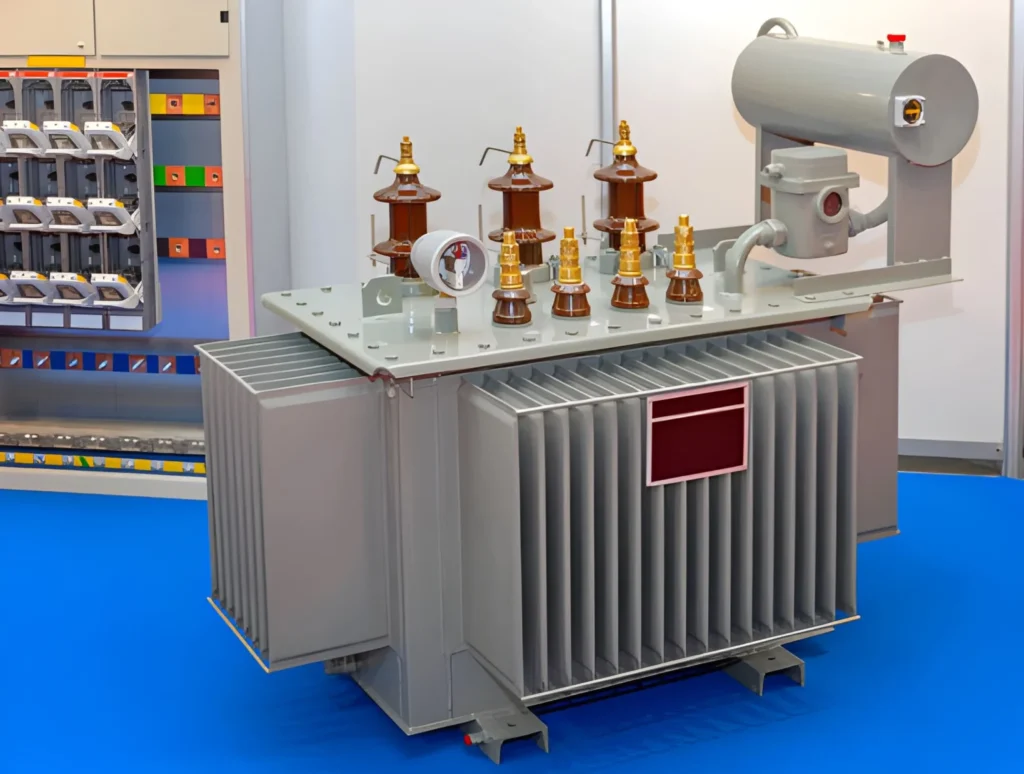
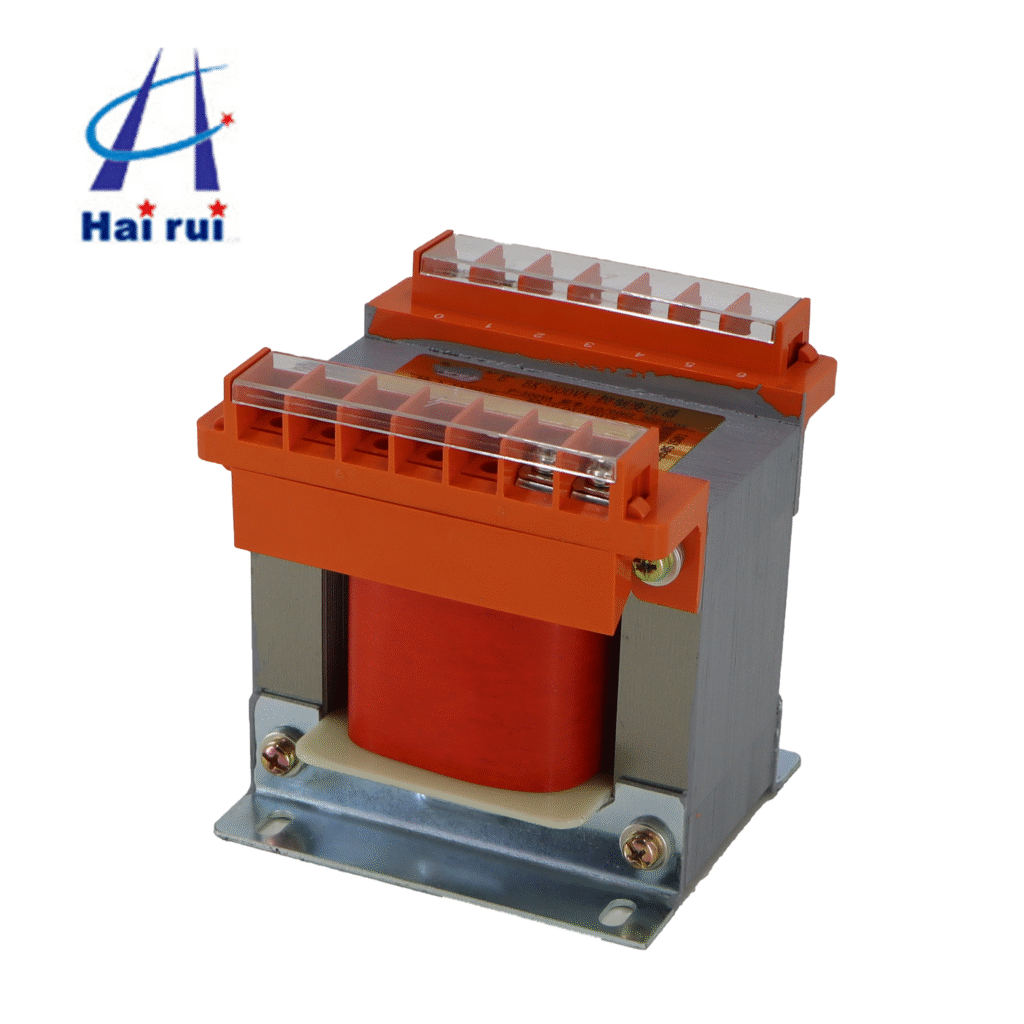
Oil immersed transformers remain the default choice for utilities, EPC contractors, OEMs and industrial plants because they deliver high reliability, strong cooling performance and attractive total cost of ownership across medium‑ and high‑voltage projects. For B2B buyers under pressure to cut CAPEX and downtime risk, an oil immersed transformer is often the most dependable and scalable option compared with dry‑type designs.
What is an oil immersed transformer?
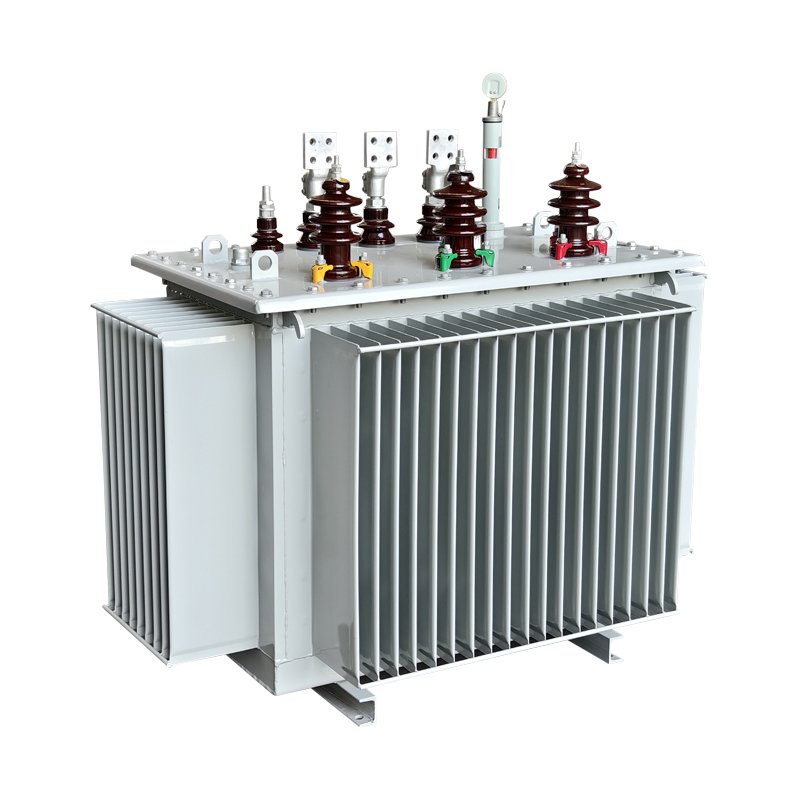
An oil immersed transformer (also called an oil filled transformer or oil immersed distribution transformer) is a power transformer in which the core and windings are fully submerged in insulating transformer oil inside a sealed tank. The oil provides both electrical insulation and cooling, allowing stable operation at high voltages and continuous loads in grid, industrial and renewable energy applications.
For B2B procurement teams, these units usually appear in RFQs with ratings from a few hundred kVA up to several tens of MVA, at voltages such as 6 kV, 10 kV, 11 kV, 33 kV or higher for substation and utility projects. Typical configurations include ONAN (Oil Natural Air Natural) and ONAF (Oil Natural Air Forced) cooling systems, with options like hermetically sealed tanks, conservators and off‑circuit or on‑load tap changers to match site requirements.
Aspect
Oil immersed transformer insight
Medium
Mineral oil or ester oil used for insulation and cooling.
Typical voltage level
MV and HV distribution and substation applications (e.g. 11–66 kV).
Cooling type
ONAN / ONAF / OFAF with radiators or coolers.
Standard use cases
Utilities, industrial plants, renewables, commercial complexes, data centers.
From a pure engineering perspective, oil immersed transformers are chosen for their cooling, dielectric strength and load‑handling capability. From a purchasing and asset management perspective, the same features translate into fewer failures, longer service life and more predictable lifecycle cost.
1. Superior cooling and overload capability
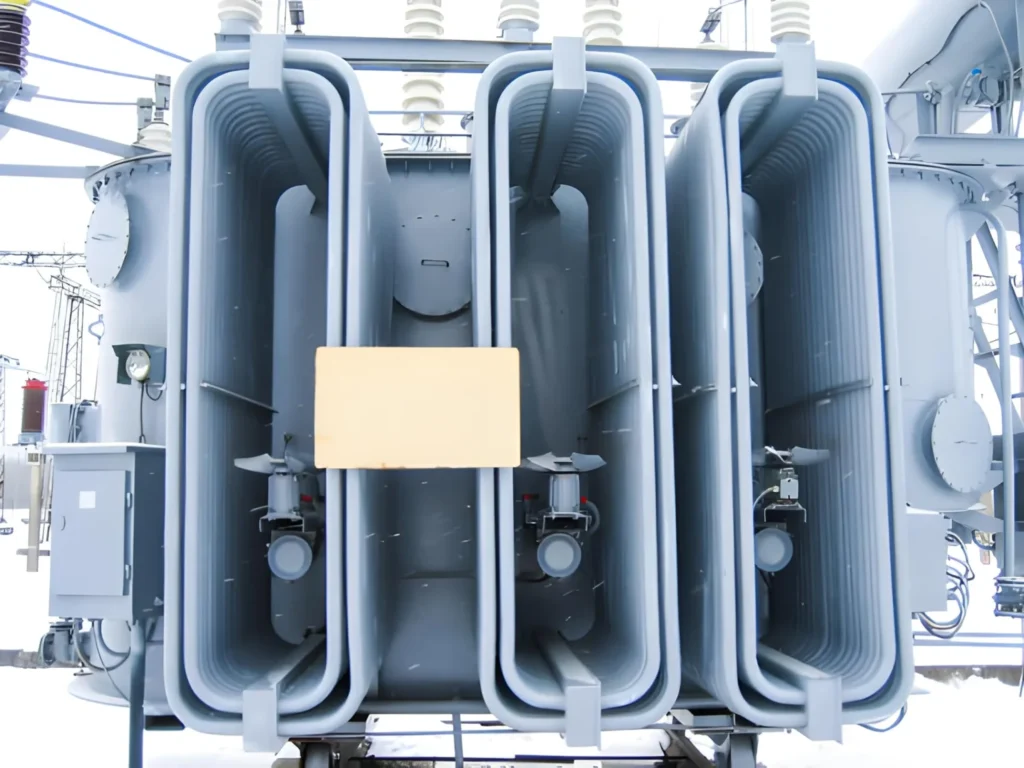
Transformer oil circulates through the tank and radiators, removing heat from the windings and core much more effectively than air in a dry‑type unit. This superior cooling performance supports higher loading, better overload endurance and lower operating temperatures, which directly help extend insulation life.
For buyers, this means greater flexibility during peak demand events, plant expansions or grid disturbances where temporary overloads are unavoidable. An oil immersed power transformer can often run safely closer to its nameplate rating, which allows you to avoid oversizing the equipment simply as a thermal safety margin.
Cooling benefit
Impact on B2B operations
Efficient heat removal
Stable operation under heavy load and high ambient temperatures.
Lower hotspot temps
Slower insulation aging and longer transformer life.
Overload capability
Ability to ride through short‑term peak loads without forced shutdown.
2. Excellent insulation and reliability
Transformer oil offers high dielectric strength and strong moisture resistance, creating a robust insulation system around the windings and core structures. This reduces the risk of partial discharge, flashover and electrical breakdown under high voltage stress, even in humid or polluted environments.
Because moisture is a key cause of insulation degradation, the oil environment significantly improves reliability compared with air‑insulated dry transformers, particularly for outdoor installations and coastal or tropical sites. For asset managers, fewer insulation‑related failures translate into fewer emergency outages, lower repair costs and better service continuity KPIs.
Reliability factor
B2B relevance
High dielectric strength
Reduced risk of HV breakdown and unplanned outages.
Moisture resistance
Better performance in humid, coastal and outdoor applications.
Sealed construction
Protection from dust, pollution and corrosive environments.
3. Wide capacity and voltage range
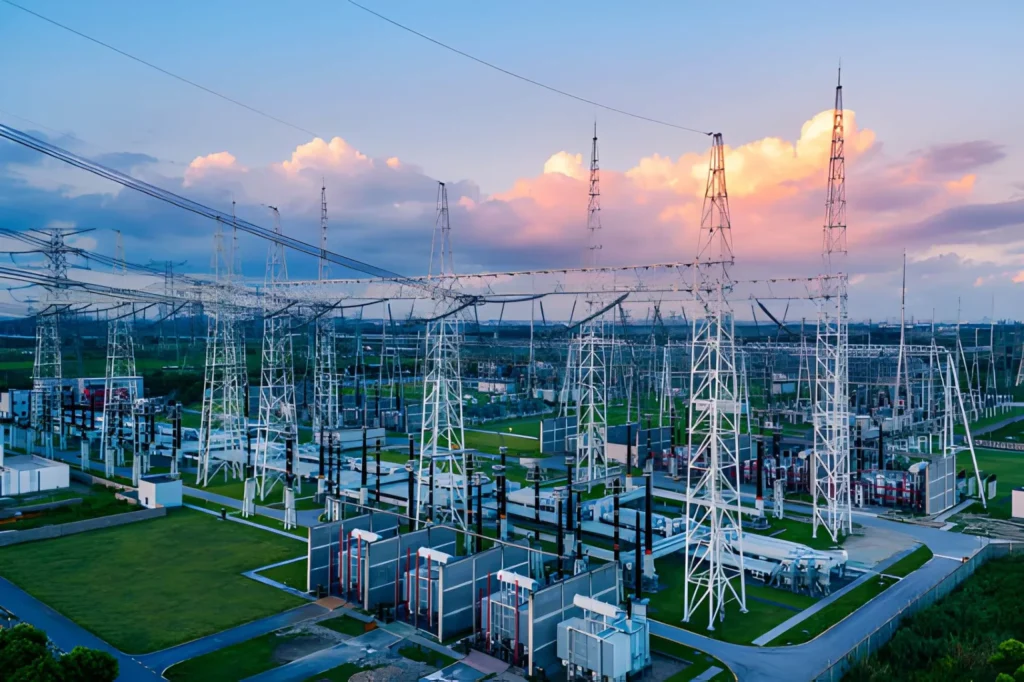
Oil immersed transformers are available across a much wider power and voltage range than most dry‑type designs. As a result, they are the standard option for medium‑ and high‑voltage substations, industrial feeders, renewable step‑up stations and utility distribution networks.
For project developers, this wide range simplifies multi‑site rollouts and global sourcing strategies, because similar technology can be deployed from 400 kVA distribution transformers up to large power transformers in the tens of MVA range. It also provides more flexibility when designing for future load growth or grid code changes.
Range aspect
Typical values and use cases
Power rating
From <1 MVA to tens of MVA for distribution and power transformers.
Voltage level
LV/MV up to HV for substations and transmission support.
Application flexibility
Utilities, industry, renewables, commercial buildings, data centers.
4. Attractive CAPEX and lifecycle cost
For the same capacity, oil immersed transformers are usually significantly cheaper to procure than dry‑type units. Several manufacturers indicate that the upfront cost of an oil transformer can be roughly 1.5–2 times lower than a comparable dry‑type transformer, depending on rating and configuration.
Beyond CAPEX, the efficient cooling and lower losses of oil immersed designs support better energy efficiency and reduced operating costs. Lower winding temperatures help extend insulation life, so many units in stable grids achieve service lives of 25–35 years or more with proper maintenance. For B2B buyers managing portfolios of transformers, this combination of low purchase price and long life results in a favorable total cost of ownership.
Cost element
Oil immersed transformer advantage
Initial investment
Lower purchase cost vs dry‑type for a given rating.
Operating losses
Lower load and no‑load losses in many designs.
Service life
25–35+ years with appropriate operation and maintenance.
5. Reduced maintenance complexity
While the presence of oil might seem like a maintenance burden at first glance, in practice oil immersed transformers are relatively straightforward to service. Routine tasks such as oil sampling, filtration, dielectric strength testing and dissolved gas analysis are well‑established procedures, with global service expertise widely available.
Modern sealed and hermetically sealed designs minimize oil oxidation and moisture ingress, helping extend intervals between major services. For B2B buyers, this means predictable maintenance budgets and the possibility to rely on outsourced service contracts without the need to maintain large in‑house teams.
Maintenance aspect
Practical implication for buyers
Oil testing and DGA
Early fault detection and condition‑based maintenance.
Oil filtration/regeneration
Extends oil and insulation life at moderate cost.
Sealed tank designs
Fewer interventions and longer service intervals.
Typical B2B application scenarios
One reason oil immersed transformers dominate the global market is their versatility across very different project profiles. Whether you are a utility, an EPC, an OEM or an industrial end user, the same core technology can be adapted to your voltage level, cooling requirements and environmental constraints.
Utility and distribution networks
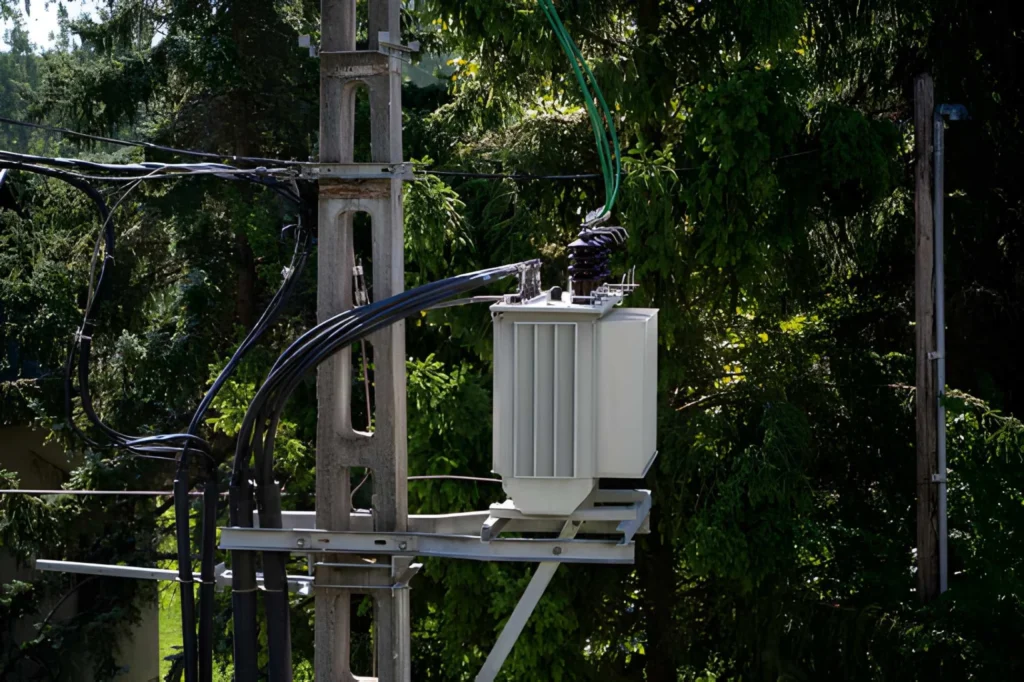
Distribution network operators rely on oil immersed distribution transformers for MV/LV substations in urban, suburban and rural areas. These units are expected to run continuously for decades with minimal downtime, often in outdoor kiosks, pole‑mounted installations or compact substations.
Utilities value the high reliability, ability to handle grid disturbances and lower lifecycle cost compared with alternative technologies. Oil immersed transformers also integrate easily with ring main units, switchgear and automation systems used in smart grid upgrades.
Industrial plants and manufacturing
In heavy industry, oil immersed power transformers feed large motors, compressors, welding machines, rolling mills and process loads with high starting currents. Their strong overload capability and robust thermal behavior make them suitable for operations with fluctuating production schedules and harsh environmental conditions such as dust, vibration and corrosive atmospheres.
For plant engineering teams, choosing an oil immersed transformer simplifies integration with existing MV infrastructure, and helps ensure stable voltage and high short‑circuit withstand capability during motor starts and fault events. This stability protects downstream equipment and reduces the risk of nuisance trips or production stoppages.
Renewable energy and energy storage
Solar and wind power plants widely adopt oil immersed step‑up transformers at inverter stations and substations because they can withstand fluctuating output and harsh outdoor conditions for 20–30 years. Many designs include hermetically sealed tanks, UV‑resistant coatings and optimized cooling radiators tailored to local climate conditions.
With the growth of battery energy storage systems (BESS), oil immersed transformers are also used to connect containerized storage units to MV grids, supporting bidirectional power flow and fast response. Their combination of high reliability, compact footprint and cost efficiency makes them attractive for developers bidding into competitive tenders.
Sector
Typical oil immersed transformer role
Utilities
MV/LV distribution transformers and primary substation units.
Industry
Power supply for large motors, process loads, production lines.
Renewables/BESS
Step‑up transformers and grid‑tie transformers in harsh outdoor sites.
If your company is planning a new substation, plant extension or renewable project, this is the right moment to send a detailed RFQ and technical specification to shortlisted oil immersed transformer suppliers.
Technology trends B2B buyers should know
Oil immersed transformer technology continues to evolve to address efficiency, safety and environmental concerns. Staying aware of these trends helps buyers specify transformers that meet both today’s needs and tomorrow’s regulations.
Higher efficiency cores and lower losses Manufacturers are increasingly using high‑efficiency cold‑rolled grain‑oriented (CRGO) steel and amorphous metal cores to reduce no‑load losses. Combined with optimized winding design and improved cooling, this allows oil immersed transformers to meet or exceed modern energy‑efficiency standards and eco‑design regulations.
For large fleets of distribution transformers, even small improvements in loss performance can translate into substantial savings in energy and reduced CO₂ emissions over the asset lifetime. That is why tender documents now commonly include maximum loss values and efficiency classes.
Digital monitoring and “smart” transformers Another clear trend is the adoption of online monitoring solutions, including sensors for temperature, moisture, oil level and dissolved gases. These systems feed data into SCADA or asset‑management platforms, enabling condition‑based maintenance and predictive analytics rather than fixed‑interval inspections.
For B2B buyers, digitalization reduces unplanned outages and optimizes maintenance schedules, which is particularly important in mission‑critical applications such as data centers, hospitals and large industrial sites. Remote monitoring also supports centralized fleet management for owners operating assets across multiple regions.
Environmentally friendly insulating liquids To address fire‑safety and environmental concerns, many suppliers now offer oil immersed transformers filled with natural or synthetic ester fluids instead of traditional mineral oil. Ester oils have higher fire points and better biodegradability, making them suitable for indoor or environmentally sensitive locations while retaining the cooling advantages of liquid insulation.
Although ester‑filled units may have slightly higher initial cost, they can simplify compliance with fire regulations and reduce secondary containment requirements, which matters in dense urban sites or buildings with strict safety codes.
Trend
Benefit for B2B buyers
High‑efficiency cores
Lower losses and improved regulatory compliance.
Digital monitoring
Predictive maintenance and higher availability.
Ester insulating fluids
Enhanced fire safety and environmental performance.
How oil immersed transformers compare with dry‑type
Although dry‑type transformers have their place, especially indoors and in small‑capacity applications, they do not always offer the best value for heavy‑duty B2B use cases. Understanding the key differences helps procurement teams justify the choice of oil immersed units during technical and commercial evaluations.
From a cost perspective, oil immersed transformers generally require less CAPEX for the same power rating. From a performance standpoint, they offer better cooling and higher overload capacity, which is important in networks with variable loads or industrial processes with high starting currents.
Criterion
Oil immersed transformer
Dry‑type transformer
CAPEX
Lower for same kVA rating.
Higher procurement cost.
Cooling
Very effective via oil circulation and radiators.
Limited by air and resin thermal properties.
Overload capability
Generally higher and more tolerant of peaks.
More restricted, especially for continuous overload.
Typical rating
Medium to very high kVA/MVA ranges.
More common in lower to medium ratings.
Environment
Excellent outdoors and in harsh sites.
Often preferred indoors where fire safety is critical.
For many B2B applications—utility feeders, large industrial feeders, renewable substations—the balance of cost, performance and robustness clearly favors oil immersed transformers. If your project involves mainly outdoor installations or high power levels, oil immersed technology is usually the safer default choice.
Practical buying tips and long‑tail considerations
When your team prepares a tender or RFQ for oil immersed transformers, focusing only on kVA and voltage is not enough. Several additional parameters strongly affect lifetime performance, maintainability and compatibility with your network or facility.
Consider including details such as cooling mode (ONAN/ONAF), installation environment (indoor/outdoor, altitude, pollution level), expected load profile, noise limits and efficiency requirements. These elements help suppliers propose a design optimized for your real operating conditions rather than a generic catalogue model.
From an SEO and content perspective, B2B buyers often search using long‑tail terms like “oil immersed distribution transformer for solar farm,” “11kV oil filled transformer price for utility,” or “industrial oil immersed transformer with on‑load tap changer.” Addressing these phrases in your technical documentation and online product pages can improve visibility when potential partners are researching solutions.
Specification item
Why it matters for B2B buyers
Cooling mode and rating
Ensures safe operation at expected ambient temperatures and load cycles.
Efficiency/loss limits
Direct impact on lifecycle energy cost and regulations.
Noise level requirements
Important for urban or building‑integrated substations.
Tap changer type
Supports voltage regulation under varying grid or load conditions.
If you are reviewing suppliers now, feel free to send your single‑line diagram and specification list; experienced manufacturers can quickly recommend a suitable oil immersed transformer configuration for your project.
If your organization is planning new capacity or replacing aging equipment, this is an ideal time to share your technical requirements and request a tailored quotation for oil immersed transformers aligned with your business goals.
FAQ
Are oil immersed transformers safe for indoor use?
Yes, mineral‑oil immersed transformers can be used indoors when installed in dedicated transformer rooms with appropriate fire protection, ventilation and containment, while ester‑filled units further enhance fire safety due to higher fire points and better biodegradability. For high‑rise or public buildings, local regulations and standards should guide whether oil immersed or dry‑type is the better fit.
How long does an oil immersed transformer typically last?
With correct sizing, proper installation and routine maintenance, many oil immersed distribution and power transformers operate reliably for 25–35 years or longer. Actual lifetime depends on loading, ambient temperature, maintenance quality and the severity of grid disturbances over time.
Do oil immersed transformers require more maintenance than dry‑type?
They require a different type of maintenance rather than more maintenance: oil sampling, laboratory testing and occasional filtration or regeneration are standard practices. With modern sealed designs and digital monitoring, service intervals can be extended and maintenance can be planned based on actual condition rather than fixed time periods.
When should a buyer choose dry‑type instead of oil immersed?
Dry‑type transformers are often selected for indoor environments with strict fire‑safety rules, small capacities, or where the cost and logistics of oil containment are not acceptable. For most outdoor and high‑power applications, oil immersed transformers provide better cost‑performance, but each project should be evaluated against local regulations and risk thresholds.
How can a B2B buyer reduce risk when purchasing oil immersed transformers?
Key risk‑reduction steps include working with certified manufacturers, specifying international standards (such as IEC‑based requirements), demanding factory routine and type test reports, and using online monitoring for critical units. Clear warranty terms and a defined spare‑parts and service strategy also help ensure stable long‑term operation.
Electrical transformer solutions sit at the heart of every modern power system, and for B2B buyers the right transformer often decides whether a project runs safely, efficiently, and profitably. In this blog, the focus stays squarely on practical, business-critical aspects of electrical transformers, from specification and types to applications, procurement tips, and FAQs tailored for […]
An Electrical transformers is at the heart of every serious power project, and choosing the right transformer type can make or break your reliability, efficiency, and total cost of ownership. In this guide, the focus is on the main electrical transformer types B2B buyers care about, how they differ, and which options fit typical industrial, […]
Wholesale oil immersed transformer are still the backbone of reliable medium‑ and low‑voltage power distribution for utilities, EPCs, and industrial end users worldwide. For B2B buyers, they remain a cost‑effective, mature and easily serviceable solution when compared with many newer technologies. wholesale oil immersed transformer Introduction A wholesale oil immersed transformer is a power or […]
We use cookies to enhance your browsing experience, serve personalised ads or content, and analyse our traffic. By clicking "Accept All", you consent to our use of cookies.