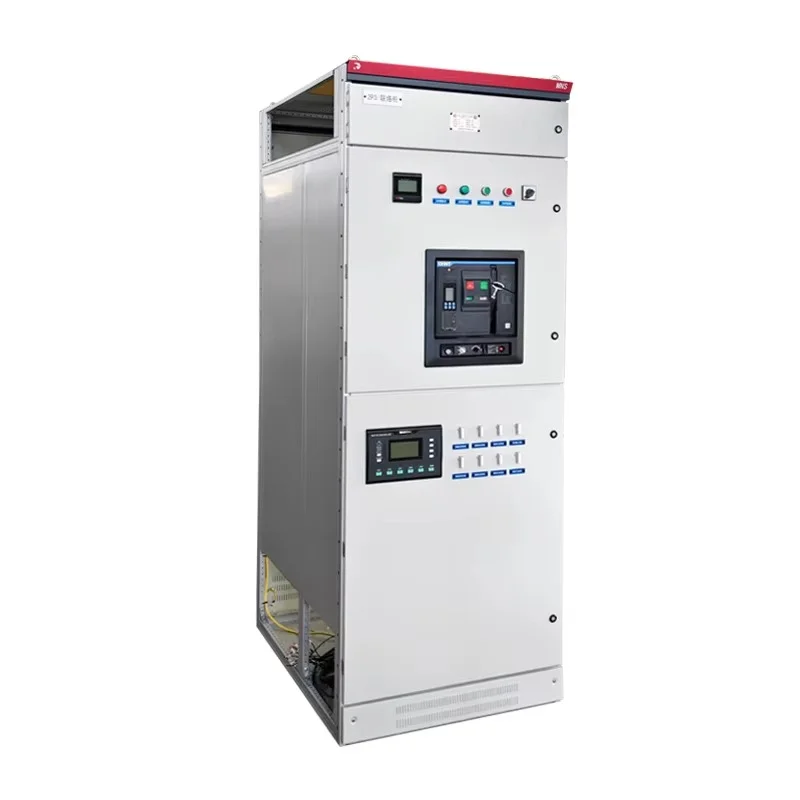
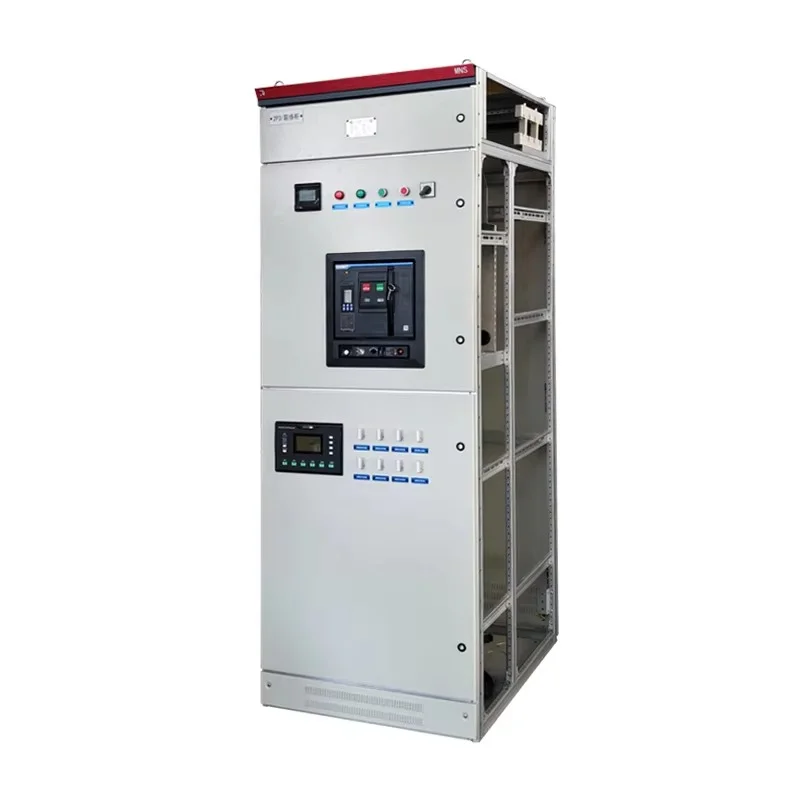
Description
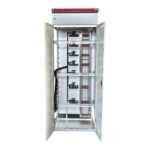
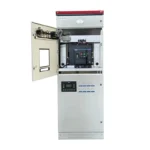
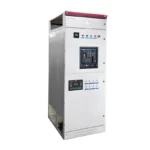
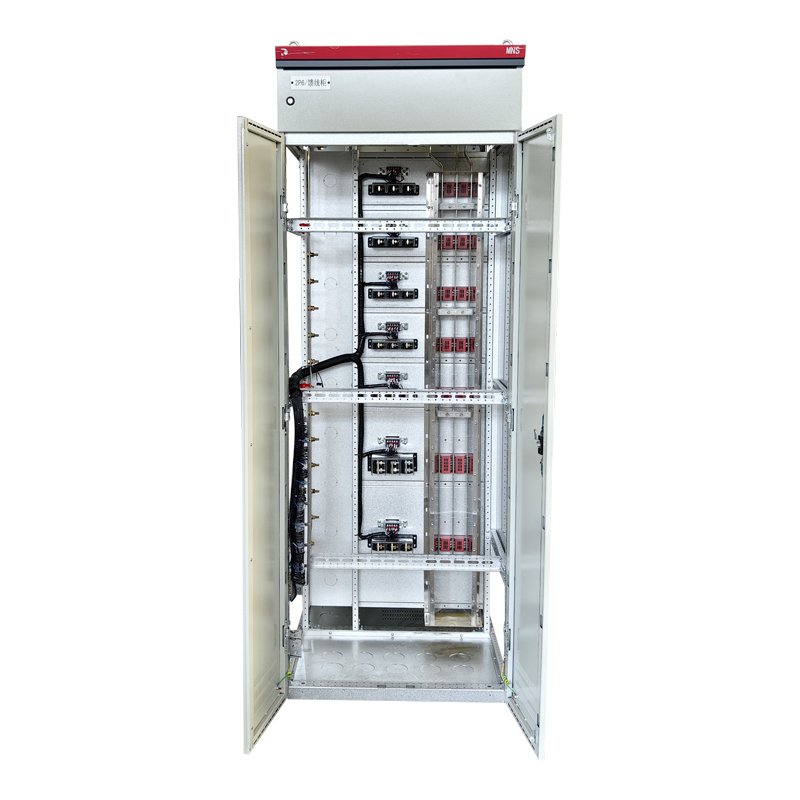
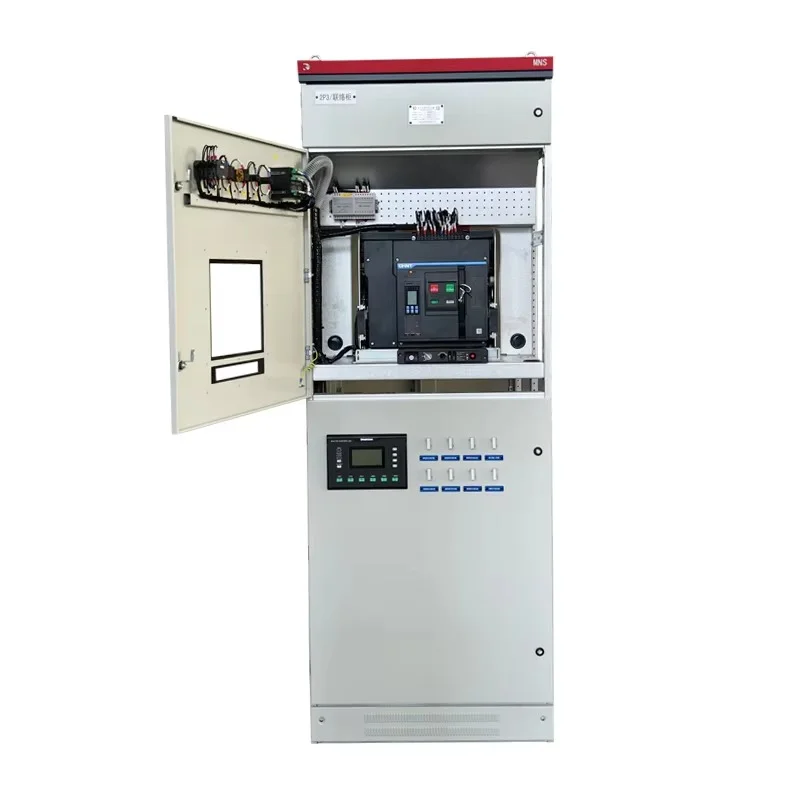
A low voltage drawer cabinet consists of multiple functional drawers, each equipped with circuit breakers, contactors, relays, and monitoring devices. These drawers can be individually inserted or removed, allowing quick replacement without shutting down the entire system.
This design makes the drawer-type low voltage cabinet highly efficient for environments where uninterrupted power supply is essential. The equipment not only distributes electricity safely but also ensures protection against overload, short circuits, and electrical faults. With modular power distribution cabinets, operators benefit from enhanced system flexibility and reduced downtime.、
Key Features
Drawer-type modular design for quick insertion, removal, and replacement.
Independent compartments with isolation barriers for higher safety.
High-level protection against overload, short-circuit, and earth leakage.
Digital monitoring capability with optional smart meters and sensors.
Strong mechanical endurance for frequent operations.
Scalable structure supporting system expansion or function upgrades.
Advantages
Safety and reliability – ensures operator protection and reduces risk of arc faults.
High maintainability – drawer modules can be serviced without affecting the entire system.
Operational flexibility – suitable for multiple industrial loads.
Time-saving – rapid installation and minimal downtime during maintenance.
Customizable – supports different circuit configurations and control functions.
Compliance – meets IEC and CE standards for international use.
Applications
The Low Voltage Drawer Cabinet Equipment is widely used in:
Manufacturing industries – controlling motors, pumps, and automated machinery.
Power plants and substations – distributing electricity safely and reliably.
Commercial buildings – hotels, hospitals, and office towers.
Transportation hubs – airports, metro stations, and rail systems.
Data centers & IT facilities – ensuring continuous low-voltage supply for critical systems.
Mining and metallurgy – durable enough for heavy-duty environments.
Installation & Maintenance
Installation guidelines:
Position the cabinet in a dry, ventilated area with proper grounding.
Fix the frame securely before inserting functional drawers.
Connect busbars, breakers, and relays according to load requirements.
Conduct insulation and safety tests before energizing the system.
Maintenance practices:
Inspect drawers regularly for signs of wear or overheating.
Test circuit breakers and relays at scheduled intervals.
Clean dust and debris from ventilation paths.
Replace faulty drawer units promptly to avoid downtime.
How to Select the Right Low Voltage Drawer Cabinet
Choosing a low voltage drawer type cabinet depends on several factors:
Load demand – determine rated current, voltage, and switching needs.
Application type – whether for industrial automation, commercial facilities, or power plants.
System expandability – modular cabinets are ideal for growing power networks.
Protection level – ensure short-circuit, overload, and leakage safeguards.
Supplier reliability – partner with trusted low voltage switchgear manufacturers.
FAQ
What makes a drawer cabinet different from other low voltage cabinets?
Its modular design allows individual drawers to be removed or replaced without shutting down the system.
Is it suitable for continuous operation industries?
Yes, the quick-replacement feature ensures minimal downtime, making it ideal for critical operations.
Can the cabinet be customized?
Yes, drawers can be configured with contactors, circuit breakers, and relays to meet different needs.
How long does it last?
With proper maintenance, a low voltage drawer cabinet can operate reliably for over 15–20 years.
Does it meet safety standards?
Yes, it complies with IEC and CE standards, ensuring international safety compliance.
Request Quote
Tell us your specifications, quantity, or application scenario and we will reply with a tailored quote.