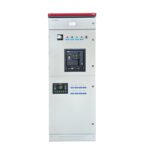
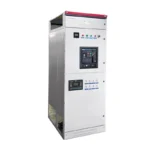
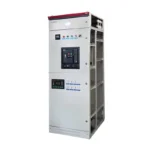
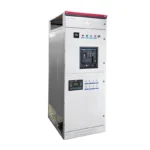
Description
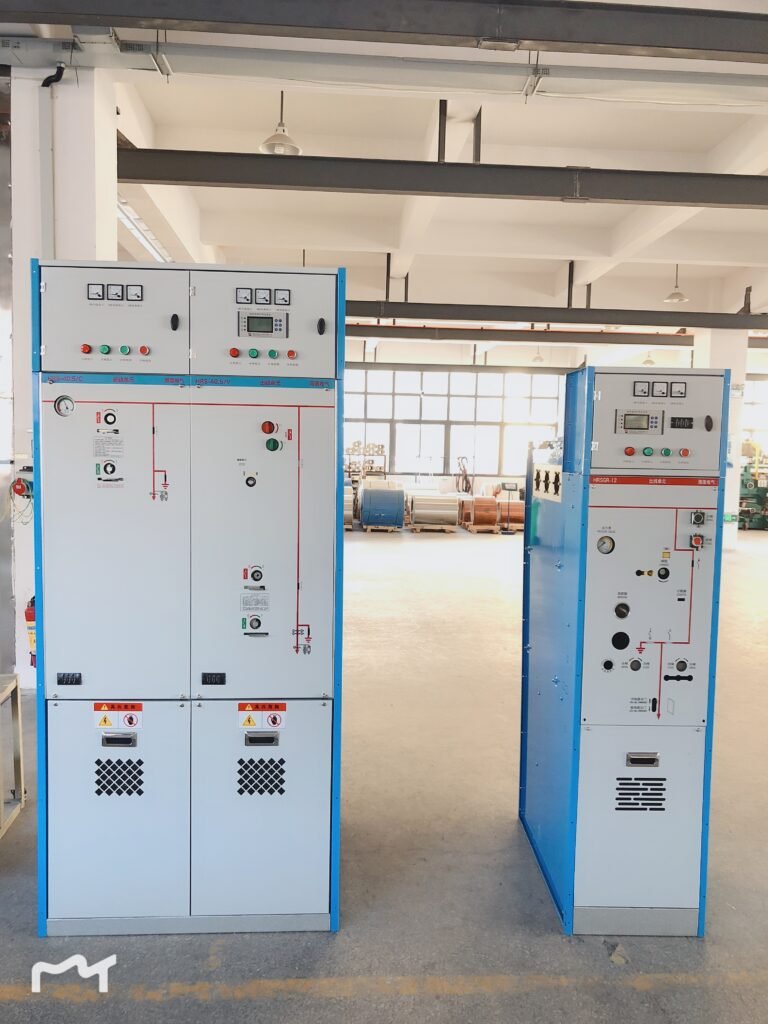
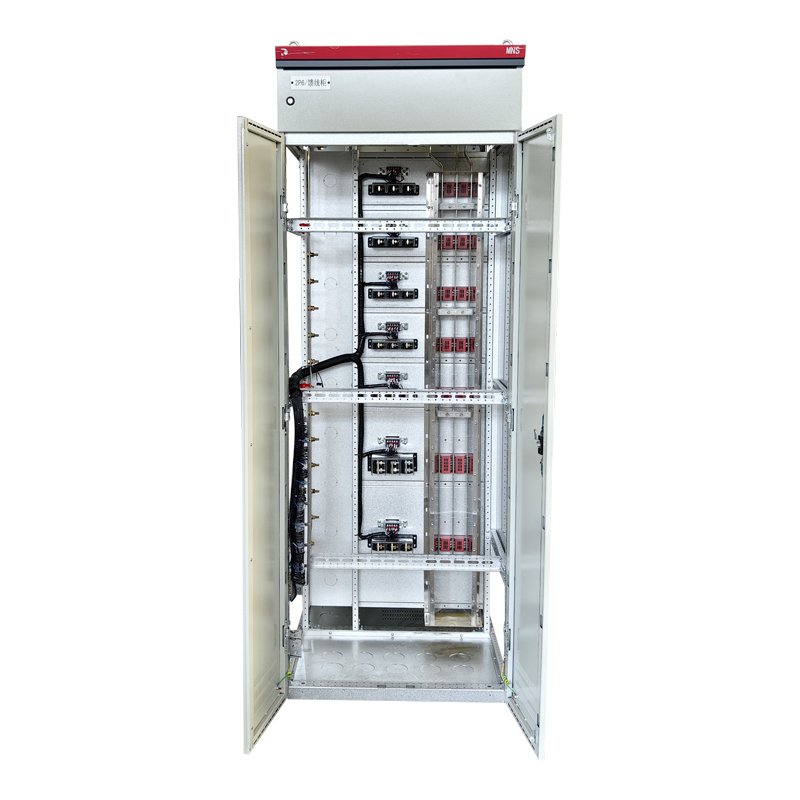
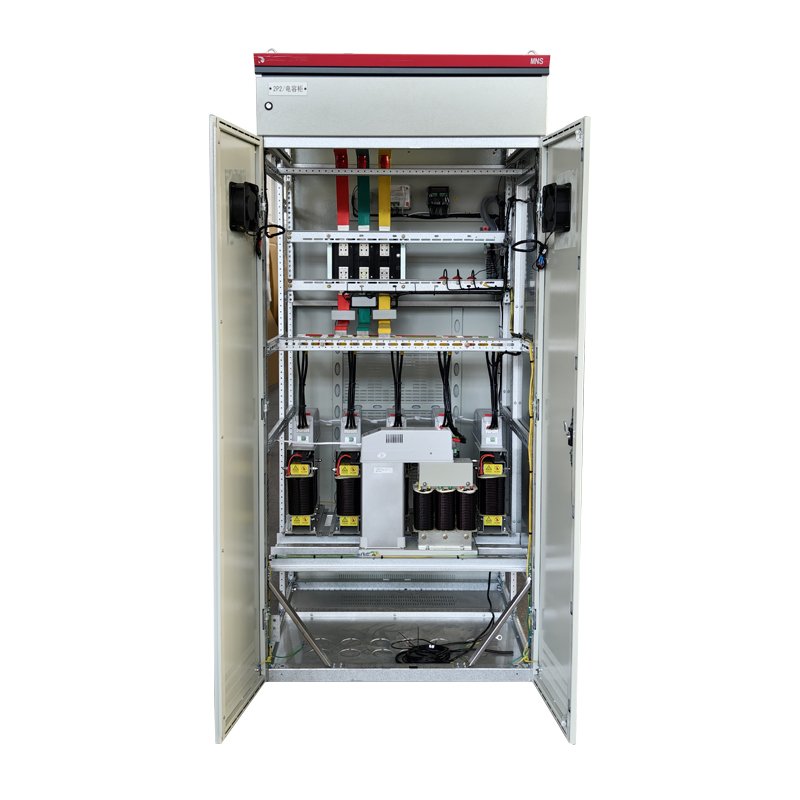
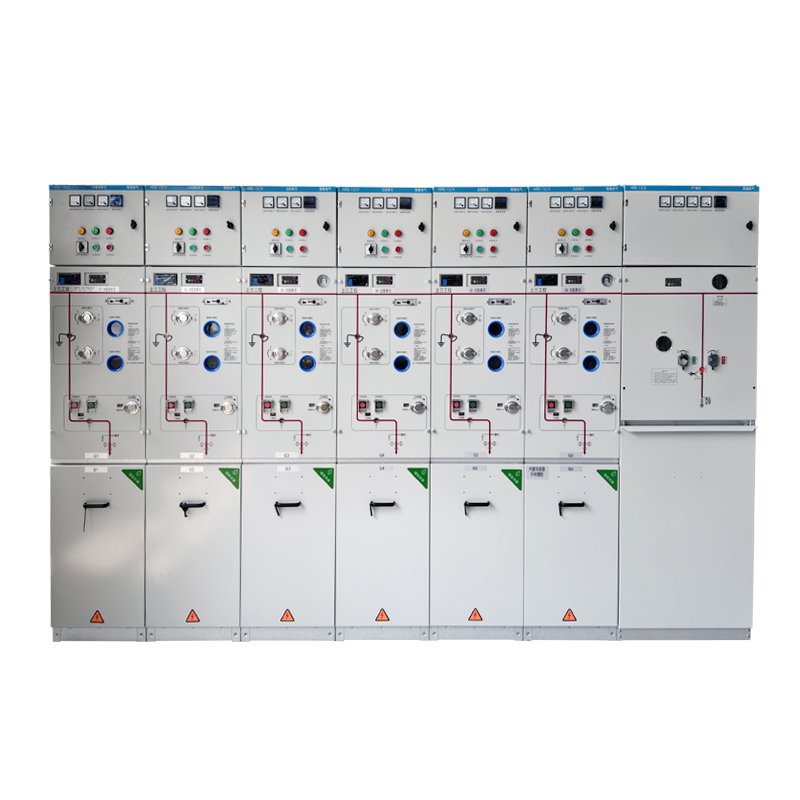
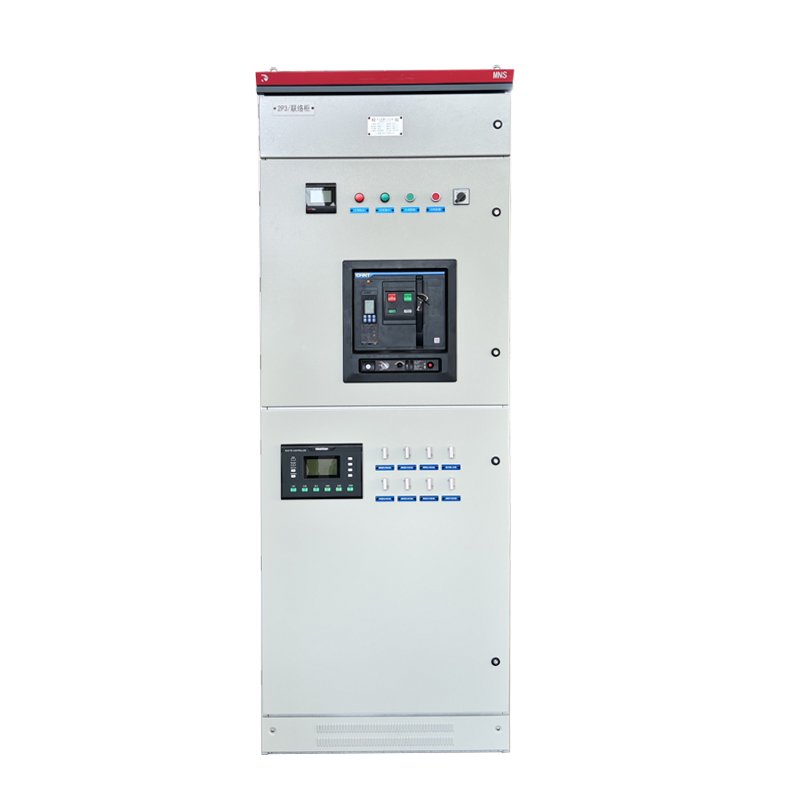
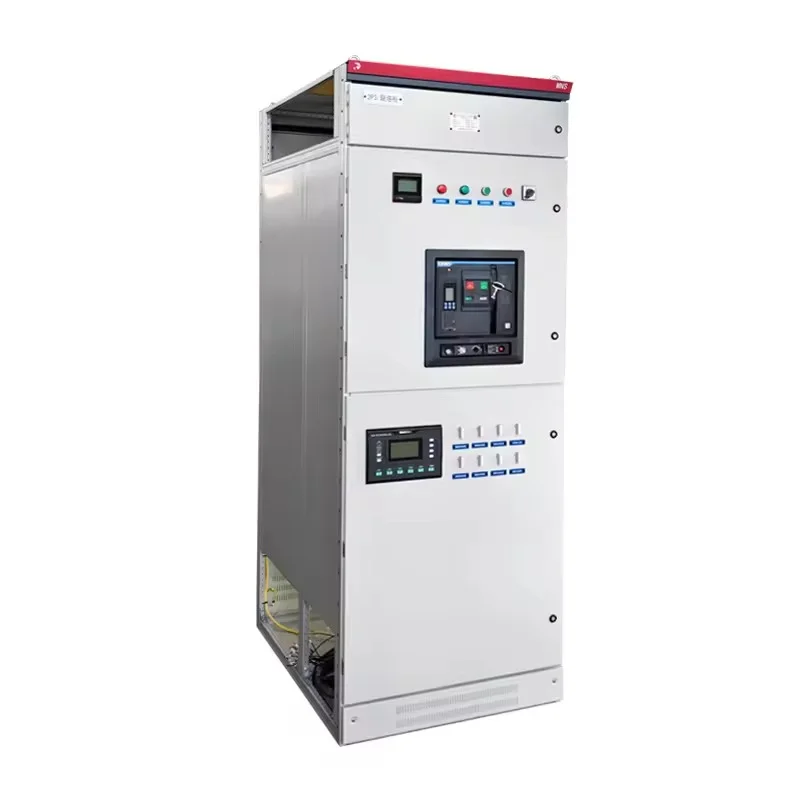
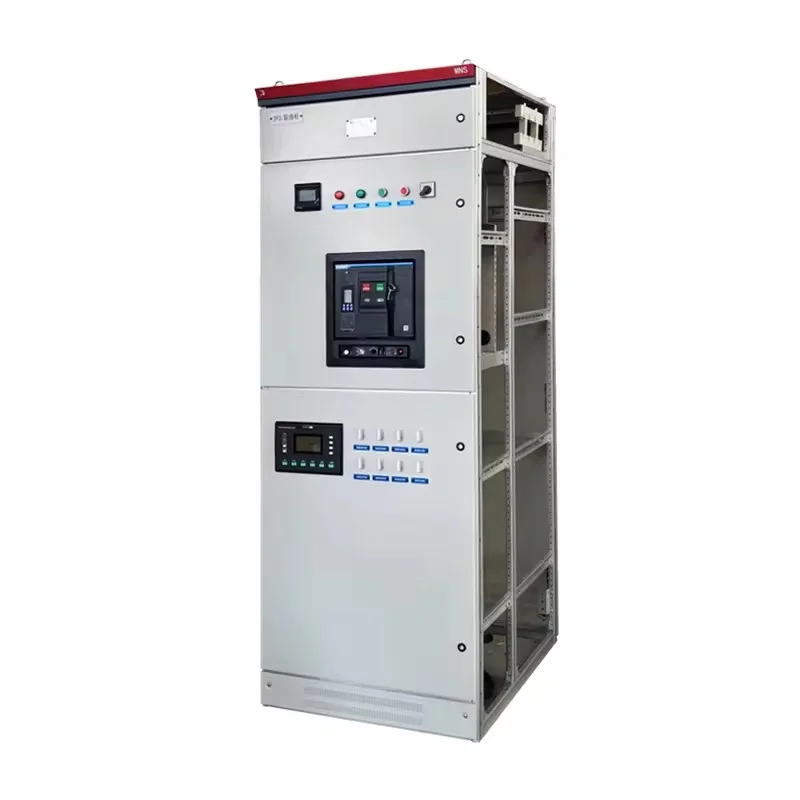
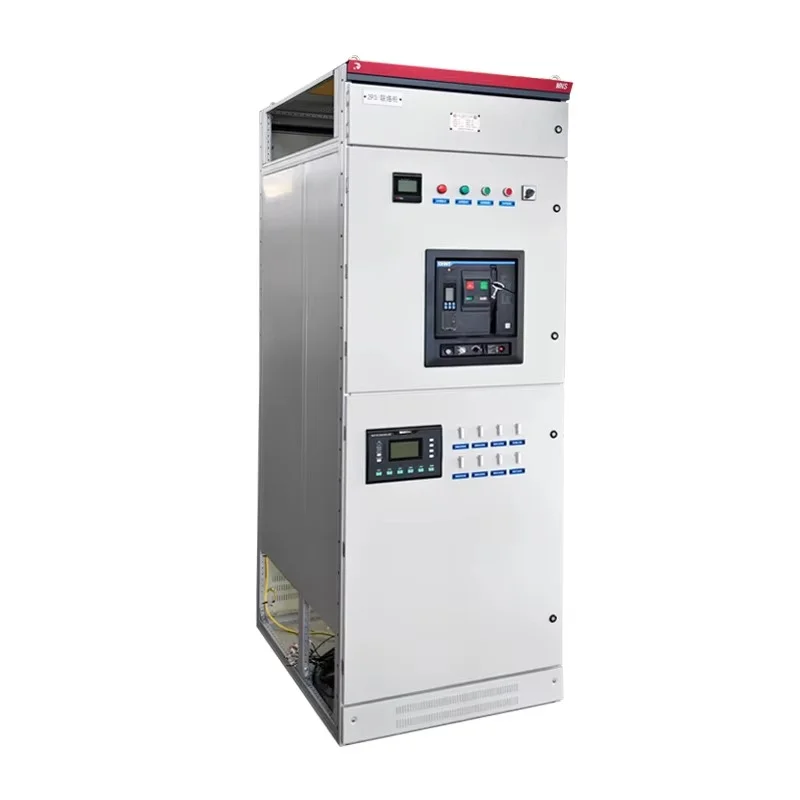
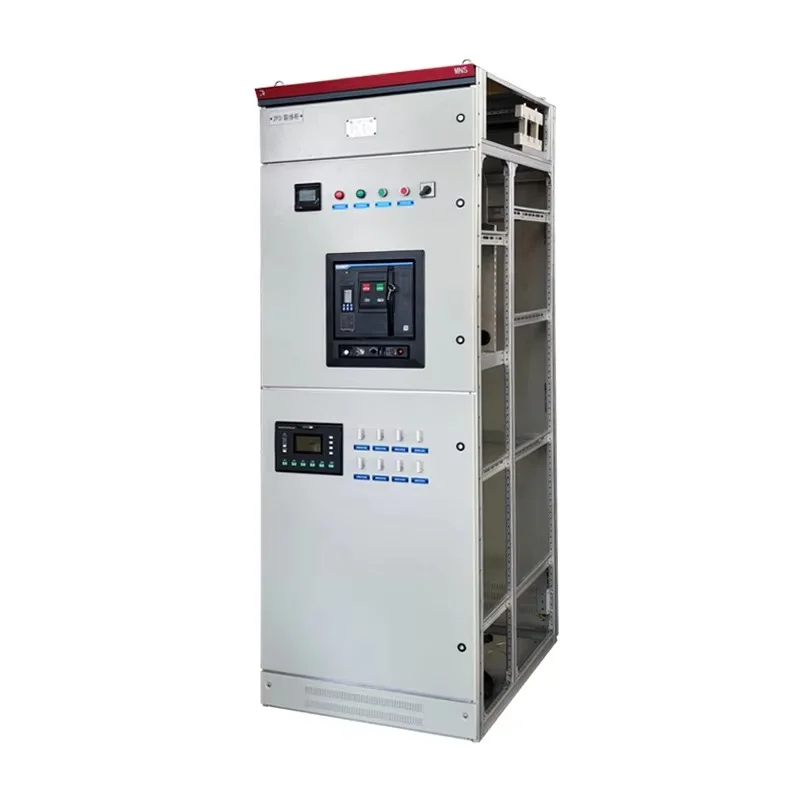
A low voltage contact cabinet provides centralized control and power distribution for electrical networks. It integrates contactors, circuit breakers, protective relays, and monitoring units into a flame-retardant enclosure. The cabinet manages switching, overload protection, and system monitoring, offering operators a safe and intelligent solution for controlling low-voltage circuits.
Unlike standard enclosures, the low voltage contactor cabinet is designed for heavy-duty applications, supporting frequent operation, high reliability, and long service life. Its modular construction allows easy customization for different load requirements, making it suitable for industries ranging from manufacturing to energy utilities.
Key Features
Robust contact system designed for high switching frequency.
Advanced protective devices against overload, short circuit, and voltage fluctuations.
Compact and modular structure for easy installation and system expansion.
Flame-retardant cabinet design for enhanced fire resistance.
Digital monitoring options for real-time control and diagnostics.
High mechanical endurance ensuring long-term reliability.
Advantages
Safety-first design – reduces risks of electrical failures and accidents.
Improved efficiency – centralized control optimizes power management.
Long service life – durable contactors and quality components reduce downtime.
Scalability – available in multiple models for different industries.
Cost reduction – minimizes energy losses and extends the lifespan of equipment.
Compliance with international standards – IEC and CE certified.
Applications
The Low Voltage Contact Cabinet Equipment is widely applied in:
Industrial manufacturing – machinery control, conveyor systems, and automation lines.
Commercial facilities – shopping malls, hospitals, hotels, and office buildings.
Energy systems – power plants, substations, and renewable energy projects.
Municipal projects – metro stations, airports, and public infrastructure.
Data centers – ensuring stable and uninterrupted low-voltage distribution.
Installation & Maintenance
Installation steps include:
Choose a dry, ventilated location with proper grounding.
Fix the cabinet securely and connect it to the distribution busbar.
Install and configure the contactors, relays, and monitoring devices.
Perform insulation resistance and functional tests before energizing.
Maintenance tips:
Inspect contactors regularly for wear or carbon buildup.
Test protective relays and breakers periodically.
Ensure cabinet ventilation is free of dust and obstruction.
Replace worn components promptly to avoid downtime.
How to Choose the Right Low Voltage Contact Cabinet
When selecting a low voltage contactor cabinet, consider:
Load requirements – determine rated current, voltage, and switching frequency.
Protection needs – short-circuit, overload, and phase-failure protection.
System type – industrial automation, commercial power distribution, or energy projects.
Scalability – modular cabinets are better for future upgrades.
Compliance & certification – ensure CE, IEC, or ISO approval.
Supplier reputation – trusted low voltage cabinet manufacturers ensure quality and after-sales support.
FAQ
What is a low voltage contact cabinet used for?
It provides centralized switching, protection, and control of low-voltage electrical circuits.
Can it be customized for different applications?
Yes, modular designs allow tailoring for industrial, commercial, or utility use.
How often should it be maintained?
Inspections every 6–12 months are recommended for reliable operation.
Is it suitable for automation systems?
Yes, it integrates seamlessly with industrial automation and motor control systems.
What certifications should I look for?
Look for CE, IEC, and ISO-certified equipment for safety and reliability.
Request Quote
Tell us your specifications, quantity, or application scenario and we will reply with a tailored quote.